
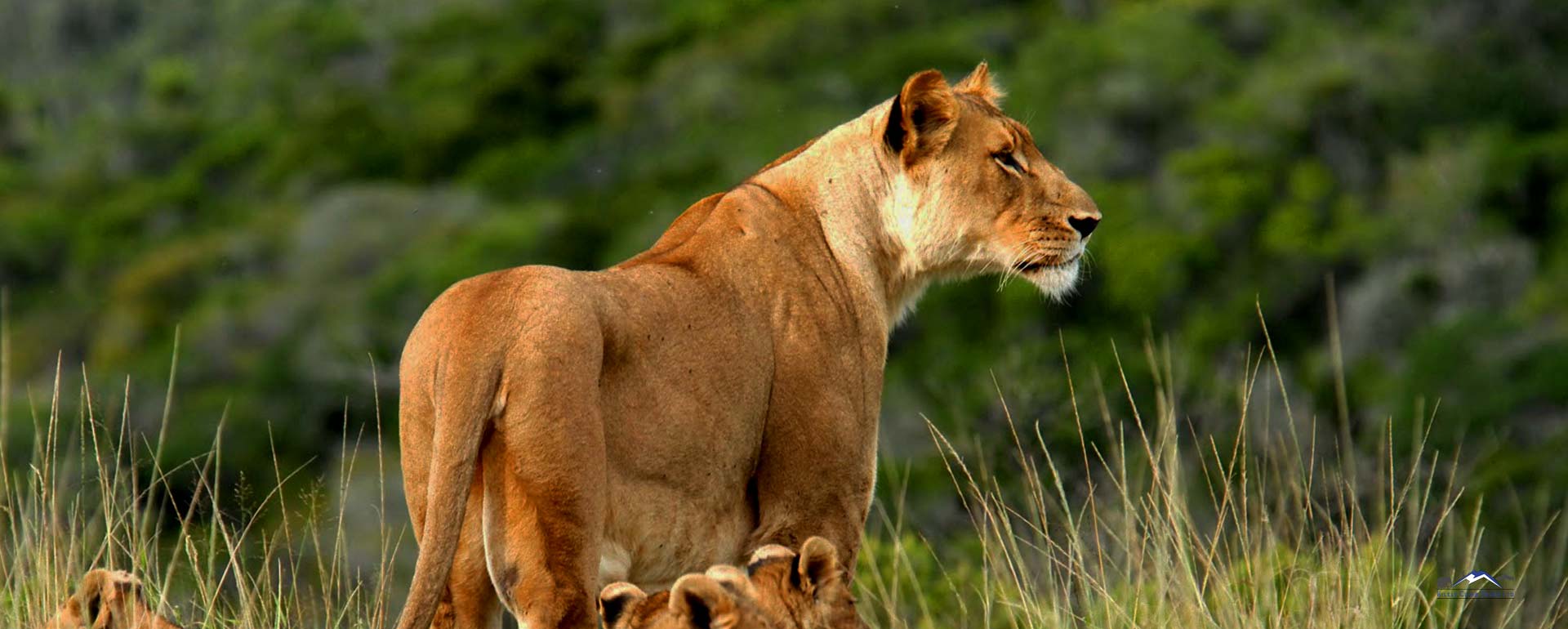
Amboseli vs Tsavo: Elephants, Views and Crowds Compared
Kenya has some of Africa’s most rewarding wildlife destinations, but Amboseli National Park and Tsavo National Park offer distinctly different safari experiences. Both are famous for elephants, both lie in southern Kenya, and both can be included in a journey between Nairobi and the Indian Ocean coast. However, the landscapes, wildlife-viewing conditions, visitor numbers, and overall atmosphere differ considerably.
Amboseli is best known for its large elephant herds moving across open plains and wetlands beneath Mount Kilimanjaro. Its relatively compact size makes it easier to explore over a short stay, and its scenery is particularly attractive to wildlife photographers. Tsavo, by comparison, offers a much larger wilderness, distinctive red-dusted elephants, volcanic landscapes, rocky outcrops, rivers, and natural springs. Wildlife can be spread across a wider area, so sightings may require more time and patience, but the reward is often a stronger sense of space and solitude.
There is also an important distinction when comparing these destinations. Tsavo consists of two separate national parks, Tsavo East and Tsavo West. Together, they cover a much larger area than Amboseli, but each has its own landscape and attractions. Choosing between Amboseli and Tsavo therefore means deciding whether you prefer concentrated elephant viewing and iconic mountain scenery or a more expansive safari with varied habitats and fewer vehicles in many areas.
Amboseli National Park: Elephants Beneath Mount Kilimanjaro
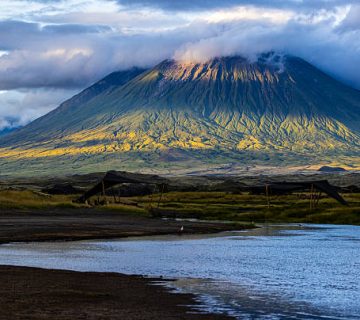
<text><escape></escape></text>Amboseli National Park lies in southern Kenya, close to the Tanzanian border and beneath the towering presence of Mount Kilimanjaro. The mountain is actually across the border in Tanzania, but Amboseli provides some of the most recognisable views of its snow-capped summit when the weather is clear.
The park covers approximately 392 square kilometres and is known for its open plains, seasonal lake bed, swamps, and dry savannah. Water flowing underground from the Kilimanjaro region supports wetlands that attract elephants, buffalo, and other wildlife, even when surrounding areas become dry.
Amboseli’s relatively open terrain is one of its greatest advantages. Visitors often have good visibility across the plains, making it easier to observe large animals and photograph them without thick vegetation blocking the view. Elephant families frequently move between feeding areas and wetlands, creating excellent opportunities to watch their behaviour.
The park is also associated with long-running elephant research. Individual elephants and family groups have been studied for decades, contributing to knowledge about their social structures, movements, and conservation needs.
For travellers visiting Kenya for the first time, Amboseli offers a straightforward introduction to African wildlife. Its compact size makes it possible to explore key areas over two or three days without spending the entire trip driving between distant sections of a huge reserve.
Tsavo National Park: A Vast and Varied Wilderness
Tsavo offers a different kind of safari. Tsavo East and Tsavo West together form one of Kenya’s largest protected wildlife areas, with a combined landscape of roughly 22,000 square kilometres. Their enormous size gives the region a more expansive and remote character than Amboseli.
Tsavo East is known for its broad plains, red earth, scattered baobab trees, and the Galana River. Elephants often appear reddish because they cover themselves with the park’s iron-rich soil. The colour is not a separate type of elephant; it is the result of dusting and mud bathing.
The park’s scale means that wildlife encounters can feel less concentrated. You might travel along a quiet track for some time before finding a herd of elephants, giraffes, or zebras. At other locations, water sources and riverbanks attract animals, providing excellent viewing opportunities.
Tsavo West has a more varied landscape, with volcanic hills, rocky outcrops, lava fields, wooded areas, and natural springs. Mzima Springs is one of its best-known attractions, where clear water emerges from underground sources and supports hippos, fish, and other wildlife. The park’s terrain gives game drives a different visual character from the open plains of Amboseli.
Tsavo is particularly appealing to travellers who enjoy exploring a large natural environment rather than concentrating on a small number of well-known viewpoints. It also provides a convenient option for visitors travelling between Nairobi and Kenya’s coastal destinations, although the best route depends on which part of Tsavo they intend to visit.
Elephant Viewing: Which Park Is Better?
Elephants are the central attraction in both destinations, but the experience of seeing them differs.
In Amboseli, elephants are often easier to locate because the park is relatively compact and important feeding and watering areas are accessible by established game-drive routes. The wetlands are particularly valuable during dry periods, when wildlife gathers around dependable water sources.
Visitors may see family groups feeding, crossing open ground, interacting with their young, or moving between swamps and woodland. Because the landscape is often open, guides can sometimes position vehicles at a respectful distance while guests observe the herd clearly.
The Kilimanjaro backdrop makes these sightings especially distinctive. An elephant crossing a dusty plain with the mountain rising behind it is one of Kenya’s most recognisable wildlife scenes. However, the mountain is not always visible. Clouds and atmospheric haze can obscure the summit, so travellers should not expect a clear view every day.
Tsavo has a much larger landscape and supports a substantial elephant population across Tsavo East, Tsavo West, and the wider ecosystem. Its elephants are famous for their reddish appearance, and some of the region’s large-tusked individuals have become important symbols of elephant conservation.
In Tsavo East, elephants can often be found around water sources and riverine habitats. Mudanda Rock is one notable location where animals may gather to drink, particularly when water is scarce elsewhere. Nevertheless, sightings depend on current animal movements, weather, and the areas covered during game drives.
Tsavo West offers additional opportunities around water and woodland habitats, although the thicker vegetation in some areas can make animals more difficult to see.
For travellers who want frequent, relatively accessible elephant sightings during a short safari, Amboseli generally has the advantage. For those interested in exploring a vast ecosystem and observing elephants in a less concentrated setting, Tsavo can be equally rewarding.
Neither park can guarantee a particular sighting on a specific day. The quality of the experience depends on the guide, timing, season, and willingness to spend time observing rather than rushing between locations.
Mount Kilimanjaro Views vs Tsavo’s Dramatic Landscapes
The scenery is one of the clearest differences between these destinations.
Amboseli’s defining feature is Mount Kilimanjaro. On clear mornings, the mountain rises above the surrounding plains, creating an extraordinary contrast between its high summit and the lowland wildlife habitat. The view is especially impressive when elephants move across the foreground or gather near a wetland.
The park’s open terrain also provides broad horizons, expansive skies, and strong photographic compositions. During dry periods, dust can create atmospheric scenes around moving herds. After rainfall, greener vegetation and seasonal water can change the appearance of the plains.
However, Amboseli is not a lush green park throughout the year. Large areas can become dry and dusty, and the seasonal lake bed may hold little or no visible water. The wetlands provide a contrasting environment, but visitors should expect a landscape shaped by changing rainfall and water availability.
Tsavo’s scenery is more varied across its two sections. Tsavo East offers broad, semi-arid plains, red soil, riverine vegetation, and prominent baobab trees. The combination of red earth and large wildlife gives the park a distinctive appearance.
Tsavo West is more rugged. Volcanic features, rocky hills, lava flows, natural springs, and pockets of green vegetation create a landscape that changes as you drive. Mzima Springs adds a particularly different experience, with clear water contrasting against the surrounding dry terrain.
Mount Kilimanjaro may be visible from some parts of the wider region under favourable conditions, but Tsavo does not offer the same consistent, signature mountain-and-elephant composition as Amboseli.
Choose Amboseli if the mountain view is a major reason for your trip. Choose Tsavo if you prefer varied terrain, geological features, river landscapes, and the feeling of travelling through a much larger wilderness.
Crowds: Which Park Feels Quieter?
Crowd levels can significantly influence a safari. Even an excellent wildlife sighting can feel less intimate when many vehicles gather around the same animals.
Amboseli is compact and internationally recognised, attracting visitors who want to see elephants and photograph Mount Kilimanjaro. During busy periods, vehicles may cluster around popular wetlands, wildlife sightings, and established viewpoints. Observation Hill is one of the park’s best-known stops, and popular areas can become busy at peak times.
The park does not necessarily feel crowded everywhere. Vehicle numbers vary by location and time of day, and quieter sections may offer a more peaceful experience. However, because the main attractions are concentrated within a relatively small area, visitors are more likely to encounter other safari vehicles around productive wildlife-viewing locations.
Tsavo’s enormous size provides a different experience. Visitors are spread across a much larger area, and some routes can feel quiet even during popular travel periods. In suitable locations, you may spend extended periods exploring without seeing many other vehicles.
That does not mean Tsavo is completely uncrowded. Busy gates, popular lodges, well-known water sources, and productive wildlife sightings can attract several vehicles. Some sections are more heavily visited than others, particularly around established tourist circuits.
The distinction is that Tsavo offers more room to explore away from its busiest locations. Amboseli concentrates wildlife viewing into a smaller area, while Tsavo gives visitors a wider range of routes and habitats.
If avoiding crowds is your main priority, Tsavo is generally the stronger choice. If you are willing to share popular viewing areas in exchange for easier access to elephants and iconic scenery, Amboseli remains an excellent option.
Other Wildlife: What Can You See Beyond Elephants?
Although elephants dominate the reputation of both destinations, each supports a range of other wildlife.
Amboseli is home to buffalo, zebras, wildebeest, giraffes, hyenas, and several antelope species. Lions are present, and visitors may encounter them during game drives. Cheetahs are also found in the ecosystem, although sightings are never guaranteed. The wetlands attract waterbirds and other species associated with marshes and shallow water.
Birdwatching can be particularly rewarding around the swamps and seasonal lake. Depending on water conditions and the time of year, visitors may see pelicans, herons, egrets, storks, and a variety of other birds. Flamingos may appear when suitable conditions develop at Lake Amboseli, but their presence varies.
Tsavo supports a broader range of habitats, particularly when East and West are considered together. Elephants, lions, leopards, buffalo, giraffes, zebras, and numerous antelope species inhabit the ecosystem. Tsavo West’s rocky terrain and woodland areas provide different conditions from Tsavo East’s open plains and river habitats.
Tsavo is also known for dry-country species that are less characteristic of Amboseli, including gerenuk, lesser kudu, and fringe-eared oryx in suitable areas. The region is important for birdlife as well, with varied habitats supporting a large range of species.
For travellers whose priority is the overall diversity of landscapes and habitats, Tsavo has a strong advantage. However, Amboseli can still provide an excellent range of wildlife encounters within a shorter visit.
It is worth remembering that no park guarantees sightings of every species. Animals move freely, vegetation changes with the seasons, and some species are naturally more elusive than others.
Which Park Is Better for Wildlife Photography?
Amboseli is particularly attractive to photographers who want classic wildlife compositions. The combination of elephants, open terrain, wetlands, and Mount Kilimanjaro creates opportunities for photographs that immediately communicate a sense of place.
The best chance of seeing the mountain clearly is often early in the morning, before clouds build around the summit. Wildlife may also be active during cooler hours, although the timing of sightings changes from day to day.
Open plains can make it easier to photograph animals without dense vegetation obscuring them. Elephant families moving through dust or crossing a wetland can provide strong images, especially when the light is soft.
However, the same popular locations that offer excellent compositions may attract several vehicles. Photographers should work with their guide to find suitable viewing positions, follow park rules, and avoid pressuring drivers to crowd animals or obstruct other visitors.
Tsavo offers different photographic opportunities. Its red-dusted elephants, baobab trees, rocky hills, and varied terrain produce distinctive images. The changing colours of the landscape can be especially appealing in morning and evening light.
The larger park also offers opportunities to photograph animals in a more expansive environment. Yet dense vegetation and longer distances may make certain sightings more challenging, and a good image may require patience.
Choose Amboseli for the recognisable Kilimanjaro backdrop and relatively concentrated elephant photography. Choose Tsavo for landscape variety, red-earth scenes, and opportunities to photograph wildlife in a more expansive setting.
Game Drives and the Overall Safari Experience
Amboseli is well suited to travellers with a limited amount of time. Its compact size makes it possible to explore key areas during a two- or three-day visit, particularly when accommodation is conveniently located near the park.
Game drives usually focus on wetlands, open plains, wildlife-viewing routes, and areas where elephants and other animals are regularly encountered. Guides can adjust routes according to recent sightings and changing conditions.
Because the park is relatively small, visitors may spend less time travelling between distant habitats than they would in Tsavo. This can be an advantage for families, first-time safari travellers, and photographers who want to return to productive areas at different times of day.
Tsavo rewards a slower approach. The size of the ecosystem means that visitors should choose their accommodation and game-drive routes carefully rather than attempting to cover everything in a short stay.
Tsavo East is often explored for its broad plains, riverine habitats, elephants, and red-earth scenery. Tsavo West offers a different combination of hills, springs, volcanic terrain, and wildlife habitats. Travellers who want to experience both sections need to allow sufficient time for transfers and exploration.
Tsavo is also a strong option for visitors travelling between Nairobi and the coast. Depending on the itinerary, it may be possible to include the park as part of a longer overland journey. However, travel time depends on the entrance gate, lodge location, road conditions, and the section of the park being visited.
Best Time to Visit Amboseli
Amboseli can be visited throughout the year, but the experience changes with rainfall and seasonal conditions.
The drier months, particularly from June to October, are popular because wildlife viewing can be productive and roads are often easier to navigate than during heavy rainfall. Animals may concentrate around dependable water sources, and shorter vegetation can improve visibility in some areas.
January and February can also provide good safari conditions, although weather and visibility vary. These months can be attractive for travellers seeking warm, relatively dry conditions.
The rainy periods can bring greener landscapes, fresh vegetation, and opportunities for birdwatching. However, heavy rain may affect road conditions, and the mountain can be obscured by cloud. The seasonal lake bed may also change significantly according to rainfall.
For travellers who want the classic elephant-and-Kilimanjaro photograph, it is sensible to allow at least two nights if the itinerary permits. This provides more than one opportunity for clear weather and wildlife viewing.
No season guarantees a clear mountain view. Clouds can form even during the drier months, so flexibility is important.
Best Time to Visit Tsavo
Tsavo is also a year-round destination, although seasonal changes affect road conditions, vegetation, and wildlife visibility.
The drier months, broadly from June to October and often January to February, are popular for game drives. Animals may gather near rivers, springs, dams, and other dependable water sources. Reduced vegetation in some areas can also make wildlife easier to spot.
During rainy periods, the landscape may become greener, and birdwatching can be rewarding. However, some roads may become difficult to navigate after heavy rainfall, particularly in remote sections.
Tsavo West’s springs and varied terrain provide interesting experiences throughout the year, while Tsavo East’s wide plains and river habitats can offer excellent wildlife viewing when conditions are favourable.
Because the park is so large, choosing the right region is often as important as choosing the month. Staying near the areas you want to explore reduces unnecessary driving and gives you more time for game drives.
If you are visiting during a short safari, avoid planning an itinerary that requires extensive travel across Tsavo East and Tsavo West without enough time to enjoy either section.
Accommodation and Costs: Amboseli vs Tsavo
Both destinations offer a range of accommodation, from public campsites and simple tented camps to comfortable lodges and luxury safari properties. The location and standard of your accommodation can affect the overall experience as much as the park itself.
Amboseli has lodges and camps positioned around the park and in nearby community conservancies. Some properties provide views of Kilimanjaro when the weather is clear, while others focus on access to game-drive routes and a comfortable base for exploring.
Because Amboseli is a popular destination, prices can rise during busy holiday periods. Travellers should compare what each package includes, especially meals, transfers, game drives, park fees, and other charges.
Tsavo has a broad selection of accommodation across both parks and along the main travel routes. Some lodges overlook water sources or open landscapes, while others are positioned to provide convenient access to particular sections of the park.
The greater range of locations can help travellers find accommodation suited to different budgets. However, a lower nightly rate may not represent better value if the lodge is far from the wildlife-viewing areas you want to visit.
When comparing costs, include park entry fees, transport, guide services, meals, and the number of nights required. Tsavo’s scale may require a longer stay to explore different habitats, while Amboseli can deliver a focused elephant-viewing experience over fewer days.
Current rates and park fees should be confirmed before booking because charges vary by season, visitor category, and accommodation arrangement.
Amboseli or Tsavo for Families?
Both parks can work well for family safaris, but the best option depends on the ages of the children and the pace of travel.
Amboseli may suit families who want a shorter safari with frequent opportunities to observe large animals. The open scenery can make wildlife easier to see, and the relatively compact park can reduce the amount of time spent travelling between areas.
Families should still plan around early starts, long periods in a vehicle, and the need to follow wildlife safety rules. Children must remain inside the vehicle unless the guide confirms that stopping in a designated area is safe and permitted.
Tsavo can be a good choice for families who enjoy longer journeys, varied landscapes, and a more exploratory style of safari. Its scale provides opportunities to experience different environments, but a carefully planned itinerary is important to prevent excessive driving.
For younger children, consider accommodation with suitable facilities, flexible meal arrangements, and shorter game drives. Ask whether the lodge accepts children of your age group and whether it offers family rooms or private vehicles.
In either park, the quality of the guide and the pace of the itinerary can make a significant difference to the family experience.
Can You Visit Amboseli and Tsavo on One Trip?
Yes. Combining both destinations can provide a more varied southern Kenya safari, particularly if you have several days available.
Amboseli can be visited first for elephants, wetlands, and Kilimanjaro views. You can then continue towards Tsavo West or Tsavo East, depending on your route and the experiences you want to include.
A longer itinerary gives you the chance to enjoy Amboseli’s concentrated wildlife viewing and then explore Tsavo’s larger landscapes. Tsavo West adds Mzima Springs and volcanic scenery, while Tsavo East provides broad plains, red earth, and the Galana River region.
The best route depends on where you start and finish. Travellers arriving in Nairobi may approach Amboseli first, while those travelling from the coast may find it more practical to visit Tsavo before continuing inland. The actual driving time varies with gate selection, road conditions, and accommodation location.
Allow enough time for transfers between parks. A long drive combined with a game drive can make the day tiring, particularly if you are travelling with children or carrying photography equipment.
For a short holiday, two or three nights in Amboseli may be enough to enjoy its main attractions. If you also want to explore Tsavo, add sufficient nights to avoid turning the entire safari into a sequence of long transfers.
Which Park Should You Choose?
Amboseli is the stronger choice if your priorities are elephants, clear wildlife photography, open landscapes, and the possibility of seeing Mount Kilimanjaro behind the herds. It is particularly suitable for first-time safari visitors and travellers with two or three days available.
Tsavo is better suited to travellers who value a larger wilderness, varied terrain, distinctive red-dusted elephants, and the opportunity to explore areas with fewer vehicles. Tsavo West is especially appealing for volcanic scenery and Mzima Springs, while Tsavo East offers expansive plains and riverine habitats.
For solitude, Tsavo generally has the advantage because its huge area spreads visitors across a much larger landscape. For concentrated elephant viewing and the iconic mountain backdrop, Amboseli is usually the better fit.
Neither destination is universally superior. The right choice depends on what you want to experience, how much time you have, your budget, and where your journey begins and ends. If your schedule allows, visiting both parks offers the most varied experience, combining Amboseli’s recognisable scenery with Tsavo’s vast and diverse wilderness.



No comment