
Kalinzu Forest Reserve
Kalinzu Forest Reserve: Chimpanzee Walks Near Queen Elizabeth
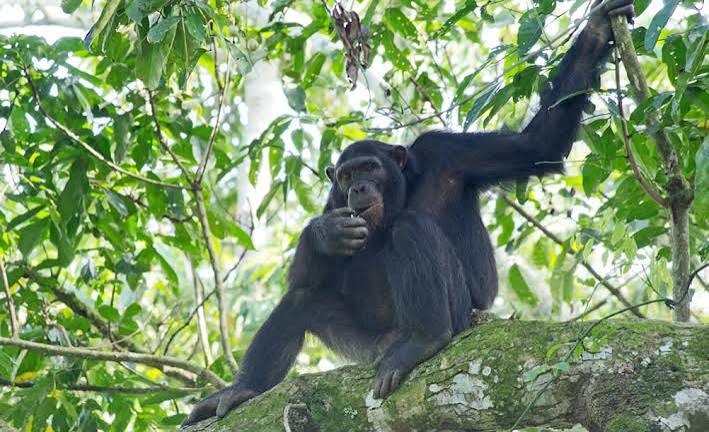
Kalinzu Forest Reserve near Queen Elizabeth National Park is one of Uganda’s most rewarding destinations for chimpanzee tracking, birdwatching and guided rainforest walks. Located in Bushenyi and Rubirizi districts of southwestern Uganda, this beautiful natural forest offers visitors an opportunity to observe wild chimpanzees in their natural habitat without travelling to the better-known Kibale National Park.
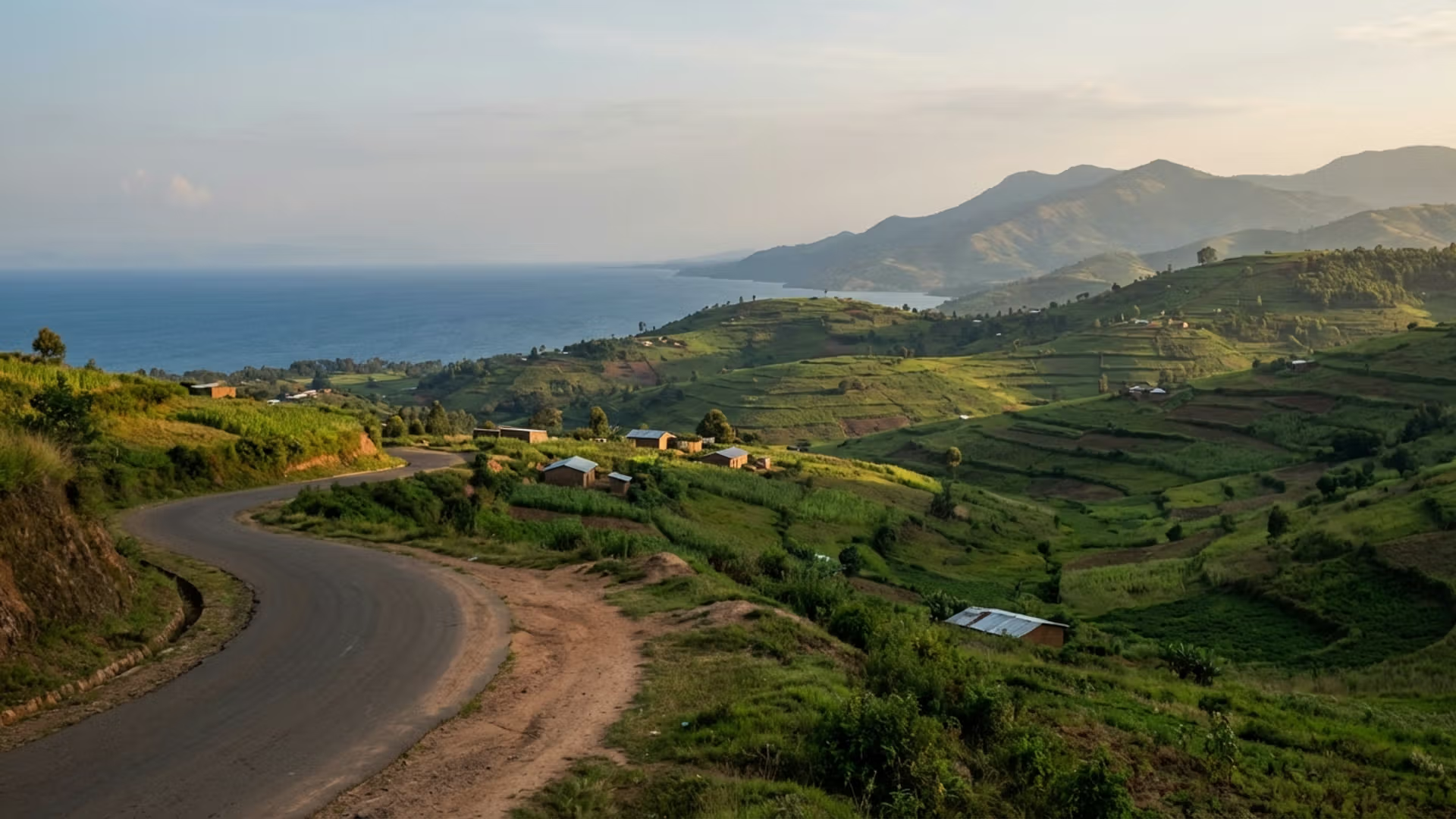
The reserve covers approximately 147 square kilometres and contains tropical forest, steep valleys, tall trees and scenic viewpoints overlooking the Albertine Rift Valley. Its location near Queen Elizabeth National Park makes it particularly convenient for travellers combining savannah wildlife safaris with primate experiences.
Visitors can follow experienced forest guides along established trails, listen to chimpanzee calls and observe other monkeys moving through the canopy. Kalinzu is also attractive to nature lovers interested in butterflies, forest birds and remarkable tropical vegetation.
Where Is Kalinzu Forest Reserve Located?
Kalinzu Forest Reserve lies along the Bushenyi–Kasese road in southwestern Uganda, close to the southern sections of Queen Elizabeth National Park.
The forest occupies the eastern edge of the Albertine Rift Valley escarpment.
It is accessible from Ishaka, Bushenyi and accommodation areas around Queen Elizabeth National Park.
Quick Facts About Kalinzu Forest
| Feature | Description |
|---|---|
| Country | Uganda |
| Region | Southwestern Uganda |
| Districts | Bushenyi and Rubirizi |
| Forest size | Approximately 147 km² |
| Main attraction | Chimpanzee tracking |
| Other activities | Birdwatching and forest walks |
| Bird species | More than 370 recorded |
| Wildlife | Chimpanzees and other primates |
| Recommended visit | Half-day or full day |
| Nearby destination | Queen Elizabeth National Park |
1. Why Kalinzu Is Famous for Chimpanzees
Chimpanzee tracking is the reserve’s most popular tourism activity.
Kalinzu supports several chimpanzee communities, including groups studied and habituated to carefully managed human observation.
Habituation gradually helps chimpanzees become accustomed to the presence of researchers and visitors.
This process allows people to observe natural behaviour without the animals immediately fleeing.
However, habituated chimpanzees remain wild animals.
They should never be touched, fed or approached too closely.
2. What Happens During Chimpanzee Tracking?
A typical chimpanzee tracking experience begins with a briefing at the forest visitor centre.
Guides explain safety procedures, forest conditions and rules for approaching chimpanzees.
Visitors then enter the forest on foot, following authorised trails and trackers’ instructions.
Searching for Chimpanzees
Chimpanzees travel through the forest while searching for food.
They may move along the ground or through the canopy.
Trackers listen for calls, examine feeding signs and use recent information about chimpanzee movements.
When a group is located, visitors observe from an appropriate distance.
You may see chimpanzees feeding, grooming, resting or communicating.
However, every encounter is different.
3. How Long Does Chimpanzee Tracking Take?
Tracking duration depends on the location and movement of the chimpanzees.
Some groups may be found relatively quickly.
Others require longer walks through steep or muddy terrain.
Travellers should generally allow several hours for the experience.
The permitted observation period and current operating procedures should be confirmed when booking.
Is a Sighting Guaranteed?
No.
Chimpanzees are wild animals that move freely through extensive forest habitats.
Kalinzu is known for rewarding encounters, but published success percentages should not be interpreted as guarantees.
Weather, feeding patterns and forest conditions influence tracking results.
4. What Makes Kalinzu Different From Kibale?
Both Kalinzu and Kibale offer chimpanzee tracking, but their settings and visitor experiences differ.
Kibale National Park is Uganda’s best-known chimpanzee destination, with established tourism facilities and extensive primate research.
Kalinzu offers a smaller forest environment near Queen Elizabeth National Park.
Kalinzu and Kibale Compared
| Feature | Kalinzu Forest | Kibale National Park |
|---|---|---|
| Main experience | Chimpanzee tracking | Chimpanzee tracking |
| Location | Near Queen Elizabeth | Near Fort Portal |
| Management | Government forestry authorities | Uganda Wildlife Authority |
| Accommodation | Mostly outside forest | Numerous nearby lodges |
| Terrain | Hilly forest trails | Varied tropical forest trails |
| Safari combination | Queen Elizabeth | Bigodi and Fort Portal |
Kalinzu may suit travellers combining primates with Queen Elizabeth, while Kibale remains attractive for a dedicated primate-focused safari.
5. Other Primates in Kalinzu Forest
Chimpanzees are not the only primates living in Kalinzu.
The forest also supports several monkey species.
Black-and-White Colobus Monkeys
These monkeys have distinctive black fur with contrasting white markings.
They spend much of their time in trees, feeding on leaves and other vegetation.
Blue Monkeys
Blue monkeys inhabit forest environments and frequently travel through the canopy.
Their movements may be detected through rustling branches.
L’Hoest’s Monkeys
L’Hoest’s monkeys are associated with forest habitats in parts of Central and East Africa.
They can be difficult to observe because they often move through dense vegetation.
Other primates recorded in the area include red-tailed monkeys and vervet monkeys.
6. Birdwatching in Kalinzu Forest
Kalinzu is an important birdwatching destination.
The forest contains more than 370 recorded bird species, according to published tourism information.
Its habitats support canopy birds, forest specialists and birds associated with clearings.
Birds to Look For
Great Blue Turaco: A large, colourful bird with distinctive calls.
Black-and-White-casqued Hornbill: A forest hornbill recognised by its prominent bill and casque.
African Grey Parrot: A forest-associated parrot that may be heard calling overhead.
Crowned Eagle: A powerful forest raptor associated with suitable mature woodland.
Birdwatching is generally rewarding during early morning walks.
However, dense foliage can make photography challenging.
7. Guided Nature Walks
Kalinzu offers several established forest walking routes.
These introduce visitors to tall trees, medicinal plants, valleys and natural viewpoints.
Some walks are relatively short, while others involve longer hikes.
Popular Forest Trails
The Palm Trail explores interesting forest vegetation and distinctive tree species.
The Valley Trail introduces visitors to lower forest habitats and scenic terrain.
The River Trail follows natural features associated with the forest’s waterways.
The Waterfall Trail provides a longer walking experience towards Kilyantama Waterfall.
Trail availability and conditions should be confirmed with forest management before visiting.
8. Kilyantama Waterfall
Kilyantama Waterfall is one of Kalinzu’s lesser-known natural attractions.
Reaching it involves a longer forest walk through uneven and sometimes muddy terrain.
The route introduces visitors to rainforest vegetation, streams and smaller wildlife.
The waterfall provides a rewarding destination for travellers interested in hiking.
However, visitors should assess their fitness before selecting this longer excursion.
9. Kishunja Hill Viewpoint
Kishunja Hill offers opportunities to appreciate Kalinzu’s landscape and the Albertine Rift.
From suitable viewpoints, visitors may enjoy distant views towards western Uganda’s mountains and valleys.
Visibility depends on weather conditions.
The viewpoint is attractive for landscape photography and visitors interested in the geography of the region.
10. Best Time to Visit Kalinzu Forest
Kalinzu can be visited throughout the year.
However, relatively dry periods generally provide more comfortable walking conditions.
June to August and December to February are commonly favourable months.
Rainfall can occur at any time because Kalinzu is a tropical forest.
During wetter months, paths may become muddy and slippery.
Morning or Afternoon Tracking?
Morning tracking is often convenient because temperatures are cooler.
Chimpanzees may also be active while searching for food.
However, sightings depend on animal movements rather than a fixed time of day.
Confirm available tracking sessions before arranging your itinerary.
11. What to Wear for Chimpanzee Tracking
Suitable clothing makes forest walking more comfortable.
Visitors should wear long trousers, lightweight long-sleeved shirts and sturdy walking shoes.
A rain jacket is useful because showers may occur unexpectedly.
Recommended Packing Items
Hiking shoes with good grip.
Long trousers.
Lightweight rain jacket.
Drinking water.
Insect repellent.
Small backpack.
Camera with a zoom lens.
Binoculars.
Avoid carrying unnecessary luggage during forest walks.
12. Health and Safety Around Chimpanzees
Chimpanzees share susceptibility to several human respiratory infections.
Visitors who are ill should avoid tracking activities to reduce disease transmission risks.
Follow current mask requirements and the minimum viewing distance specified by forest management.
Never attempt to touch a chimpanzee.
Avoid eating near the animals or leaving food behind.
Flash photography should be avoided where prohibited.
Always follow the guide’s instructions.
13. Chimpanzee Tracking Permits and Fees
Kalinzu’s chimpanzee tracking activities are managed through the government forestry system.
Permits and activity charges may differ according to visitor category.
Older online guides sometimes advertise outdated prices.
Travellers should confirm the current conservation tariff and reservation procedures before paying.
Advance booking is recommended during busy safari periods.
14. Accommodation Near Kalinzu Forest
Accommodation inside Kalinzu is limited.
Most travellers stay around Bushenyi, Ishaka or the southern sections of Queen Elizabeth National Park.
The choice depends on budget and the next destination.
Visitors combining chimpanzees with wildlife game drives may prefer accommodation around the Ishasha or other suitable Queen Elizabeth areas.
Confirm actual driving distances before booking.
15. Combining Kalinzu With Queen Elizabeth National Park
Kalinzu is especially convenient for a safari combining forest primates with savannah wildlife.
Queen Elizabeth National Park supports elephants, buffaloes, lions, hippos and many bird species.
The Kazinga Channel offers rewarding boat-based wildlife viewing.
Suggested Two-Day Safari
Day One: Queen Elizabeth National Park
Enjoy a game drive through suitable savannah habitats.
Later, take a scheduled Kazinga Channel boat excursion.
Day Two: Kalinzu Chimpanzee Tracking
Begin with a morning chimpanzee tracking experience.
Afterwards, continue towards your next destination or enjoy another forest activity.
This combination provides contrasting wildlife experiences.
16. Responsible Tourism in Kalinzu
Kalinzu is an important conservation landscape.
Its forests provide habitat for chimpanzees, monkeys, birds and numerous plants.
Visitors should remain on approved trails and avoid disturbing wildlife.
Do not remove plants or leave rubbish.
Respect guides, researchers and surrounding communities.
Responsible tourism helps protect the forest while supporting conservation-related employment.
Why Kalinzu Forest Reserve Is Worth Visiting
Kalinzu Forest Reserve provides an excellent opportunity to experience Uganda’s chimpanzees near Queen Elizabeth National Park.
Its rainforest trails, birdlife, primates and scenic landscapes make it suitable for wildlife enthusiasts seeking more than traditional game drives.
Although chimpanzee sightings cannot be guaranteed, experienced guides and established tracking programmes provide meaningful opportunities to observe these remarkable animals.
For travellers exploring southwestern Uganda, Kalinzu adds forest biodiversity and adventure to a wider safari itinerary.




No comment