
Does Solo Travel Require a Certain Fitness Level?
Solo travel across East Africa genuinely varies considerably in physical demand depending on your chosen activities, and understanding what fitness level different solo experiences genuinely require helps you plan a trip that matches your actual physical capabilities honestly.
Why Fitness Requirements Genuinely Depend on Your Specific Itinerary
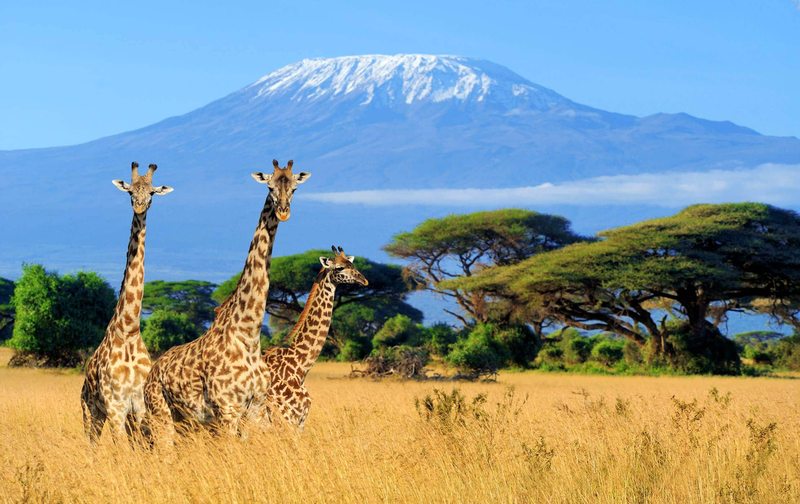
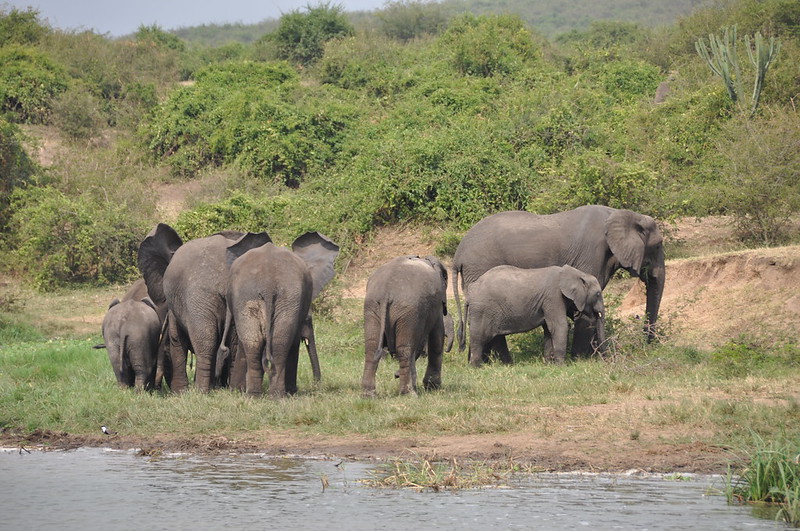
Solo travel itself doesn’t genuinely demand a fixed fitness level, since a relaxed lodge-based safari involves considerably less physical exertion than gorilla trekking or a multi-day hiking-focused solo trip. Standard vehicle-based game drives genuinely accommodate a wide range of fitness levels, since the physical demand remains genuinely minimal beyond entering and exiting the vehicle at stops, meaning travelers with real physical limitations can still genuinely enjoy a rewarding solo safari built around this activity style. This wide range in genuine physical demand across different solo itineraries is precisely why a single blanket answer to this question genuinely doesn’t exist.
What Genuine Fitness Level Gorilla or Chimp Trekking Solo Requires
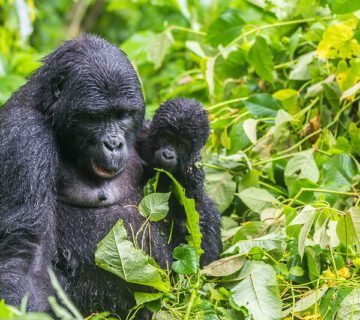
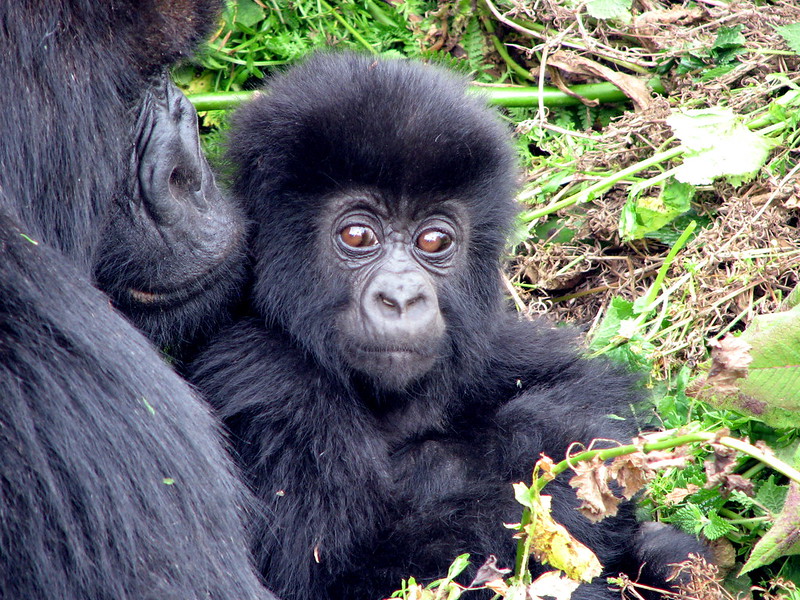
Solo travelers planning primate trekking should genuinely prepare with solid cardiovascular fitness, since these treks involve potentially demanding hikes across variable, sometimes steep terrain without a travel companion to help pace or support you. Destinations involving genuine altitude gain, like Rwanda’s Volcanoes National Park, add an additional fitness dimension beyond flat-terrain endurance, worth factoring into your solo trip planning and preparation well ahead of departure.
What Makes Walking Safaris Genuinely Different From Standard Game Drives Fitness-Wise
Solo travelers considering walking safaris should genuinely prepare for multi-hour on-foot exertion, a considerably more demanding fitness requirement than vehicle-based alternatives, worth training for specifically rather than assuming general fitness translates directly into readiness for a full walking day.
How Solo Travelers Should Genuinely Assess Their Own Baseline Fitness Honestly
Honestly assessing your current baseline fitness, ideally through a doctor consultation for any pre-existing conditions, genuinely helps solo travelers choose appropriately demanding activities rather than overestimating their own capabilities. Solo travelers managing chronic health conditions should genuinely consult their doctor specifically about their planned activities, obtaining tailored guidance rather than relying on generic fitness recommendations that may not account for their situation.
What Makes Solo Travel Genuinely Different From Group Fitness Dynamics
Traveling solo genuinely means no group pace to match or slower companion to wait for, meaning you can genuinely move at your own comfortable pace, an advantage for travelers with specific fitness limitations. Without a companion’s differing energy levels to negotiate around, solo travelers can genuinely build rest days into their itinerary exactly where their own body needs them, a genuine advantage for managing fitness demands throughout a longer trip.
How to Prepare Physically Before a Demanding Solo Trip
Solo travelers planning genuinely demanding activities like trekking should begin a structured fitness preparation routine several weeks or months before departure, building cardiovascular endurance progressively rather than starting cold. A structured pre-trip training plan combining cardiovascular exercise, incline walking, and general strength conditioning genuinely prepares solo travelers more effectively than sporadic, unstructured activity, and testing your actual trekking boots and gear during training walks genuinely ensures your body adapts to real trip conditions before departure. Incorporating weighted daypack walks into training genuinely simulates the actual physical load you’ll carry during a real trekking day.
What Genuine Safety Considerations and Honest Communication Intersect With Fitness
Solo travelers should genuinely recognize that pushing beyond honest fitness limits carries more risk without a companion to help manage a difficult situation, making honest self-assessment genuinely more important when traveling alone. Solo travelers should genuinely communicate their actual fitness level and any limitations clearly to their operator, allowing guides to adjust pacing appropriately rather than assuming a standard, generic fitness baseline, and communicating honestly rather than overstating capability to avoid embarrassment genuinely lets an experienced operator adjust activities appropriately. No experienced guide genuinely judges a traveler for honest limitations, but every guide genuinely struggles to help someone who conceals them.
How This Compares to Broader Solo Travel Health Considerations
Travelers researching solo travel more broadly will find useful complementary detail in altitude sickness on solo travel prevention tips, covering a genuine fitness-adjacent health consideration worth understanding alongside general physical preparation.
What Makes Age Genuinely Less Important Than Actual Conditioning
Fitness level genuinely correlates more with actual physical conditioning than age alone, meaning older solo travelers who maintain regular exercise routines often handle demanding activities considerably better than younger, less conditioned travelers. Beyond physical conditioning, genuine mental resilience and comfort with self-reliance matter considerably for demanding solo activities, a dimension of readiness worth honestly assessing alongside pure physical fitness, since the two genuinely reinforce each other throughout a challenging trip.
How Different Destinations and Climate Conditions Genuinely Carry Different Demands
Solo travelers should research their genuine specific destination’s typical activity demands, since fitness requirements for a Kenyan savanna safari differ considerably from those for Rwanda’s volcanic gorilla trekking terrain. Heat and humidity genuinely increase the physical demand of any activity beyond baseline exertion levels, meaning solo travelers should factor climate conditions into their fitness preparation alongside the activity itself. Training in conditions that at least approximate your destination’s climate, where genuinely feasible, helps your body adapt more realistically than training in a considerably cooler home environment alone.
How Solo Female Travelers Should Approach Fitness Planning Specifically
Solo female travelers benefit from the same honest fitness self-assessment as any solo traveler, with the added consideration of choosing activities and timing that also align with their personal comfort and safety priorities throughout the trip, factors worth weighing together rather than treating fitness planning as entirely separate from broader trip safety.
What Makes Rest Structure, Sleep Quality, and Nutrition Support Sustained Fitness
Alternating genuinely demanding activity days with lighter, more relaxed days throughout a solo itinerary helps manage cumulative fatigue better than scheduling several intensive activities consecutively. Building consistent hydration and nutrition habits in the weeks before departure genuinely supports better physical performance, and prioritizing genuine sleep quality throughout a demanding solo trip supports better physical performance and recovery than sacrificing rest for extra activity time. Solo travelers should genuinely resist the temptation to over-schedule every single day, since built-in downtime consistently pays dividends in sustained energy across a longer trip.
What Makes Progressive Training Genuinely Better Than Last-Minute Preparation
Building fitness progressively over several months genuinely produces better trip readiness than attempting intensive last-minute preparation, which can actually increase injury risk right before a demanding trip. Completing a genuinely representative practice hike or workout that mimics your planned trip’s physical demands provides a realistic gauge of readiness better than assuming general fitness translates directly. Scheduling this practice session several weeks before departure, rather than the week immediately prior, genuinely leaves time to address anything the test reveals.
How This Ongoing Self-Assessment Ultimately Shapes Trip Enjoyment
Fitness readiness genuinely evolves throughout a training period, meaning solo travelers should reassess their preparation progress periodically rather than making a single early assumption and assuming it holds until departure. Solo travelers who honestly match their itinerary to their genuine fitness level consistently report feeling more confident and present during activities, free from the anxiety of feeling physically out of their depth, and this approach applies equally whether you’re new to solo travel or genuinely experienced, since even seasoned travelers can misjudge readiness for a genuinely new type of demanding activity.
What This Ultimately Means for Your Own Solo Trip Decision
Rather than asking whether solo travel generically requires a certain fitness level, the genuinely useful question is whether your specific chosen activities match your actual, honestly assessed physical readiness, a question worth revisiting throughout your preparation rather than settling once and moving on. Approaching your own fitness planning this way, activity by activity rather than as one broad generic requirement, genuinely produces a more accurate and useful answer.
What Long-Term Solo Travelers Consistently Say About Fitness Preparation
Experienced solo travelers consistently emphasize that genuine, honest fitness preparation before departure considerably outweighs any last-minute adjustments attempted once already on a demanding trip, a lesson worth internalizing well before your own departure date rather than discovering it mid-trek. Those who’ve made this mistake once consistently report never repeating it on subsequent trips, treating thorough preparation as a genuinely non-negotiable part of planning any demanding solo activity going forward.
What a Genuinely Balanced Approach to Ambition and Self-Assessment Looks Like
Solo travelers should genuinely balance excitement about ambitious activities with honest self-assessment, choosing an itinerary that challenges appropriately without exceeding genuine current capability, a balance that consistently produces both safer and more genuinely enjoyable trips. Choosing an activity that genuinely stretches you without overwhelming you tends to produce the most memorable, satisfying experiences of the entire trip.
Planning Your Solo Trip Around Your Genuine Fitness Level
Honestly matching your itinerary to your actual physical capabilities, informed by the preparation guidance covered throughout this piece, helps you plan a genuinely enjoyable, appropriately paced solo trip. All in Africa Safaris can help you plan a well-matched solo itinerary, or you can get in touch to plan the details of your trip.

No comment