
Dengue and Chikungunya on the Coast: Mosquito Precautions Beyond Malaria
Dengue and chikungunya on the East African coast are important health concerns for travellers visiting destinations such as Zanzibar, Mombasa, Diani Beach, Watamu, Lamu and Dar es Salaam. While many visitors prepare for malaria before travelling to Africa, fewer realise that mosquitoes can transmit other diseases requiring different prevention measures.
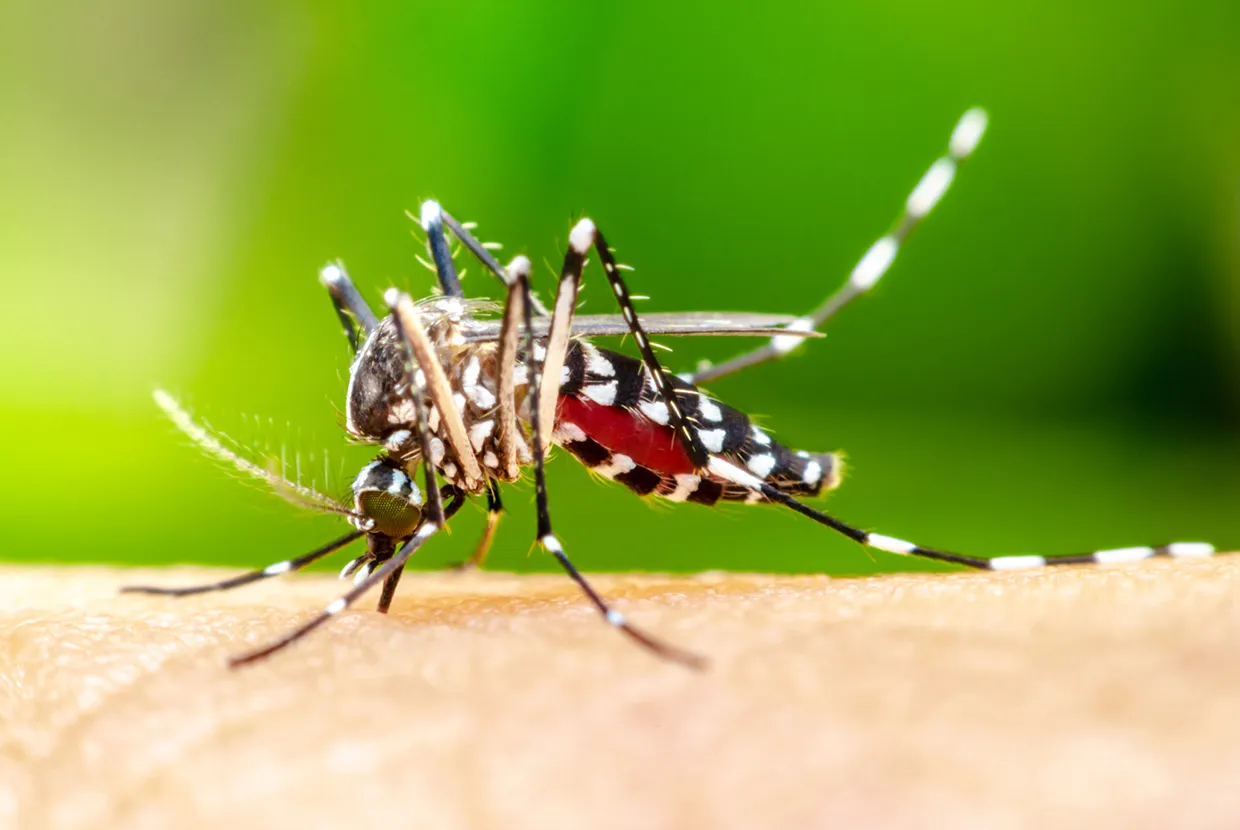
Dengue and chikungunya are viral infections spread mainly by infected Aedes mosquitoes. Unlike the mosquitoes primarily responsible for malaria, these insects frequently bite during daylight hours.
This means travellers can encounter mosquitoes while relaxing on beaches, exploring markets, visiting coastal towns or enjoying outdoor restaurants.
Although most infections are not life-threatening, dengue can sometimes become severe, while chikungunya may cause prolonged joint pain.
Understanding these illnesses and taking sensible precautions helps visitors enjoy East Africa’s coastline more safely.
What Are Dengue and Chikungunya?
Dengue and chikungunya are separate viral diseases transmitted through mosquito bites.
Both occur in tropical and subtropical regions, including parts of Africa.
Dengue vs Chikungunya
| Feature | Dengue | Chikungunya |
|---|---|---|
| Cause | Dengue virus | Chikungunya virus |
| Transmission | Infected mosquitoes | Infected mosquitoes |
| Main symptoms | Fever, headache, body pain | Fever and joint pain |
| Serious complications | Bleeding and shock | Persistent joint problems |
| Specific antiviral cure | None routinely available | None |
| Main prevention | Avoid mosquito bites | Avoid mosquito bites |
Symptoms overlap, making medical assessment important.
Why Coastal Travellers Should Be Careful
East Africa’s warm coastal climate provides suitable conditions for mosquitoes.
Urban neighbourhoods, gardens and areas containing standing water may support mosquito breeding.
However, mosquito activity and disease transmission vary between destinations and seasons.
Popular Coastal Destinations
| Destination | Country | Travel consideration |
|---|---|---|
| Zanzibar | Tanzania | Daytime mosquito precautions |
| Dar es Salaam | Tanzania | Urban mosquito exposure |
| Mombasa | Kenya | Coastal and urban environments |
| Diani Beach | Kenya | Beach accommodation and gardens |
| Watamu | Kenya | Outdoor activities |
| Lamu | Kenya | Walking tours and coastal stays |
These locations are not necessarily experiencing outbreaks. Travellers should check current public-health notices before departure.
How Are These Diseases Different From Malaria?
Malaria is caused by parasites transmitted through infected Anopheles mosquitoes.
Dengue and chikungunya are caused by viruses, mainly transmitted by Aedes mosquitoes.
Mosquito-Borne Disease Comparison
| Feature | Malaria | Dengue and chikungunya |
|---|---|---|
| Cause | Parasite | Viruses |
| Main mosquito | Anopheles | Aedes |
| Typical biting period | Mainly evening and night | Frequently daytime |
| Preventive tablets | Available for malaria | Not effective |
| Mosquito repellent | Recommended | Recommended |
| Medical assessment for fever | Essential | Essential |
Taking malaria prevention tablets does not protect against dengue or chikungunya.
When Do Aedes Mosquitoes Bite?
Aedes mosquitoes commonly bite during the day, particularly around early morning and late afternoon.
However, bites can occur at other times.
Travellers should therefore use repellent throughout the day rather than only after sunset.
Common Exposure Situations
Morning beach walks, outdoor breakfasts, sightseeing excursions and shaded garden restaurants can all involve mosquito exposure.
Wearing suitable clothing and applying repellent before leaving accommodation helps reduce bites.
Symptoms of Dengue Fever
Dengue symptoms commonly begin several days after an infected mosquito bite.
Some infections cause no symptoms, while others produce significant illness.
Common Dengue Symptoms
Sudden fever
Severe headache
Pain behind the eyes
Muscle and joint pain
Nausea or vomiting
Skin rash
Unusual tiredness
Most symptomatic patients recover, but some develop severe dengue.
Warning Signs of Severe Dengue
Severe dengue requires urgent medical attention.
Warning signs may appear when the fever begins to improve.
| Warning sign | Recommended action |
|---|---|
| Severe abdominal pain | Urgent medical assessment |
| Repeated vomiting | Seek immediate care |
| Bleeding gums or nose | Medical evaluation |
| Blood in vomit or stool | Emergency attention |
| Extreme weakness | Urgent assessment |
| Difficulty breathing | Emergency care |
| Fainting or confusion | Emergency care |
Do not assume that falling temperature always means recovery.
Symptoms of Chikungunya
Chikungunya commonly causes fever and pronounced joint pain.
Symptoms often begin approximately three to seven days after an infected mosquito bite.
Common Symptoms
Joint pain may affect the hands, wrists, ankles and other joints.
Some travellers also experience swelling, headache, muscle pain, fatigue or rash.
Most people improve within a week, but joint discomfort can continue for weeks or months.
Older adults and people with certain medical conditions may be more vulnerable to complications.
How to Prevent Mosquito Bites on the Coast
Mosquito prevention is the most practical protection against both infections.
Recommended Prevention Measures
| Precaution | Benefit |
|---|---|
| Apply insect repellent | Reduces mosquito bites |
| Wear long sleeves | Limits exposed skin |
| Use long trousers | Protects legs |
| Choose screened accommodation | Reduces indoor exposure |
| Sleep under mosquito nets | Additional protection |
| Remove standing water | Reduces breeding sites |
| Use air conditioning | Helps limit indoor mosquito exposure |
Protection should continue throughout the holiday.
Choosing the Right Mosquito Repellent
Select a recognised insect repellent containing an effective ingredient.
Common options include DEET, picaridin, also called icaridin, and IR3535.
Use products according to their labels.
Repellent Tips
Apply repellent to exposed skin.
Reapply according to product instructions.
Do not spray directly onto the face.
Avoid eyes, mouth and irritated skin.
When combining sunscreen and repellent, apply sunscreen first.
Parents should select age-appropriate products for children.
Clothing for Coastal Mosquito Protection
Lightweight clothing can provide effective protection without excessive discomfort.
Loose-fitting long-sleeved shirts and trousers are particularly useful during outdoor excursions.
Practical Clothing Choices
| Clothing | Recommended use |
|---|---|
| Long-sleeved shirt | Morning and evening activities |
| Lightweight trousers | Outdoor sightseeing |
| Closed shoes | Garden walks |
| Socks | Reduces exposed skin |
| Permethrin-treated clothing | Additional bite protection |
Permethrin products should be used only as directed for clothing and equipment, never directly on skin.
Choosing Mosquito-Safe Accommodation
Accommodation design influences mosquito exposure.
Hotels with functioning window screens, air conditioning and well-maintained grounds may reduce unwanted contact.
Before Booking, Ask:
Does the room have mosquito screens?
Are mosquito nets available?
Is air conditioning provided?
Does the property manage standing water?
Can staff assist with mosquito concerns?
A luxury hotel is not automatically mosquito-free.
Mosquito Precautions at the Beach
Beaches can appear mosquito-free because of open breezes, but nearby vegetation and sheltered areas may contain mosquitoes.
Travellers should apply repellent before outdoor activities.
Avoid leaving containers filled with water around accommodation.
Remember that mosquitoes may also be present in beachfront restaurants and garden seating areas.
Are Dengue and Chikungunya Vaccines Available?
Vaccination arrangements differ between the diseases.
Dengue vaccines exist in some countries, but eligibility and recommendations vary substantially. They are not routinely recommended for all short-term travellers.
Chikungunya vaccination is available in certain countries and may be recommended for selected travellers, particularly during outbreaks or higher-risk travel.
Discuss eligibility, availability and current safety guidance with a qualified travel-health professional.
Vaccination does not replace mosquito precautions.
What Should You Do if You Develop Fever?
Fever during or after travel in East Africa requires prompt medical assessment.
Malaria, dengue, chikungunya and other infections can produce similar symptoms.
Immediate Steps
Arrange medical evaluation promptly.
Explain which countries and destinations you visited.
Mention recent mosquito exposure.
Drink fluids as tolerated.
Rest while awaiting medical guidance.
Seek emergency treatment if severe symptoms develop.
Malaria should be urgently considered and tested for when relevant, even if preventive tablets were taken.
Medicines to Avoid Until Dengue Is Ruled Out
Dengue can increase bleeding risk.
For suspected dengue, aspirin and non-steroidal anti-inflammatory medicines such as ibuprofen should generally be avoided until dengue has been excluded.
Paracetamol may be used for fever or pain when medically appropriate and taken according to instructions.
Do not self-prescribe antibiotics or antiviral medicines.
Treatment and Recovery
There is no routinely available specific antiviral treatment for either illness.
Medical care focuses on symptom management, hydration and monitoring for complications.
General Treatment Comparison
| Treatment consideration | Dengue | Chikungunya |
|---|---|---|
| Rest | Important | Important |
| Hydration | Essential | Important |
| Pain relief | Paracetamol usually preferred | Depends on dengue exclusion |
| Monitoring | Watch for severe dengue | Watch for persistent joint pain |
| Hospital admission | Severe cases | Selected complicated cases |
A clinician may recommend laboratory testing based on symptoms and travel history.
Travelling With Children
Children need additional protection because they may spend considerable time playing outdoors.
Parents should apply suitable repellent, provide protective clothing and supervise outdoor activities.
Infants and young children may require different repellent and medical recommendations.
Seek medical care promptly if a child develops fever, dehydration, unusual sleepiness or other concerning symptoms.
What to Pack for Coastal Mosquito Protection
| Item | Purpose |
|---|---|
| Insect repellent | Preventing bites |
| Long-sleeved clothing | Covering exposed skin |
| Lightweight trousers | Additional protection |
| Mosquito net | Sleeping protection |
| Thermometer | Monitoring fever |
| Paracetamol | Suitable fever relief |
| Oral rehydration salts | Supporting hydration |
| Insurance documents | Medical assistance |
A small travel-health kit can help visitors respond to minor problems while arranging professional care when needed.
Preventing Further Transmission
Someone infected with dengue or chikungunya should continue avoiding mosquito bites.
Mosquitoes that bite an infected person may subsequently transmit the virus to others.
Use repellent and protective clothing during illness.
Travellers recovering from dengue should continue mosquito precautions after returning home, particularly during the first few weeks.
Frequently Asked Questions
Can You Catch Dengue While Taking Malaria Tablets?
Yes. Malaria preventive medicines do not protect against dengue or chikungunya.
Can You Get Dengue From Another Person?
Ordinary person-to-person contact does not spread dengue. Transmission usually involves infected mosquitoes.
Is Chikungunya Fatal?
Deaths are uncommon, but serious complications can occur, particularly among vulnerable patients.
Are Mosquito Nets Enough?
No. Daytime-biting mosquitoes make repellent, protective clothing and suitable accommodation equally important.
Protecting Yourself Beyond Malaria
Dengue and chikungunya are important health considerations for visitors exploring East Africa’s coastline.
Although malaria prevention remains essential where recommended, travellers should not overlook other mosquito-borne infections.
The most effective daily precautions include using repellent, wearing protective clothing, choosing suitable accommodation and reducing standing water.
Mosquito protection should continue throughout the day, not only at night.
With proper preparation and prompt medical attention for fever, travellers can enjoy Zanzibar, Mombasa, Diani Beach and other coastal destinations more safely.



No comment