
Coastal East Africa: Shorebirds and Seabirds Worth the Detour
East Africa is often thought of as a place with savannas of elephants open plains with herds of wildebeest, mountain forests and lakes that are full of waterbirds.. Along the Indian Ocean, a different kind of wildlife experience happens. Sandy beaches, flats, mangrove forests, rocky shores, coral islands and coastal lagoons make important homes for birds that live between land and sea. For anyone to take a break from the inland safari, Coastal East Africa: Shorebirds and Seabirds Worth the Detour gives a completely different way to see the area.
The shoreline that goes through Kenya, Tanzania and Mozambique has a range of birds that live there all year round and others that come from far away. Some birds stay close to the water all the time while others come after flying thousands of kilometers from places in Europe and northern Asia. Their presence changes depending on the time of year the tides, the weather and the food that is available. A quiet beach can suddenly have many sandpipers looking for food in the mud terns flying over the water plovers running along the edge of the sea and gulls resting on rocks in the water.
For people who have already seen the national parks of East Africa bird watching along the coast adds something new to the trip. It makes you slow down and pay attention to places that might seem normal at first. A wet sand area can have many birds feeding. A mangrove channel can hold birds that’re hard to find elsewhere. Even the rocks near a fishing town can be a place where seabirds stop to rest.
Why the East African Coast Is Important for Birds
The Indian Ocean shore has places that help birds live in different ways. Tidal mudflats are especially important because they give food when the water goes out. Small creatures like crustaceans, worms and molluscs are there for the birds to eat. This gives shorebirds the energy they need for moving distances and staying alive.
Mangrove forests are another place. Their tangled roots collect material. Make safe areas where fish, crabs and other animals live. Birds like herons, kingfishers, waders and some birds of prey can use this. Mangroves also provide places to rest when the water rises and the mudflats disappear.
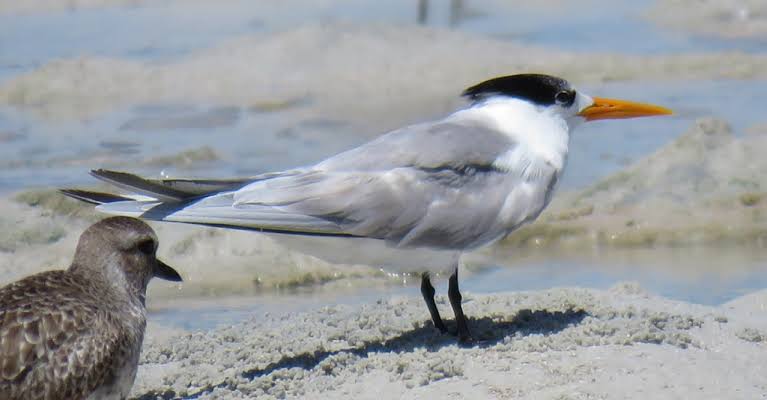
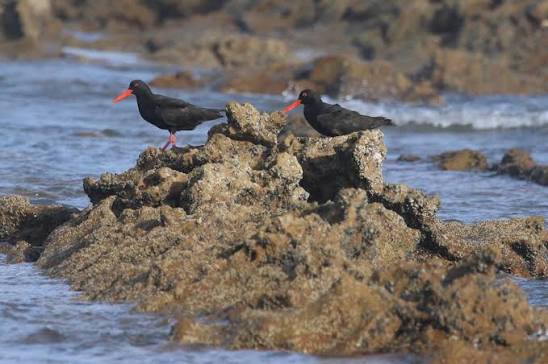
Out islands and rocks are places where seabirds rest and build nests. Terns and gulls can gather in groups especially where food is easy to find. Watching these birds move between the sea and the land shows how connected the ocean and the land are.
Migratory Birds Make the Coast Come Alive
One of the exciting parts of bird watching along the coast is when migratory birds arrive. Birds like curlew sandpipers, little stints, common sandpipers, greenshanks and different kinds of plovers can travel long distances before they get to East Africa. Some arrive tired. Start eating right away getting the energy they need for the next part of their journey.
These yearly trips are some of the amazing movements, in nature. A small bird standing quietly on the beach may have crossed countries and survived tough weather to get to the coast. Seeing this bird in its home for that time of year makes a simple beach feel more special.
The best experience is to watch without rushing. Let the birds be watch how they eat and learn to tell the birds. When you know the shapes the bills, the legs the sounds and the way they move bird watching along the coast becomes more fun.
Kenyas Coast: A Rich Starting Point
Kenyas Indian Ocean coastline is a place to search for shorebirds and seabirds. The area around Mombasa, Watamu, Malindi and Lamu brings together beaches, mangroves, coral reefs, tidal flats and coastal woodland. This mix of habitats makes the region especially rich for birdlife.
Watamu stands out because of its range of coastal environments. You can find beaches, creeks, mangroves and protected areas all in one place. Early morning visits often bring numbers of waders along the shoreline. As the tide shifts birds move between feeding zones and safe resting spots.
The Sabaki River estuary near Malindi is another spot. Where river water meets the ocean, mudflats and shallow zones form. These areas draw waterbirds. Estuaries are great to visit because bird behavior changes quickly with the tide.
Lamu offers a kind of experience. Traditional towns, mangrove channels, small islands and quiet beaches allow you to enjoy both culture and birdwatching. A boat ride through mangroves can show you herons, kingfishers, waders and other coastal birds. It also gives you a look at how this ecosystem depends on the tides.
What You Can Expect to See
Depending on the location and the season coastal Kenya can bring sightings of sand plovers, lesser sand plovers, whimbrels, greenshanks, common sandpipers ruddy turnstones, curlew sandpipers and several tern species. Gulls and other coastal birds are often present too.
You should not expect to see every species on your list. Variety is the key. Weather and tides affect bird activity so some days will be better than others. The real joy comes from knowing the area and understanding where to look.
Tanzanias Shoreline and Islands
Tanzanias coastline runs for hundreds of kilometres. Some of the memorable birding happens around Dar es Salaam, Saadani, Pangani, Tanga and the islands of Zanzibar and Pemba. These places mix beaches with mangroves, tidal creeks, coastal forests and offshore areas.
Saadani National Park is special because it brings together savanna landscapes in one protected area. You can spend time watching wildlife and then move to the coast to search for waders and seabirds. Few places show the link between land and sea clearly as this one.
The wetlands and coastal zones near Dar es Salaam can also be productive. Though the city is busy nearby quieter areas support a range of waterbirds. Local knowledge helps here. The best spots can change with tides and seasons.
Zanzibar is another choice. The island is famous for beaches and culture. Its wetlands, mangroves, saltpans and coastal forests host many birds. Coastal East Africa: Shorebirds and Seabirds Worth the Detour becomes more appealing when you realize that a beach holiday can also be a wildlife adventure.
Mozambique and the Wider Indian Ocean Coast
Mozambique’s long coastline offers potential for coastal birding. Large beaches, mangroves, estuaries, lagoons, offshore islands and coastal wetlands create homes for bird species.
In parts of the coast the environment stays quiet. That lets you enjoy birds without the crowds in famous inland wildlife areas. At estuaries and tidal flats you might see mixed groups of waders feeding together. Offshore islands attract terns, gulls and other seabirds.
The southern and central coastlines are especially rewarding for those who want to mix birding with ocean experiences. You could start the day walking a beach explore mangroves in the middle of the day and end with seabirds offshore in the afternoon.
The Importance of Timing the Tides
Tide charts are one of the helpful tools for coastal birding. At tide, mudflats and sandbanks appear. This gives waders plenty of space to feed. As the tide comes in birds may move to ground or known resting areas.
This means a spot that looks empty now might be full in an hour. Before going to an area check the tide times and plan your visit, around them. Early morning low tides are often the best. The air is cooler and birds are usually active.
Patience is also important. Shorebirds can stay still for periods before suddenly taking off or feeding. Terns might disappear over the horizon. Then return quickly to the same beach. Give yourself time to notice these patterns.
How to Make the Most of a Coastal Birding Detour
You do not need tools to get started. A good pair of binoculars is the important thing you can have. A field guide or a birding app helps with identifying birds. If you are going to open mudflats a lightweight telescope can be useful. Birds there may be far away for regular binoculars.
Comfortable footwear matters because coastal areas often have sand, ground or muddy spots. Bring sun protection, plenty of water and insect repellent. These make hours of watching birds much easier and more enjoyable.
The important rule is to respect the birds. Do not walk toward feeding groups or nesting areas. Stay at a distance from birds that are resting. Coastal places can be very fragile especially when birds are raising their young. Always follow advice and avoid getting too close just to see better.
A local naturalist can greatly improve your trip. Someone who knows the coast well can point out the tidal zones explain what the birds are doing and help tell apart species that might look similar to a visitor. Their knowledge can save time. Lead to better sightings.
A Side of East Africa
The real charm of Coastal East Africa: Shorebirds and Seabirds Worth the Detour lies in the change it brings. Inland safaris teach you to focus on open spaces and big animals. Coastal birding asks you to notice details—the movement in the sand footprints near tide pools calls from mangroves and birds flying far out over the water.
The experience can feel surprisingly calm. You might stand on a beach as the tide goes out. What was hidden moments before now appears—feeding grounds revealed. A group of wading birds moves together turning like one unit when something startles them. A tern dives into the waves. Comes up again with a fish. Nearby a heron waits quietly in water.
These moments show that nature does not always need action or drama to leave an impression. Sometimes the meaningful sight is watching a small bird doing its ancient journey year after year.
For a traveller planning a safari in East Africa, Coastal East Africa: Shorebirds and Seabirds Worth the Detour adds an ending. You can combine visits with Kenya’s savannas, Tanzania’s parks Uganda’s forests and wetlands or other nearby spots. This makes your trip richer showing more than the usual wildlife scenes.





No comment