
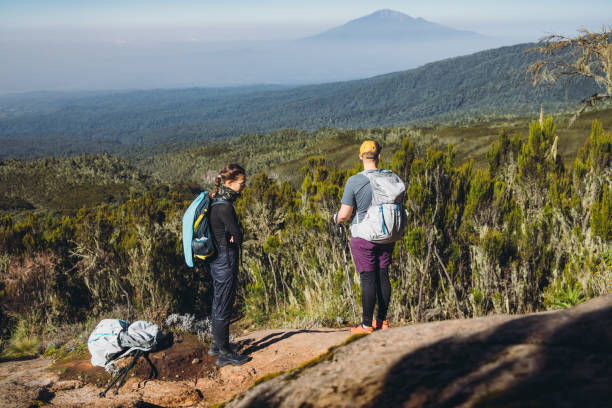
Choosing a Kilimanjaro Route: Lemosho, Machame, Marangu and Rongai Compared
Choosing a Kilimanjaro route is one of the most important decisions when planning to climb Africa’s highest mountain. Mount Kilimanjaro rises 5,895 metres above sea level in northern Tanzania, attracting trekkers from around the world who dream of reaching Uhuru Peak.
Four popular climbing routes are Lemosho, Machame, Marangu and Rongai. Each offers different scenery, walking conditions, accommodation and opportunities for altitude acclimatisation.
While some routes pass through beautiful rainforest and volcanic landscapes, others provide quieter trails or overnight stays in mountain huts.
Understanding these differences helps travellers choose a route that matches their fitness, available time, budget and climbing experience.
Understanding Mount Kilimanjaro
Mount Kilimanjaro is Africa’s highest mountain and one of the world’s most famous trekking destinations.
Its summit, Uhuru Peak, stands at 5,895 metres on the Kibo volcanic cone.
Climbers travel through several ecological zones, from tropical rainforest to alpine desert and the cold summit environment.
Unlike technical mountaineering expeditions, the main trekking routes do not normally require ropes or specialist climbing techniques. However, the altitude, cold temperatures and demanding walking distances make the journey challenging.
Kilimanjaro Routes Compared
The four routes differ considerably in duration and trekking experience.
| Route | Recommended duration | Accommodation | Main advantage |
|---|---|---|---|
| Lemosho | 7–8 days | Camping | Excellent scenery and acclimatisation |
| Machame | 7 days | Camping | Varied landscapes |
| Marangu | 6 days | Mountain huts | Permanent accommodation |
| Rongai | 7 days | Camping | Quieter northern approach |
Longer itineraries generally provide more opportunities to adjust to altitude, although no route guarantees reaching the summit.
Lemosho Route: Best for Scenery and Acclimatisation
The Lemosho Route approaches Kilimanjaro from the western side.
It begins in a relatively remote rainforest environment before crossing the spectacular Shira Plateau.
Lemosho is particularly popular among travellers who want a gradual introduction to the mountain.
Why Choose Lemosho?
The route provides excellent landscape variety, from dense forest to open volcanic terrain.
Its longer itinerary allows additional time for acclimatisation.
The opening stages are often quieter than those on Machame.
However, Lemosho eventually joins busier southern trails.
Typical Lemosho Itinerary
| Day | Main destination |
|---|---|
| 1 | Lemosho Gate to Mti Mkubwa |
| 2 | Shira 1 Camp |
| 3 | Shira 2 Camp |
| 4 | Barranco Camp via Lava Tower |
| 5 | Karanga Camp |
| 6 | Barafu Camp |
| 7 | Uhuru Peak and descent |
| 8 | Mweka Gate |
This eight-day schedule is particularly attractive for climbers prioritising acclimatisation.
Machame Route: Best for Varied Landscapes
The Machame Route, commonly called the Whiskey Route, approaches Kilimanjaro from the southwest.
It is famous for dramatic scenery and a demanding but rewarding trekking experience.
What Makes Machame Special?
Climbers pass through rainforest, moorland, rocky valleys and alpine desert.
The route includes well-known landmarks such as Lava Tower and Barranco Wall.
Its itinerary incorporates opportunities to climb higher during the day before sleeping at lower elevations.
This approach can support acclimatisation.
The Barranco Wall
Barranco Wall is one of Machame’s most memorable sections.
The steep rocky ascent requires careful footing and occasional use of hands for balance.
It is generally considered a scrambling section rather than technical rock climbing.
Travellers uncomfortable with heights should discuss this section with their operator.
Marangu Route: Best for Mountain Huts
Marangu is commonly known as the Coca-Cola Route.
It approaches Kilimanjaro from the southeastern side and is the only major route offering permanent mountain-hut accommodation.
Why Choose Marangu?
The route provides sleeping facilities in shared huts rather than tents.
This appeals to travellers who prefer a roof overhead.
Marangu also follows an established trail with relatively gradual gradients during its earlier stages.
However, the final summit ascent remains extremely demanding.
Typical Marangu Itinerary
| Day | Main destination |
|---|---|
| 1 | Mandara Hut |
| 2 | Horombo Hut |
| 3 | Acclimatisation at Horombo |
| 4 | Kibo Hut |
| 5 | Uhuru Peak and Horombo |
| 6 | Marangu Gate |
Five-day itineraries exist, but adding an acclimatisation day is strongly advisable.
Rongai Route: Best for Quieter Trails
The Rongai Route approaches Kilimanjaro from the northern side near the Kenyan border.
It is generally quieter than the popular southern routes.
Its landscape includes open woodland, moorland and impressive views towards Mawenzi Peak.
Why Choose Rongai?
The northern approach often experiences less rainfall than Kilimanjaro’s southern slopes.
This can make Rongai attractive during wetter periods.
The route also provides a different perspective of the mountain.
However, some itineraries offer fewer natural climb-high, sleep-low opportunities.
A seven-day schedule is preferable to a rushed ascent.
Which Route Is Easiest?
Marangu has relatively gentle gradients during some early stages.
Rongai also offers a generally steady approach.
However, neither route should be described as easy.
Understanding Difficulty
| Route | Physical challenge |
|---|---|
| Lemosho | Moderate to challenging |
| Machame | Challenging |
| Marangu | Moderate to challenging |
| Rongai | Moderate to challenging |
All routes involve prolonged trekking, thin air and a demanding summit attempt.
The easiest-looking trail is not necessarily the safest route for acclimatisation.
Which Route Has the Best Summit Success?
Summit success depends on fitness, acclimatisation, weather, health and itinerary length.
Reliable, directly comparable route-specific success statistics are limited.
Operators sometimes advertise impressive percentages without explaining how they calculate them.
Improving Summit Chances
Choose a longer itinerary.
Ascend gradually.
Follow your guide’s walking pace.
Eat and drink adequately.
Report altitude-related symptoms promptly.
Allowing sufficient acclimatisation time is generally more important than choosing the shortest route.
Understanding Altitude Sickness
Altitude sickness is among the most serious considerations when climbing Kilimanjaro.
As elevation increases, the amount of oxygen available with each breath decreases.
Some climbers develop headaches, nausea, dizziness or unusual fatigue.
Important Warning Signs
Persistent headaches, vomiting and poor coordination require immediate attention.
Confusion, difficulty walking, breathlessness at rest or severe weakness may indicate life-threatening altitude illness.
Suspected severe altitude illness requires immediate descent and urgent medical assistance.
Never continue climbing simply to achieve a summit goal.
Camping Versus Mountain Huts
Accommodation is another important difference between the routes.
Accommodation Comparison
| Feature | Camping routes | Marangu huts |
|---|---|---|
| Sleeping | Tents | Shared dormitories |
| Bedding | Sleeping bag and mat | Sleeping bag and hut mattress |
| Privacy | Depends on tent arrangement | Generally limited |
| Weather protection | Quality mountain tents | Permanent structures |
| Toilets | Camp facilities | Shared facilities |
Comfort varies depending on the operator and accommodation standards.
Best Time to Climb Kilimanjaro
Kilimanjaro can be climbed throughout the year.
However, certain periods generally offer more favourable trekking conditions.
January to early March and June to October are commonly preferred.
Seasonal Climbing Guide
| Period | General conditions |
|---|---|
| January–March | Often relatively dry |
| April–May | Increased rainfall |
| June–October | Generally popular climbing period |
| November–December | Variable rainfall |
Weather can change rapidly, particularly at higher elevations.
How Much Does Climbing Kilimanjaro Cost?
Climbing costs depend on route duration, group size, park charges and operator standards.
Indicative Trekking Costs
| Route | Broad planning range per person |
|---|---|
| Lemosho | USD 2,200–3,500+ |
| Machame | USD 1,900–3,000+ |
| Marangu | USD 1,700–2,700+ |
| Rongai | USD 2,000–3,200+ |
These figures are indicative package estimates, not fixed prices.
Flights, equipment, insurance, tips and accommodation outside the climb may cost extra.
Choosing a Responsible Operator
All Kilimanjaro climbs must be arranged through licensed operators.
A responsible company provides qualified guides, suitable equipment and clear emergency procedures.
Before Booking
Ask whether the operator provides daily health checks.
Confirm emergency oxygen and evacuation arrangements.
Check porter welfare standards.
Review the complete itinerary.
Understand cancellation conditions.
Avoid choosing operators solely because they offer the lowest price.
Preparing Physically for Kilimanjaro
Climbing Kilimanjaro requires endurance rather than technical mountaineering experience.
Preparation should begin several months before departure.
Recommended Training
Regular hill walking helps build stamina.
Stair climbing strengthens leg muscles.
Long walks carrying a daypack improve endurance.
Strength exercises help prepare knees and lower-body muscles.
Previous hiking experience can increase confidence on steep terrain.
Fitness improves resilience but does not prevent altitude sickness.
Essential Kilimanjaro Equipment
Proper equipment is particularly important because temperatures change dramatically with altitude.
Packing Checklist
| Equipment | Purpose |
|---|---|
| Hiking boots | Foot support |
| Thermal clothing | Cold protection |
| Waterproof jacket | Rain and wind protection |
| Insulated jacket | Summit warmth |
| Sleeping bag | Overnight insulation |
| Head torch | Night summit attempt |
| Trekking poles | Balance and joint support |
| Daypack | Carrying essentials |
Confirm the operator’s equipment list before travelling.
Getting to Mount Kilimanjaro
Most international climbers arrive through Kilimanjaro International Airport.
Moshi is a popular base for trekking preparations.
Arusha is another convenient starting point.
Before Your Climb
Arrive at least one day before trekking begins.
Check equipment and meet your guide.
Review the itinerary and safety procedures.
Avoid rushing directly from a long international flight onto the mountain.
Which Kilimanjaro Route Should You Choose?
The best route depends on your priorities.
Choose Lemosho if you value scenery, a relatively gradual ascent and an eight-day itinerary.
Choose Machame if you enjoy varied landscapes and want an adventurous seven-day trek.
Choose Marangu if mountain-hut accommodation is your main priority.
Choose Rongai if you prefer quieter trails and a northern approach.
For many first-time climbers with sufficient time, eight-day Lemosho offers an appealing combination of scenery and acclimatisation.
Choosing the right Kilimanjaro route requires balancing comfort, physical ability, available time and mountain safety.
Lemosho provides beautiful landscapes and a longer acclimatisation schedule. Machame delivers a dramatic trekking experience. Marangu offers permanent huts, while Rongai provides quieter northern scenery.
Whichever route you select, proper preparation and responsible guiding remain essential.
Reaching Uhuru Peak is a remarkable achievement, but a safe and enjoyable mountain journey should always be the highest priority.


No comment