
Maasai Beadwork: What Colours and Patterns Mean
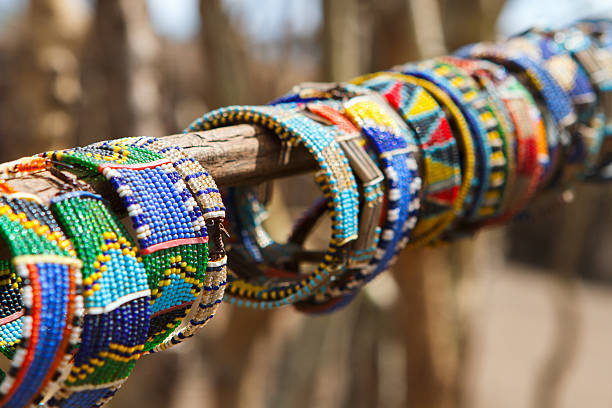
Maasai beadwork colours and patterns represent one of East Africa’s most recognisable cultural traditions. Across northern Tanzania and southern Kenya, Maasai communities create colourful necklaces, bracelets, earrings and ceremonial ornaments that express identity, beauty, relationships and important stages of life.
These intricate decorations are more than attractive jewellery. Their colours are commonly associated with courage, peace, hospitality, land, livestock and community relationships.
For generations, Maasai women have developed beadwork skills and passed them to younger family members. Today, the craft remains an important form of cultural expression while providing income for many women and their households.
Understanding the meaning behind Maasai beadwork helps travellers appreciate the artistry, traditions and personal stories represented by these handmade creations.
Who Are the Maasai People?
The Maasai are a Nilotic-speaking people whose communities live mainly in northern Tanzania and southern Kenya.
They are particularly associated with areas surrounding the Serengeti, Ngorongoro, Amboseli and Maasai Mara.
Cattle have traditionally played an important economic, social and cultural role in Maasai life.
Their clothing, ceremonies, songs and beadwork reflect a rich cultural heritage that continues to develop.
Quick Facts About Maasai Beadwork
| Feature | Description |
|---|---|
| Cultural origin | Maasai communities |
| Main countries | Tanzania and Kenya |
| Traditional makers | Primarily women |
| Main materials | Glass beads, thread, wire and leather |
| Common products | Necklaces, bracelets and earrings |
| Cultural importance | Identity, ceremonies and relationships |
| Popular colours | Red, blue, white, green and black |
| Modern importance | Cultural expression and livelihoods |
Why Is Maasai Beadwork Important?
Beadwork communicates social and cultural information.
Certain ornaments may reflect a person’s age group, ceremonial role, relationships or community background.
Elaborate jewellery is also worn during celebrations and important family occasions.
However, there is no single universal code that applies to every Maasai community. Meanings vary with location, occasion and the person creating the design.
The Meaning of Maasai Bead Colours
Different bead colours have widely recognised cultural associations.
These interpretations often reflect the natural environment, livestock and relationships within Maasai communities.
Maasai Bead Colour Meanings
| Colour | Common symbolic meaning |
|---|---|
| Red | Bravery, strength and unity |
| Blue | Sky, rain and water |
| White | Peace, purity and health |
| Green | Land, grass and growth |
| Yellow | Hospitality and warmth |
| Orange | Friendship and hospitality |
| Black | People, hardship and endurance |
These meanings are helpful introductions rather than fixed rules for interpreting every ornament.
Red Beads: Bravery and Unity
Red is among the most recognisable colours in Maasai clothing and jewellery.
It is commonly associated with bravery, strength and unity.
The colour also relates to blood, which carries traditional cultural significance in ceremonies and pastoral life.
Why Is Red So Common?
Bright red fabric and beadwork create a distinctive appearance during celebrations.
The colour is strongly connected with Maasai identity.
Visitors frequently encounter red necklaces, bracelets and traditional clothing during cultural visits.
Blue Beads: Sky and Water
Blue represents the sky and the water that sustains people, livestock and vegetation.
Rainfall is especially important in pastoral communities where cattle depend on healthy grazing areas.
Understanding Its Importance
Water supports human life and livestock.
The sky is closely associated with rainfall and environmental well-being.
Blue beads therefore carry connections with nourishment, energy and prosperity.
Some interpretations also associate blue with hospitality.
White Beads: Peace and Health
White is commonly associated with peace, purity and good health.
Its symbolism is closely connected with milk, an important traditional food among Maasai pastoral communities.
Why Milk Matters
Milk has long played a significant role in Maasai diets and cultural traditions.
Its nourishing qualities help explain the connection between white beads and health.
White is also used to create beautiful contrasts with darker colours.
Green Beads: Land and Growth
Green represents vegetation, the natural environment and the productive land.
For pastoral communities, healthy grass supports cattle and other livestock.
Connection With Nature
Green beads may symbolise growth, health and the importance of grazing landscapes.
Their meaning reflects the close relationship between Maasai communities and their surrounding environment.
The colour also appears in contemporary jewellery designs created for visitors.
Yellow and Orange: Hospitality
Yellow and orange are frequently associated with friendliness, warmth and hospitality.
Traditional explanations connect these colours with materials used when welcoming guests.
The Importance of Hospitality
Visitors have an important place in many Maasai social traditions.
Sharing food and offering a welcome can strengthen relationships.
Yellow and orange decorations may reflect these values.
However, their exact interpretation can differ between communities.
Black Beads: People and Endurance
Black is commonly associated with Maasai people and their ability to endure difficult circumstances.
It may represent hardship, resilience and community identity.
Why Black Matters
Life in pastoral environments can involve drought, changing grazing conditions and other challenges.
Black symbolises strength through adversity in many contemporary explanations.
In jewellery, it also creates strong visual contrasts with brighter beads.
What Do Maasai Bead Patterns Mean?
The meaning of beadwork extends beyond individual colours.
Patterns, shapes, arrangements and ornament styles may communicate additional information.
Common Design Features
| Design | Cultural or artistic role |
|---|---|
| Circular arrangements | Common necklace construction |
| Repeating colour bands | Rhythm and visual balance |
| Geometric patterns | Decorative and cultural expression |
| Contrasting colours | Visual emphasis |
| Large ceremonial collars | Special occasions |
| Layered necklaces | Personal and ceremonial adornment |
A particular pattern should not automatically be assigned one meaning without asking its maker.
Circular Maasai Necklaces
Large circular necklaces are among the most recognisable Maasai ornaments.
They are frequently worn during ceremonies, dancing and celebrations.
Why Are They Circular?
Their construction allows beads to form broad decorative arrangements around the neck and shoulders.
During dancing, the necklaces may move with the wearer’s body.
Their colours, size and arrangement can reflect personal style and ceremonial traditions.
Maasai Beadwork and Marriage
Beadwork often plays an important role in wedding celebrations.
Female relatives and community members may help prepare elaborate jewellery for a bride.
Bridal Jewellery
A bride may wear several layers of necklaces and other ornaments.
Some pieces are created specifically for the ceremony.
Others may be gifts from family members.
These decorations express family relationships and the significance of the occasion.
Beadwork and Age Groups
Age-set organisation is an important feature of traditional Maasai society.
Certain clothing and ornament styles may be associated with different life stages.
Ceremonial Identity
Young people, warriors and elders may wear different forms of decoration during particular ceremonies.
However, styles vary between communities and have changed over time.
Visitors should avoid assuming someone’s age, marital status or social position from jewellery alone.
How Maasai Beadwork Is Made
Maasai beadwork requires patience, concentration and practical artistic skills.
Craftswomen arrange beads into carefully planned colour combinations and shapes.
Traditional Materials
Historically, ornaments could include seeds, shells, bone, clay and other locally available materials.
Imported glass beads later became increasingly important.
Modern artisans also use wire, leather, thread and contemporary fittings.
The materials change, but handmade techniques remain central to the craft.
Maasai Women and Beadwork Traditions
Women play a particularly important role in creating Maasai beadwork.
Skills are frequently shared between mothers, daughters, grandmothers and other community members.
Learning the Craft
Younger women may begin by observing experienced makers.
They gradually learn to select colours, arrange patterns and construct different ornaments.
Beadwork sessions can also create opportunities for conversation and community relationships.
Beadwork as a Source of Income
Today, handmade jewellery provides an important livelihood for many Maasai women.
Women’s groups and cooperatives produce items for local markets and international customers.
Economic Benefits
| Activity | Possible benefit |
|---|---|
| Jewellery sales | Household income |
| Women’s cooperatives | Shared business opportunities |
| Cultural workshops | Visitor education |
| Direct purchases | Income for artisans |
| Craft training | Preservation of skills |
Fair payment helps support artisans while encouraging the continuation of traditional craftsmanship.
Where Can Travellers Experience Maasai Beadwork?
Visitors can learn about beadwork during responsible cultural experiences in northern Tanzania and southern Kenya.
Popular regions include communities around Arusha, Ngorongoro, Amboseli and the Maasai Mara.
Cultural Visit Experiences
Travellers may observe beadwork demonstrations, meet artisans and purchase handmade jewellery.
Some community programmes also offer practical workshops.
Visitors should choose experiences organised with community consent and meaningful local participation.
Buying Authentic Maasai Beadwork
Handmade jewellery is widely available at cultural markets, craft centres and tourism shops.
However, not every Maasai-style product is made by Maasai artisans.
Shopping Tips
Ask who created the jewellery.
Support community-owned businesses.
Examine the quality of the beadwork.
Compare prices respectfully.
Avoid aggressive bargaining over handmade products.
Buying directly from artisans often provides greater insight into the cultural meaning of each piece.
How Much Does Maasai Beadwork Cost?
Prices depend on the size, materials and complexity of the design.
Small bracelets are generally less expensive than elaborate ceremonial necklaces.
Factors Affecting Prices
| Factor | Influence |
|---|---|
| Size | Larger pieces require more materials |
| Design complexity | Intricate patterns take longer |
| Materials | Quality affects production costs |
| Handmade labour | Detailed work requires time |
| Sales location | Markets and shops may differ |
Ask for the price before purchasing and remember that handmade craftsmanship deserves fair compensation.
Respecting Maasai Cultural Traditions
Visitors should approach Maasai beadwork with curiosity and respect.
Jewellery may carry personal or ceremonial meaning.
Responsible Cultural Tourism
Ask before photographing people.
Avoid touching jewellery without permission.
Respect private ceremonies.
Listen to explanations from community members.
Do not treat cultural clothing as entertainment.
Supporting ethical tourism helps preserve living traditions.
Why Maasai Beadwork Matters Today
Maasai beadwork continues to connect artistic creativity with cultural identity.
Its colours reflect widely recognised associations with bravery, peace, hospitality and nature.
Its patterns demonstrate skilled craftsmanship and changing design traditions.
For travellers exploring Tanzania or Kenya, understanding Maasai beadwork provides an opportunity to appreciate the people behind these beautiful ornaments.
Every handmade piece represents time, knowledge and creativity, making beadwork an important part of East Africa’s living cultural heritage.




No comment