
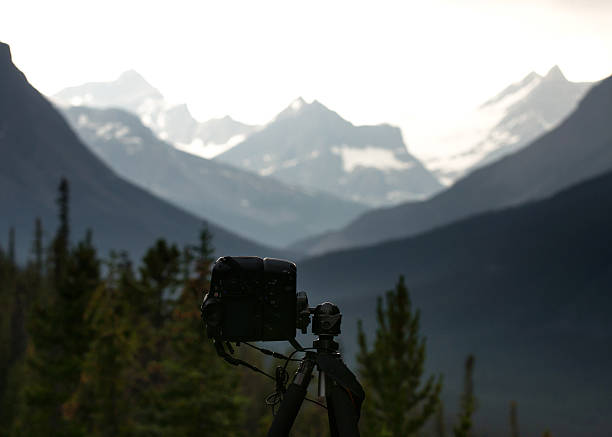
Binoculars and Camera Together: Dividing Your Attention on a Game Drive
Using binoculars and a camera together on safari is one of the most practical ways to enjoy wildlife viewing and photography during game drives in Uganda, Kenya, Tanzania and Rwanda. African safaris provide remarkable opportunities to observe lions, elephants, leopards, giraffes, buffaloes, birds and many other animals in their natural habitats.
However, travellers often face an unexpected challenge: deciding whether to watch wildlife through binoculars or concentrate on taking photographs.
A camera allows visitors to preserve memorable moments, while binoculars provide a closer view of distant animals without requiring a photograph.
Constantly switching between the two can become frustrating, especially when animals move quickly or disappear into vegetation.
Some travellers spend so much time adjusting camera settings that they miss interesting behaviour. Others struggle to locate animals through long telephoto lenses when a simple pair of binoculars would make observation easier.
The best approach is to use both tools strategically rather than attempting to photograph every wildlife encounter.
This guide explains how to balance binocular use and photography, choose suitable equipment and enjoy East African game drives without missing important moments.
Why Carry Both Binoculars and a Camera?
Binoculars and cameras perform different functions during wildlife viewing.
Binoculars help visitors observe animals, identify details and study behaviour.
Cameras record selected moments for future enjoyment.
Main Differences
| Feature | Binoculars | Camera |
|---|---|---|
| Primary purpose | Wildlife observation | Capturing photographs |
| Viewing experience | Direct visual observation | Screen or viewfinder |
| Animal identification | Excellent | Depends on equipment |
| Recording memories | No | Yes |
| Watching movement | Convenient | Depends on framing |
| Battery requirements | Usually none | Usually required |
| Sharing experiences | Verbal description | Images and videos |
Both tools complement each other when used thoughtfully.
Why Binoculars Matter on African Safaris
Not every animal appears close to a safari vehicle.
Leopards may rest in distant trees, lions can lie beneath bushes, and antelopes may graze across open plains.
Binoculars help visitors examine these animals without disturbing them.
Common Binocular Uses
Observing distant wildlife.
Identifying bird species.
Watching animal behaviour.
Checking details such as horns and markings.
Following moving animals across landscapes.
Enjoying sightings without taking photographs.
For travellers primarily interested in observing wildlife, binoculars may provide more immediate enjoyment than a camera.
What Makes a Camera Useful on Game Drives?
Cameras allow travellers to preserve wildlife encounters and create visual records of their journeys.
A well-timed photograph can capture an elephant crossing the road or a lion interacting with its cubs.
Camera Advantages
| Advantage | Practical benefit |
|---|---|
| Photography | Preserves memories |
| Video recording | Captures movement |
| Telephoto lenses | Records distant animals |
| Image review | Allows later identification |
| Creative composition | Produces engaging images |
| Digital storage | Organises experiences |
However, photography requires attention to focus, exposure, composition and timing.
This can occasionally distract from simply observing wildlife.
Binoculars vs Camera: Which Should You Use First?
For many wildlife encounters, binoculars are the best starting point.
They allow quick observation before deciding whether a photograph is worthwhile.
Recommended Viewing Sequence
Locate the animal with your eyes.
Observe it briefly without equipment.
Use binoculars to examine distant details.
Identify interesting behaviour.
Decide whether the moment deserves a photograph.
Prepare the camera without rushing.
Return to watching when photography is complete.
This sequence reduces unnecessary camera adjustments and improves the overall viewing experience.
Understanding Binocular Magnification
Binoculars are commonly described using two numbers, such as 8×42 or 10×42.
The first number indicates magnification.
The second describes the diameter of the objective lenses in millimetres.
Common Safari Binocular Options
| Binocular specification | Main advantage |
|---|---|
| 8×32 | Lightweight and compact |
| 8×42 | Balanced magnification and brightness |
| 10×42 | Greater magnification |
| 10×50 | Larger objective lenses |
| 12×50 | Strong magnification but harder to hold steadily |
For most safari travellers, 8×42 or 10×42 binoculars offer a practical balance between usability and performance.
Why 8×42 Binoculars Are Popular
Eight-times magnification makes distant animals appear approximately eight times larger in angular size.
This is often sufficient for general wildlife viewing.
Advantages of 8×42 Binoculars
A relatively wide field of view.
Easier tracking of moving animals.
Less visible hand movement than stronger magnification.
Useful performance in moderate light.
Comfortable observation during long game drives.
These characteristics make them especially convenient for beginners.
Are 10×42 Binoculars Better for Safari?
Ten-times magnification can help visitors examine more distant animals.
However, stronger magnification also makes hand movement more noticeable.
8×42 vs 10×42 Comparison
| Feature | 8×42 | 10×42 |
|---|---|---|
| Magnification | 8× | 10× |
| Field of view | Often wider | Often narrower |
| Image steadiness | Easier | More demanding |
| Distant detail | Good | Greater potential |
| Moving wildlife | Easier to follow | Requires practice |
| Beginner suitability | Excellent | Good |
Neither option is universally superior.
The best choice depends on viewing preferences and comfort.
Why Cameras Sometimes Make Wildlife Harder to Find
A camera fitted with a long telephoto lens shows a narrow section of the landscape.
This makes distant animals appear larger but can make them harder to locate.
For example, a leopard visible near a distinctive tree may be difficult to find through a 400 mm lens.
A Better Technique
Locate the leopard with your unaided eyes.
Observe its position relative to the tree.
Use binoculars if necessary.
Lower the binoculars.
Aim the camera towards the same landmark.
Bring the animal into the viewfinder.
This technique is often faster than searching randomly through a long lens.
Dividing Attention During Big Cat Sightings
Lions, leopards and cheetahs are among the most exciting animals to observe during African safaris.
However, their behaviour can change quickly.
Big Cat Viewing Strategy
| Situation | Recommended approach |
|---|---|
| Lion resting | Observe first |
| Leopard in a distant tree | Use binoculars |
| Cheetah walking | Prepare camera |
| Lions interacting | Photograph selectively |
| Predator hunting | Follow guide instructions |
| Animal showing distress | Stop photographing |
Do not spend the entire encounter looking at a camera screen.
Watching an animal directly can be equally rewarding.
Using Binoculars During Elephant Encounters
Elephants offer interesting opportunities to observe social behaviour.
Travellers may notice family relationships, feeding patterns and interactions between adults and calves.
Binoculars help reveal subtle movements, especially when herds are distant.
A camera is useful for capturing selected moments, such as elephants crossing a road or gathering around water.
However, always follow your guide’s instructions and maintain appropriate distance.
Binoculars for Birdwatching on Safari
Birdwatching is one activity where binoculars are particularly valuable.
East Africa contains a remarkable variety of bird species.
Small birds can be difficult to identify using ordinary camera equipment.
Birdwatching Equipment Comparison
| Activity | Most useful equipment |
|---|---|
| Locating a bird | Binoculars |
| Studying markings | Binoculars |
| Identifying distant birds | Binoculars or spotting scope |
| Capturing feather detail | Telephoto camera |
| Recording flight behaviour | Camera with suitable autofocus |
| General observation | Binoculars |
Bird enthusiasts often spend more time using binoculars than taking photographs.
Photography and Viewing in Uganda
Uganda’s Queen Elizabeth, Murchison Falls, Lake Mburo and Kidepo Valley national parks offer varied wildlife environments.
Some animals appear in open grassland, while others occupy woodland or river habitats.
Uganda Game Drive Equipment
| Destination | Viewing consideration |
|---|---|
| Queen Elizabeth | Lions, elephants and antelopes |
| Murchison Falls | River wildlife and savannah animals |
| Lake Mburo | Zebras, antelopes and birds |
| Kidepo Valley | Open landscapes and distant wildlife |
Binoculars are particularly helpful for studying birds and distant mammals.
Wildlife Viewing in Kenya
Kenya’s Maasai Mara, Amboseli and Samburu offer extensive game-drive opportunities.
The open landscapes of the Maasai Mara make binoculars useful for locating animals across grassland.
Amboseli provides opportunities to photograph elephants against impressive scenery.
Kenya Safari Tip
Use binoculars to locate wildlife first, then select a suitable camera lens.
This prevents repeated equipment changes and helps photographers concentrate on worthwhile subjects.
Wildlife Viewing in Tanzania
Tanzania’s Serengeti, Tarangire and Ngorongoro offer exceptional wildlife viewing.
Large animal herds may be visible across wide landscapes.
Tanzania Equipment Considerations
Binoculars help identify distant wildlife.
Cameras capture migration and predator activity.
Wide lenses record landscapes.
Telephoto lenses isolate individual animals.
Travellers should balance photography with direct observation rather than recording every moment.
Binoculars and Cameras in Rwanda
Rwanda’s Akagera National Park offers traditional savannah game drives.
Binoculars are useful for viewing birds, antelopes and other distant wildlife.
During gorilla trekking in Volcanoes National Park, binoculars are generally less important because encounters take place in forest conditions under ranger supervision.
A manageable camera setup is usually more practical than carrying unnecessary equipment.
How to Keep Both Devices Accessible
Switching between binoculars and a camera becomes easier when both are carried comfortably.
Useful Carrying Accessories
| Accessory | Purpose |
|---|---|
| Binocular harness | Distributes weight |
| Camera strap | Keeps camera accessible |
| Padded camera bag | Protects equipment |
| Lens cloth | Removes dust |
| Protective covers | Reduces rain exposure |
| Small equipment pouch | Organises accessories |
Avoid carrying several loose straps that may become tangled.
Should You Share Binoculars?
Sharing binoculars can improve group wildlife viewing, particularly when some passengers have no optical equipment.
However, frequent sharing may cause visitors to miss brief encounters.
Practical Sharing Tips
Carry personal binoculars when possible.
Adjust the eyepieces for each user.
Pass equipment carefully.
Use secure neck straps.
Clean eyepieces appropriately.
Encourage children to handle binoculars under supervision.
For serious birdwatching trips, individual binoculars are especially useful.
Managing Equipment During Open-Vehicle Drives
Safari vehicles may travel along uneven roads.
Loose cameras and binoculars can fall or become damaged.
Equipment Safety
Keep camera straps secured.
Avoid placing equipment near open edges.
Protect lenses from dust.
Do not change lenses unnecessarily during windy conditions.
Store unused equipment safely.
Never lean outside the vehicle to improve a photograph.
Why You Should Sometimes Put the Camera Down
Wildlife encounters are about more than collecting photographs.
Watching a giraffe feeding, hearing elephants communicate or observing a lion family can be memorable without a camera.
Moments Worth Simply Watching
Animals interacting naturally.
Beautiful landscapes.
Unusual bird behaviour.
Quiet moments near water.
Wildlife encountered at unsuitable photographic angles.
Situations requiring full attention to guide instructions.
Putting the camera down occasionally can make a safari more enjoyable.
Avoiding Photography Fatigue
Photographers sometimes become frustrated when every encounter requires camera adjustments.
This can reduce enjoyment.
Preventing Photography Fatigue
Select a few priority subjects each day.
Avoid photographing every animal repeatedly.
Take breaks between sightings.
Use binoculars for relaxed observation.
Review photographs after the game drive.
Allow time to appreciate the landscape.
A balanced approach produces better memories and often stronger photographs.
Working With Your Safari Guide
Professional safari guides understand wildlife movement and can help visitors locate animals.
Tell your guide whether you are primarily interested in photography, birdwatching or general wildlife observation.
Guide Communication Tips
Ask where an animal is located.
Request a safe viewing position.
Explain when you need a moment to prepare your camera.
Respect the guide’s safety decisions.
Avoid pressuring guides to chase animals.
Cooperation improves wildlife viewing while supporting responsible tourism.
Common Mistakes Travellers Make
Some travellers bring expensive cameras but forget binoculars.
Others spend entire game drives taking photographs without observing animal behaviour.
Mistakes to Avoid
Using digital camera zoom instead of binoculars for every distant sighting.
Constantly changing camera lenses.
Keeping binoculars buried in luggage.
Carrying too much equipment.
Blocking other passengers’ views.
Ignoring wildlife behaviour.
Forgetting to enjoy the experience.
The best equipment arrangement should make wildlife observation easier, not more complicated.
Frequently Asked Questions
Do I Need Binoculars if I Have a Telephoto Camera?
Binoculars remain useful for locating animals, observing movement and identifying wildlife without using the camera.
Are 8×42 Binoculars Good for African Safaris?
Yes. They provide a practical combination of magnification, image stability and field of view.
Should I Carry Both Binoculars and a Camera on Every Game Drive?
For travellers who enjoy both observation and photography, carrying both is often worthwhile.
Can Smartphones Replace Binoculars?
Smartphones can record wildlife, but binoculars generally provide a better direct viewing experience for distant animals.
What Should Beginners Prioritise?
Comfortable binoculars, a manageable camera and time spent observing wildlife are more valuable than carrying excessive equipment.
Enjoy Wildlife, Not Just Photographs
Binoculars and cameras are complementary tools for African safari travellers.
Binoculars provide immediate access to distant wildlife behaviour, while cameras preserve selected encounters for future enjoyment.
The key is understanding when each device is most useful.
For travellers visiting Uganda, Kenya, Tanzania and Rwanda, a balanced approach allows better observation, more thoughtful photography and less frustration during game drives.
Use binoculars to discover and understand wildlife, use your camera to capture meaningful moments, and occasionally put both down to enjoy the experience directly.




No comment