
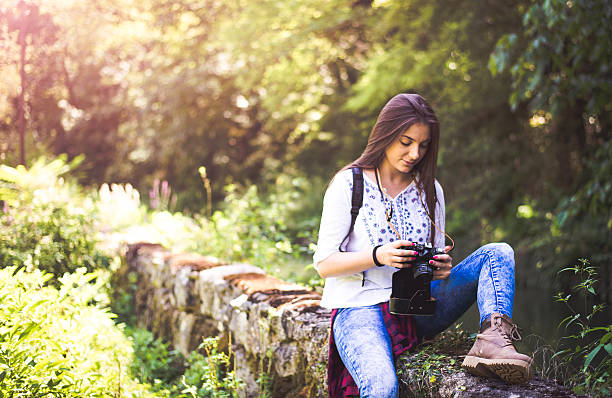
Wildlife Photography Ethics: When to Put the Camera Down
Wildlife photography ethics on African safaris is an important subject for travellers who want to capture beautiful animal photographs without disturbing wildlife or damaging natural habitats. Uganda, Kenya, Tanzania and Rwanda offer some of Africa’s most remarkable photography opportunities, from mountain gorillas in Bwindi to lions in the Maasai Mara and elephants in the Serengeti.
Modern cameras, smartphones and powerful telephoto lenses make wildlife photography more accessible than ever. Visitors can capture detailed images, record animal behaviour and share their safari experiences with people around the world.
However, getting the perfect photograph should never become more important than the welfare of an animal or the safety of other visitors.
Wild animals need space to feed, rest, reproduce, protect their young and move naturally through their habitats. Photographers who approach too closely or interfere with these activities can cause unnecessary stress.
Responsible photography sometimes means lowering your camera, moving away or deciding not to take a picture.
This guide explains the principles of ethical wildlife photography and helps safari travellers recognise when it is better to enjoy an encounter without taking photographs.
What Is Ethical Wildlife Photography?
Ethical wildlife photography involves photographing animals without unnecessarily disturbing their behaviour, threatening their safety or damaging their habitats.
It also means following conservation rules and treating other visitors and local communities respectfully.
The objective is to capture authentic wildlife moments rather than forcing animals into situations that produce attractive photographs.
Main Principles of Ethical Photography
| Principle | Meaning |
|---|---|
| Respect wildlife | Avoid unnecessary disturbance |
| Maintain distance | Give animals sufficient space |
| Follow park rules | Respect official regulations |
| Protect habitats | Avoid damaging vegetation |
| Avoid manipulation | Do not attract or provoke animals |
| Respect other visitors | Share viewing opportunities |
| Prioritise safety | Never risk lives for photographs |
An excellent wildlife photograph should tell a story without requiring the photographer to interfere with the animal.
Why Wildlife Photography Ethics Matter
Tourism can support conservation by creating employment, generating park revenue and encouraging appreciation of wildlife.
However, irresponsible photography can undermine these benefits.
Repeated disturbance may cause animals to abandon resting places, interrupt feeding or move away from important habitat areas.
Possible Effects of Disturbance
| Photographer behaviour | Possible effect on wildlife |
|---|---|
| Approaching too closely | Stress or defensive behaviour |
| Blocking an animal’s route | Restricted movement |
| Using flash near sensitive animals | Disturbance |
| Following animals repeatedly | Disruption of natural activities |
| Making loud noises | Startling wildlife |
| Leaving designated tracks | Habitat damage |
| Feeding animals | Changes in natural behaviour |
Photographers should observe how animals respond rather than assuming that a quiet animal is always comfortable.
When Should You Put the Camera Down?
There are situations where the most responsible decision is to stop photographing.
This may happen when an animal shows signs of distress, a guide asks visitors to move away or photography creates a safety risk.
Situations That Require Restraint
An animal appears frightened or defensive.
A mother is protecting her young.
Wildlife is attempting to cross a road.
A predator is actively hunting.
Photography would violate park restrictions.
An animal is injured or vulnerable.
Taking photographs would endanger another person.
Recognising these moments is an important skill for every wildlife photographer.
Recognising Signs of Animal Stress
Different species communicate discomfort in different ways.
Elephants may display defensive behaviour, while primates can react to prolonged attention or close approaches.
Possible Warning Signs
| Animal | Behaviour requiring caution |
|---|---|
| Elephant | Threat displays or sudden approach |
| Gorilla | Agitated movements or warning displays |
| Buffalo | Defensive positioning |
| Lion | Attention directed towards nearby people |
| Hippo | Agitated behaviour or blocked movement |
| Bird | Repeated alarm calls near a nest |
| Antelope | Repeated interruption of feeding |
These behaviours are not always straightforward to interpret. Qualified guides should determine the appropriate response.
Never approach an animal to test whether it is comfortable.
Ethical Gorilla Photography in Uganda and Rwanda
Mountain gorilla trekking is one of East Africa’s most memorable wildlife experiences.
Visitors photograph gorillas in Uganda’s Bwindi and Mgahinga national parks and Rwanda’s Volcanoes National Park.
However, gorillas are endangered animals requiring strict protection.
Responsible Gorilla Photography
Maintain the minimum distance required by park authorities.
Never use flash photography.
Follow ranger instructions.
Avoid sudden movements.
Do not approach gorilla infants.
Respect the permitted viewing period.
Do not trek when prohibited because of symptoms of contagious illness.
If a gorilla moves towards visitors, follow ranger instructions rather than attempting to obtain a close-up photograph.
Why Flash Photography Is Restricted
Flash photography can disturb wildlife, particularly during close encounters or in sensitive environments.
For gorilla trekking, flash photography is prohibited.
Better Alternatives
Choose a camera with good low-light performance.
Use a suitable lens.
Increase ISO when necessary.
Keep the camera steady.
Accept natural forest lighting.
If adequate exposure is impossible without prohibited lighting, put the camera down.
A missed photograph is preferable to disturbing an endangered animal.
Photographing Mothers and Young Animals
Young animals often attract photographers because of their playful behaviour and appearance.
However, mothers may become defensive when they perceive a threat.
Important Precautions
Do not approach animal babies.
Avoid positioning yourself between mothers and offspring.
Never encourage young animals to move.
Do not touch wildlife.
Give family groups space to move naturally.
Photographs should never come at the expense of an animal family’s safety.
Ethical Photography During Predator Hunts
Watching a lion, leopard or cheetah hunting can be an extraordinary safari experience.
However, photographers should not pressure guides to interfere with natural behaviour.
Predator Photography Rules
Remain inside designated viewing areas.
Do not block prey escape routes.
Avoid surrounding hunting predators with vehicles.
Keep noise low.
Follow vehicle-distance rules.
Never encourage drivers to chase animals.
A responsible photographer accepts that some hunts will disappear into vegetation without providing a clear photograph.
Why Safari Vehicles Should Not Crowd Animals
Popular national parks sometimes attract several vehicles to the same wildlife sighting.
Crowding can restrict animal movement and reduce the quality of the experience.
Responsible Vehicle Positioning
| Good practice | Benefit |
|---|---|
| Keep appropriate distance | Reduces disturbance |
| Avoid blocking wildlife paths | Supports natural movement |
| Follow designated tracks | Protects vegetation |
| Limit time at crowded sightings | Reduces pressure |
| Listen to guides | Improves safety |
| Share viewing positions | Respects other travellers |
A powerful telephoto lens is more useful than asking a driver to approach excessively close.
Ethical Elephant Photography
Elephants are intelligent, social animals with strong family relationships.
Photographers should pay attention to herd movement and avoid separating individuals.
Elephant Photography Precautions
Give elephants room to cross roads.
Never block access to water.
Avoid approaching calves.
Respect warning behaviour.
Remain quiet when close to herds.
Follow the guide’s decisions.
If an elephant approaches defensively, photography should stop immediately while the guide manages the situation.
Photographing Birds Without Disturbing Nests
Bird photography is popular in Uganda, Kenya, Tanzania and Rwanda.
Many species display colourful plumage, unusual calls and interesting feeding behaviour.
However, nesting birds are particularly sensitive to disturbance.
Responsible Bird Photography
Avoid approaching nests unnecessarily.
Never remove branches to improve visibility.
Do not handle eggs or chicks.
Avoid repeated playback of bird calls.
Respect protected nesting areas.
Use longer lenses instead of moving closer.
If an adult bird repeatedly leaves its nest because of your presence, withdraw.
Should You Use Recorded Animal Calls?
Some photographers use recorded calls to attract birds or other wildlife.
Although playback may produce interesting photographs, it can disrupt territorial behaviour, feeding or breeding.
Repeated playback is particularly concerning near nests and during breeding periods.
For ordinary safari photography, observing natural behaviour without recordings is generally preferable.
Specialist research activities may operate under different authorised arrangements.
Photographing Nocturnal Wildlife
Night game drives can provide opportunities to see bushbabies, genets, hyenas and other nocturnal animals.
However, artificial light requires careful management.
Night Photography Precautions
| Action | Recommended approach |
|---|---|
| Bright spotlight | Follow guide instructions |
| Flash photography | Observe park restrictions |
| Repeated illumination | Avoid |
| Approaching sleeping animals | Avoid |
| Leaving vehicles | Only when authorised |
| Night wildlife filming | Minimise disturbance |
Never shine powerful lights directly into animals’ eyes simply to produce a photograph.
Ethical Wildlife Photography in Uganda
Uganda offers wildlife photography in Queen Elizabeth, Murchison Falls, Kidepo Valley, Lake Mburo and its forest national parks.
Uganda Photography Considerations
| Destination | Ethical priority |
|---|---|
| Bwindi | Gorilla conservation rules |
| Mgahinga | Respect primates and mountain habitats |
| Kibale | Avoid disturbing chimpanzees |
| Queen Elizabeth | Responsible predator viewing |
| Murchison Falls | Safe wildlife and boat viewing |
| Kidepo Valley | Maintain distance from large mammals |
Each national park may apply specific photography and wildlife-viewing restrictions.
Ethical Wildlife Photography in Kenya
Kenya’s Maasai Mara, Amboseli and Samburu are popular with wildlife photographers.
Large concentrations of safari vehicles can occur around famous predators and migration sightings.
Travellers should choose guides who respect animal movement and avoid unnecessary crowding.
A photograph of a lion walking naturally through grassland is more meaningful than an image obtained by blocking its path.
Ethical Wildlife Photography in Tanzania
Tanzania’s Serengeti, Ngorongoro and Tarangire offer exceptional opportunities for photographing large mammals.
However, the open landscape does not mean photographers should approach animals freely.
Tanzania Photography Priorities
Remain on permitted roads.
Follow ranger and guide instructions.
Avoid obstructing migration routes.
Do not disturb predators.
Respect protected habitats.
Keep wildlife encounters natural.
Ethical Wildlife Photography in Rwanda
Rwanda’s Volcanoes National Park, Nyungwe and Akagera contain different wildlife environments.
Gorilla and chimpanzee photography requires particular caution because close human contact can create disturbance and disease-transmission risks.
Visitors should respect ranger instructions, viewing limits and health-related restrictions.
Drones and Wildlife Photography
Drones can produce dramatic aerial photographs, but they may disturb wildlife and are regulated or prohibited in many protected areas.
Before Considering Drone Photography
Confirm national aviation regulations.
Check national park restrictions.
Obtain any required permissions.
Avoid flying near animals.
Respect privacy.
Do not assume that recreational drones are permitted.
Without proper authorisation, leave the drone packed away.
Respecting Local Communities
Wildlife photography sometimes includes people living near national parks.
Photographers should treat community members with the same respect given to wildlife.
Responsible Community Photography
Ask permission before taking recognisable portraits.
Respect refusals.
Avoid photographing children without appropriate consent.
Do not interrupt cultural activities.
Agree on any payment expectations beforehand.
Represent communities accurately and respectfully.
A good travel photograph should never depend on exploiting someone’s circumstances.
Social Media and Ethical Wildlife Photography
Sharing safari photographs can inspire conservation awareness.
However, misleading captions or irresponsible photography can encourage harmful behaviour.
Social Media Responsibilities
Do not promote unsafe animal encounters.
Avoid revealing sensitive locations of highly threatened wildlife when doing so could increase risk.
Explain unusual wildlife behaviour accurately.
Do not misrepresent staged scenes as natural encounters.
Credit photographers where appropriate.
Responsible sharing can help audiences appreciate wildlife without encouraging disturbance.
How to Choose an Ethical Safari Guide
A good safari guide understands wildlife behaviour and prioritises safety and conservation.
Questions to Ask
| Question | Why it matters |
|---|---|
| Do you follow park viewing distances? | Wildlife protection |
| Will you avoid overcrowded sightings? | Reduces disturbance |
| Are off-road drives permitted? | Habitat protection |
| What are the photography rules? | Prevents violations |
| How do you respond to stressed animals? | Safety and welfare |
| Can we spend time observing quietly? | Natural behaviour |
Choose operators who value responsible wildlife experiences rather than guaranteeing unusually close encounters.
Common Wildlife Photography Mistakes
Many ethical problems occur because photographers become overly focused on obtaining a dramatic image.
Mistakes to Avoid
Moving closer after an animal retreats.
Asking guides to chase wildlife.
Using prohibited flash.
Blocking animal crossings.
Feeding animals for photographs.
Leaving designated paths.
Ignoring ranger instructions.
Photographing distressed animals at close range.
Respecting wildlife often requires patience and accepting missed opportunities.
Frequently Asked Questions
Is Wildlife Photography Harmful to Animals?
Not necessarily. Responsible photography can take place with minimal disturbance when visitors follow appropriate rules and maintain suitable distances.
Can I Use Flash During Gorilla Trekking?
No. Flash photography is prohibited during gorilla trekking.
Should I Photograph an Injured Animal?
Only from a safe distance without interfering with rescue or veterinary work. Inform the relevant authorities when appropriate.
Are Drones Allowed in African National Parks?
Rules differ by country and park. Many protected areas restrict or prohibit drone use without specific authorisation.
When Should I Stop Photographing Wildlife?
Stop when an animal shows signs of stress, a guide instructs you to withdraw or photography creates a safety or conservation concern.
Wildlife Comes Before the Photograph
Wildlife photography is one of the most rewarding parts of an African safari.
From mountain gorillas in Uganda and Rwanda to elephants and big cats in Kenya and Tanzania, photography allows travellers to preserve unforgettable memories.
However, every photograph should be taken with respect for the animal and its surroundings.
A responsible photographer understands that wildlife does not exist to perform for visitors.
Sometimes the best decision is to put the camera down, give the animal space and simply appreciate the moment.
Protecting wildlife today helps ensure that future generations can enjoy the same remarkable encounters.

No comment