
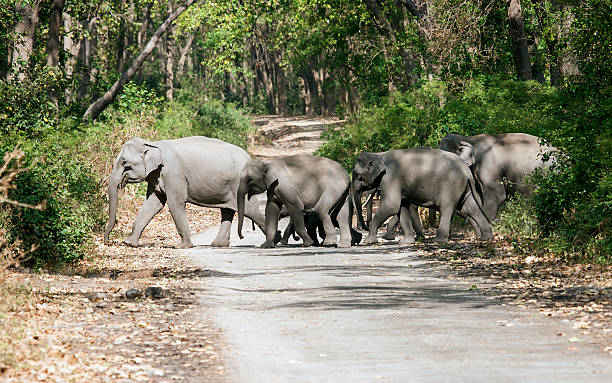
Elephant Corridors Between Parks: Why Movement Routes Matter
Elephant corridors between parks play an important role in protecting Africa’s largest land mammals. Elephants need extensive areas to find food, water and suitable breeding opportunities. Although national parks provide important protection, their boundaries do not always contain everything elephants need throughout the year.
In East Africa, elephants sometimes move between protected areas, community conservancies, forests and privately managed land. These journeys often follow routes used by elephant populations over many generations.
However, expanding settlements, agricultural activities, roads and fencing can interrupt traditional movement routes.
When elephants lose access to these corridors, they may enter farmland, encounter people or become isolated in smaller habitats.
Understanding why elephant corridors matter helps travellers appreciate the conservation work taking place beyond national park boundaries.
What Are Elephant Corridors?
Elephant corridors are areas of land that allow elephants to move between suitable habitats.
Some connect national parks, while others provide access to water sources, seasonal feeding grounds or neighbouring conservation areas.
A corridor does not always resemble a narrow pathway.
It may cover a wide landscape containing grassland, woodland, river valleys and community-managed grazing areas.
Elephants use these landscapes according to seasonal conditions and available resources.
For example, a herd may remain near permanent water during a dry period before moving towards fresh vegetation when rainfall returns.
Protecting movement routes allows elephants to respond naturally to changing environmental conditions.
Why Elephants Need Large Areas
Adult elephants consume substantial quantities of vegetation.
An adult African savannah elephant may eat more than 100 kilograms of vegetation daily, although consumption varies with body size, food availability and other conditions.
Elephants also require reliable access to water.
Their feeding habits mean they need extensive landscapes rather than small, isolated areas.
When elephant populations remain confined to limited habitats, competition for resources may increase.
Heavy use of vegetation around permanent water sources can also affect habitat conditions.
Access to connected landscapes allows elephants to spread their activities over wider areas.
How Elephant Corridors Connect National Parks
East Africa contains several landscapes where elephants move between protected areas and surrounding land.
Kenya provides particularly well-documented examples.
The wider Amboseli landscape includes connections towards Tsavo West, Chyulu Hills and areas near the Tanzanian border.
Elephant movement also occurs throughout the broader Tsavo landscape.
However, movement patterns vary between populations, and some routes face significant pressure.
| Landscape | Important habitats | Conservation concern |
|---|---|---|
| Amboseli landscape, Kenya | Amboseli and surrounding rangelands | Settlement growth and land fragmentation |
| Tsavo landscape, Kenya | Tsavo East, Tsavo West and neighbouring areas | Roads, farming and changing land use |
| Greater Mara landscape, Kenya | Protected areas and community conservancies | Land conversion and fencing |
| Northern Tanzania landscapes | Protected areas and surrounding wildlife habitats | Expanding human activities |
| Western Uganda landscapes | National parks, forests and neighbouring land | Habitat fragmentation and human-wildlife conflict |
These examples represent broad conservation landscapes rather than unrestricted routes between every listed protected area.
Why Seasonal Movement Matters
Rainfall strongly influences vegetation and water availability in many African landscapes.
During dry periods, elephants may travel towards reliable water sources.
When seasonal rains improve vegetation elsewhere, some herds shift their feeding areas.
Corridors help make these movements possible.
However, elephants do not all follow identical routes.
Their movements depend on habitat, age, social relationships and previous experience.
Some populations remain relatively localised, while others travel much farther.
Conservation plans therefore need information about actual elephant movements rather than assuming every herd follows the same pattern.
Elephant Corridors and Genetic Diversity
Connected habitats can support breeding between elephant populations.
When animals move between areas, they may encounter individuals from other groups.
Over generations, such movement can contribute to genetic diversity.
Genetic diversity helps populations retain the ability to respond to environmental pressures.
Conversely, populations isolated for long periods may face greater genetic risks.
However, corridor protection alone does not guarantee genetic exchange.
Researchers also examine population size, breeding patterns and whether elephants actually use available routes.
What Happens When Corridors Are Blocked?
Increased Human-Elephant Conflict
When traditional movement routes are converted into farmland or settlements, elephants may encounter people more frequently.
An elephant travelling towards water may cross cultivated land.
Crops such as maize, bananas and other food plants can attract elephants.
Farmers may suffer serious losses when elephants damage fields.
These incidents can create tension between communities and wildlife authorities.
Human safety must remain a priority when managing such encounters.
Habitat Isolation
Roads, fences and buildings can divide formerly connected habitats.
Some barriers prevent movement completely.
Others force elephants towards fewer crossing points.
This can concentrate wildlife activity in areas already under pressure.
Greater Conservation Costs
Blocked corridors may require additional monitoring and conflict prevention measures.
Wildlife authorities sometimes need to respond to elephants entering settlements or becoming trapped.
Maintaining suitable movement routes can help reduce certain problems, although corridors cannot eliminate all conflict.
Main Threats to Elephant Corridors
| Threat | Possible effect | Conservation response |
|---|---|---|
| Agricultural expansion | Reduces available movement space | Land-use planning |
| Permanent fencing | Blocks established routes | Wildlife-sensitive planning |
| Road construction | Creates collision risks and barriers | Suitable crossing structures |
| Settlement growth | Increases human-elephant encounters | Protect agreed movement areas |
| Land subdivision | Divides open landscapes | Community conservation agreements |
| Habitat degradation | Reduces food and shelter | Habitat restoration |
The appropriate response depends on local land ownership, ecological conditions and community needs.
How Researchers Identify Elephant Corridors
Conservation teams use several methods to understand elephant movement.
GPS Tracking
Some elephants are fitted with approved GPS tracking collars by trained wildlife professionals.
The devices collect location information over time.
Researchers can use the data to examine movement patterns and identify areas frequently used by elephants.
However, tracking requires specialist expertise, permits and animal welfare safeguards.
Field Observations
Rangers and researchers record elephant sightings and signs of movement.
Repeated observations may help identify important habitats.
Information collected over different seasons provides a more complete picture.
Community Knowledge
People living near elephant habitats may know where elephants regularly cross land.
Farmers and pastoral communities can provide information about seasonal movements and conflict locations.
Including this knowledge helps conservation planners understand the landscape.
Community Conservancies and Elephant Corridors
Many movement routes pass through land outside government-managed national parks.
This makes community participation essential.
In Kenya, some conservancies and conservation partnerships support wildlife movement while maintaining agreed land uses.
Landowners may receive payments through leases or other arrangements designed to keep important areas available for wildlife.
For example, conservation agreements in the Kitenden area south of Amboseli have supported efforts to protect an important wildlife movement landscape.
However, agreements must consider local livelihoods and land rights.
Communities need meaningful participation in decisions affecting their land.
Long-term corridor protection becomes more practical when residents receive fair benefits and understand the conservation objectives.
Can Elephant Corridors Reduce Crop Raiding?
Protecting corridors may help elephants move through suitable areas without encountering as many farms.
However, corridors are not a complete solution to crop raiding.
Elephants may still enter farmland when crops are attractive or when water and food become scarce.
Some communities use additional prevention measures, including appropriately managed barriers and early warning systems.
Beehive fences and chilli-based deterrents have been tested in certain human-elephant conflict settings.
Their effectiveness varies with local conditions and maintenance.
Conservation authorities should guide the selection of suitable measures.
Wildlife Crossings and Road Development
Roads can interrupt animal movement and increase collision risks.
In some landscapes, wildlife crossings may help animals move more safely.
These structures include underpasses and other crossings designed around local wildlife behaviour.
However, elephants need sufficient space and suitable approaches.
A crossing built in the wrong location may receive little use.
Researchers therefore examine movement patterns before recommending infrastructure.
Effective planning also considers traffic, surrounding development and future land use.
Elephant Corridors in Kenya and Tanzania
The Amboseli landscape demonstrates how elephant conservation extends beyond park boundaries.
Elephants use habitats outside Amboseli National Park, including surrounding rangelands.
Conservation work in this wider landscape involves wildlife authorities, researchers, community organisations and landowners.
In northern Tanzania, elephants also depend on extensive landscapes containing protected and unprotected habitats.
Cross-border conservation can be particularly complicated because different countries have separate land management systems.
Protecting connectivity requires cooperation and suitable planning on both sides of international boundaries.
Elephant Movement and Conservation in Uganda
Uganda supports elephant populations in protected areas such as Queen Elizabeth National Park, Murchison Falls National Park and Kidepo Valley National Park.
Elephant movements occur within these landscapes and, in some areas, across surrounding habitat.
However, Uganda’s elephant populations face different geographical conditions from those in Kenya’s extensive savannah rangelands.
Agricultural land, settlements and fragmented habitats create particular management challenges.
Conservation planning must consider each population’s actual movement needs.
Protecting existing habitat connections can help wildlife authorities manage elephants more effectively.
How Safari Tourism Can Support Corridors
Safari tourism can generate income for protected-area management and local businesses.
Visitors travelling through community conservancies may also support landowners and conservation enterprises.
However, tourism revenue does not automatically protect a corridor.
You should ask your safari operator whether it works with responsible conservation organisations and respects local land-use arrangements.
Choosing experienced guides and following wildlife viewing regulations also helps reduce unnecessary disturbance.
Avoid requesting off-road driving or close approaches that interfere with elephant movements.
What Should Travellers Do Near Elephant Corridors?
If you encounter elephants outside a national park, remain cautious.
Never approach elephants on foot without appropriate professional guidance.
Do not block their movement with vehicles.
Keep a safe distance and follow instructions from authorised guides or wildlife personnel.
If elephants cross a road, stop at a safe distance and allow them sufficient space.
Avoid loud noises or actions intended to force them to move.
Elephants can become dangerous when frightened, threatened or prevented from travelling freely.
Measuring Successful Corridor Protection
Conservation teams need evidence that protected routes are functioning.
Useful measures include:
Continued elephant movement through designated areas.
Reduced habitat fragmentation.
Community participation in land management.
Changes in human-elephant conflict incidents.
Suitable habitat availability.
Long-term monitoring of elephant populations.
Counting the number of corridors on a map is insufficient.
The important question is whether elephants can use them safely and whether the arrangements remain practical for neighbouring communities.
Elephant corridors between parks help maintain access to food, water and breeding opportunities.
They connect important habitats and allow elephants to respond to seasonal changes.
However, agricultural expansion, roads, fencing and settlement growth can interrupt these routes.
Protecting corridors requires cooperation between wildlife authorities, researchers, communities and landowners.
For safari travellers, understanding elephant movement adds valuable context to wildlife encounters.
The elephants you observe inside a national park may depend on habitats extending far beyond its boundaries.
Protecting those connections is essential for the future of elephant conservation in East Africa.


No comment