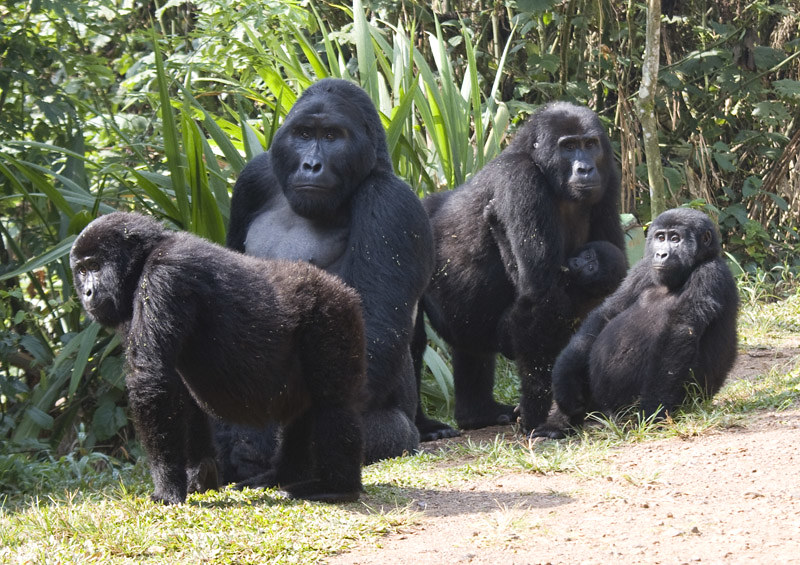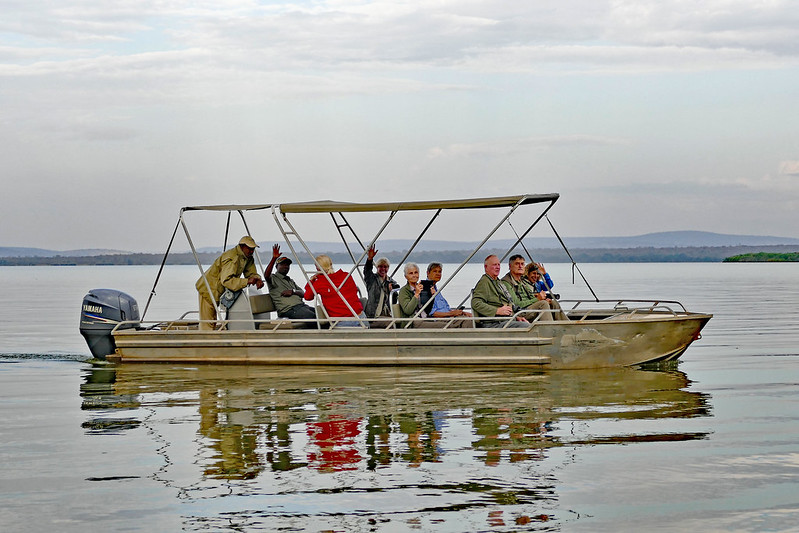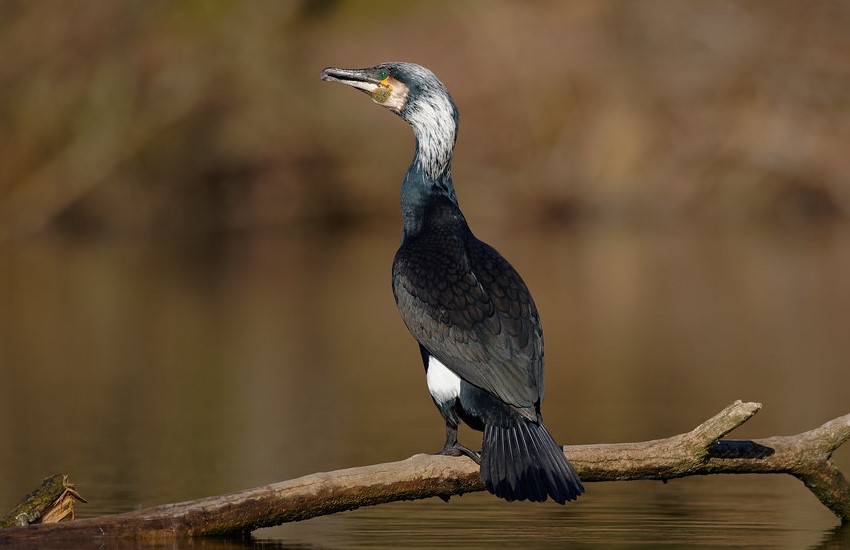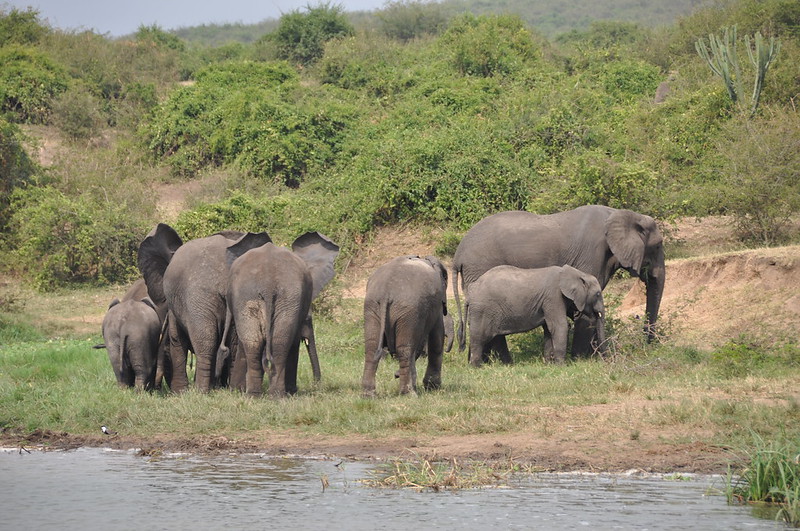
Embark on a remarkable adventure with a 7-day Africa safari tour, where you can experience the wonders of the wild and immerse yourself in the beauty of the African continent. Get ready to witness breathtaking landscapes, encounter majestic wildlife, and create unforgettable memories.
On this authentic African safari, you will have the opportunity to explore renowned destinations such as the Serengeti National Park in Tanzania and Kenya’s vast savannahs. Prepare to be captivated by thrilling encounters with Africa’s iconic “Big Five” – lions, elephants, rhinos, leopards, and buffalos.
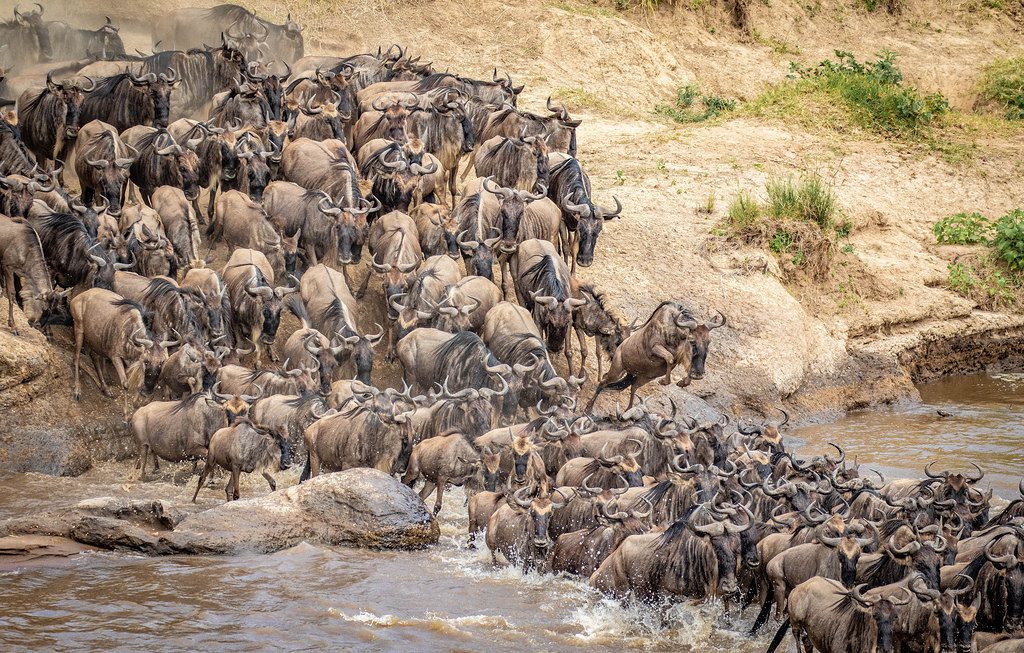
Your journey will take you through diverse ecosystems teeming with life. Marvel at the vast herds of wildebeest during the Great Migration or spot graceful giraffes gracefully moving across the plains. Each day brings new adventures as you traverse dense forests, open grasslands, and shimmering lakes.
Immerse yourself in local cultures as you visit Maasai villages and learn about their traditions and way of life. Engage with experienced guides who will share their wealth of knowledge about Africa’s wildlife and ecosystems. Capture stunning photographs that will forever remind you of your incredible African safari experience.
Rest assured that your 7-day Africa safari tour is designed to provide comfort without compromising on authenticity. Stay in handpicked accommodations that blend seamlessly into their natural surroundings while offering modern amenities for your convenience.
Prepare for an extraordinary journey filled with awe-inspiring moments as you embark on your 7-day Africa safari tour. Whether it’s witnessing a lioness stalking her prey or gazing at a picturesque sunset over the savannah, this adventure promises to be an unforgettable experience that will leave you longing for more exhilarating encounters with Africa’s untamed wilderness.
A Typical Day-by-Day Rhythm
Most 7-day itineraries follow a similar shape: an arrival day in Nairobi or another regional hub, followed by five to six full days split across two or three parks, and a final departure day. Early mornings matter on safari, game drives typically start around 6:30am when predators are most active and the light is best for photography, with a midday break during the hottest hours and a second drive in the late afternoon. This rhythm repeats with variations as you move between parks like the Maasai Mara, Amboseli, or Serengeti, each with its own landscape and wildlife highlights.
What to Expect from Accommodation and Meals
A 7-day safari usually moves you between two or three lodges or tented camps, each chosen for proximity to the day’s game-viewing area. Most mid-range and upmarket camps include full board, meaning breakfast, lunch, and dinner are provided, often with a packed lunch on days you’re out on extended game drives. Expect en-suite rooms or tents, though the exact standard varies significantly between budget, mid-range, and luxury properties, so it’s worth confirming what tier your itinerary falls into.
Physical Demands and Pace
A standard game-drive safari is far less physically demanding than gorilla trekking, most of your time is spent seated in a 4×4 vehicle, so a reasonable level of fitness is enough for the vast majority of travelers, including families with children and older adults. The main physical factor to plan for is long days on dirt roads, which can be tiring even while seated, and early wake-up calls for the best game viewing.
Connectivity and Comfort
Many camps now offer WiFi in common areas, though signal can be limited or unavailable at more remote properties, which is part of the appeal for travelers looking to disconnect. Electricity is generally available for charging cameras and phones, sometimes only during set hours at more rustic camps, so packing a spare battery or power bank is a sensible precaution.
A Sample 7-Day Structure
While every itinerary is different, a representative 7-day Kenya-focused safari might run: Day 1, arrival and transfer to your first camp; Days 2 to 3, game drives in the Maasai Mara, timed around dawn and dusk; Day 4, travel day to a second park such as Lake Nakuru or Amboseli; Days 5 to 6, game drives focused on that park’s specific highlights, rhino and flamingos at Nakuru, or elephant herds with Kilimanjaro as a backdrop at Amboseli; and Day 7, a final morning drive before departure. A Tanzania-focused version follows a similar rhythm through the Serengeti, Ngorongoro Crater, and Tarangire or Lake Manyara.
Choosing Between a Kenya and Tanzania Route
Kenya’s Maasai Mara and Tanzania’s Serengeti are two halves of the same ecosystem, connected by the Great Migration, so the choice often comes down to timing and preference rather than one being objectively better. Kenya’s parks tend to have shorter transfer distances between them, useful on a tighter 7-day schedule, while Tanzania’s northern circuit, the Serengeti, Ngorongoro, and Tarangire, offers a slightly wider variety of landscapes within a similar radius. Some 7-day itineraries even combine both countries, though that requires careful planning around border crossings and flight connections.
Road Transfers vs. Domestic Flights
Moving between parks on a 7-day safari happens either by road, in your safari vehicle, or by short domestic flight on a light aircraft. Road transfers are more affordable and let you see the changing landscape between parks, but can eat into a day if the distance is significant. Flying saves time and is common for longer distances, such as between the Serengeti and more remote parks, but adds cost and strict baggage weight limits, generally around 15 kilograms in a soft-sided bag. Which option suits you best depends on how much of your 7 days you want to spend viewing wildlife versus in transit.
Wildlife You’re Likely to Encounter
Across a 7-day itinerary through Kenya or Tanzania’s main parks, most travelers see the majority of the Big Five, lion, elephant, buffalo, and leopard are reliably spotted, while rhino sightings depend more on which specific park you visit, since they’re concentrated in a smaller number of protected areas like Ngorongoro Crater and Lake Nakuru. Beyond the Big Five, expect large numbers of plains game, zebra, giraffe, wildebeest, and various antelope species, alongside strong birdlife and, in the right season, the wildebeest migration itself. Cheetah and wild dog sightings are less predictable but not uncommon, particularly in open-plains areas like the Mara or southern Serengeti.
How Weather Shapes a 7-Day Trip
Weather varies more across a week than many travelers expect. Early mornings, even in the dry season, can be genuinely cold at higher elevations like the Ngorongoro Crater rim, while midday heat on the open savannah can be intense. If your week spans one of the shorter rainy periods, expect brief, heavy downpours rather than all-day rain, drives generally continue as scheduled, with dust settling and colors turning more vivid once the rain clears. Packing layers you can add and remove through the day matters more than picking a single “safari outfit.”
Budgeting for a 7-Day Safari
Cost on a 7-day safari is driven mostly by accommodation tier and choice of road versus flight transfers between parks. Budget itineraries using camping or simple lodges with road transfers can run considerably less than a fly-in safari staying at upmarket tented camps, and both are genuinely valid ways to experience the same parks. Park fees and conservancy charges are typically fixed by the relevant wildlife authority, so the flexibility mostly sits in accommodation choice, vehicle type, and how much flying versus driving your route includes. Discussing your budget upfront lets your operator build an itinerary around it rather than starting from a fixed template.
Traveling as a Family or Group
A 7-day safari works well for families and larger groups, since game drives happen in a shared vehicle and most camps offer family rooms or interconnected tents. Children are welcome at the majority of properties, though a handful of more remote or adults-focused camps set a minimum age, worth checking if you’re traveling with young kids. Larger groups sometimes split across two vehicles to keep everyone comfortable with window access for photography, something worth discussing with your operator when your group size is set.
Extending Beyond 7 Days
If a week leaves you wanting more, extending an itinerary is straightforward: an extra two or three days can add a southern circuit park, a Zanzibar beach stretch, or a Kilimanjaro day-hike to your existing route without disrupting the core game-viewing days. Many travelers decide on the extension only after seeing their initial itinerary mapped out, so it’s worth mentioning to your operator upfront that you’re open to a longer trip if the right addition fits.
However you shape it, a 7-day safari is long enough to move beyond a single park and short enough to fit comfortably into most travelers’ annual leave, which is exactly why it remains the most popular length for a first East Africa trip. Ready to build your own 7-day itinerary? All in Africa Safaris can help you choose the right mix of parks, pace, and accommodation for your trip.
Choosing a Guide and Vehicle
Your driver-guide shapes a 7-day safari as much as the itinerary itself, spotting wildlife, reading animal behavior, and positioning the vehicle for the best possible view and photographs. Most operators pair small groups or private travelers with a dedicated driver-guide for the full week rather than rotating staff, which builds useful familiarity with your preferences as the days go on. Vehicles are typically 4x4s with pop-up roofs or open sides for unobstructed photography, and on a private safari you also have the flexibility to linger longer at a sighting or adjust the day’s plan on the spot, something a larger shared-vehicle group can’t always do.