
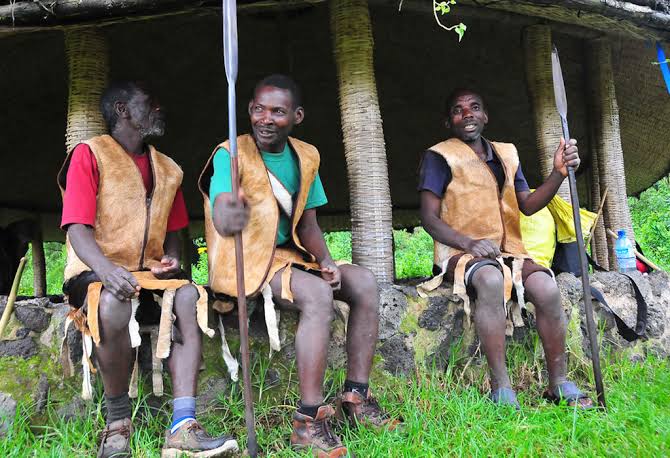
Taking Photos of People in East Africa: Respect, Consent and Practical Tips
Taking photos of people in East Africa can be a memorable part of travelling through Uganda, Kenya, Tanzania and Rwanda. Local markets, cultural celebrations, villages and busy city streets offer opportunities to document everyday life and meet people whose experiences differ from your own.
However, photographing people requires sensitivity. A person working in a market, walking along a road or wearing traditional clothing may not want their picture taken. Others may welcome photography but prefer to understand how their image will be used.
Respectful photography in East Africa begins with asking permission, respecting personal boundaries and recognising that people have a right to privacy.
Whether you use a smartphone or a professional camera, learning how to approach people politely can improve your photographs and make your interactions more comfortable.
Understanding Respectful Photography in East Africa
East Africa has many cultural communities, languages and social traditions. Photography expectations vary between countries, locations and individuals.
Some people enjoy having their pictures taken, especially during public celebrations. Others may feel uncomfortable around cameras.
In certain communities, visitors may encounter concerns about privacy, religion, cultural practices or the commercial use of photographs.
You should never assume that someone welcomes photography because they are smiling, wearing traditional clothing or participating in a public activity.
A respectful photographer approaches each situation individually.
The most important principle is simple: ask before photographing someone who will be the main subject of your picture.
1. Always Ask Permission Before Taking Portraits
When photographing an identifiable person, asking permission is the best starting point.
This is especially important when taking close-up portraits.
You can begin with a greeting and a short explanation.
For example, you might say:
“Hello, I really like the colours of your market stall. Would you mind if I took a photograph?”
If the person agrees, thank them and take your picture without unnecessarily delaying their work.
What If You Do Not Speak the Local Language?
English is widely used in Uganda and Kenya and is understood by some people in Tanzania and Rwanda.
However, many people are more comfortable speaking local languages.
Learning a few greetings can help.
A friendly approach, simple words and respectful gestures are useful, but gestures alone may not provide clear consent.
If communication is difficult, ask your guide to translate.
Do not take a photograph when you cannot establish whether the person agrees.
Accepting Refusal
Some people may decline your request.
Respect their decision immediately.
Avoid offering repeated explanations or attempting to convince them.
Do not photograph someone secretly after they have refused.
A person’s refusal does not require justification.
2. Photographing Children in East Africa
Children are often curious about cameras, particularly when visitors arrive in rural communities.
Some may wave, smile or approach photographers.
However, their enthusiasm should never replace appropriate permission.
Ask Parents or Guardians
Before photographing a child as your main subject, seek permission from a parent or responsible guardian.
For older children, also consider whether they personally want to participate.
If a child appears uncomfortable, stop.
Avoid photographing children in vulnerable situations, including when they are injured, distressed or receiving medical assistance.
Be Careful When Sharing Children’s Photos
Taking a picture and publishing it are different decisions.
A parent may agree to a photograph but not expect it to appear on a public website or social media account.
Explain your intentions before sharing identifiable photographs of children.
Avoid publishing details such as a child’s full name, school, address or daily routine.
For travel blogs, consider whether the image is genuinely necessary.
3. Taking Photos in Local Markets
Markets provide opportunities to photograph fresh produce, colourful fabrics and everyday trading activities.
You may encounter busy markets in Kampala, Nairobi, Arusha, Kigali and many smaller towns.
However, markets are workplaces.
Vendors depend on customers and may not appreciate being interrupted repeatedly for photographs.
How to Approach Market Vendors
Begin by greeting the vendor.
If you are interested in purchasing something, complete your shopping naturally.
You can then ask whether they would be comfortable appearing in a photograph.
Some vendors may agree immediately. Others may decline or request payment.
Respect their response.
Avoid Blocking Business Activities
Do not stand in front of a stall for several minutes while arranging your camera.
Keep walkways clear.
Avoid touching products without permission.
If the market becomes crowded, move to a less obstructive position.
4. Photography During Cultural Ceremonies
Uganda, Kenya, Tanzania and Rwanda have numerous cultural traditions.
Travellers may encounter weddings, traditional dances, community celebrations and religious activities.
These events can be visually interesting, but photography rules vary.
Traditional Wedding Ceremonies
In Uganda, a Baganda introduction ceremony, known as kwanjula, may include traditional clothing, gift presentations and family speeches.
If you are invited, ask your host about photography expectations.
Some families welcome photographs during public parts of the celebration but prefer privacy during particular activities.
Do not interrupt ceremonial proceedings to arrange portraits.
Maasai Cultural Experiences
Maasai communities in Kenya and Tanzania are well known for traditional clothing and beadwork.
Some organised cultural visits include agreed photography opportunities.
However, the presence of traditional dress does not create automatic permission to photograph someone.
Ask before taking close-up pictures.
If an organised visit includes photography fees or restrictions, clarify them before beginning.
5. Understanding Photography Fees
In some tourism settings, people may request payment before agreeing to be photographed.
This can occur during cultural visits, performances or commercial photography arrangements.
A request for payment does not necessarily mean someone is attempting to exploit a traveller.
Photography may form part of an agreed cultural tourism activity or provide income to a participating artisan or performer.
Should You Pay for Photographs?
The decision depends on the situation.
For an organised cultural experience, photography may already be included in the agreed price.
For an individual portrait, you can politely discuss any requested payment.
Do not photograph the person if you cannot reach an agreement.
Avoid distributing money randomly, especially to children.
6. Respecting Religious Photography Rules
Religious buildings and ceremonies deserve particular care.
East Africa has large Christian and Muslim communities, alongside other religious traditions.
Photographing people during worship can be intrusive.
Inside Churches
Some churches allow photography, while others restrict it during services.
Ask an authorised representative before taking pictures.
Avoid using flash during prayers or sermons.
Remain in designated areas.
Inside Mosques
Mosque photography rules vary considerably.
Some mosques do not permit visitors to photograph worshippers or prayer areas.
Always seek permission before entering or photographing.
Dress appropriately and respect prayer times.
During Eid, Christmas and Easter
Religious festivals may involve public gatherings and celebrations.
However, participation in a festival does not automatically mean everyone agrees to be photographed.
Ask permission when focusing on individuals or families.
7. Street Photography in East African Cities
Street photography can document transport, architecture, shops and public life.
Cities such as Kampala, Nairobi, Dar es Salaam and Kigali offer many different urban scenes.
You can photograph general street environments while remaining attentive to privacy, security and applicable local restrictions.
Photographing Crowds
Wide photographs of busy public areas may include people who are not individually featured.
However, a close-up image that clearly identifies a particular person deserves more care.
If you intend to publish a photograph, consider whether the people shown might reasonably object.
Avoid Sensitive Locations
Photography near military facilities, security checkpoints and certain government installations may be restricted or prohibited.
Do not photograph security personnel or sensitive sites without explicit authorisation.
If officials instruct you to stop, comply calmly.
Professional equipment and drones may require additional permissions.
8. Using Smartphones Versus Professional Cameras
Both smartphones and professional cameras can capture excellent travel portraits.
However, your equipment may influence how people respond.
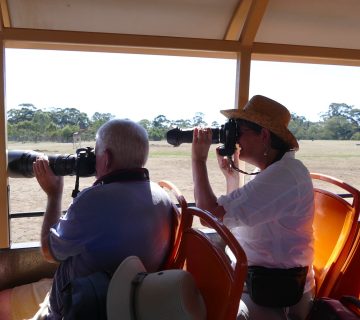
A large camera and telephoto lens can attract attention.
Some people may feel uncomfortable when someone points a long lens towards them.
A smartphone may seem less intimidating, but it still records identifiable images.
Practical Photography Advice
| Situation | Recommended Approach | What to Avoid |
|---|---|---|
| Market portrait | Greet the vendor and ask permission | Photographing secretly |
| Children playing | Seek guardian permission | Publishing identifying details |
| Cultural performance | Confirm event photography rules | Interrupting participants |
| Religious ceremony | Ask organisers before photographing | Flash during prayers |
| Street photography | Respect privacy and local restrictions | Focusing on unwilling subjects |
| Village visit | Follow your host’s guidance | Entering private compounds |
| Close-up portrait | Explain your purpose clearly | Pressuring someone who refuses |
Your approach matters more than the size or cost of your camera.
9. How to Take Better Portraits With Permission
Once someone agrees to be photographed, you can concentrate on creating a natural portrait.
Use Natural Light
Early morning and late afternoon often provide softer light.
When photographing someone outdoors, look for a comfortable position with even lighting.
Avoid asking people to stare directly into harsh sunlight.
Keep the Background Simple
A busy background can distract attention from your subject.
Move slightly to include a clean wall, shaded entrance or natural setting.
Always ask before moving into private areas.
Let People Choose Their Pose
Some people prefer to smile at the camera, while others feel more comfortable continuing their normal activity.
Ask what they prefer.
Avoid arranging poses that make someone appear uncomfortable or misrepresent their daily life.
Show the Photograph
After taking the picture, offer to show it on your camera or phone.
This can create a pleasant interaction.
If the person dislikes the photograph and asks you to delete it, respect that request.
10. Sharing East African Travel Photos Online
Publishing photographs requires additional responsibility.
A picture taken during a private visit should not automatically become content for a public travel website.
Explain How You Will Use the Images
If you plan to publish a portrait commercially, explain this before taking it.
Commercial uses may include:
Safari company websites.
Travel advertisements.
Promotional brochures.
Social media campaigns.
Paid photography projects.
Depending on the intended use and applicable law, written consent or a model release may be appropriate.
Permission to take a personal holiday photograph should not be treated as unlimited permission for commercial advertising.
Avoid Misleading Captions
Describe photographs accurately.
Do not identify someone as a member of a particular ethnic community based solely on clothing or appearance.
Avoid inventing personal stories about people you photographed.
If you do not know someone’s occupation, name or circumstances, do not guess.
11. Photographing People With Dignity
Travel photography sometimes focuses heavily on poverty, illness or difficult living conditions.
These subjects require particular sensitivity.
Do not photograph someone in distress simply because the scene appears dramatic.
Consider how the person might feel if the image appeared publicly.
Avoid Harmful Stereotypes
East Africa includes modern cities, rural communities, professionals, students, farmers and people working in many industries.
Photographs should reflect this diversity.
Avoid presenting every rural community as poor or every traditionally dressed person as someone who lives apart from modern society.
Seek authentic experiences and explain them accurately.
12. Respectful Photography During Safaris
Some wildlife itineraries include cultural activities near national parks.
You might visit a community around Bwindi, meet local guides near the Maasai Mara or explore a village close to a safari lodge.
Ask your operator how community visits are arranged.
The people involved should understand the purpose of the activity and have a genuine choice about participation.
Do not assume that paying for a cultural visit gives you unrestricted photography rights.
Frequently Asked Questions About Photographing People in East Africa
Can tourists photograph local people in East Africa?
Yes, but you should seek permission when photographing identifiable individuals, especially for portraits.
Is it acceptable to photograph children?
Ask a parent or guardian for permission and respect the child’s wishes. Be particularly careful about sharing identifiable images online.
Do people expect payment for photographs?
Some individuals or organised cultural experiences may request payment. Arrangements vary, so ask before photographing.
Can I take photographs inside churches and mosques?
Photography rules differ between places of worship. Always seek permission from an authorised representative.
Can I publish photographs of local people on my travel website?
Explain your intended use and obtain suitable consent, especially for commercial or promotional photographs. Additional legal requirements may apply.
What should I do if someone refuses a photograph?
Thank them politely and move on. Never photograph them secretly or pressure them to change their decision.
Taking photos of people in East Africa can add personal meaning to your travels through Uganda, Kenya, Tanzania and Rwanda.
However, the best travel portraits begin with respectful communication.
Ask permission, respect privacy and explain how photographs will be used.
Be especially careful when photographing children, religious activities and private cultural ceremonies.
A friendly conversation may leave you with a more valuable memory than an unexpected photograph.
When you treat people with dignity, you can create meaningful travel images while maintaining positive relationships with the communities you visit.

No comment