
Where to see wildlife close to Nairobi on a short trip
Nairobi is one of the few capital cities in the world where you can enjoy a genuine wildlife safari without travelling far beyond the city. Within a short drive of the centre, you can watch lions crossing open grassland, look for endangered rhinos, photograph giraffes and zebras, and explore conservation centres caring for rescued elephants.
You do not need a week in Kenya to experience its wildlife. Even a few hours in Nairobi can accommodate a game drive or a visit to one of the city’s wildlife attractions. With a full day available, you can travel towards Lake Naivasha for hippos, waterbirds and walking safaris. Travellers with more time can consider Ol Pejeta Conservancy or Lake Nakuru National Park.
The main consideration is choosing a destination that fits your schedule. Nairobi National Park is the strongest option for a traditional safari close to the city. The Giraffe Centre and Sheldrick Wildlife Trust offer shorter conservation visits, while Lake Naivasha and Hell’s Gate provide a countryside experience beyond Nairobi’s suburbs.
Nairobi National Park: The best short safari near the city
<PRIVATE_PERSON> National Park is the most convenient destination for travellers who want to see free-roaming wildlife close to Nairobi. Located south of the capital, the park protects open grassland, woodland, riverine vegetation and seasonal wetlands. Its proximity to the city creates a distinctive setting where animals can sometimes be photographed with Nairobi’s buildings in the background.
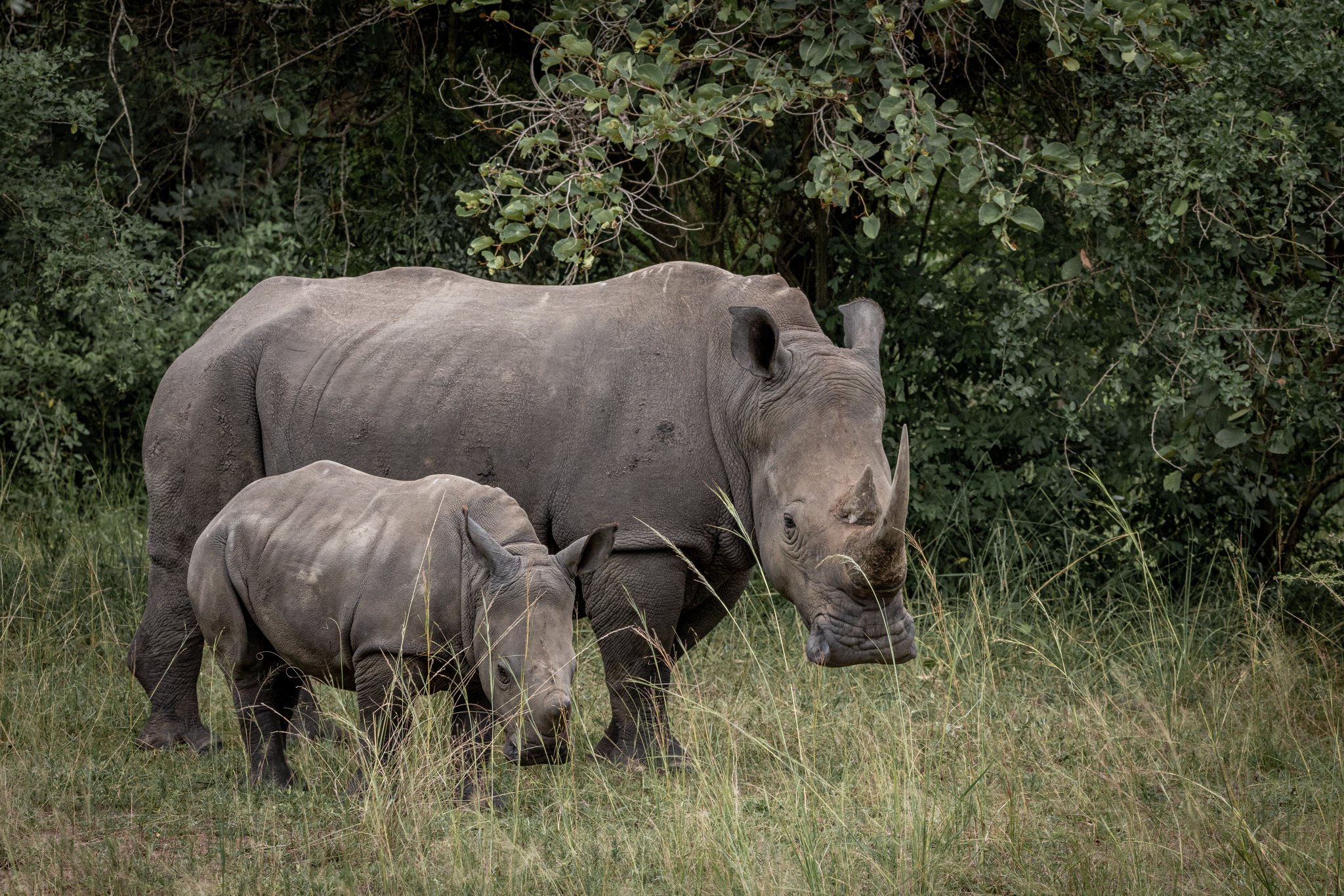
The park supports lions, leopards, black rhinos, white rhinos, buffaloes, giraffes, zebras, wildebeest, elands, hartebeest and several other antelope species. It is particularly important for rhino conservation and offers visitors a chance to look for both black and white rhinos during a game drive.
A morning game drive is a good way to explore the park. Animals are often more active during the cooler hours, and the softer morning light is useful for photography. You may find lions resting in grassland, giraffes feeding on trees, zebras grazing in open areas and buffaloes moving in herds.
Leopards are present but elusive, so you should not expect to see one on every visit. A knowledgeable driver-guide can help you search suitable habitats and check recent wildlife movements. Rhino sightings are another major attraction, although their visibility depends on where they are moving and the vegetation around them.
Birdwatchers also have plenty to enjoy. Nairobi National Park supports more than 400 recorded bird species, including ostriches, secretary birds, crowned cranes, raptors, waterbirds and numerous grassland species. Wetland areas can be particularly productive for bird photography.
A half-day game drive is usually enough for a rewarding introduction to the park. However, a longer visit gives you more time to explore different habitats and search for less frequently seen animals.
One important detail is that Nairobi National Park does not have a wild elephant population. Visitors looking for elephants should arrange a separate visit to an elephant conservation facility or choose another safari destination.
David Sheldrick Wildlife Trust: Visit the elephant nursery
The David Sheldrick Wildlife Trust is one of Nairobi’s best-known wildlife conservation attractions. Its elephant nursery cares for young elephants rescued after losing their mothers, often because of poaching, human-wildlife conflict or other threats.
During the public nursery visit, visitors can observe young elephants as they receive care from their keepers. You may see them drinking milk, playing in the soil, interacting with one another and learning behaviours that support their development.
The keepers explain the background of individual elephants, their rescue stories and the rehabilitation process. Visitors also learn about the challenges facing wild elephant populations, including habitat loss, drought and conflict with communities living near wildlife areas.
The public viewing session has traditionally taken place around 11:00 am and lasts approximately one hour. However, visiting arrangements and booking requirements can change. Reserve your place in advance and confirm the current schedule before travelling.
The nursery is a conservation experience rather than a conventional safari. The elephants are rescued animals receiving specialised care, and visitors must follow the facility’s viewing rules. You should not attempt to touch, feed or approach them outside the authorised arrangements.
The elephant nursery works well as part of a half-day wildlife itinerary. You can start with an early game drive in Nairobi National Park and then attend the scheduled viewing session. This combination gives you an opportunity to see free-roaming wildlife before learning about elephant rescue and rehabilitation.
Giraffe Centre: See Rothschild’s giraffes in Lang’ata
The Giraffe Centre in Lang’ata is among the easiest wildlife attractions to visit during a short stay in Nairobi. It focuses on the conservation of Rothschild’s giraffes, a threatened giraffe population that has benefited from protection, breeding and reintroduction programmes in Kenya.
Visitors can observe giraffes from a raised platform and learn about their behaviour, feeding habits and conservation needs. The elevated viewing area allows you to see the animals at close range and take photographs while they feed.
Rothschild’s giraffes have pale lower legs and distinctive coat patterns. They are associated with conservation programmes that have helped restore populations in parts of Kenya where numbers had declined.
The centre is suitable for families, photographers and travellers who have limited time. Most visitors can complete the main experience within one to two hours, depending on visitor numbers and how long they spend observing the animals.
The Giraffe Centre also provides information about habitat protection and the threats affecting giraffes in the wild. This makes the visit useful for travellers who want to understand conservation beyond the experience of seeing an animal up close.
You can combine the centre with the Sheldrick Wildlife Trust, although you should plan around the elephant nursery’s scheduled viewing time. The Karen neighbourhood also has restaurants, cafés and other attractions where you can spend the rest of the afternoon.
Nairobi Safari Walk: A short educational wildlife experience
The Nairobi Safari Walk is located near the main entrance area of Nairobi National Park. It offers a more structured wildlife experience for visitors who want to learn about Kenyan animals and habitats without taking a full game drive.
The facility uses designated paths and viewing areas to introduce visitors to wildlife and conservation. Depending on the animals present and current management arrangements, you may see species such as giraffes, zebras, buffaloes and antelopes.
Educational displays explain different ecosystems, animal behaviour and the importance of protecting wildlife habitats. This makes the Safari Walk particularly useful for families with children, school groups and first-time visitors to Kenya.
Unlike a traditional game drive, the experience follows a set walking route. You can stop at viewing points, read the information displays and observe the animals at a relaxed pace.
The Safari Walk is also convenient for travellers who are already visiting Nairobi National Park. However, it is a separate attraction with its own admission arrangements. Check the current opening times and charges before including it in your itinerary.
Lake Naivasha: Hippos and birdlife in the Rift Valley
Lake Naivasha is one of the best choices for a full-day wildlife excursion from Nairobi. Located in Kenya’s Great Rift Valley, the freshwater lake is surrounded by grassland, woodland, farms and scenic hills.
The lake is well known for its hippos and birdlife. A boat trip offers opportunities to observe hippos resting in the water, fish eagles perched in trees and waterbirds feeding along the shoreline.
Depending on the season and conditions, you may see pelicans, cormorants, herons, kingfishers and other waterbirds. The surrounding vegetation also attracts smaller birds, making the area worthwhile for birdwatchers.
Hippos are among the main attractions. They spend much of the day in water and often become more active around dusk and during the night. Boat operators know the areas where hippos commonly gather and should maintain a safe distance.
Do not ask a boat operator to approach a hippo closely for photographs. These animals are powerful and can become dangerous when boats disturb them or block their route into the water. Follow the guide’s instructions throughout the trip.
Lake Naivasha is generally around 90 kilometres from Nairobi, although the journey can take longer depending on traffic and road conditions. Allow roughly two hours each way as a planning estimate rather than relying on an exact travel time.
A full-day excursion can include a boat safari, lunch and a visit to Crescent Island or Hell’s Gate National Park. Choose your activities carefully because trying to complete every attraction in one day can make the trip rushed.
Crescent Island: A walking safari among herbivores
Crescent Island Game Sanctuary offers a different wildlife experience from a conventional vehicle-based safari. Located on Lake Naivasha, the sanctuary is known for guided walks among free-moving herbivores.
Visitors may encounter giraffes, zebras, wildebeest, waterbucks and gazelles. The relatively open landscape provides good opportunities to observe animals from a walking perspective and photograph them against the surrounding lake scenery.
A guided walk is particularly interesting for travellers who want to learn about animal tracks, feeding behaviour and the relationships between wildlife and habitat. Guides also help visitors maintain safe distances from the animals.
Crescent Island is not a Big Five destination. You should not expect lions, elephants or rhinos during an ordinary visit. Its main appeal is the opportunity to walk through an area where several herbivore species move freely.
Access usually involves a boat transfer or another authorised arrangement, depending on the visitor package and current conditions. Confirm the access procedure before travelling.
Crescent Island works well with a Lake Naivasha boat trip. You can spend the morning observing hippos and waterbirds, then continue to the sanctuary for a guided walk before returning to Nairobi.
Hell’s Gate National Park: Wildlife, cycling and dramatic landscapes
Hell’s Gate National Park is another popular destination for a full-day excursion from Nairobi. Located near Lake Naivasha, the park is known for its cliffs, volcanic formations, open grassland and geothermal features.
It offers a different experience from many Kenyan national parks because visitors can undertake authorised walking and cycling activities in designated areas. This makes it particularly attractive to travellers who want to combine wildlife viewing with outdoor activities.
Wildlife found in the park includes zebras, giraffes, buffaloes, elands, gazelles and several other grassland species. Baboons and numerous birds can also be seen. Predators are less predictable, so Hell’s Gate is not the best choice if your main objective is to see lions or leopards.
Cycling is one of the park’s popular activities. You can ride through suitable sections while observing grazing zebras and giraffes. Some visitors bring their own bicycles, while rental arrangements may be available through local operators.
The park is also famous for its gorge landscapes and geothermal activity. Gorge access and walking conditions can change because of weather and safety considerations. Use authorised guides where required and avoid entering restricted areas.
Hell’s Gate can be combined with Lake Naivasha, but you should allow enough time for the drive, park activities and return journey. If cycling or hiking is your main interest, give the park most of the day rather than trying to fit in too many additional stops.
Ol Pejeta Conservancy: A longer trip for rhinos and chimpanzees
Ol Pejeta Conservancy is farther from Nairobi than the attractions around Lang’ata and Lake Naivasha. Located in Laikipia County near Nanyuki, it is approximately 220 kilometres from Nairobi by road. The journey commonly takes around four hours, depending on traffic and conditions.
The conservancy is one of Kenya’s most important wildlife conservation areas. It protects black rhinos, southern white rhinos, elephants, buffaloes, lions, leopards, cheetahs, giraffes, zebras and other wildlife.
Rhino conservation is a major reason to visit. Ol Pejeta protects the last two northern white rhinos, which live under intensive protection. Any special viewing arrangement involving these animals must be confirmed through the conservancy and may require advance booking.
Another major attraction is the Sweetwaters Chimpanzee Sanctuary. It provides a home for rescued chimpanzees that cannot safely return to the wild. Visitors can learn about their backgrounds and observe them from designated viewing areas.
A day trip from Nairobi is possible, but it is a long excursion. You need an early departure and a focused itinerary to make the most of the visit. It is better suited to travellers who have an entire day available and a strong interest in rhinos and conservation.
An overnight stay is more comfortable if you want additional game drives or time for special activities. Ol Pejeta offers a deeper conservation experience than the short wildlife visits available within Nairobi.
Lake Nakuru National Park: Rhinos, giraffes and birdlife
Lake Nakuru National Park is another option for visitors who want to travel beyond Nairobi for a more extensive wildlife experience. Located in the Rift Valley, the park is known for its rhinos, Rothschild’s giraffes, buffaloes, lions, leopards and birdlife.
Both black and white rhinos are protected in the park, making it an important destination for travellers interested in rhino conservation. Visitors can also look for giraffes browsing in woodland areas and buffaloes grazing in open habitats.
Lake Nakuru has long been associated with flamingos. However, their numbers and distribution change according to lake conditions and food availability. You should not assume that large flocks will always be present during your visit.
Other birds include pelicans, cormorants, herons and numerous waterbirds. The combination of lake habitats, woodland and grassland makes the park attractive to birdwatchers and photographers.
The park also has scenic viewpoints, including Baboon Cliff, where visitors can appreciate the lake and surrounding landscape. Game drives provide opportunities to explore different habitats and search for wildlife.
Lake Nakuru is roughly 160 to 170 kilometres from Nairobi, depending on the route and starting point. The drive can take several hours each way. A day trip is possible but tiring, and an overnight stay is preferable if you want enough time for game drives.
Which wildlife destinations are best for a short Nairobi visit?
The right destination depends on your available time and the animals you want to see.
For a genuine safari within a short drive of the city, Nairobi National Park is the best overall choice. It offers free-roaming lions, rhinos, giraffes, zebras, buffaloes and diverse birdlife.
For close-up giraffe viewing, choose the Giraffe Centre. For an elephant conservation experience, visit the David Sheldrick Wildlife Trust after arranging your booking. The Nairobi Safari Walk is useful for visitors who prefer an educational walking experience.
Lake Naivasha is a strong choice if you have a full day and want hippos, birds and a boat trip. Crescent Island adds a guided walking experience, while Hell’s Gate is suitable for cycling, hiking and scenery.
Ol Pejeta is best for travellers who can spare a long day or overnight stay and want a more extensive conservation safari. Lake Nakuru is a good option for rhinos, giraffes, birdlife and Rift Valley scenery, although the road journey makes it less convenient for a very short visit.
Suggested short wildlife itineraries from Nairobi
A three-to-four-hour visit
If you have only a few hours, concentrate on Nairobi National Park. An early game drive gives you the opportunity to search for lions, rhinos, giraffes, zebras and buffaloes without spending most of your time travelling.
If you prefer a shorter and more structured activity, visit the Giraffe Centre instead. It is particularly suitable for families and travellers who do not have enough time for a game drive.
A half-day conservation experience
Start with an early morning game drive in Nairobi National Park. If you have secured a place, continue to the David Sheldrick Wildlife Trust for its scheduled public viewing session. You can then visit the Giraffe Centre or enjoy lunch in Karen.
This is a practical option for visitors who want to combine free-roaming wildlife with conservation activities.
A full-day wildlife experience within Nairobi
Begin with Nairobi National Park early in the morning. Continue to the elephant nursery for its scheduled visit, then spend the afternoon at the Giraffe Centre.
Allow enough time for transfers between attractions. Although they are in the same general part of Nairobi, traffic can make short journeys take longer than expected.
A full-day Rift Valley excursion
Leave Nairobi early and travel towards Lake Naivasha. Start with a boat safari to look for hippos and waterbirds. Continue to Crescent Island for a guided walk or visit Hell’s Gate for cycling and scenery.
You may find it difficult to complete both Crescent Island and an extensive Hell’s Gate visit in one day. Select the activities that interest you most and allow sufficient time for the return journey.
A two-day wildlife trip
With two days available, consider Ol Pejeta or Lake Nakuru. Both offer more extensive wildlife viewing than the short city attractions.
Ol Pejeta is particularly suitable for rhino conservation and chimpanzee viewing. Lake Nakuru is a strong option for rhinos, giraffes, birds and scenic game drives.
You could also spend a night around Lake Naivasha and explore Hell’s Gate without rushing. This gives you more time for boat trips, walking and photography.
Best time to see wildlife near Nairobi
Wildlife viewing is possible throughout the year, but seasonal conditions affect animal activity, vegetation and road conditions.
The drier periods generally provide good game-drive conditions in Nairobi National Park. Grass may be shorter, visibility can improve and animals may gather around available water sources. Early morning and late afternoon are usually productive times for looking for mammals.
The wetter months bring greener landscapes and can be excellent for birdwatching. Migratory birds may be present, and breeding activity can make some species particularly interesting. However, tall grass can make certain mammals harder to spot, and heavy rainfall may affect some roads.
Lake Naivasha supports wildlife throughout the year, although water levels and shoreline conditions change. These changes influence bird distribution and the locations where hippos are commonly observed.
For photography, early morning and late afternoon often provide softer light. If you are interested in lions, rhinos or leopards, a guide familiar with Nairobi National Park can help you search suitable habitats while respecting wildlife viewing rules.
Practical tips for planning a short wildlife trip
Start early whenever possible. Nairobi traffic can significantly increase journey times, particularly during weekday rush hours. An early departure also gives you a better chance of seeing animals when they are active.
Choose your destination according to the time available. Avoid planning a trip to Ol Pejeta or Lake Nakuru if you have only a few hours between flights. Nairobi National Park or the Giraffe Centre will be more practical.
Check admission fees and booking requirements before departure. Kenya’s national parks, private conservancies and conservation facilities have different payment systems and visitor rules. Fees and schedules can change, so confirm the current arrangements before travelling.
Use a suitable safari vehicle for game drives. A vehicle with a pop-up roof is useful for viewing wildlife and taking photographs. A knowledgeable driver-guide can also help you locate animals and choose suitable routes.
Carry drinking water, sun protection, a hat and comfortable clothing. Binoculars are useful for observing birds and animals at a distance. A camera with a suitable zoom lens can also improve your wildlife photography.
If you are travelling with children, consider the length of each activity. The Giraffe Centre and elephant nursery are convenient options, while a long road trip to Ol Pejeta may be tiring for younger visitors.
Respect wildlife throughout your visit. Do not feed animals, make loud noises to attract their attention or ask drivers to move too close. During walking experiences, remain with your guide and follow all safety instructions.
Finally, allow enough time to return to your hotel or airport. Traffic around Nairobi can be unpredictable, so avoid scheduling a wildlife activity too close to an international flight.
Choosing the right short wildlife trip from Nairobi
Nairobi offers several wildlife experiences that fit into a short visit. Nairobi National Park is the best overall choice for a genuine safari close to the city. The Giraffe Centre and David Sheldrick Wildlife Trust are excellent for accessible conservation experiences. Lake Naivasha and Hell’s Gate are better suited to a full day outside the capital, while Ol Pejeta and Lake Nakuru reward travellers who can spare more time.
You do not need to travel to the Maasai Mara or Amboseli to see Kenya’s wildlife. Even a few hours in Nairobi can introduce you to rhinos, lions, giraffes and a remarkable variety of birds. Choosing the right attraction and allowing enough time for each activity will make a short wildlife visit more rewarding.



No comment