
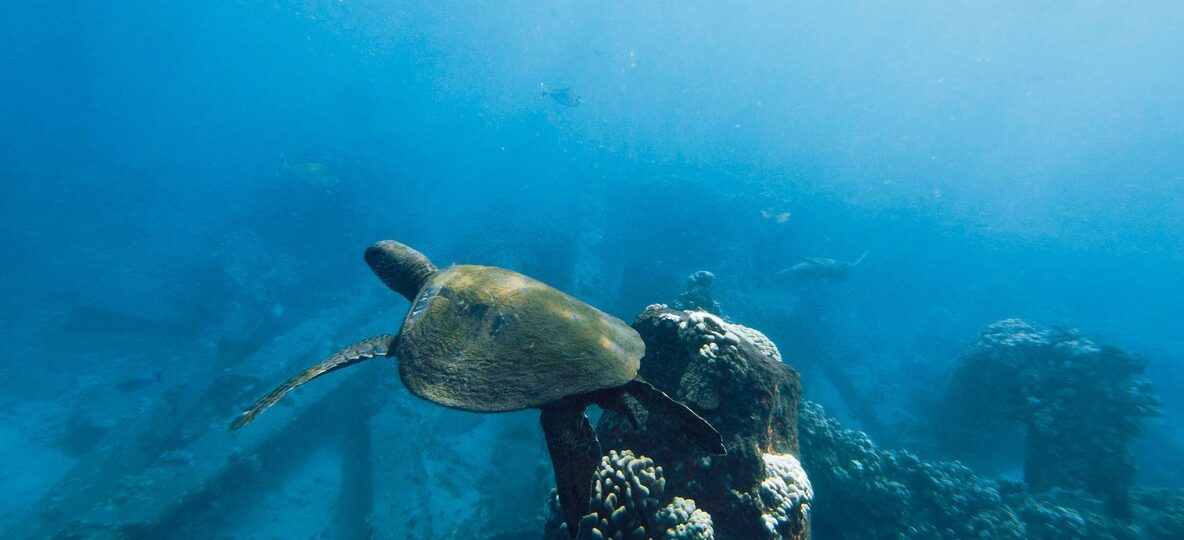
Marine Conservation on the Swahili Coast: Turtles, Coral and Seagrass
Marine conservation on the Swahili Coast is essential for protecting sea turtles, coral reefs, seagrass meadows and the fishing communities that depend on healthy coastal waters. Stretching along the Indian Ocean coastline of East Africa, the Swahili Coast contains some of the region’s most important marine habitats.
Destinations such as Watamu, Diani, Mombasa, Zanzibar and Mafia Island attract visitors interested in beaches, snorkelling, diving and marine wildlife.
However, these environments face increasing pressure from pollution, destructive fishing, coastal development and climate change.
Conservation organisations, government agencies and coastal communities are working together to protect marine habitats while supporting responsible tourism.
Understanding marine conservation on the Swahili Coast can help you make informed travel decisions and appreciate the importance of protecting the ocean’s wildlife.
What Is Marine Conservation?
Marine conservation involves protecting ocean habitats, wildlife and natural resources.
Along the Swahili Coast, conservation activities focus on maintaining healthy coral reefs, protecting turtle nesting beaches and preserving seagrass meadows.
These habitats support fish populations, coastal biodiversity and local livelihoods.
Marine conservation programmes may involve:
Establishing protected marine areas.
Monitoring sea turtle nesting sites.
Restoring damaged coral reefs.
Protecting seagrass habitats.
Reducing plastic pollution.
Supporting sustainable fishing.
Educating coastal communities.
Promoting responsible marine tourism.
Successful conservation requires cooperation between local residents, researchers, tourism operators and government authorities.
1. Sea Turtle Conservation on the Swahili Coast
Sea turtles are among the most recognisable marine animals found along East Africa’s coastline.
Several species occur in the western Indian Ocean, including green turtles, hawksbill turtles, loggerheads, leatherbacks and olive ridleys.
However, not all these species regularly nest along the Swahili Coast.
In Tanzania, green and hawksbill turtles are the principal nesting species.
Why Sea Turtles Need Protection
Sea turtles face numerous threats.
Fishing nets can accidentally trap turtles underwater.
Plastic waste may be swallowed or cause entanglement.
Coastal development can damage nesting beaches, while artificial lighting may confuse newly hatched turtles.
Illegal collection of eggs and deliberate killing have also affected turtle populations.
Because sea turtles mature slowly, population recovery can take many years.
2. Watamu Turtle Conservation, Kenya
Watamu is one of Kenya’s best-known coastal conservation destinations.
The area contains coral reefs, seagrass habitats and important turtle nesting beaches.
Watamu Marine National Park helps protect marine wildlife and supports responsible tourism.
Local Ocean Conservation
Local Ocean Conservation operates the Watamu Turtle Watch programme.
The organisation works with fishing communities, conservation authorities and volunteers to protect sea turtles.
Its activities include:
Turtle rescue and rehabilitation.
Nest monitoring.
Community conservation education.
Bycatch reduction.
Research and monitoring.
Can Tourists Visit?
Visitors can learn about marine conservation through the organisation’s educational activities.
Its Marine Information Centre provides opportunities to understand turtle protection and rehabilitation work.
However, wildlife rehabilitation activities must prioritise animal welfare.
Visitors should follow staff instructions and avoid handling turtles without authorisation.
3. Coral Reef Conservation in Kenya
Kenya’s coastline contains coral reef habitats supporting numerous marine species.
These reefs provide food, shelter and breeding areas for fish and other marine organisms.
Important protected destinations include Watamu Marine National Park, Malindi Marine National Park and Kisite-Mpunguti Marine National Park.
Why Coral Reefs Are Important
Coral reefs support coastal fisheries and marine biodiversity.
They also help reduce the energy of waves reaching some shorelines.
However, reefs are sensitive to environmental changes.
Rising sea temperatures can cause coral bleaching, while pollution and physical damage can reduce reef health.
Responsible Snorkelling
Visitors should avoid standing on coral or touching living reef structures.
Even small contact can damage delicate organisms.
Maintain good control of your swimming movements and equipment.
Never collect coral fragments as souvenirs.
4. Kisite-Mpunguti Marine National Park
Located off Kenya’s southern coast, Kisite-Mpunguti is an important marine conservation destination.
The protected area contains coral habitats and supports diverse marine wildlife.
Visitors may encounter colourful reef fish, dolphins and sea turtles.
Conservation and Tourism
Marine protection helps manage activities that could damage habitats.
Responsible snorkelling and boat excursions can provide revenue for conservation and nearby communities.
However, operators must respect wildlife viewing regulations.
Dolphins should never be chased, surrounded or approached aggressively.
Choose boat operators who allow animals to move naturally.
5. Marine Conservation Around Zanzibar
Zanzibar is known for its beaches, coral reefs and coastal cultural heritage.
Marine habitats surrounding the islands support fish, turtles and numerous invertebrates.
However, tourism growth and coastal development have increased pressure on some areas.
Coral Reef Protection
Coral reefs around Zanzibar support snorkelling and diving activities.
Conservation efforts focus on reducing damaging activities and improving marine management.
Responsible operators encourage visitors to avoid touching coral and disturbing marine animals.
Coastal Communities
Fishing provides income for many Zanzibar households.
Conservation programmes must therefore consider the needs of communities that depend on marine resources.
Sustainable fishing and responsible tourism can help support long-term coastal livelihoods.
6. Mafia Island Marine Park, Tanzania
Mafia Island Marine Park is one of Tanzania’s important marine protected areas.
The park contains coral reefs, seagrass beds, mangrove forests and tidal habitats.
These environments support marine biodiversity and local fisheries.
Turtle Nesting Beaches
Green and hawksbill turtles use suitable beaches in the wider Mafia Island area for nesting.
Conservation activities help protect nesting habitats and reduce human disturbance.
Responsible Marine Activities
Visitors can participate in authorised snorkelling, diving and boat excursions.
However, tourism activities should follow marine park regulations.
Avoid touching marine wildlife or collecting shells and coral from protected areas.
7. What Are Seagrass Meadows?
Seagrass consists of flowering plants that grow underwater in shallow coastal environments.
Unlike seaweed, seagrass has roots, leaves and flowers.
Seagrass meadows occur along parts of the Kenyan and Tanzanian coasts.
They provide important habitats for fish, invertebrates and other marine wildlife.
Why Seagrass Is Important
Seagrass meadows support several environmental functions.
They provide shelter for juvenile fish, help stabilise seabed sediments and absorb nutrients.
They also store carbon in plant material and sediments.
Green turtles feed directly on seagrass in suitable habitats.
Protecting seagrass therefore contributes to marine biodiversity and fisheries.
8. Threats Facing Seagrass Habitats
Seagrass meadows can be damaged by several human activities.
Coastal Development
Construction near shorelines may increase sediment entering the water.
Excessive sediment can reduce sunlight reaching underwater plants.
Boat Anchoring
Anchors can tear seagrass roots and damage surrounding vegetation.
Pollution
Wastewater and nutrient pollution can affect water quality.
Destructive Fishing
Certain fishing methods can damage seabed habitats.
Climate Change
Rising temperatures and changing environmental conditions may affect seagrass growth.
Protection requires careful coastal management and responsible marine activities.
9. Comparing Marine Conservation Destinations
| Destination | Country | Important habitats | Conservation focus |
|---|---|---|---|
| Watamu | Kenya | Coral reefs, seagrass, beaches | Turtle rescue and reef protection |
| Malindi | Kenya | Coral reefs and coastal waters | Marine habitat conservation |
| Kisite-Mpunguti | Kenya | Coral reefs and islands | Protected marine biodiversity |
| Diani coast | Kenya | Beaches and nearby marine habitats | Turtle protection and coastal conservation |
| Zanzibar | Tanzania | Coral reefs and seagrass | Sustainable tourism and habitat protection |
| Mafia Island | Tanzania | Coral reefs, seagrass, mangroves | Marine park management and turtle protection |
These destinations offer different opportunities for responsible coastal tourism.
10. How Marine Conservation Supports Fishing Communities
Healthy marine habitats support fish populations.
Coral reefs provide shelter for numerous species, while seagrass meadows offer important nursery areas.
When these habitats become damaged, fishing communities may experience reduced catches.
Marine conservation can help maintain suitable breeding and feeding environments.
Community Participation
Local fishermen can contribute through:
Reporting injured sea turtles.
Avoiding destructive fishing methods.
Participating in marine monitoring.
Respecting protected fishing zones.
Supporting conservation education.
Community involvement is particularly important because many households depend directly on coastal resources.
11. Plastic Pollution Along the Swahili Coast
Plastic pollution remains a concern in coastal environments.
Discarded bottles, fishing lines and packaging can enter the ocean.
Sea turtles may mistake floating plastic for food.
Marine animals can also become entangled in abandoned fishing equipment.
How Travellers Can Reduce Plastic Waste
Carry a reusable water bottle.
Avoid leaving rubbish on beaches.
Use designated waste collection points.
Choose accommodation that reduces disposable plastic products.
Participate in organised beach clean-ups when appropriate.
Preventing waste from entering the ocean is more effective than removing it after pollution occurs.
12. Coral Bleaching and Climate Change
Coral bleaching occurs when environmental stress causes corals to lose the microscopic algae living within their tissues.
Prolonged exposure to unusually warm water is a major cause.
Bleached corals are not necessarily dead, but continued stress can lead to mortality.
Can Coral Reefs Recover?
Some corals recover when environmental conditions improve.
However, repeated marine heatwaves can reduce recovery opportunities.
Reducing local pollution and physical damage may improve reef resilience.
Long-term protection also requires global action to reduce greenhouse gas emissions.
13. How Tourists Can Support Marine Conservation
Travellers can contribute through responsible choices.
Choose Licensed Marine Operators
Book snorkelling and diving activities with operators who follow conservation regulations.
Avoid Touching Wildlife
Never handle turtles, dolphins or other marine animals for photographs.
Respect Nesting Beaches
Follow restrictions around turtle nesting areas.
Avoid bright lights near nesting turtles and hatchlings.
Support Conservation Organisations
Consider contributing to recognised marine conservation programmes.
Purchase Responsible Souvenirs
Avoid products made from sea turtle shell, protected coral or illegally collected marine wildlife.
14. Planning a Responsible Coastal Safari
A coastal holiday can complement a traditional East African wildlife safari.
For example, travellers visiting Kenya’s Maasai Mara may continue to Watamu or Diani for marine experiences.
Visitors exploring Tanzania’s Serengeti may combine their safari with Zanzibar or Mafia Island.
When planning these journeys, consider seasonal conditions, marine park regulations and responsible accommodation.
Choose activities that support conservation without disturbing wildlife.
Marine conservation on the Swahili Coast plays an important role in protecting sea turtles, coral reefs, seagrass meadows and coastal livelihoods.
Destinations such as Watamu, Kisite-Mpunguti, Zanzibar and Mafia Island demonstrate the importance of marine protected areas and community participation.
However, pollution, destructive fishing, habitat damage and climate change continue to threaten coastal environments.
Responsible tourism can support conservation through park fees, ethical wildlife activities and local employment.
By choosing suitable operators, reducing waste and respecting marine habitats, travellers can contribute to protecting East Africa’s coastal wildlife.


No comment