
Goma and Virunga National Park: Current Safety Picture for Travellers
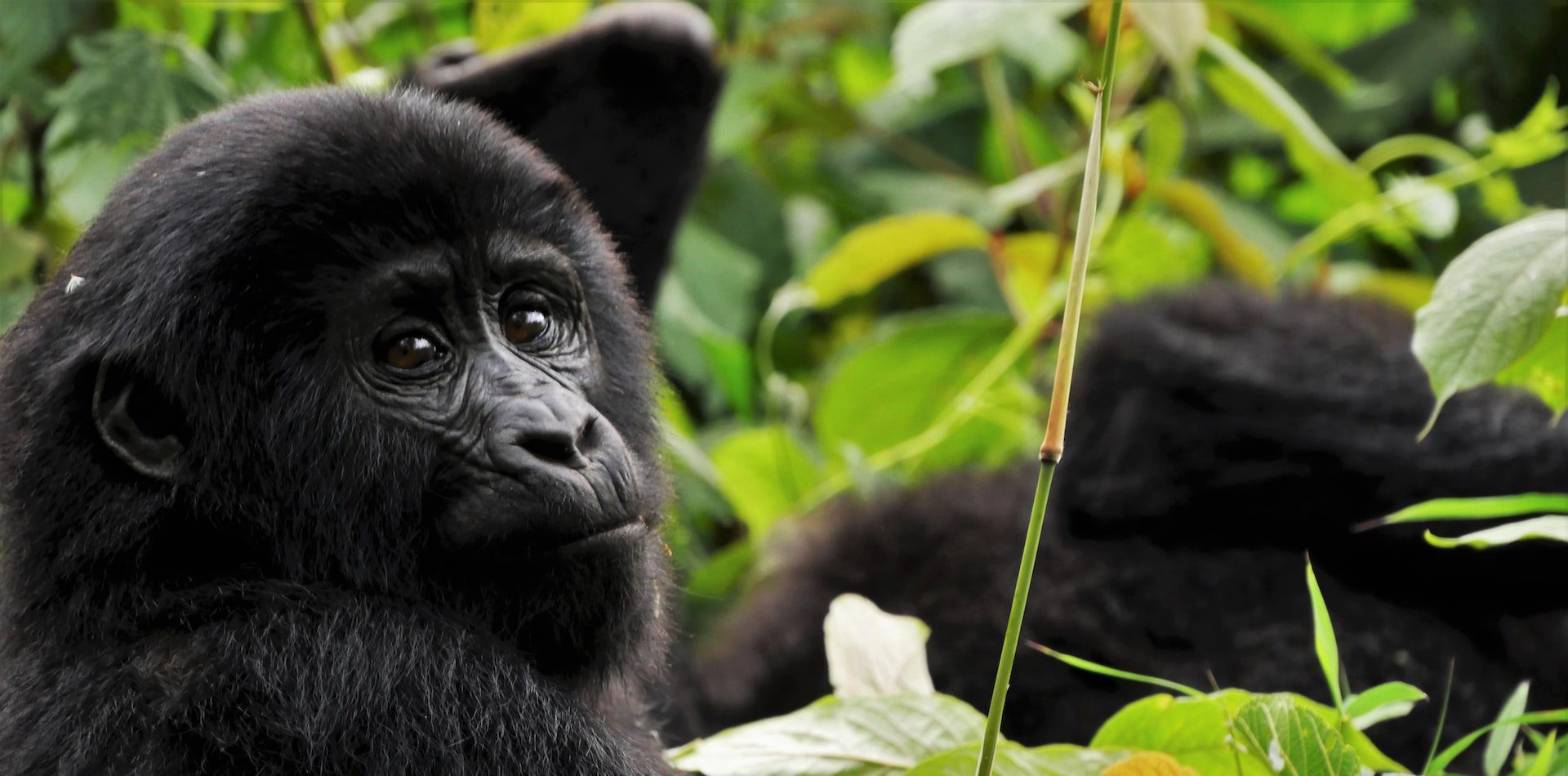
Goma and Virunga National Park are among the most recognisable destinations in the eastern Democratic Republic of Congo (DRC). Goma sits on the northern shore of Lake Kivu, close to the Rwandan border, while Virunga National Park protects a remarkable landscape of volcanoes, forests, lakes and wildlife. The park is internationally known for its mountain gorillas, active volcanoes and exceptional biodiversity.
However, travelling to this part of the DRC requires careful attention to security conditions. The conflict in North Kivu has significantly affected Goma, surrounding communities and access to Virunga National Park. The situation is particularly important for international visitors considering gorilla trekking, Mount Nyiragongo expeditions or a cross-border journey from Rwanda.
As of 2 November 2026, several major foreign travel advisories continue to warn against travel to Goma and North Kivu. The United Kingdom’s Foreign, Commonwealth and Development Office advises against all travel to North Kivu, including Goma. Australia’s Smartraveller also advises against travel to the DRC, citing conflict, kidnapping, violent unrest and other security threats. These warnings should guide travel decisions more than older tourism information or previously advertised park activities.
This article explains the current security picture, the effect on tourism, the risks surrounding Virunga National Park and what travellers should consider before planning a visit. Conditions can change quickly, so the information should be checked again before making travel arrangements.
Where are Goma and Virunga National Park?
Goma is the capital of North Kivu Province in eastern DRC. It stands on the northern shore of Lake Kivu, close to Rwanda’s western town of Gisenyi, also known as Rubavu. The two towns are separated by an international border and have historically maintained strong commercial and social connections.
Goma is also situated near Mount Nyiragongo, one of the region’s best-known active volcanoes. The surrounding landscape includes volcanic plains, forested hills and communities that depend on agriculture, trade and tourism.
Virunga National Park lies in eastern DRC and covers a large area of varied natural habitats. Established in 1925, it is Africa’s oldest national park and a UNESCO World Heritage Site. Its ecosystems include mountain forests, savannah, wetlands, lakes and volcanic landscapes.
The park is internationally recognised for its mountain gorillas, which live in the forested Virunga Mountains. Other wildlife includes chimpanzees, elephants, hippos, buffaloes and several bird species.
Before the current security crisis, Goma served as an important base for visitors travelling to parts of Virunga National Park. Tourists used the city for accommodation, transport arrangements and access to park activities. The conflict has disrupted this tourism network and made previous travel arrangements unreliable.
The current security situation in Goma
Goma has experienced major security changes following the advance of the M23 armed group in North Kivu. M23 and Rwanda Defence Forces (RDF) captured the city in January 2025. The situation has remained unstable, with continuing concerns about armed activity, security control, displacement and the ability of civilians and foreign nationals to move safely.
The British government’s travel advice, current on 2 November 2026, states that M23 and RDF have captured Goma and Bukavu, along with surrounding areas. It describes the security situation in North and South Kivu as highly unstable and unpredictable. It also warns that available routes for leaving Goma can change at short notice.
For travellers, this means that ordinary tourism precautions are insufficient. The risks include exposure to armed violence, roadblocks, sudden restrictions on movement, demonstrations, kidnapping and interruptions to transport services.
The presence of armed personnel and changes in local security control can also make it difficult to predict whether a road, hotel area or public facility will remain accessible. Foreign visitors may have limited access to emergency assistance if an incident occurs.
Australia’s current travel advice specifically identifies Goma and other parts of eastern DRC as areas affected by conflict and serious security threats. It also identifies kidnapping as a significant risk in the region, including around Virunga National Park.
Travellers should therefore avoid treating Goma as a normal city-break destination while these warnings remain in place.
Is Virunga National Park open to tourists?
Virunga National Park has historically offered several tourism activities, including mountain gorilla trekking, chimpanzee experiences, guided nature excursions and volcano expeditions. These activities attracted visitors interested in wildlife and remote landscapes.
However, the availability of a tourism activity does not establish that the journey is safe. Park operations, security arrangements and access routes can change in response to the conflict. A tour advertised online may describe an earlier operating period rather than the current situation.
As of November 2026, foreign travel advisories identify North Kivu and Virunga National Park’s wider region as high-risk areas. Australia’s Smartraveller specifically identifies Virunga National Park as an area where kidnapping risk is high. The United Kingdom advises against all travel to North Kivu, including Goma.
Visitors should not book a gorilla trek, volcano expedition or other excursion in the park based solely on an old itinerary, a previous visitor’s experience or an online booking page.
Before considering any future visit, check the latest official park announcements and government travel advice. You should also confirm whether the specific activity is operating, which routes are authorised and whether independent security arrangements are in place.
Even if a park operator confirms that a particular activity is available, that confirmation does not override an official government warning against travel.
What happened to tourism around Goma?
Tourism in Goma and the surrounding areas was an important source of income for local communities. Hotels, restaurants, transport providers, guides, porters and conservation organisations benefited from visitors travelling to Virunga National Park and Lake Kivu.
Gorilla trekking was one of the park’s most important tourism products. Visitors travelled internationally to see mountain gorillas in their natural habitat, often combining the experience with other destinations in Rwanda or Uganda.
The conflict has disrupted this tourism activity. Insecurity affects the movement of visitors, staff, supplies and conservation teams. Accommodation providers and local businesses also face uncertainty when international travellers cancel or postpone their plans.
The wider humanitarian situation has created additional pressure. Displacement, damaged livelihoods and interruptions to basic services affect communities that previously depended partly on tourism.
This means that the consequences extend beyond cancelled holidays. Conservation programmes and local businesses operate in a difficult environment where security and access can change rapidly.
Travellers who want to support communities in eastern DRC should consider safer ways of contributing through established humanitarian or conservation organisations rather than attempting to enter areas affected by conflict.
Mountain gorilla trekking in Virunga: What travellers should know
Virunga National Park is famous for its mountain gorilla population. The park’s gorillas live in forested mountain habitats within the wider Virunga landscape, which also extends into Rwanda and Uganda.
Before the current security crisis, gorilla trekking in Virunga provided an alternative to the more established trekking experiences in Rwanda and Uganda. Visitors could book permits, travel with guides and spend a limited period observing a habituated gorilla family.
The experience was attractive to travellers seeking a different gorilla trekking destination. It also supported conservation work and employment for communities connected to the park.
At present, travellers should not assume that Virunga gorilla trekking is available or safe simply because the activity appears in older travel brochures. The security risks in North Kivu make it essential to follow current official advice.
If gorilla trekking is your main reason for visiting the region, consider alternatives in Rwanda or Uganda. Both countries have established mountain gorilla trekking programmes, although their permits, costs, accommodation and travel arrangements differ.
In Rwanda, trekking takes place in Volcanoes National Park. In Uganda, visitors can track mountain gorillas in Bwindi Impenetrable National Park and Mgahinga Gorilla National Park.
These alternatives allow travellers to plan a gorilla experience without travelling into North Kivu. However, the security situation around the Rwanda-DRC border also requires attention. Australia’s travel advice currently warns against travel to Rubavu District in Rwanda, including Gisenyi, because of the volatile security situation and risk of active fighting.
Mount Nyiragongo and volcano tourism
Mount Nyiragongo is one of Africa’s most famous active volcanoes. Its summit crater has historically attracted adventurous travellers interested in volcanic landscapes and the large lava lake that has been a major feature of the mountain.
The volcano is located near Goma and forms part of the Virunga volcanic region. Its proximity to the city made it a popular attraction for visitors who wanted to combine a city stay with a guided mountain expedition.
A typical expedition previously involved travelling to the park headquarters, joining an organised group and hiking towards the summit with guides and support staff. The climb required good physical fitness, suitable clothing and preparation for cold conditions at higher elevations.
However, Mount Nyiragongo is within the same wider security environment affecting Goma and North Kivu. The current conflict makes it inappropriate to plan an ordinary tourist expedition there.
Volcanic activity also presents a separate natural hazard. Nyiragongo has a history of eruptions, including the major eruption in May 2021 that caused damage and displacement around Goma. Travellers considering the region in the future should check both security information and official volcanic monitoring updates.
Do not confuse an advertised expedition with an officially authorised and safe operation. A mountain guide’s availability cannot remove the wider risks associated with armed conflict.
Goma International Airport and transport restrictions
Goma International Airport has historically served as an important transport point for the region. It supported passenger movement, humanitarian operations and tourism-related travel.
The airport was affected by the conflict, and commercial flights are no longer operating from it according to the British government’s current travel advice. The airport has also been attacked and is not a reliable option for visitors planning an ordinary arrival or departure.
This creates serious transport challenges. Travellers cannot assume they will be able to leave Goma by air if the security situation deteriorates. Road routes may also become restricted or unsafe, and border crossings can close at short notice.
The British government specifically warns that routes for leaving Goma are limited and may change quickly. It also notes that the Gisenyi-Goma border crossing may close without notice.
Anyone already in the region should monitor official security information and follow instructions from local authorities and their embassy. They should not attempt to travel towards a border crossing without confirming that the route and crossing are accessible.
For future tourism planning, visitors should wait until commercial transport services and official travel advice provide a clear basis for considering travel.
Crossing between Rwanda and Goma
The Gisenyi-Goma border has historically been an important crossing for travellers moving between Rwanda and eastern DRC. It connected two neighbouring lakeside towns and supported trade, family visits and tourism.
Before the current conflict, some visitors used Rwanda as a gateway to Virunga National Park. They travelled to Kigali, continued to Gisenyi and crossed into Goma before proceeding to park accommodation or activity locations.
This route should not be treated as a dependable tourism corridor under current conditions. The British government warns that the Gisenyi-Goma crossing can close at short notice. Australia’s current Rwanda travel advice also reports border restrictions and advises against travel to Rubavu District because of the volatile security situation.
Travellers should not plan to cross the border simply because it was open during a previous visit. Border access, immigration procedures and security arrangements can change quickly.
If you are travelling in Rwanda, check the latest official advice for Rubavu and the wider border region. Staying in another part of Rwanda does not automatically make a planned excursion to Goma safe.
Health considerations for travellers
Security is the main concern when considering Goma and Virunga National Park, but health arrangements also deserve attention.
The DRC is experiencing an Ebola public health emergency as of November 2026. The World Health Organization declared the outbreak a Public Health Emergency of International Concern in May 2026. The current British travel advice identifies the outbreak as active and evolving, while Australia’s advice also warns travellers about health screening measures and entry requirements.
Travellers who have been in the DRC may face additional health checks when entering another country. Requirements can include temperature screening, health declarations or other measures determined by the destination authorities.
If you have travelled through the DRC, check the entry requirements for your next destination before departure. This is particularly important when travelling onwards through Rwanda or connecting to international flights.
Other health considerations in the region include malaria, waterborne diseases and limited access to emergency medical facilities in some locations. Visitors should obtain professional travel health advice before any future trip and confirm that their insurance covers the destinations and activities planned.
Travel insurance may also become invalid if you travel against an official government warning. Read the policy carefully and obtain written confirmation from the insurer before making any decision to enter a high-risk area.
Can travellers visit Goma from Rwanda for a day trip?
A day trip from Rwanda to Goma was previously possible for some visitors, particularly those staying in Gisenyi. Travellers could cross the border, visit selected locations and return to Rwanda.
That arrangement should not be used as a current travel plan. The security situation in Goma and the surrounding North Kivu region remains unstable, and the border may close at short notice. Official travel advice warns against entering the area.
A short visit does not remove the risks. Visitors may face problems with road access, movement restrictions, security incidents or delays that prevent them from returning to Rwanda as planned.
Travellers should also consider the limited availability of consular assistance in eastern DRC. The British government warns that its ability to provide support outside Kinshasa is severely limited.
For now, visitors based in Rwanda should focus on destinations away from the DRC border and follow their government’s latest regional travel advice.
Safer alternatives for gorilla trekking and volcano experiences
Travellers interested in Virunga National Park often want to see mountain gorillas, explore volcanic landscapes or experience the wider Albertine Rift region. Several alternatives in Uganda and Rwanda offer related activities.
Volcanoes National Park in Rwanda provides mountain gorilla trekking in the Rwandan section of the Virunga Mountains. It is accessible from Kigali through the Musanze area. Visitors can also track golden monkeys and explore the surrounding volcanic landscape.
Bwindi Impenetrable National Park in Uganda is one of the world’s principal mountain gorilla destinations. It protects several habituated gorilla families and offers trekking in different sectors. The park also supports birdwatching, forest walks and community experiences.
Mgahinga Gorilla National Park in Uganda protects part of the Virunga Mountains and offers mountain gorilla trekking, golden monkey tracking and guided volcano hikes when authorised and operating. The park’s volcanic peaks include Mount Muhabura, Mount Gahinga and Mount Sabyinyo.
These destinations are not substitutes for visiting Goma or Virunga itself, but they offer alternatives for travellers whose main interests are gorillas, mountain forests and volcanic scenery.
Visitors should still check current travel advice for the specific areas they intend to visit. Safety conditions can differ between countries, districts and border regions.
When could tourism return to Goma and Virunga?
A return to normal tourism will depend on sustained improvements in security, reliable access and the ability of park authorities and local businesses to operate safely.
A temporary reduction in fighting would not necessarily mean that the region is ready for international tourism. Operators would need to assess road conditions, transport availability, staff safety, accommodation services and emergency response arrangements.
Conservation work also depends on stable conditions. Rangers and other park staff need reliable access to protected areas, while communities require security and economic opportunities to participate in conservation activities.
Travellers should avoid relying on predictions about when the region will reopen. There is no dependable date that can be used to plan a future visit while the security situation remains uncertain.
Instead, monitor official announcements from Virunga National Park, relevant government travel advisories and reliable news organisations. Reassess your plans close to the intended travel date rather than making non-refundable bookings months in advance.
Practical advice before considering travel to eastern DRC
Anyone considering travel to Goma or Virunga should begin with their government’s official travel advisory. Check the specific advice for North Kivu, not simply the general country-level summary.
If the advisory says to avoid all travel, take that warning seriously. Do not assume that travelling with a private driver, local guide or security escort makes the journey acceptable or removes the risks.
Avoid booking non-refundable flights, hotels or activities in the region while official warnings remain in place. Confirm insurance coverage in writing, particularly if your itinerary includes areas affected by conflict.
If you are already in Goma or another affected area, follow local security instructions, maintain contact with your embassy where possible and monitor reliable updates. Do not attempt to leave by a route that has not been confirmed as accessible and safe.
For travel agencies and tour operators, it is important to distinguish between historical tourism information and current operating conditions. Old gorilla trekking itineraries, previous permit prices and former border procedures should not be presented as evidence that a trip can currently take place safely.
Is Goma and Virunga National Park suitable for travellers now?
As of 2 November 2026, Goma and the wider North Kivu region are not suitable destinations for ordinary international tourism under the current official travel warnings. The British government advises against all travel to North Kivu, including Goma, while Australia’s government advises against travel to the DRC and identifies serious conflict and kidnapping risks.
Virunga National Park remains an internationally important conservation area, but its wildlife attractions and historic tourism activities do not make the surrounding security situation safe for visitors.
Travellers interested in mountain gorillas, volcanoes and forest experiences should consider established alternatives in Uganda and Rwanda, while checking the latest advice for each destination. Anyone hoping to visit Goma or Virunga in the future should wait for clear improvements in security, reliable transport access and official confirmation that tourism activities can operate safely.




No comment