
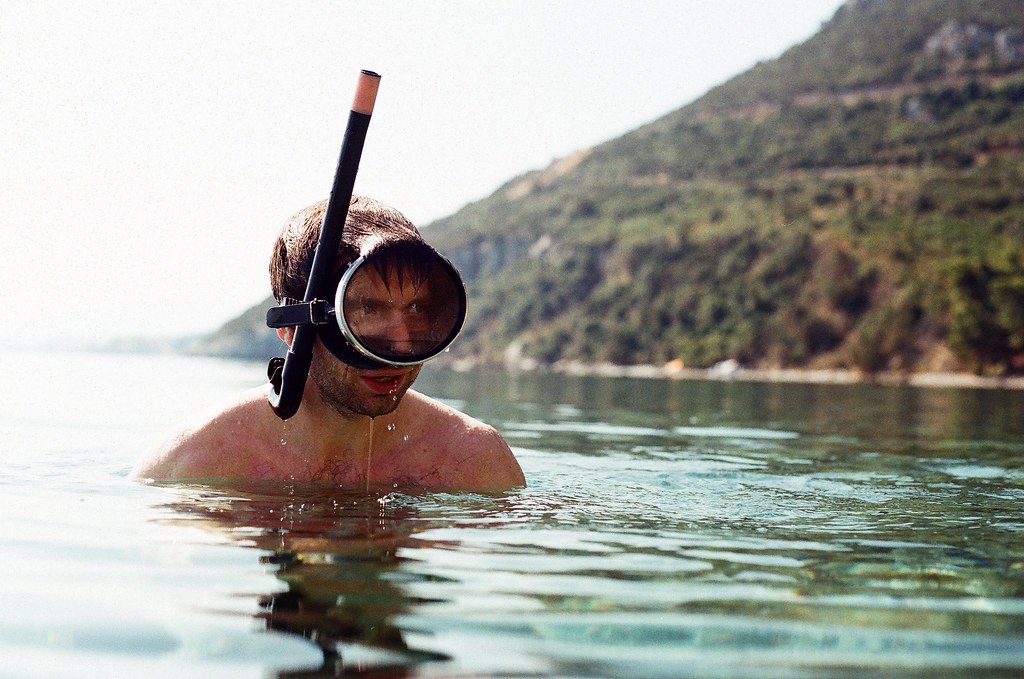
Mnemba Atoll snorkelling and diving: What you can expect
Mnemba Atoll is one of Zanzibar’s best-known marine destinations, attracting visitors who want to explore coral reefs, swim in clear Indian Ocean water and encounter tropical marine life. Located off the northeast coast of Unguja, the main island of Zanzibar, the atoll offers opportunities for both snorkelling and scuba diving. Its underwater environment includes colourful reef fish, coral formations and the possibility of seeing sea turtles, rays and dolphins.
A visit to Mnemba is a good addition to a Zanzibar beach holiday, particularly if you enjoy water-based activities. You do not need to be an experienced diver to appreciate the area. Snorkelling allows you to observe marine life from the surface, while scuba diving takes you deeper into the reef system and gives certified divers access to underwater sites with different depths and conditions.
Before arranging your trip, it helps to understand where Mnemba is located, how excursions operate, what marine life you might encounter and how to choose the right experience for your swimming or diving ability.
Where is Mnemba Atoll?
Mnemba Atoll lies approximately three kilometres off Zanzibar’s northeast coast, near Matemwe. It surrounds Mnemba Island, a small private island known for its exclusive accommodation and beautiful beaches. The surrounding waters form a recognised marine conservation area that protects coral reefs and marine habitats.
Most visitors reach the atoll by boat from Matemwe, Muyuni, Nungwi or other nearby coastal areas. Matemwe is particularly convenient because it is close to the reef, making the boat journey relatively short. Travellers staying in Nungwi or Kendwa can also arrange excursions, although their transfers and boat journeys may take longer.
One important detail is that Mnemba Island itself is private. Ordinary day-trip visitors cannot land on its beach or explore the island. Snorkelling and diving excursions take place in the surrounding waters, where the coral reefs and marine life are found. Some tours may also include a sandbank stop when tides and sea conditions allow, but this is separate from visiting the private island.
What makes Mnemba Atoll special?
Mnemba is popular because of its underwater environment. The reefs support a variety of tropical fish, coral species and other marine organisms. The combination of warm water, attractive underwater scenery and opportunities to encounter marine animals makes it one of the most recognised snorkelling and diving locations around Zanzibar.
The reef has different sections, including shallow areas that suit snorkellers and deeper sites that attract scuba divers. Water clarity can be excellent when weather and sea conditions are favourable. Visibility sometimes reaches 20 to 40 metres, although it varies with wind, currents, rainfall and other environmental conditions.
The marine conservation area also makes responsible tourism important. Visitors should follow their guides’ instructions, avoid touching coral and keep a respectful distance from marine animals. The reef is a living habitat, and careless contact can damage coral that takes many years to recover.
What to expect when snorkelling at Mnemba
Snorkelling is the most common way visitors experience Mnemba Atoll. Most excursions involve a boat ride to a suitable reef section, a safety briefing and time in the water with a mask, snorkel and fins. Depending on the operator and conditions, the trip may include more than one snorkelling location.
Once you enter the water, you can look down at coral formations and schools of tropical fish moving around the reef. The shallow sections make it possible to observe marine life without scuba equipment. You may see fish in different colours and sizes, including parrotfish, angelfish, butterflyfish, wrasse and sergeant major fish.
Green sea turtles are among the animals visitors hope to encounter. They may be seen feeding around seagrass beds or swimming near the reef. Sightings are possible but never guaranteed. Rays, moray eels and other marine species may also appear, depending on the location and conditions.
The experience can be enjoyable for beginners, although you should be comfortable in open water or use a properly fitted life jacket. Some sections have currents, and conditions can change during the excursion. A guide who understands the reef and local sea conditions can help you choose a suitable place to snorkel.
If you have never snorkelled before, tell the operator when booking. Ask whether the guide enters the water with the group, whether life jackets are available and whether the equipment comes in different sizes. A short explanation before entering the water can make the activity easier and more comfortable.
Marine life you may see
The variety of marine life is one of the main reasons people visit Mnemba. The reef provides feeding and shelter areas for numerous fish and other sea creatures. Although no particular sighting is guaranteed, several species are commonly associated with the area.
Parrotfish are often seen swimming above coral formations. They use strong beak-like teeth to feed on algae and material from the reef. Their bright colours make them easy to recognise.
Angelfish and butterflyfish are also common sights. These smaller reef fish move between coral formations and often appear in pairs or small groups. Their patterns and colours make them interesting to observe while snorkelling.
Green sea turtles are another possible encounter. They may be seen around seagrass areas and reef sections. If you encounter one, remain at a distance and allow it to swim or feed without interference. Never attempt to touch, hold or chase a turtle.
Dolphins may appear during the boat journey to or from the reef. Spinner and bottlenose dolphins are found in Zanzibar’s surrounding waters, but their presence varies. A responsible operator should observe them without chasing, surrounding or disturbing the animals. Treat dolphin sightings as a bonus rather than a guaranteed part of your excursion.
More experienced divers may encounter moray eels, rays, reef sharks and larger reef fish at suitable sites. These animals are part of the natural marine environment and generally should be observed without approaching or provoking them.
Scuba diving around Mnemba Atoll
Scuba diving offers a different experience from snorkelling because it allows you to explore deeper sections of the reef. Mnemba has several dive sites with varying depths, underwater formations and current conditions. Some locations are suitable for beginners, while others are better for experienced divers.
Underwater features include coral gardens, reef slopes, sandy areas and deeper drop-offs. Depending on the site, divers may encounter schools of reef fish, turtles, rays, moray eels and larger fish moving along the reef.
Kichwani Reef is among the recognised dive locations around Mnemba. It is known for deeper reef sections and drift-diving opportunities. The depth and current conditions mean that divers should have the appropriate training and experience before attempting particular sections.
Wattabomi is another known site, with shallower sections that can suit snorkellers and less experienced divers when conditions are appropriate. Marine life includes smaller reef fish and species that shelter around coral and sandy areas.
Dive centres normally assess your experience before recommending a site. If you hold an internationally recognised scuba certification, you can discuss your qualification, recent diving experience and preferred depth with the centre. The instructor or dive guide will then help determine which location is suitable.
Can beginners go diving at Mnemba?
Yes. Beginners can experience scuba diving around Mnemba through an introductory programme offered by a qualified dive centre. You do not necessarily need an existing scuba certification for an introductory dive, but you must meet the centre’s age, health and safety requirements.
An introductory experience usually begins with a briefing about breathing underwater, using the equipment, communicating with hand signals and equalising pressure in your ears. You may practise basic skills in shallow water before entering the sea with an instructor.
The instructor stays close throughout the experience and controls the dive according to your ability and the conditions. You should never feel pressured to descend deeper or continue if you are uncomfortable.
If you already have a diving certificate, you can arrange guided dives at sites suited to your qualification. Share your certification details and recent experience when booking, especially if you have not dived for several months or years.
How a typical Mnemba excursion works
Most Mnemba snorkelling trips take place in the morning. Early departures are popular because the sea can be calmer and there may be fewer boats at the reef before the busiest part of the day.
Your operator will arrange a meeting point or hotel transfer, depending on where you are staying. After reaching the departure beach, you board a boat and travel towards the atoll. The journey from Matemwe is relatively short, while departures from more distant coastal areas can take longer.
Once the boat reaches the selected location, the crew explains the activity and provides equipment. Snorkellers enter the water at designated areas, usually with a guide nearby. The time spent in the water depends on the trip schedule, sea conditions and the number of stops included.
Some excursions include fresh fruit and drinking water on the boat. Others may offer additional stops, such as a sandbank visit, depending on the tide. Confirm the exact programme before booking because not every Mnemba trip includes the same services.
Most standard snorkelling excursions last around half a day, although longer trips are available. Scuba diving arrangements depend on the number of dives, the chosen sites and the training or certification requirements.
Best time for snorkelling and diving at Mnemba
Mnemba can be visited throughout the year, but the quality of the experience depends on weather and sea conditions. Calm water generally makes boat journeys more comfortable and improves the conditions for observing marine life.
June to October is a popular period because it falls within Zanzibar’s main dry season. The weather is generally drier, and conditions can be favourable for boat excursions and underwater activities. July and August are busy travel months, so arranging your trip in advance can help secure your preferred departure.
December to February is another good period for a beach holiday and marine activities. These months are generally warm, with opportunities for snorkelling and diving when the sea is suitable.
March can still offer good conditions, although rainfall becomes more likely as the long rainy season approaches. April and May usually bring heavier rainfall and less predictable sea conditions. Trips may be postponed or cancelled when the water is rough or visibility is poor.
November has shorter rains, and conditions can vary. Some days are suitable for snorkelling and diving, while others may be affected by showers and changing sea conditions.
Regardless of the month, ask your operator about the forecast and tides before departure. A trip scheduled for a particular morning may be adjusted if the sea is unsuitable.
Does Mnemba have strong currents?
Currents are an important consideration around Mnemba. Some reef sections have relatively gentle conditions, while others experience stronger water movement. This is particularly relevant for snorkellers who are not confident swimmers and divers who are unfamiliar with drift diving.
Before entering the water, listen carefully to the guide’s instructions. Stay within the agreed area, keep the guide in sight and avoid swimming away from the group. If you feel tired, uncomfortable or unable to manage the current, signal the guide immediately.
Scuba divers should choose sites according to their training and experience. Drift dives require good buoyancy control, awareness of the group and the ability to follow the dive guide’s instructions. Beginners should use sites selected by their instructor rather than attempting deeper or more challenging locations.
What should you bring?
You do not need to carry a large amount of equipment for a standard snorkelling trip because many operators provide masks, snorkels and fins. However, bringing a few personal items can make the excursion more comfortable.
Pack swimwear, a towel, drinking water and a change of clothes. A waterproof bag can protect your phone, wallet and other belongings from splashes. Bring reef-safe sun protection or wear a long-sleeved rash vest to reduce direct exposure to the sun.
If you have your own well-fitting mask and snorkel, you may prefer to bring them. Personal equipment can be more comfortable, especially if you have difficulty finding a suitable mask.
Travellers who are prone to seasickness should consider appropriate precautions before boarding. The boat journey can become uncomfortable when the sea is choppy. If you take medication for motion sickness, follow its instructions and seek professional advice if you are unsure whether it is suitable for you.
For scuba diving, the dive centre normally provides the required equipment, although you should confirm what is included. Certified divers may bring personal masks, dive computers or other familiar equipment if they prefer.
Is Mnemba Atoll suitable for families?
Mnemba can be a good family activity when children are comfortable around water and the operator provides appropriate supervision. Older children who can swim confidently may enjoy observing fish and coral from the surface.
Parents should ask about minimum ages, child-sized life jackets, suitable masks and the level of supervision provided. Children should never enter the water without an adult or qualified guide supervising them.
Families with younger children may prefer a private or small-group boat because it can provide more flexibility. The crew can discuss whether the sea conditions are suitable and whether children can remain comfortably on the boat during the excursion.
Scuba diving has separate age and training requirements. An introductory dive for a child should only be arranged through a qualified centre that follows recognised training standards.
Choosing a responsible snorkelling or diving operator
The operator you choose can affect your safety and the quality of your visit. Mnemba is a popular destination, and several companies offer similar-looking excursions. Before paying, ask about the boat, equipment, guide qualifications, group size and conservation fees.
For snorkelling, choose an operator that provides suitable life jackets and has a guide who understands the local reef and currents. Smaller groups can make it easier to receive assistance and avoid overcrowding in the water.
For scuba diving, use a recognised dive centre with qualified instructors and properly maintained equipment. Ask whether the price includes equipment, boat transfers, tanks, weights and any applicable conservation charges. Certified divers should also confirm the number of dives and the expected depth.
Responsible operators should discourage visitors from standing on coral, touching marine animals, collecting shells or feeding fish. They should also avoid chasing dolphins or encouraging passengers to jump into the water around a moving pod.
The marine conservation area may charge visitor fees. Confirm whether these charges are included in your excursion price or collected separately. This helps you understand the full cost before departure.
Protecting the coral reef
Coral reefs are sensitive environments. Even a small amount of careless contact can damage coral structures and affect the organisms that depend on them. Visitors have a responsibility to avoid actions that disturb the reef.
Never stand, sit or place your fins on coral. Keep a comfortable distance from the reef, particularly when the water is shallow. Avoid touching turtles, fish, starfish or other marine animals, and do not remove coral fragments or shells.
Use reef-conscious sun protection and avoid leaving rubbish on the boat or in the sea. If you bring plastic packaging, take it back to shore for proper disposal.
Good buoyancy control is especially important for scuba divers. Poor control can cause accidental contact with coral, so divers should maintain enough distance from the reef and follow their guide’s instructions.
How much does a Mnemba Atoll trip cost?
The cost depends on the type of excursion, departure location, group size and services included. A shared snorkelling trip is generally less expensive than hiring a private boat. Scuba diving costs more because it requires specialised equipment, trained personnel and additional safety arrangements.
Some operators include masks, snorkels, fins, drinking water and fruit in their quoted prices. Others charge separately for transfers, conservation fees or equipment. A private trip may offer greater flexibility, but it usually costs more than joining a shared excursion.
Before booking, compare the complete package rather than choosing the cheapest advertised price. Ask whether the conservation fee is included, how many snorkelling stops are planned, whether a guide enters the water and what happens if bad weather prevents the trip from operating.
Prices can change according to season and operator, so confirm the final amount directly before making payment.
Where to stay for easy access to Mnemba
Matemwe is one of the most convenient places to stay if Mnemba Atoll is a major part of your Zanzibar plans. Its location on the northeast coast makes it a practical base for early boat departures and shorter transfers to the reef.
Nungwi and Kendwa are also popular choices. These northern beach destinations offer a wider selection of hotels, restaurants and other activities. You can arrange Mnemba excursions from either area, although the journey may take longer than departing from Matemwe.
Kiwengwa provides another option along Zanzibar’s northeast coast. Travellers staying there can arrange transfers to suitable departure points and combine a marine excursion with time at the beach.
If you are staying in Stone Town, Paje, Jambiani or another distant part of the island, allow additional time for road transfers. A half-day activity on the water may require a longer overall outing once transport is included.
Combining Mnemba with other Zanzibar activities
A Mnemba excursion can fit easily into a longer Zanzibar holiday. You can spend one morning snorkelling or diving and use the remaining days to explore the island’s beaches, cultural attractions and other marine destinations.
Stone Town offers a different experience, with historic buildings, markets, museums and narrow streets that reflect Zanzibar’s cultural history. Nungwi and Kendwa are suitable for travellers who want beach time, restaurants and sunset views.
Visitors interested in other marine activities can consider Chumbe Island, Menai Bay or the Blue Lagoon area near Michamvi. Each destination has different marine environments and excursion arrangements, so the experience will depend on the location and operator.
If you are combining Zanzibar with a mainland Tanzania safari, plan your beach activities around your arrival and departure flights. Allow enough time for transfers and avoid scheduling a boat excursion too close to an international flight, particularly when weather conditions may affect departure times.
Frequently asked questions about Mnemba Atoll
Can you visit Mnemba Island?
The island is privately managed, and ordinary day visitors cannot land on its beach. Most excursions visit the surrounding reef for snorkelling or diving. Access to the island is generally reserved for guests staying at its private lodge.
Do you need to know how to swim to snorkel at Mnemba?
Being comfortable in water is helpful, but some operators provide life jackets and guided assistance for less confident swimmers. Tell your operator about your swimming ability before booking. You should not enter open water if you cannot manage the conditions safely.
Can beginners go scuba diving at Mnemba?
Yes. Qualified dive centres may offer introductory dives for people without a scuba certification. An instructor assesses your suitability, explains the basic skills and supervises the experience. Certified divers can arrange guided dives according to their qualification and experience.
Are dolphins guaranteed during a Mnemba trip?
No. Dolphins are wild animals, and sightings depend on their movements and natural behaviour. Some excursions encounter dolphins during the boat journey, but responsible operators should never guarantee a sighting or chase them.
How long does a Mnemba snorkelling trip take?
Many standard excursions last around half a day. The exact duration depends on your departure point, sea conditions, number of snorkelling stops and whether the tour includes a sandbank visit or other activities.
Is Mnemba better for snorkelling or diving?
Both activities offer worthwhile experiences. Snorkelling is suitable for visitors who want to observe shallow coral areas and tropical fish without specialised training. Scuba diving provides access to deeper reef sections and is better suited to travellers who want a longer underwater experience.
Planning your Mnemba Atoll experience
Mnemba Atoll offers a rewarding marine excursion for visitors spending time in Zanzibar. Its coral reefs, tropical fish and opportunities to encounter sea turtles make it an attractive destination for snorkellers, while its deeper reef sites provide options for certified divers and beginners taking introductory courses.
Choose your activity according to your swimming ability, diving experience and interests. Check the weather and sea conditions, confirm what your excursion includes and select an operator that takes marine conservation seriously. With sensible planning and respect for the underwater environment, a visit to Mnemba can become one of the memorable experiences of your Zanzibar holiday.







No comment