
Cheetah Conservation: Threats and Projects You Can Visit
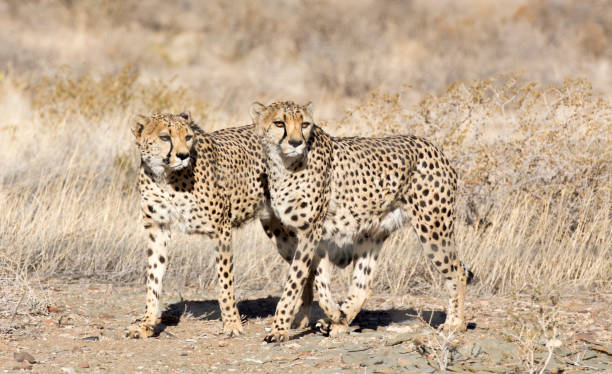
Cheetah conservation is becoming increasingly important as Africa’s fastest land mammal faces growing pressure from habitat loss, human-wildlife conflict and illegal wildlife trade. Although cheetahs remain one of the most exciting animals to encounter during an African safari, their populations are declining in several regions.
East Africa provides important habitats for cheetahs, particularly in Kenya and Tanzania. Protected areas such as the Maasai Mara, Serengeti and Samburu support these remarkable predators. However, many cheetahs also live outside national parks, where expanding settlements, livestock farming and reduced prey populations threaten their survival.
Fortunately, conservation organisations are working with local communities, researchers and safari operators to protect cheetahs.
Visitors can contribute by choosing responsible safari destinations, supporting conservation initiatives and following wildlife viewing regulations.
This guide explores the main threats facing cheetahs and the conservation projects travellers can support during an East African safari.
Why Cheetah Conservation Is Important
Cheetahs are recognised for their exceptional speed and distinctive spotted coats.
Unlike lions, which often hunt cooperatively, most cheetahs hunt alone, although males may form coalitions.
They depend on open habitats where they can locate and pursue prey such as gazelles and other small to medium-sized antelopes.
However, cheetahs require large territories and suitable hunting grounds.
Their conservation therefore depends on protecting extensive landscapes rather than isolated areas.
The International Union for Conservation of Nature classifies cheetahs as Vulnerable.
Fewer than 7,000 mature and immature wild cheetahs are estimated to remain globally, although population estimates carry uncertainty.
Protecting remaining populations is essential for their long-term survival.
1. Habitat Loss: A Major Threat to Cheetahs
Habitat loss is one of the most serious challenges affecting cheetah conservation.
As human populations increase, natural grasslands and savannah habitats may be converted into farmland, settlements and infrastructure.
This reduces the space available for cheetahs to hunt and reproduce.
Why Cheetahs Need Large Habitats
Cheetahs often travel considerable distances searching for prey and suitable territories.
When wildlife habitats become fragmented, animals may struggle to move between populations.
Roads, fences and expanding agricultural land can restrict movement.
Smaller isolated populations may also experience difficulties maintaining genetic diversity.
Protecting Wildlife Corridors
Conservation organisations work to maintain connections between protected habitats.
These wildlife corridors allow animals to move between suitable areas.
Protecting them requires cooperation between governments, landowners and local communities.
2. Human-Wildlife Conflict
Cheetahs sometimes encounter livestock while travelling outside protected areas.
When natural prey becomes scarce, some individuals may hunt goats, sheep or other domestic animals.
This can create conflict with livestock owners.
Farmers who lose animals may respond by killing predators.
Reducing Conflict With Livestock Farmers
Conservation programmes encourage practical livestock protection.
Measures may include:
Stronger livestock enclosures.
Improved herding practices.
Protecting young livestock.
Monitoring predator movements.
Community conservation education.
Investigating livestock losses before blaming predators.
These measures can help farmers protect their animals while reducing unnecessary killing of cheetahs.
3. Illegal Trade in Cheetah Cubs
Illegal wildlife trafficking presents another serious threat.
Young cheetahs are sometimes captured and transported for sale as exotic pets.
The problem is particularly concerning in parts of the Horn of Africa.
Removing cubs from the wild can harm breeding populations.
Capture and transportation also expose animals to serious welfare risks.
Why Cheetahs Should Never Be Pets
Cheetahs are wild predators with specialised needs.
They require suitable habitats, veterinary care and opportunities to behave naturally.
Keeping them as domestic pets cannot provide the conditions they need.
Travellers should avoid attractions offering inappropriate cheetah handling or promoting private ownership.
4. Declining Prey Populations
Cheetahs depend on healthy populations of wild prey.
When antelope numbers decline, cheetahs may struggle to find enough food.
Prey depletion can result from habitat conversion, illegal hunting and competition for grazing resources.
Protecting cheetahs therefore requires conserving the animals they hunt.
This includes maintaining suitable grasslands and reducing illegal wildlife hunting.
5. Cheetah Conservation in Kenya
Kenya contains several important cheetah habitats.
The Maasai Mara, Samburu region and other savannah landscapes support wild cheetah populations.
However, the animals also move through community-owned lands.
This makes cooperation with local residents particularly important.
Action for Cheetahs in Kenya
Action for Cheetahs in Kenya is a conservation organisation working to understand and protect cheetah populations.
Its activities include wildlife research, community education and efforts to reduce conflict between predators and livestock owners.
The organisation has undertaken conservation work in the Samburu region.
Can Tourists Visit the Project?
Action for Cheetahs in Kenya has organised educational safari experiences and conservation-related visits.
However, its research facilities should not be treated as ordinary walk-in tourist attractions.
Interested travellers should confirm whether organised educational visits are available before planning their journey.
Supporting the organisation’s approved programmes can help fund conservation work.
6. Mara-Meru Cheetah Project, Kenya
The Mara-Meru Cheetah Project focuses on cheetah research and conservation in Kenya.
Researchers study individual animals, population changes, behaviour and threats.
Photographs taken by visitors can sometimes help researchers identify individual cheetahs.
How Tourist Photographs Help
Cheetahs have distinctive spot patterns.
Researchers may use photographs to recognise individuals and document their movements.
Safari photographers can support research by sharing suitable images through approved project channels.
However, the project is primarily a research initiative rather than a conventional tourist attraction.
Visitors can experience the Maasai Mara or Meru landscapes while supporting conservation activities without expecting direct access to researchers.
7. Ol Pejeta Conservancy, Kenya
Ol Pejeta Conservancy is an established wildlife conservation destination in central Kenya.
Although the conservancy is particularly well known for rhinoceros protection, it also supports cheetahs and other predators.
Visitors can participate in authorised game drives and learn about wildlife conservation.
Why Visit Ol Pejeta?
The conservancy combines wildlife tourism with conservation activities.
Tourism revenue helps support protected-area management and community programmes.
Cheetah sightings are possible, although they are never guaranteed.
Travellers should choose activities offered through authorised operators.
8. Cheetah Conservation in Tanzania
Tanzania contains important cheetah populations within the Serengeti landscape.
The Serengeti’s extensive grasslands provide suitable hunting habitats for these predators.
Cheetahs frequently hunt smaller antelopes in open areas.
Serengeti Cheetah Research
Long-term research has contributed to understanding cheetah behaviour, reproduction and survival.
Researchers monitor individuals and investigate factors affecting population changes.
This information supports conservation planning.
Can Visitors Support Conservation?
Visitors can observe wild cheetahs during authorised Serengeti game drives.
However, research activities are not automatically available to tourists.
Safari operators should confirm any special educational opportunities in advance.
Following responsible viewing practices helps protect cheetahs during sensitive activities.
9. Best Places to See Cheetahs in East Africa
Several destinations provide opportunities to observe cheetahs in their natural habitats.
| Destination | Country | Cheetah opportunities | Conservation consideration |
|---|---|---|---|
| Maasai Mara | Kenya | Open grasslands and predator sightings | Responsible vehicle positioning |
| Serengeti | Tanzania | Extensive cheetah habitat | Protecting hunting behaviour |
| Samburu region | Kenya | Cheetahs in protected and community landscapes | Human-wildlife coexistence |
| Ol Pejeta | Kenya | Possible cheetah sightings | Conservancy-based wildlife protection |
| Meru National Park | Kenya | Cheetahs may occur in suitable habitats | Habitat conservation |
Cheetah sightings depend on wildlife movements, seasonal conditions and the experience of your guide.
No safari operator can guarantee a wild cheetah encounter.
10. How Conservation Projects Protect Cheetahs
Different organisations use several approaches to support cheetah populations.
Wildlife Monitoring
Researchers identify individual cheetahs and record sightings.
This information helps assess population trends.
Community Education
Conservation teams work with schools and communities to explain predator behaviour and wildlife protection.
Conflict Prevention
Livestock management programmes help reduce losses and retaliatory killing.
Habitat Conservation
Protecting grasslands and wildlife corridors allows cheetahs to move between suitable habitats.
Research Partnerships
Conservation organisations collaborate with wildlife authorities, researchers and community groups.
These partnerships help coordinate long-term conservation activities.
11. How Tourists Can Support Cheetah Conservation
Travellers can contribute through several practical actions.
Choose Responsible Safari Operators
Book with companies that respect wildlife viewing regulations.
Avoid operators who chase predators or position vehicles dangerously close to animals.
Support Recognised Conservation Organisations
Consider contributing to established cheetah conservation programmes.
Ask how donations support research, education or habitat protection.
Respect Cheetah Hunting Behaviour
Never encourage your guide to block a cheetah’s route during a hunt.
Avoid excessive noise and unnecessary vehicle movement.
Share Wildlife Photographs Responsibly
When appropriate, submit identifiable cheetah photographs to recognised research programmes.
Avoid publishing sensitive location information where it could endanger wildlife.
Support Community Tourism
Choose local guides, accommodation and community activities where suitable.
This helps communities receive economic benefits from wildlife tourism.
12. Responsible Cheetah Photography
Cheetahs are particularly vulnerable to disturbance during hunting.
A successful hunt requires concentration and sufficient space.
Safari vehicles should remain at appropriate distances.
Avoid surrounding an animal or blocking its access to prey.
Photography Tips
Use a telephoto lens rather than approaching too closely.
A 100–400 mm or 150–600 mm lens can provide flexibility.
For moving cheetahs, begin with a shutter speed around 1/2000 second and adjust according to available light.
Keep your camera ready, but allow the animal to behave naturally.
13. Challenges Facing Future Cheetah Conservation
Protecting cheetahs requires long-term cooperation.
National parks provide important habitats, but many cheetahs live beyond protected boundaries.
This creates challenges involving land ownership, livestock management and development.
Conservation programmes must also address illegal wildlife trafficking and declining prey populations.
Reliable funding is essential for monitoring and community education.
Tourism can provide support, but successful conservation should not depend entirely on visitor numbers.
Cheetah conservation remains essential for protecting one of Africa’s most remarkable predators.
Habitat loss, livestock conflict, illegal wildlife trade and declining prey populations continue to threaten wild cheetahs.
Conservation organisations such as Action for Cheetahs in Kenya and the Mara-Meru Cheetah Project contribute through research, education and community involvement.
Travellers can support these efforts by visiting responsible safari destinations, respecting wildlife viewing regulations and contributing to credible conservation programmes.
Protecting cheetahs requires suitable habitats, healthy prey populations and cooperation with communities living alongside wildlife.





No comment