
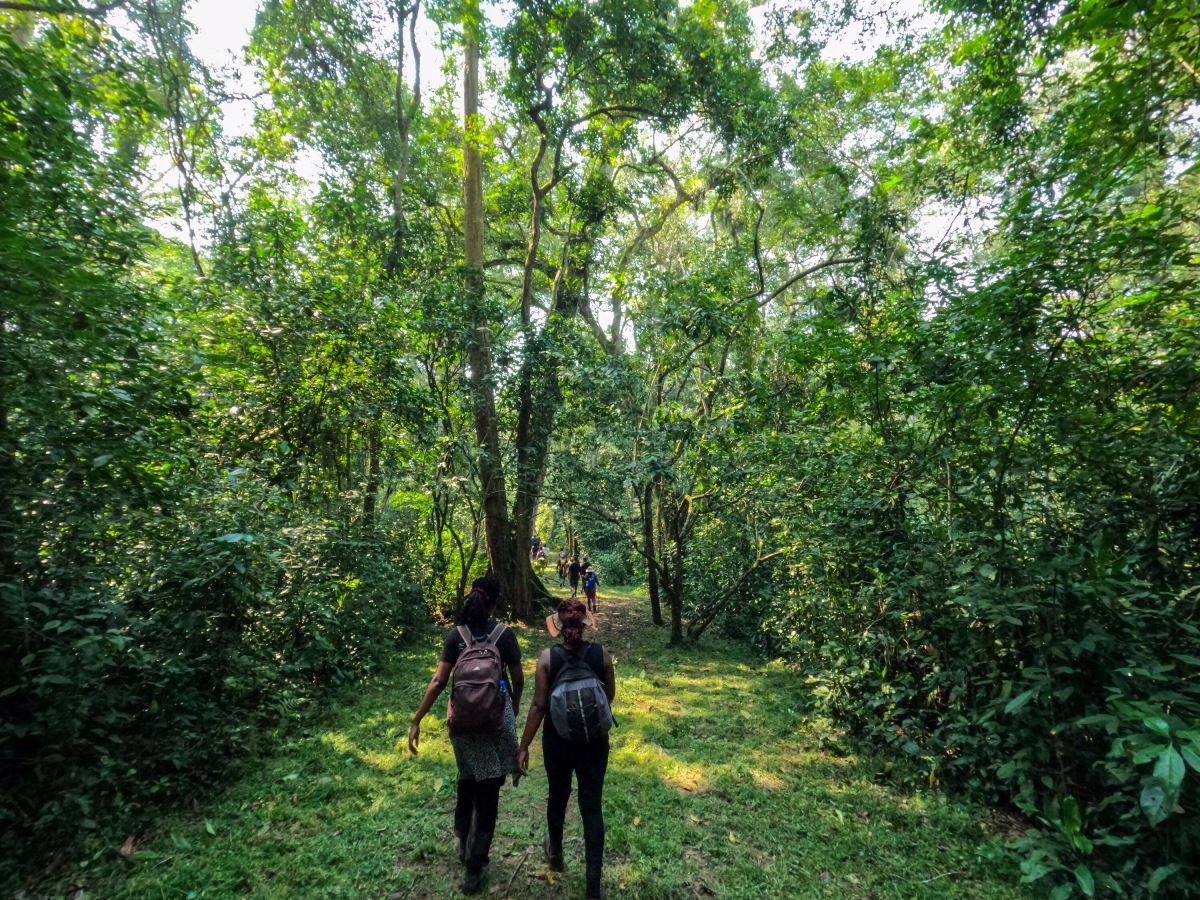
How Tourism Helps Protect Forests in Uganda and Rwanda
Tourism helps protect forests in Uganda and Rwanda by generating conservation revenue, creating employment and giving nearby communities economic reasons to preserve natural habitats. Both countries contain important tropical forests that support endangered mountain gorillas, chimpanzees, forest elephants, rare birds and thousands of plant species.
However, these forests face pressure from agricultural expansion, illegal logging, population growth and demand for natural resources.
Wildlife tourism has become an important part of forest conservation. Visitors pay for gorilla trekking, chimpanzee tracking, guided nature walks and other activities that support protected-area management.
Some tourism revenue also reaches communities living beside national parks, helping fund development projects and alternative livelihoods.
Understanding how tourism supports forest protection can help you make responsible choices when visiting Uganda and Rwanda.
Why Forest Conservation Is Important in Uganda and Rwanda
Uganda and Rwanda contain forests with exceptional wildlife diversity.
These habitats provide food, shelter and breeding areas for numerous species.
They also protect water sources, store carbon and help regulate local environmental conditions.
Important forest destinations include:
Bwindi Impenetrable National Park, Uganda.
Kibale National Park, Uganda.
Mgahinga Gorilla National Park, Uganda.
Budongo Forest, Uganda.
Volcanoes National Park, Rwanda.
Nyungwe National Park, Rwanda.
Gishwati-Mukura National Park, Rwanda.
Each forest faces different conservation challenges.
Tourism can help provide resources needed to maintain these protected areas.
1. Gorilla Trekking and Forest Conservation
Gorilla trekking is among the most important wildlife tourism activities in Uganda and Rwanda.
Mountain gorillas live in forested habitats within the Virunga Mountains and Bwindi region.
These endangered primates depend on protected forests for their survival.
How Gorilla Trekking Generates Conservation Revenue
Visitors purchase permits to participate in guided gorilla trekking activities.
Permit revenue contributes to the broader financing of wildlife management.
This can support:
Ranger patrols.
Wildlife monitoring.
Habitat protection.
Veterinary interventions.
Visitor management.
Conservation administration.
However, tourism revenue must be managed effectively to produce lasting benefits.
Why Trekking Numbers Are Controlled
Gorilla trekking operates under strict visitor regulations.
Groups are limited, observation time is controlled, and visitors must follow distance and health precautions.
These restrictions help reduce disturbance and disease transmission.
Tourism works best when visitor numbers remain compatible with conservation requirements.
2. Bwindi Impenetrable National Park, Uganda
Bwindi is one of Uganda’s most important conservation destinations.
Its dense forest supports mountain gorillas, numerous bird species and other wildlife.
The park attracts international visitors interested in gorilla trekking and forest experiences.
Tourism Revenue and Community Support
Uganda Wildlife Authority operates a revenue-sharing programme for communities neighbouring protected areas.
Under the programme, 20% of park entrance fees is allocated to neighbouring communities through established arrangements.
Additional revenue associated with gorilla trekking contributes to community support around Bwindi.
In June 2025, Uganda Wildlife Authority announced approximately UGX 2.2 billion in revenue-sharing funds for communities around the Bwindi-Mgahinga Conservation Area.
These funds were intended to support development and conservation-related community needs.
How Communities Benefit
Community projects may support:
Schools and education.
Health facilities.
Household livelihood activities.
Water supply improvements.
Projects addressing human-wildlife conflict.
These benefits can strengthen local participation in conservation.
3. Kibale National Park: Chimpanzee Tourism
Kibale National Park is known for its chimpanzee populations and tropical forest habitats.
Chimpanzee tracking attracts visitors interested in primates, birdwatching and guided forest walks.
Tourism provides employment for guides, rangers, accommodation workers and transport providers.
Supporting Forest Protection
Revenue from authorised activities contributes to protected-area operations.
Rangers monitor wildlife, manage visitor activities and help prevent illegal entry.
Chimpanzee tourism also creates business opportunities in surrounding communities.
Local residents may earn income through accommodation, guiding, food production and other tourism services.
However, chimpanzee viewing must follow strict health and safety rules.
Visitors should avoid trekking when ill and follow ranger instructions.
4. Volcanoes National Park, Rwanda
Volcanoes National Park is Rwanda’s best-known gorilla trekking destination.
The park protects part of the Virunga mountain landscape.
Its forests support mountain gorillas, golden monkeys and other wildlife.
Rwanda’s Tourism Revenue-Sharing Programme
Rwanda allocates 10% of national park tourism revenue to community development through its Tourism Revenue Sharing Programme.
This funding supports projects in areas surrounding protected national parks.
The programme aims to improve livelihoods while encouraging local participation in conservation.
Economic Opportunities Around Volcanoes
Tourism supports employment in:
Safari guiding.
Accommodation.
Transport.
Hospitality.
Craft production.
Community tourism activities.
Local businesses can benefit when travellers purchase goods and services during their visits.
These opportunities can help reduce dependence on activities that damage forest habitats.
5. Nyungwe National Park: Protecting Rwanda’s Rainforest
Nyungwe National Park protects an important mountain rainforest in southwestern Rwanda.
The park supports chimpanzees, several monkey species and numerous birds.
Visitors can participate in chimpanzee tracking, guided forest walks and canopy experiences.
How Tourism Supports Nyungwe
Tourism creates revenue for park management and surrounding businesses.
Conservation partnerships have also supported ecological monitoring, forest restoration and community involvement.
The Rwanda Development Board and African Parks work together in managing Nyungwe.
Their conservation approach includes protecting habitats while developing responsible visitor opportunities.
Benefits Beyond Chimpanzees
Protecting Nyungwe also benefits forest birds, smaller mammals and native plants.
The forest contributes to water regulation and provides important environmental services.
Maintaining healthy forest habitats therefore supports communities beyond the tourism industry.
6. Comparing Forest Tourism in Uganda and Rwanda
| Forest destination | Country | Main tourism activities | Conservation contribution |
|---|---|---|---|
| Bwindi | Uganda | Gorilla trekking, birdwatching | Gorilla protection and community revenue |
| Kibale | Uganda | Chimpanzee tracking | Forest management and local employment |
| Mgahinga | Uganda | Gorilla trekking, golden monkeys | Wildlife monitoring and habitat protection |
| Budongo | Uganda | Chimpanzee experiences, birdwatching | Conservation-related tourism and employment |
| Volcanoes | Rwanda | Gorilla trekking, golden monkeys | Protected-area financing and community projects |
| Nyungwe | Rwanda | Chimpanzees, forest walks | Rainforest conservation and visitor revenue |
| Gishwati-Mukura | Rwanda | Guided nature experiences | Forest restoration and community participation |
Tourism activities and access arrangements vary, so visitors should confirm availability before travelling.
7. Employment Opportunities Created by Forest Tourism
Tourism provides income for people living around protected forests.
These jobs can reduce pressure on natural resources when communities have reliable alternatives.
Safari Guides and Rangers
Guides accompany visitors during forest activities.
Rangers protect wildlife, monitor habitats and enforce park regulations.
Accommodation Workers
Lodges and guesthouses employ cooks, housekeepers, receptionists and maintenance staff.
Local Farmers
Tourism businesses purchase food and other supplies.
Where procurement is managed responsibly, nearby farmers may benefit.
Craft Producers
Community groups can earn income through legally produced handmade products.
However, employment opportunities should be fairly distributed to create meaningful community benefits.
8. Community Tourism and Forest Protection
Community tourism allows visitors to learn about local traditions, farming and daily life.
Activities may include village walks, craft demonstrations and cultural experiences.
When managed fairly, these activities provide income beyond national park entrance fees.
For example, a community guide working near Bwindi may earn income by introducing visitors to local farming practices and traditional crafts.
Such opportunities can encourage greater support for forest protection.
However, tourism activities should respect community privacy and cultural preferences.
Visitors should choose experiences developed with genuine local participation.
9. How Tourism Helps Reduce Illegal Forest Activities
Protected forests can face pressure from illegal logging, hunting and unauthorised resource collection.
Tourism provides financial resources that may support enforcement.
Ranger Patrols
Park authorities use trained personnel to monitor protected areas.
Rangers help detect illegal activities and protect wildlife.
Community Conservation Programmes
Education and livelihood initiatives encourage cooperation between communities and conservation authorities.
Alternative Income Sources
Tourism employment can provide alternatives to activities that damage forests.
However, tourism alone cannot eliminate illegal resource use.
Effective protection also requires fair enforcement, land-use planning and community participation.
10. The Role of Forest Restoration
Forest conservation includes protecting existing vegetation and restoring damaged areas.
Restoration may involve planting suitable native tree species, protecting natural regeneration and controlling invasive plants.
Tourism businesses sometimes support local restoration projects.
However, planting trees should not be confused with restoring a functioning forest.
Successful restoration requires long-term maintenance, suitable species and monitoring.
Protecting mature forests remains particularly important because they support established wildlife habitats.
11. Challenges Facing Forest Tourism
Although tourism provides conservation benefits, it also creates challenges.
Visitor Pressure
Large numbers of visitors can increase pressure on trails and facilities.
Controlled group sizes help reduce disturbance.
Waste Management
Poorly managed tourism can create plastic waste and pollution.
Responsible lodges should provide suitable waste collection and disposal.
Wildlife Disease Risks
Great apes can be vulnerable to infections transmitted by humans.
Health precautions during gorilla and chimpanzee trekking are essential.
Unequal Distribution of Revenue
Communities may become frustrated when tourism benefits are distributed unfairly.
Transparent management and meaningful local involvement are therefore important.
12. How Tourists Can Help Protect Forests
Your decisions during a safari can support responsible forest tourism.
Choose Licensed Safari Operators
Book with operators that follow park regulations and use authorised guides.
Follow Trekking Regulations
Maintain required viewing distances and follow health precautions.
Never feed wildlife or leave marked trails without permission.
Support Community Businesses
Purchase locally made products and choose suitable community tourism activities.
Reduce Waste
Carry a reusable water bottle and dispose of rubbish correctly.
Respect Wildlife Habitats
Avoid damaging vegetation or disturbing animals for photographs.
Ask About Conservation Contributions
Choose accommodation and operators that explain how they support environmental protection.
13. Can Forest Tourism Remain Sustainable?
Forest tourism can provide long-term benefits when conservation remains the main priority.
Visitor numbers must be managed carefully.
Tourism revenue should support wildlife protection and local communities.
Accommodation development should avoid unnecessary forest clearance.
Park authorities also need reliable funding that does not depend entirely on visitor numbers.
A balanced approach combines tourism income with government funding, conservation partnerships and community participation.
Tourism helps protect forests in Uganda and Rwanda by supporting wildlife conservation, creating employment and generating revenue for nearby communities.
Gorilla trekking in Bwindi and Volcanoes National Park, chimpanzee tracking in Kibale and Nyungwe, and community tourism activities all contribute to this effort.
However, successful conservation requires careful visitor management, transparent revenue sharing and continued habitat protection.
By choosing responsible safari operators, respecting wildlife regulations and supporting local communities, travellers can contribute to protecting East Africa’s forests.
These efforts help preserve important habitats for mountain gorillas, chimpanzees, birds and future generations.





No comment