
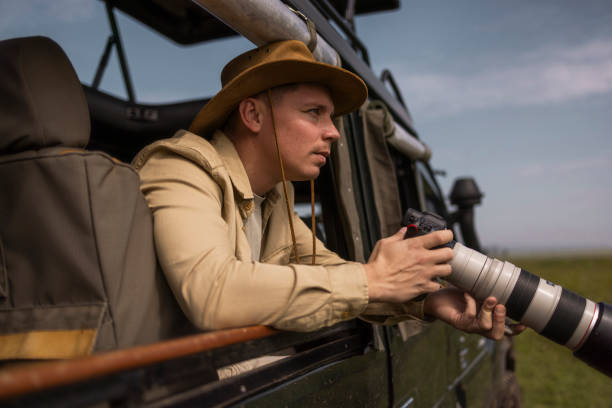
Safari Photography Etiquette: How to Share Sightings Politely
Safari photography etiquette is an important part of enjoying wildlife experiences in Africa. During game drives in Uganda, Kenya, Tanzania and Rwanda, travellers often gather around exciting animal sightings. Lions resting beneath trees, leopards climbing branches and elephants crossing open plains can attract several safari vehicles.
These moments offer excellent photography opportunities, but they also require patience and consideration for other visitors. Everyone wants a clear view, especially when encountering an animal they have travelled a long distance to see.
Unfortunately, poor behaviour around sightings can create unnecessary problems. Vehicles may block one another, photographers may become impatient, and animals may feel disturbed by excessive noise or movement.
Understanding how to share wildlife sightings politely helps everyone enjoy their safari while protecting the animals. Whether you are a professional photographer or a first-time visitor, practising responsible safari photography etiquette can improve your experience.
Why Safari Photography Etiquette Is Important
Wildlife sightings are shared experiences. Several vehicles may arrive at the same location, particularly when guides discover rare animals.
For example, a leopard resting in a tree in the Maasai Mara may attract multiple safari vehicles within a short period.
Without proper organisation, visitors may struggle to photograph the animal.
Drivers may compete for better positions, while some photographers may spend too long occupying the clearest viewpoint.
Good etiquette encourages fairness, patience and respect.
It also reduces unnecessary disturbance to wildlife.
Animals should be able to continue feeding, resting, travelling and interacting naturally without being surrounded or pressured by safari vehicles.
1. Respect Other Safari Vehicles
One of the most important rules of safari photography etiquette is respecting other vehicles at wildlife sightings.
When your guide approaches an area where other vehicles are already watching an animal, allow them space.
Avoid asking your driver to move directly in front of another vehicle.
Wait for Your Turn
Some wildlife sightings provide limited viewing positions.
For example, a leopard may be visible through a small opening between trees.
If another vehicle occupies the best position, wait patiently.
Once visitors have taken their photographs, the guide may move aside to allow others an opportunity.
Avoid Blocking Visibility
A safari vehicle can easily obstruct another photographer’s view.
Be considerate when requesting changes in position.
Your guide should coordinate movements with other drivers.
2. Keep Noise Levels Low Around Wildlife
Wild animals can react to loud voices, sudden noises and unusual activity.
During photography sessions, speak quietly and avoid unnecessary excitement.
Avoid Shouting Across Vehicles
If you recognise someone in another safari vehicle, avoid shouting greetings while animals are nearby.
Wait until you have moved away from the sighting.
Keep Conversations Quiet
Normal conversation may be acceptable in some situations, but loud discussions can disturb animals and other visitors.
Ask your guide questions quietly when wildlife is particularly close.
Silence Electronic Devices
Turn off unnecessary camera sounds and silence your mobile phone.
Some cameras produce audible focus confirmations or artificial shutter sounds that can be disabled.
3. Never Pressure Your Guide to Approach Too Closely
A good safari guide understands animal behaviour, park regulations and safe viewing distances.
However, photographers sometimes request closer positions to capture detailed images.
This can create dangerous situations.
For example, approaching an elephant herd too closely may cause distress, particularly when calves are present.
Similarly, crowding a lion or leopard can interfere with its movement.
Trust Your Guide’s Judgement
If your guide decides that the vehicle should remain at a particular distance, respect that decision.
Use a telephoto lens to photograph animals without approaching unnecessarily.
Remember that a successful safari photograph does not require filling the entire frame.
Environmental photographs showing wildlife within its natural habitat can be equally rewarding.
4. Share the Best Photography Positions
Some viewing positions offer better lighting, backgrounds or angles.
When several photographers are sharing a vehicle, consider everyone’s needs.
Rotate Seats When Appropriate
Certain safari vehicles have window seats or roof hatches that provide better photography opportunities.
If your group agrees, rotate positions during different game drives.
This allows everyone to experience different viewpoints.
However, never change seats while the vehicle is moving unless the guide confirms that it is safe.
Consider Different Camera Equipment
A traveller using a smartphone may need a different viewing angle from someone using a 400 mm telephoto lens.
Try to accommodate different photography styles.
Avoid placing large lenses directly in front of another person’s camera.
5. Avoid Spending Too Long at One Sighting
Wildlife photography requires patience, but spending excessive time in the best position can inconvenience other visitors.
If several vehicles are waiting, take your photographs and allow your guide to move when appropriate.
This is particularly important around rare sightings.
For example, if a leopard is resting in a tree and several vehicles are waiting, you may have enough time to capture a few good photographs before giving another group a clear view.
You can sometimes continue observing from another permitted position.
When Is It Acceptable to Stay Longer?
If the area is quiet and your presence does not disturb wildlife, longer observation may be appropriate.
Your guide can determine whether remaining at the sighting is suitable.
The important point is to remain considerate of other visitors and the animal.
6. Respect Wildlife Behaviour During Photography
Animals should remain free to behave naturally.
Never encourage your guide to block an animal’s path or position the vehicle where it could interfere with wildlife.
Avoid Interrupting Hunts
Watching a predator hunt can be exciting.
However, vehicles should never interfere with the movement of predators or prey.
Do not ask your guide to follow hunting animals aggressively.
Give Mothers and Young Animals Space
Elephants, lions and other mammals may become protective when young animals are nearby.
Maintain suitable distances and avoid separating family members.
Never Feed Wildlife
Feeding animals changes their natural behaviour and can create dangerous situations.
Do not offer food to attract animals towards your camera.
7. Photography Etiquette at Popular Safari Destinations
Different safari destinations experience different visitor numbers.
Understanding the characteristics of each location can help you prepare.
| Safari destination | Common photography opportunities | Etiquette considerations |
|---|---|---|
| Maasai Mara, Kenya | Lions, cheetahs, leopards | Share busy sightings patiently |
| Serengeti, Tanzania | Big cats, wildebeest, elephants | Avoid blocking animal movements |
| Amboseli, Kenya | Elephants and landscapes | Maintain safe distances around herds |
| Queen Elizabeth, Uganda | Lions, elephants, buffaloes | Follow designated tracks and guide instructions |
| Murchison Falls, Uganda | Giraffes, elephants, predators | Respect viewing positions |
| Bwindi, Uganda | Mountain gorillas | Follow strict trekking and photography rules |
Park regulations may differ, so always follow the instructions provided by local authorities and guides.
8. Responsible Photography During Gorilla Trekking
Gorilla trekking requires particularly careful photography etiquette.
In Uganda and Rwanda, visitors join guided trekking groups that observe habituated mountain gorillas under regulated conditions.
Group sizes, viewing times and minimum distances are controlled by park authorities.
Follow Ranger Instructions
Rangers determine where visitors should stand and when they may take photographs.
Avoid moving ahead of the group to obtain a better angle.
Flash photography is prohibited during gorilla trekking.
Keep your movements calm and avoid unnecessary noise.
If another visitor is taking a photograph, try not to step directly into their frame.
However, never move closer to gorillas simply to avoid obstructing someone else’s camera.
9. Sharing Wildlife Sightings With Other Guides
Safari guides often communicate through radios to exchange information about wildlife sightings.
This cooperation can help visitors observe animals that might otherwise remain hidden.
However, sharing sightings should never result in excessive vehicle pressure around wildlife.
Let Guides Manage Communication
If you notice an interesting animal, quietly inform your guide.
Allow them to decide whether and how to share the sighting.
Avoid loudly announcing animal locations to nearby vehicles.
Guides understand the local situation and may need to limit disturbance.
10. Respect Other Photographers’ Equipment
Safari vehicles can become crowded with cameras, lenses and bags.
Large telephoto lenses require space, particularly when photographers change shooting angles.
Be careful when moving inside the vehicle.
Avoid touching another person’s equipment without permission.
Do not place your belongings on camera bags or lenses belonging to other visitors.
Keep Your Equipment Organised
Store unused lenses inside protective bags.
Avoid leaving loose equipment where it could fall during vehicle movement.
If you need to change lenses, do so carefully without obstructing others.
11. Avoid Using Flash Around Wildlife
Flash photography can disturb animals, especially during low-light conditions.
Some safari activities prohibit flash entirely.
For example, flash photography is not permitted during mountain gorilla trekking.
During night drives, lighting restrictions may also apply.
Use natural light whenever possible.
If you are uncertain whether flash is allowed, ask your guide before photographing.
Never use flash simply because another photographer is using it.
12. Sharing Photographs With Fellow Travellers
Many travellers enjoy exchanging photographs after game drives.
If you capture an excellent image, you may choose to share it with other members of your group.
However, respect people’s preferences.
Do not photograph fellow travellers closely without their permission.
Similarly, avoid publishing identifiable photographs of other visitors without consent.
Respect Photographers’ Work
If another photographer shares an image with you, do not claim it as your own.
Ask permission before posting or distributing their photographs.
When appropriate, acknowledge the original photographer.
13. Common Safari Photography Etiquette Mistakes
Several behaviours can create uncomfortable experiences.
Blocking other vehicles: Allow other visitors to enjoy clear viewing positions.
Shouting during sightings: Keep voices low around wildlife.
Demanding closer approaches: Respect your guide’s safety decisions.
Changing positions suddenly: Move carefully and follow vehicle safety instructions.
Ignoring park rules: Remain on permitted tracks and respect restricted areas.
Using flash without permission: Follow wildlife photography regulations.
Occupying the best viewpoint indefinitely: Share opportunities when other vehicles are waiting.
Small adjustments in behaviour can make a considerable difference.
14. Practical Tips for First-Time Safari Photographers
If this is your first safari, discuss photography expectations with your guide before departure.
Explain the type of camera you are using and the wildlife you hope to photograph.
Ask whether the vehicle has suitable viewing arrangements.
If you are travelling with other photographers, agree on how seating and photography positions will be shared.
During sightings, remain patient.
Animals may move into better positions naturally.
Avoid rushing your guide or asking them to compete with other vehicles.
Sometimes waiting quietly produces better photographs than constantly changing locations.
Safari photography etiquette helps visitors enjoy wildlife encounters while respecting other travellers, guides and animals.
Sharing viewing positions, keeping noise low and following safety instructions create better experiences for everyone.
Whether you are photographing lions in the Maasai Mara, elephants in Amboseli or gorillas in Bwindi, responsible behaviour should guide every decision.
Good wildlife photographs depend on patience, observation and careful composition.
By respecting wildlife and fellow photographers, you can enjoy memorable safari sightings without interfering with the natural environment.




No comment