
The Role of Wildlife Vets: Darting, Collaring and Treating Injured Animals
Wildlife veterinarians play an important role in protecting animals across Africa’s national parks and conservation areas. Their work involves treating injuries, monitoring diseases, supporting research and responding to emergencies affecting wild animals.
The role of wildlife vets becomes particularly important when elephants, rhinos, lions, giraffes or primates suffer injuries that require professional intervention.
Unlike domestic animals, wildlife cannot usually be approached or examined safely. Veterinary teams must consider animal behaviour, environmental conditions and the risks associated with treatment.
In countries such as Uganda, Kenya, Tanzania and Rwanda, wildlife vets work alongside rangers, researchers and conservation organisations.
Understanding their responsibilities provides a clearer picture of the work taking place behind wildlife conservation.
What Does a Wildlife Veterinarian Do?
A wildlife veterinarian is a qualified professional trained to manage animal health in wild populations or conservation facilities.
Their responsibilities extend beyond treating visible injuries.
They may investigate disease outbreaks, assist with wildlife relocation and advise conservation managers about animal welfare.
Common responsibilities include:
Treating injured wildlife.
Removing dangerous snares.
Monitoring infectious diseases.
Supporting approved wildlife research.
Assisting with animal translocations.
Conducting veterinary examinations.
Advising on safe capture procedures.
Monitoring animals after treatment.
Some veterinarians specialise in particular wildlife groups.
Others work with several species depending on their training and the needs of the conservation area.
Why Wildlife Veterinary Care Is Different
Wild animals behave differently from domestic animals.
A frightened elephant or buffalo can seriously injure people nearby.
Even smaller species may become aggressive when restrained.
Wildlife vets therefore plan interventions carefully.
They consider the animal’s condition, location, species and likely response.
They also assess whether treatment is necessary.
Sometimes the safest decision is to monitor an animal instead of intervening immediately.
For example, a minor injury may heal naturally without capture.
However, a severe snare wound may require urgent veterinary attention.
Darting Wildlife: How It Works
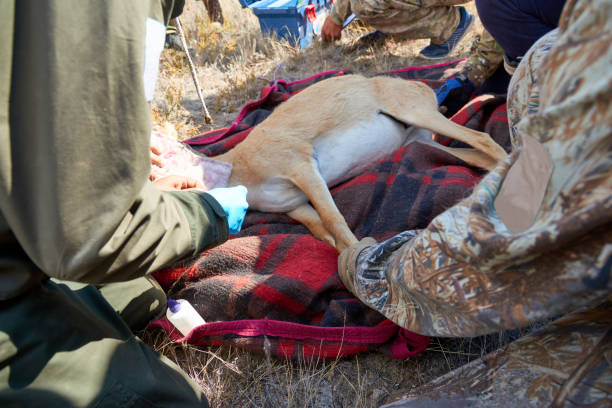
Darting refers to administering medication remotely using specialised veterinary equipment.
It may be used when an animal cannot safely receive treatment while fully conscious.
Wildlife veterinarians sometimes use darting to immobilise animals for examination, treatment or approved research.
However, chemical immobilisation carries risks.
The animal’s health, surrounding terrain and available veterinary support influence the decision.
Why Animals Are Darted
Darting may be necessary when veterinarians need to:
Examine serious injuries.
Remove attached snares.
Treat certain wounds.
Fit approved monitoring equipment.
Carry out essential examinations.
Prepare an animal for authorised relocation.
Not every intervention requires darting.
The veterinarian determines the safest appropriate method.
What Happens During Immobilisation?
A trained veterinary team first assesses the animal and surrounding conditions.
Once immobilisation is authorised, specialists carry out the procedure while monitoring the animal closely.
Veterinarians check important health indicators and minimise unnecessary handling.
After treatment, the team supervises recovery.
The animal should not be left unattended until the responsible professionals determine that recovery is sufficiently safe.
Risks Associated With Darting
Chemical immobilisation can affect breathing, circulation and body temperature.
There may also be risks if an animal falls in unsuitable terrain.
For this reason, wildlife capture requires specialist training and appropriate equipment.
Other risks include:
Stress before immobilisation.
Injury during movement or collapse.
Complications associated with medication.
Difficult recovery conditions.
Disturbance to nearby animals.
Wildlife vets weigh these risks against the expected benefits of treatment.
Darting should never take place simply to entertain tourists or create photographs.
What Is Wildlife Collaring?
Wildlife collaring involves fitting an approved tracking device to an animal.
Some collars use GPS technology to record location information.
Researchers can analyse these records to understand movement patterns and habitat use.
Collaring may be especially useful when studying animals that travel across large landscapes.
However, it requires suitable scientific justification and veterinary supervision.
Animals That May Be Collared
| Animal | Possible research purpose |
|---|---|
| Elephant | Movement routes and habitat use |
| Lion | Territory and movement monitoring |
| Cheetah | Range use and conservation research |
| Giraffe | Habitat movement studies |
| African wild dog | Pack movements and monitoring |
Collaring is not automatically appropriate for every species or individual.
Researchers must consider the equipment’s effects on welfare.
How GPS Collars Help Conservation
Tracking information can help wildlife managers understand where animals travel.
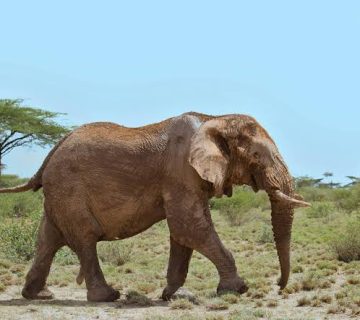
For example, elephant movement records may identify areas connecting protected habitats.
This information can support decisions about wildlife corridors and land-use planning.
Tracking may also help researchers understand how animals respond to seasonal conditions.
However, GPS data must be interpreted carefully.
A collar records the movement of the individual carrying it.
Researchers cannot automatically assume that every animal follows the same route.
Long-term studies often require several sources of information.
Treating Injured Animals in National Parks
Wildlife injuries can occur naturally or result from human activities.
Animals may suffer wounds during territorial fights, hunting or accidents.
Other injuries involve wire snares, vehicle collisions and human-wildlife conflict.
Veterinarians assess each situation before deciding whether intervention is appropriate.
| Injury or condition | Possible veterinary response |
|---|---|
| Wire snare injury | Assessment and authorised removal |
| Deep wound | Examination and treatment |
| Suspected infection | Veterinary investigation |
| Vehicle-related injury | Emergency assessment |
| Tracking collar problem | Equipment assessment or removal |
| Disease symptoms | Investigation and monitoring |
Treatment depends on the species, injury and practical circumstances.
Snare Removal and Wildlife Veterinary Teams
Wire snares remain a serious threat to wildlife in some African habitats.
Although hunters may target smaller mammals, other animals can become accidentally trapped.
Chimpanzees in Uganda have suffered serious injuries after becoming caught in snares.
Veterinary teams may work with rangers and researchers to locate affected animals.
Once an injured animal is found, professionals assess its condition.
Where intervention is appropriate, veterinarians may remove the snare and treat resulting injuries.
Some animals recover successfully.
Others experience permanent disabilities.
Prevention through effective wildlife protection remains essential.
Wildlife Veterinarians in Uganda
Uganda supports wildlife populations in destinations including Murchison Falls National Park, Queen Elizabeth National Park, Kibale National Park and Bwindi Impenetrable National Park.
The Uganda Wildlife Authority works with veterinary professionals to address wildlife health concerns.
Veterinary interventions may involve injured animals, disease investigations and conservation management.
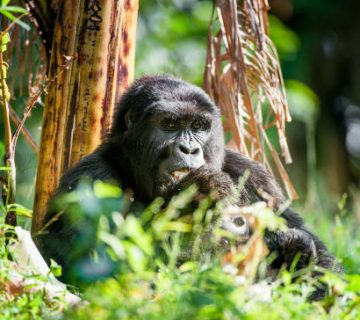
Primate health is particularly important because great apes can be vulnerable to certain infections transmitted by humans.
This is one reason visitors must follow strict rules during gorilla and chimpanzee tracking.
Keeping appropriate distances and avoiding visits when unwell helps protect these animals.
Wildlife Veterinarians in Kenya
Kenya has extensive wildlife conservation programmes involving elephants, rhinos, carnivores and other species.
Kenya Wildlife Service operates veterinary and wildlife capture services.
Its work includes veterinary care, disease surveillance and support for authorised wildlife management activities.
For example, veterinarians may assist conservation teams responding to injured elephants or rhinos.
They may also participate in carefully planned relocations.
Such operations require cooperation between veterinary personnel, rangers and wildlife managers.
Wildlife Veterinary Work in Tanzania and Rwanda
Tanzania’s national parks support large populations of herbivores and carnivores.
Veterinary expertise can support disease monitoring, wildlife management and responses to serious injuries.
In Rwanda, veterinary care is particularly important for the conservation of mountain gorillas.
Specialist teams may assess injuries, illness and other health concerns affecting monitored gorilla groups.
However, interventions with wild gorillas are carefully controlled.
The goal is to protect their health while minimising unnecessary human contact.
Wildlife Translocation and Veterinary Care
Wildlife translocation involves moving animals between locations for approved management or conservation purposes.
Such operations may address conservation needs, population management or other authorised objectives.
However, moving wild animals creates risks.
Veterinarians assess animal health and oversee appropriate handling.
They may monitor animals during capture, transport and release.
The process requires planning, suitable equipment and official permission.
Translocation should never be treated as a routine tourist attraction.
How Wildlife Vets Monitor Diseases
Disease surveillance is another important responsibility.
Veterinarians may investigate unusual illness or mortality among wildlife populations.
Some diseases can affect several animal species.
Others may also create risks for livestock or people.
Veterinary teams collect suitable information and coordinate with relevant authorities.
Monitoring can help conservation managers respond to emerging health concerns.
However, not every disease can be prevented or treated through direct intervention.
Habitat management, surveillance and reducing unnecessary contact may also be important.
Challenges Facing Wildlife Veterinarians
Wildlife veterinary work can be physically demanding.
Some animals live in remote areas with limited road access.
Reaching an injured animal may require long journeys and difficult tracking.
Other challenges include:
Limited access to specialised equipment.
Difficult terrain and changing weather.
Risks from dangerous animals.
The need for rapid emergency responses.
Financial constraints.
Limited opportunities for follow-up monitoring.
Despite these difficulties, trained veterinary teams provide essential support to wildlife conservation.
Can Safari Visitors Watch Wildlife Veterinary Operations?
Most veterinary interventions are restricted professional activities.
They can involve dangerous animals, specialist medication and sensitive conservation information.
Tourists should not expect to participate in darting or handling wildlife.
Some approved educational programmes may explain veterinary conservation work without interfering with active treatment.
If you encounter an injured animal during a safari, inform your guide.
Do not approach, touch or attempt to treat it.
Your guide can report the situation to the relevant wildlife authority.
How Responsible Tourism Supports Wildlife Health
Safari tourism can help finance protected-area management and conservation activities.
Visitor fees may contribute to the broader operations of wildlife authorities.
However, the amount reaching veterinary services varies by destination and management arrangements.
Travellers can support wildlife welfare by following park regulations.
Avoid feeding animals or encouraging close contact.
Respect viewing distances, especially around primates.
Choose operators that follow recognised animal welfare practices.
These actions help reduce avoidable risks.
Wildlife veterinarians help protect animals through emergency treatment, disease monitoring, approved collaring and carefully managed interventions.
Their work requires specialist knowledge, cooperation and a strong commitment to animal welfare.
Darting and collaring can provide conservation benefits when properly justified, but they also involve risks that must be managed.
For safari travellers, understanding wildlife veterinary work adds meaning to encounters with animals in East Africa.
Protecting wildlife involves much more than observing animals in national parks.
It also requires trained professionals who respond when animals need medical assistance.

No comment