
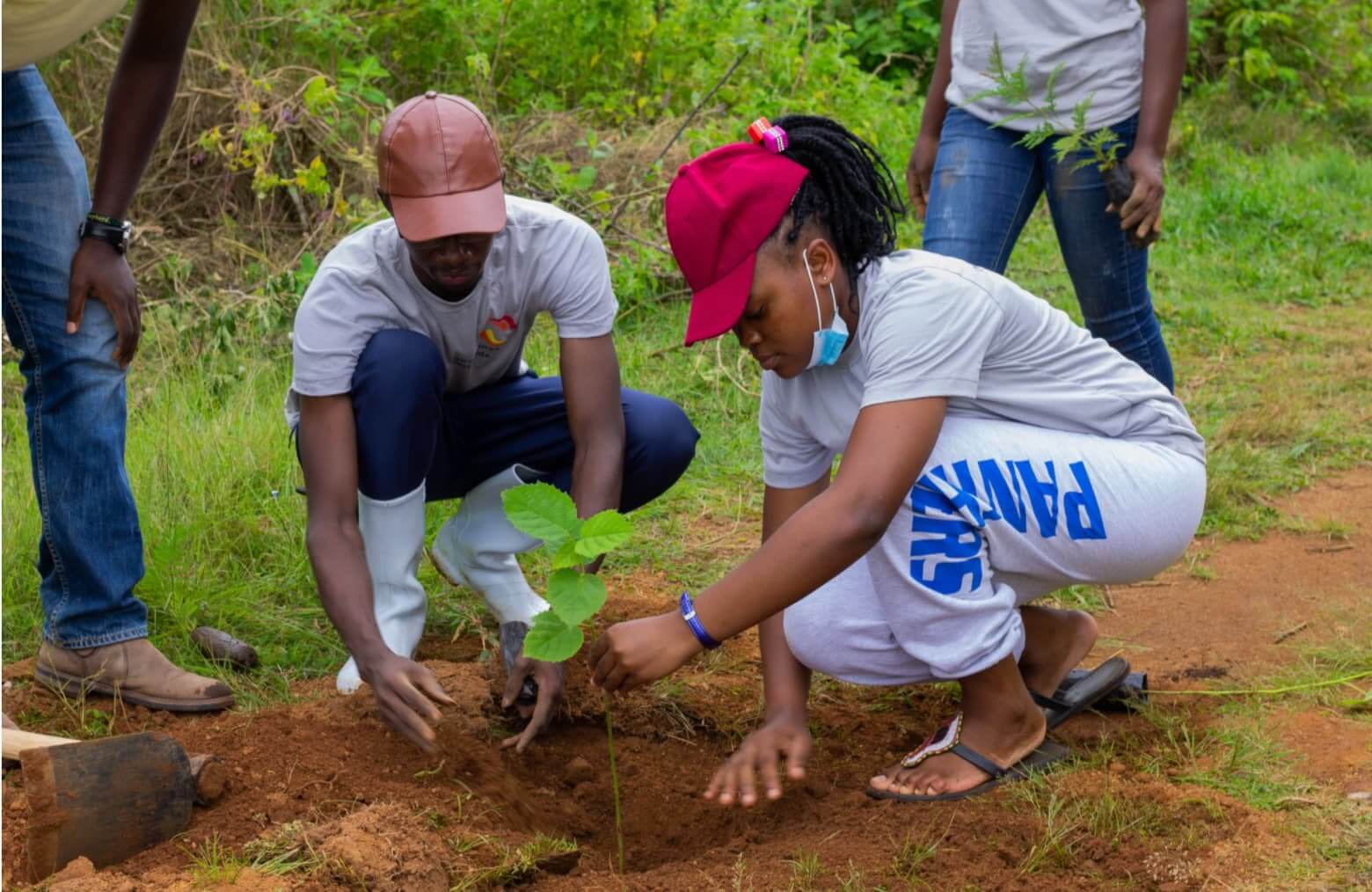
Tree Planting Days: Joining Community Nurseries in Uganda
Tree planting days in Uganda offer travellers an opportunity to support environmental conservation while learning how local communities protect and restore their landscapes. Across the country, community groups, schools, farmers and environmental organisations establish tree nurseries to supply seedlings for restoration and sustainable land management.
Visitors interested in responsible tourism can sometimes participate in organised planting activities, nursery maintenance and environmental education programmes.
However, successful tree planting requires careful planning. The species selected, planting location, soil conditions and maintenance arrangements all influence whether seedlings survive.
Planting hundreds of trees during a single event means little if nobody looks after them afterwards.
If you are planning a safari or community visit, joining a well-managed tree planting programme can provide an opportunity to contribute while supporting local environmental initiatives.
What Are Community Tree Nurseries?
Community tree nurseries are places where local groups grow young trees before transferring them to suitable planting locations.
Nurseries may be managed by farmers, schools, community associations, environmental organisations or local businesses.
They provide space for seedlings to develop under controlled conditions before planting.
Most nurseries require regular watering, suitable soil, protection from pests and careful monitoring.
Some produce indigenous trees for habitat restoration.
Others grow fruit trees, timber species or trees used in agroforestry.
The nursery’s purpose should determine which species it grows.
For example, a project restoring natural forest should generally prioritise locally appropriate indigenous species.
A farming project may select different trees depending on household needs and land conditions.
Why Tree Planting Days Are Important in Uganda
Uganda contains tropical forests, wetlands, savannahs and agricultural landscapes.
Trees contribute to these environments in several ways.
They provide wildlife habitat, protect soil and help regulate local water conditions.
Trees also supply communities with fruit, shade, timber and other useful products when managed responsibly.
However, deforestation and land degradation affect some parts of the country.
Agricultural expansion, settlement growth and demand for wood products can place pressure on forest resources.
Community tree planting programmes may help restore degraded land and improve tree cover where planting is appropriate.
They can also create opportunities for environmental education and practical training.
Where Can Visitors Join Tree Planting Activities?
Community planting initiatives operate in different parts of Uganda.
However, opportunities depend on local organisations, the season and whether a project welcomes visitors.
| Region | Possible activities | Conservation focus |
|---|---|---|
| Central Uganda | Community nurseries and school planting | Urban greening and land restoration |
| Western Uganda | Farm forestry and community planting | Soil protection and tree cover |
| Southwestern Uganda | Agroforestry and restoration projects | Sustainable land management |
| Eastern Uganda | Community nurseries and hillside planting | Soil conservation |
| Northern Uganda | Community forestry and farm planting | Landscape restoration and livelihoods |
These are examples of suitable activities rather than guaranteed visitor programmes.
Before travelling, contact an established organisation to confirm whether participation is available and appropriate.
What Happens During a Tree Planting Day?
Meeting the Community Organisers
A planting day usually begins with an introduction.
Organisers explain the project’s objectives, the planting location and the work participants will undertake.
You may meet nursery workers, local farmers, teachers or environmental officers.
This is an opportunity to ask why particular trees were selected.
You should also learn who will maintain the seedlings after the event.
Preparing the Planting Area
The next stage involves preparing suitable planting locations.
Local experts assess soil conditions, spacing and the intended purpose of the trees.
Different species need different growing conditions.
A tree suitable for a moist forest may struggle in a dry, exposed area.
Participants should follow the organisers’ instructions rather than deciding independently where seedlings belong.
Planting the Seedlings
During planting, volunteers receive guidance on handling seedlings carefully.
The aim is to avoid damaging roots and provide suitable conditions for establishment.
Planting depth, soil preparation and spacing depend on the species.
After planting, organisers may water the seedlings and explain how they will be protected.
Recording the Activity
Some projects record the number and species of trees planted.
Better programmes also monitor survival.
A useful record includes the planting date, location, species and people responsible for maintenance.
These details help organisations evaluate their results.
Choosing the Right Trees for Uganda
Selecting suitable species is one of the most important parts of a planting programme.
Indigenous trees can support local biodiversity when planted in appropriate habitats.
However, being indigenous to Uganda does not automatically make a species suitable for every location.
Rainfall, altitude, soil and existing vegetation matter.
| Tree category | Possible purpose | Important consideration |
|---|---|---|
| Indigenous forest trees | Habitat restoration | Match the natural vegetation |
| Fruit trees | Household nutrition and income | Consider maintenance needs |
| Agroforestry trees | Farm productivity and soil protection | Avoid competition with crops |
| Shade trees | Community spaces | Allow room for mature growth |
| Timber trees | Managed wood production | Follow suitable land-use plans |
A responsible programme should explain its species selection.
Avoid projects that plant fast-growing trees everywhere without considering local habitats.
Why Indigenous Trees Deserve Attention
Indigenous trees can provide food, shelter and breeding habitats for native wildlife.
Some support insects, birds and mammals that depend on particular vegetation.
Forest restoration projects often benefit from using a suitable mixture of local species.
However, tree planting should not replace healthy grasslands, wetlands or other natural habitats that do not require additional trees.
Restoration decisions should follow ecological assessments.
In certain landscapes, allowing natural vegetation to regenerate may be more effective than planting seedlings.
The objective should be a healthier habitat, not simply a larger tree count.
How Community Nurseries Support Local Livelihoods
Tree nurseries can provide practical economic opportunities.
Local workers may earn income from preparing soil mixtures, collecting suitable seeds, watering seedlings and managing nursery operations.
Farmers may also benefit from access to trees that support sustainable land use.
For example, fruit trees can contribute to household food supplies and generate income when conditions are suitable.
Agroforestry projects may combine trees with crops or livestock management.
However, benefits depend on good planning and community participation.
Projects should consider land ownership, access to water and the costs of maintaining trees.
When Is the Best Time to Plant Trees in Uganda?
Rainfall influences planting success.
Many areas of Uganda experience two main rainy periods, although seasonal patterns vary by region.
The wetter months often provide better conditions for newly planted seedlings.
In some parts of the country, the main rainy periods commonly occur around March to May and September to November.
However, local conditions may differ considerably.
| Period | General conditions | Planting consideration |
|---|---|---|
| January to February | Often relatively dry in many areas | Additional watering may be needed |
| March to May | Rainy period in many regions | Often suitable for planting |
| June to August | Variable, with drier conditions in some areas | Follow local advice |
| September to November | Another rainy period in many regions | Often suitable for planting |
| December | Conditions vary | Check soil moisture and rainfall |
Ask local organisers to recommend appropriate planting dates.
The best time depends on the actual weather and the species involved.
What Makes a Tree Planting Programme Genuine?
A responsible project should have clear objectives and arrangements for long-term care.
Before participating, ask several questions.
Who Owns the Planting Land?
Tree planting requires permission from the appropriate landowner or managing authority.
Planting inside protected forests may require official authorisation.
Who Chooses the Species?
Qualified forestry personnel or knowledgeable local specialists should guide species selection.
Who Maintains the Trees?
New seedlings often require protection, watering or other care.
A project should identify who will carry out this work.
How Is Success Measured?
Ask whether organisers record survival rates rather than reporting planting numbers alone.
Does the Community Support the Project?
Local participation is essential for long-term success.
Projects should respect community land rights and established land uses.
Tree Planting Versus Tree Survival
A planting event may receive attention because many seedlings are planted in a short period.
However, survival provides a better measure of progress.
Consider a hypothetical project that plants 1,000 seedlings.
| Seedlings planted | Seedlings surviving | Survival rate |
|---|---|---|
| 1,000 | 900 | 90% |
| 1,000 | 750 | 75% |
| 1,000 | 500 | 50% |
| 1,000 | 250 | 25% |
These figures illustrate why follow-up monitoring is important.
A programme planting fewer trees with strong survival rates may achieve better results than one planting many seedlings without maintenance.
Can You Join Tree Planting During a Safari?
Yes, provided an appropriate community programme welcomes visitors.
Tree planting may fit into an itinerary that includes cultural experiences or visits to community projects.
For example, travellers spending several days in western Uganda may arrange a community nursery visit through a responsible local organisation.
However, planting activities should follow the project’s schedule.
A safari operator should never promise that tourists can plant trees anywhere they choose.
Some programmes may prefer financial support or nursery assistance when planting conditions are unsuitable.
Flexibility helps ensure that your participation meets an actual need.
What Should You Bring?
Most organised programmes explain what equipment they provide.
Useful personal items may include:
Comfortable closed shoes.
Lightweight working clothes.
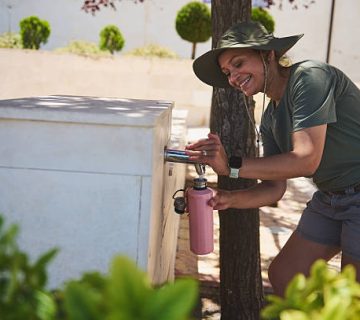
A reusable drinking water bottle.
Sun protection.
Gardening gloves, if requested.
A waterproof jacket.
Insect repellent.
A small notebook.
Avoid bringing unfamiliar seeds or seedlings from another country.
Imported planting material may introduce pests, diseases or unsuitable species.
Use plants supplied or approved by the project.
How Travellers Can Support Community Nurseries
You can support a nursery without personally planting trees.
Some organisations need help purchasing suitable equipment, maintaining water supplies or training nursery workers.
Others may welcome support for seedling care and monitoring.
If you wish to donate, ask how the money will be used.
A contribution towards maintaining existing seedlings may sometimes be more valuable than funding another planting event.
Support should follow the organisation’s priorities.
Mistakes to Avoid During Tree Planting Activities
Avoid treating the activity mainly as a photograph opportunity.
Listen carefully to local organisers and respect community members.
Do not plant unsuitable species or interfere with existing vegetation.
Avoid promising that every planted tree will survive.
Never assume that tree planting automatically compensates for the carbon emissions from your flights.
Carbon accounting requires evidence of additional, measurable and lasting benefits.
Above all, remember that successful restoration continues long after visitors leave.
Tree planting days in Uganda offer an opportunity to learn about conservation and support community-led environmental work.
Visiting a nursery can help you understand how seedlings are grown, why species selection matters and what is required for successful restoration.
However, genuine progress depends on suitable planting locations, community involvement and continued maintenance.
Before joining an activity, ask about the project’s objectives and how it measures survival.
By supporting responsible organisations and respecting local expertise, you can make your participation more useful to the communities and landscapes involved.

No comment