
Motorbike Tours in Uganda: Routes, Rental Rules and Licence Requirements
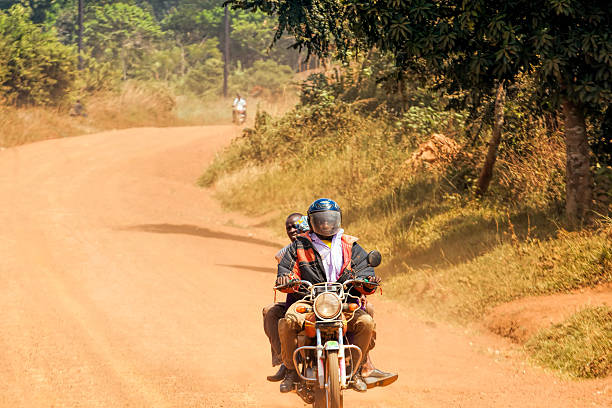
Motorbike tours in Uganda offer adventurous travellers an opportunity to explore the country’s countryside, national park surroundings, rural communities and mountain landscapes. Riding a motorcycle allows you to visit destinations at your own pace while experiencing areas that are often overlooked during conventional vehicle safaris.
Uganda has paved highways, gravel roads, winding mountain routes and countryside tracks. Popular destinations for motorcycle adventures include Jinja, Fort Portal, Lake Bunyonyi, Kabale and the Mount Elgon region.
However, riding in Uganda requires careful preparation. Road conditions vary, traffic can be unpredictable, and foreign visitors must understand the relevant driving licence and insurance requirements.
This guide explains suitable motorbike routes, rental arrangements, motorcycle licence categories, essential safety precautions and practical advice for planning a responsible riding adventure in Uganda.
Why Choose Motorbike Tours in Uganda?
Motorcycle touring provides flexibility when exploring Uganda’s landscapes.
You can stop at viewpoints, visit small trading centres and experience rural surroundings without following a large group schedule.
Some routes pass tea plantations, crater lakes, farming communities and mountain scenery.
Motorcycles can also travel along certain smaller roads that may be inconvenient for larger safari vehicles.
However, flexibility comes with responsibility.
You must manage navigation, fuel, weather conditions and personal safety.
Motorcycle touring is best suited to travellers with previous riding experience, particularly when using gravel roads.
Best Motorbike Touring Routes in Uganda
Uganda offers several attractive routes for motorcycle enthusiasts.
Your choice should depend on available time, riding experience and road conditions.
1. Kampala to Jinja
The journey towards Jinja introduces riders to eastern Uganda’s countryside.
Jinja is known for its location near the Source of the Nile.
Visitors can enjoy river activities, cultural experiences and countryside excursions.
However, the Kampala–Jinja highway carries substantial traffic.
It is unsuitable for inexperienced riders.
An organised motorcycle tour should prioritise safe roads, planned stops and suitable departure times.
2. Fort Portal and the Crater Lakes
Fort Portal is an attractive destination for riders interested in green countryside and highland scenery.
The surrounding region contains tea plantations, crater lakes and rural communities.
Some roads are paved, while others contain gravel and uneven surfaces.
A suitable route may include Fort Portal, selected crater lake viewpoints and nearby agricultural areas.
Local guides can help identify appropriate roads.
3. Kabale and Lake Bunyonyi
Southwestern Uganda offers beautiful mountain scenery.
The roads around Kabale include steep hills and winding sections.
Lake Bunyonyi is particularly attractive because of its islands and surrounding landscapes.
However, some access roads can become slippery after rainfall.
Riders should use suitable motorcycles and avoid travelling too quickly on unfamiliar bends.
4. Mount Elgon and Sipi Falls
Eastern Uganda offers scenic motorcycle routes towards Mbale and Sipi Falls.
The landscape includes farmland, mountain slopes and waterfall viewpoints.
Road conditions vary between the main roads and smaller village tracks.
Experienced riders can arrange guided countryside excursions.
Allow time for weather changes, particularly in mountainous areas.
Comparing Motorcycle Touring Routes
| Route | Suggested duration | Difficulty | Main attractions |
|---|---|---|---|
| Kampala to Jinja | 1–2 days | Moderate | River Nile, countryside |
| Fort Portal countryside | 1–3 days | Moderate | Tea plantations, crater lakes |
| Kabale and Lake Bunyonyi | 2–3 days | Moderate to challenging | Mountain scenery, lake views |
| Mbale and Sipi Falls | 2–3 days | Moderate | Waterfalls, Mount Elgon |
| Western Uganda circuit | 4–7 days | Challenging | Highlands, rural communities |
These are suggested touring durations rather than fixed itineraries.
Always calculate realistic daily riding distances.
Understanding Motorcycle Licence Requirements in Uganda
Uganda requires motorcyclists to hold an appropriate driving licence.
A standard car driving licence does not automatically authorise motorcycle riding.
Ugandan licence categories distinguish between different motorcycle classes.
Motorcycle Licence Categories
| Licence category | Vehicle type |
|---|---|
| Group A1 | Light motorcycles not exceeding 125 cc and 11 kW |
| Group A | Motorcycles exceeding 125 cc and 11 kW |
| Group B | Cars and certain light motor vehicles, not motorcycles |
Before renting a motorcycle, confirm that your licence covers the specific motorcycle you intend to ride.
Foreign visitors should also check whether their national licence is recognised and whether an International Driving Permit is required.
Requirements can vary according to nationality and duration of stay.
Can Foreign Tourists Ride Motorcycles in Uganda?
Foreign visitors may be permitted to ride motorcycles when they meet the applicable licensing requirements.
However, you should not assume that carrying an ordinary driving licence is sufficient.
The correct documentation depends on the licence’s issuing country, permitted vehicle categories and the period of your visit.
Some travellers may need an International Driving Permit alongside their original licence.
Other arrangements may apply under recognised foreign-licence rules.
Confirm your position with Uganda’s relevant licensing authorities before departure.
You should also check your rental company’s documentation requirements.
Never ride without valid authorisation.
Motorcycle Rental Rules in Uganda
Motorcycle rental conditions vary between companies.
Some operators specialise in guided motorcycle adventures.
Others provide motorcycles for independent use.
Before paying, request clear written rental terms.
Common Rental Requirements
| Requirement | What to confirm |
|---|---|
| Driving licence | Correct motorcycle category |
| Identification | Passport or accepted identification |
| Rental agreement | Duration and conditions |
| Security deposit | Amount and refund arrangements |
| Insurance | Coverage and exclusions |
| Motorcycle condition | Inspection before collection |
| Emergency support | Breakdown assistance |
| Mileage limits | Any distance restrictions |
Avoid signing an agreement you do not understand.
Choosing the Right Motorcycle
Different motorcycles suit different Ugandan roads.
A lightweight motorcycle may be practical for short countryside rides.
Larger adventure motorcycles can provide additional comfort on longer journeys.
However, heavier motorcycles may become difficult to manage on muddy tracks.
Motorcycle Options Compared
| Motorcycle type | Best use | Considerations |
|---|---|---|
| Small commuter motorcycle | Short local journeys | Limited luggage capacity |
| Dual-sport motorcycle | Gravel and mixed roads | Suitable riding experience required |
| Adventure motorcycle | Longer touring routes | Heavier and potentially expensive |
| Off-road motorcycle | Rough designated tracks | May be unsuitable for long paved journeys |
| Scooter | Urban riding | Limited suitability for rough terrain |
Choose a motorcycle you can control confidently.
Inspect Your Rental Motorcycle
Never begin a long journey without inspecting the motorcycle.
Check tyre condition and pressure.
Test both brakes.
Inspect the chain, lights, indicators and mirrors.
Confirm that the horn works.
Look for visible damage and photograph the motorcycle before departure.
Ask the rental company to explain the controls and maintenance requirements.
If anything appears unsafe, request repairs or a replacement motorcycle.
Motorcycle Insurance Requirements
Motor third-party insurance is compulsory for motorcycles used on Ugandan roads.
However, basic third-party insurance does not necessarily cover damage to the rented motorcycle or injuries to the rider.
Ask whether the rental agreement includes comprehensive cover.
Check the policy’s exclusions.
Some policies may exclude riding on certain unpaved roads or using motorcycles above a specified engine capacity.
Personal travel insurance may also exclude motorcycle riding unless particular conditions are met.
Verify your insurance before departure.
Important Road Safety Rules
Motorcycle riding in Uganda requires constant attention.
Traffic includes buses, trucks, private vehicles, pedestrians and boda bodas.
Road surfaces can change unexpectedly.
Keep Left
Uganda drives on the left.
Follow the correct traffic direction.
Avoid unpredictable overtaking.
Wear a Helmet
Always wear a properly fitted motorcycle helmet.
Protective clothing, gloves and suitable boots are also important.
Avoid Night Riding
Poor lighting, potholes and unexpected road users make night riding dangerous.
Plan to finish long journeys before sunset.
Respect Speed Limits
Follow posted speed limits and reduce speed when conditions are difficult.
Never treat empty roads as an invitation to ride excessively fast.
Essential Motorcycle Touring Equipment
| Equipment | Purpose |
|---|---|
| Motorcycle helmet | Head protection |
| Protective jacket | Impact and weather protection |
| Riding gloves | Hand protection |
| Riding boots | Foot and ankle protection |
| Rain gear | Wet weather protection |
| First-aid kit | Minor injuries |
| Phone and charger | Communication |
| Navigation device | Route planning |
| Basic repair tools | Minor mechanical problems |
| Drinking water | Hydration |
Carry emergency contacts and identification in an accessible place.
Planning Daily Riding Distances
Ugandan roads vary considerably.
A distance of 150 kilometres on a good paved road may take much less time than the same distance on rough mountain roads.
Plan shorter days when travelling through unfamiliar regions.
Allow time for fuel stops, meals, photographs and unexpected delays.
For example, a relaxed countryside itinerary might involve 80–150 kilometres of riding during one day.
This is only a planning example.
Actual suitable distances depend on terrain, traffic and rider experience.
Fuel and Mechanical Preparation
Fuel stations are generally easier to find in larger towns.
Remote areas may have fewer reliable options.
Fill your tank before entering isolated countryside routes.
Ask your rental company about the motorcycle’s approximate fuel range.
Carry suitable emergency tools when practical.
If your motorcycle develops a mechanical problem, stop somewhere safe.
Avoid attempting unfamiliar repairs that could make the motorcycle dangerous.
Riding Near National Parks
Many travellers want to combine motorcycle touring with wildlife experiences.
However, national parks have specific vehicle and visitor regulations.
Do not assume motorcycles are permitted on game-drive tracks.
Some protected areas restrict motorcycle access or require authorised transport.
Contact the relevant park authority before planning your route.
Where motorcycles are not permitted, arrange an approved safari vehicle for wildlife viewing.
Best Time for Motorcycle Tours in Uganda
Motorcycle touring is generally more comfortable during relatively dry periods.
Many regions experience drier conditions during parts of December to February and June to August.
However, rainfall varies across the country.
Mountain roads may become slippery even after brief showers.
Check the weather forecast before each riding day.
Avoid continuing through severe storms or flooded roads.
Guided Versus Independent Motorcycle Tours
Guided tours provide local route knowledge and assistance.
Independent riding offers greater flexibility but requires stronger navigation and mechanical skills.
| Feature | Guided tour | Independent rental |
|---|---|---|
| Navigation | Guide assists | Rider responsible |
| Route planning | Usually organised | Self-planned |
| Mechanical support | May be available | Depends on agreement |
| Flexibility | Some restrictions | Greater independence |
| Local knowledge | Usually included | Must be researched |
| Cost | Often higher | Depends on rental conditions |
Beginners should consider guided experiences on suitable roads rather than attempting demanding routes independently.
Sample Three-Day Motorcycle Tour
Day 1: Kampala to Jinja
Travel towards Jinja using a suitable planned route.
Allow time for rest stops and sightseeing.
Spend the evening in Jinja.
Day 2: Jinja Countryside
Explore selected rural roads around Jinja with a local guide.
Visit viewpoints and enjoy countryside scenery.
Return to your accommodation before sunset.
Day 3: Return Journey
Begin after breakfast.
Check your motorcycle before departure.
Allow sufficient time for traffic and unexpected delays.
Return the motorcycle according to the rental agreement.
Motorbike tours in Uganda offer experienced riders an enjoyable way to explore the country’s landscapes and rural communities.
Destinations such as Jinja, Fort Portal, Kabale and Sipi Falls provide varied touring opportunities.
However, successful motorcycle travel requires suitable equipment, valid licensing, appropriate insurance and responsible road behaviour.
Choose a motorcycle that matches your experience, inspect it carefully and avoid riding after dark.
With realistic planning and proper safety precautions, a motorcycle tour can become a memorable part of your Uganda adventure.

No comment