
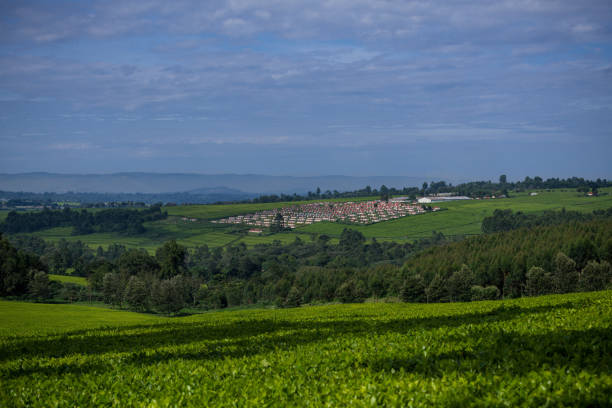
Kericho Tea Estates: Watching Pickers at Work
Kericho tea estates are among the most recognisable agricultural landscapes in Kenya. Located in the country’s western highlands, Kericho is surrounded by green tea plantations, rolling hills and farming communities whose livelihoods are closely connected to tea production.
For travellers interested in Kenyan culture and agriculture, visiting the Kericho tea estates offers an opportunity to understand how tea is grown, harvested and processed. You may observe workers collecting tea leaves, learn about factory production and discover how fresh green leaves become the black tea enjoyed across the world.
A tea estate visit can be included in a longer journey through western Kenya, particularly when travelling between Nairobi, Nakuru, Kericho and the Lake Victoria region.
Where Are the Kericho Tea Estates?
Kericho is located in western Kenya, west of the Great Rift Valley.
The region is known for its highland climate, regular rainfall and extensive agricultural land.
Tea plantations cover large areas around Kericho and neighbouring Bomet County.
Some estates are operated by large agricultural companies, while smaller farms supply tea through cooperative and processing arrangements.
Travelling to Kericho
| Starting point | Approximate driving time | Main consideration |
|---|---|---|
| Nairobi | 4–6 hours | Traffic and road conditions |
| Nakuru | 2–3 hours | Highland roads |
| Kisumu | 1.5–2.5 hours | Regional road conditions |
| Eldoret | 2–3 hours | Route selection |
| Bomet | 45–90 minutes | Exact starting location |
These times are estimates.
Allow additional time during heavy traffic or rainy weather.
Why Kericho Is Famous for Tea
Kericho is one of Kenya’s important tea-producing regions.
Its environment provides conditions suitable for cultivating tea plants.
Tea grows particularly well in areas with adequate rainfall, appropriate temperatures and suitable soils.
Climate and Growing Conditions
The Kericho highlands experience cooler conditions than many lower-elevation parts of Kenya.
These temperatures support tea cultivation.
Rainfall helps maintain the growth of young leaves, although excessive rain and other weather events can affect farming activities.
Tea as an Agricultural Industry
Tea production supports farmers, plantation workers, processing facilities, transport businesses and exporters.
The crop has played an important role in the region’s economy for generations.
Visitors can learn about these connections during organised agricultural tours.
What Happens During a Kericho Tea Estate Visit?
A guided tea estate visit may include walking through plantations, observing harvesting and learning about processing.
However, activities differ between estates.
Some offer educational tours, while others remain closed to casual visitors.
Common Tea Tour Activities
| Activity | What visitors learn |
|---|---|
| Plantation walk | How tea bushes are cultivated |
| Tea picking observation | How suitable leaves are selected |
| Harvesting demonstration | Traditional hand-plucking techniques |
| Leaf collection | How harvested tea reaches processing facilities |
| Factory visit | How tea is manufactured |
| Tea tasting | Differences in flavour and strength |
| Farmer discussion | Agricultural livelihoods and challenges |
Confirm which activities are included before booking.
Watching Tea Pickers at Work
Tea picking is one of the most interesting activities associated with traditional tea cultivation.
Workers select suitable young leaves from tea bushes.
The quality of harvested leaves influences the finished tea.
The Two Leaves and a Bud Method
A familiar tea harvesting standard involves selecting the youngest two leaves and a developing bud.
These tender shoots are valued in quality tea production.
However, actual harvesting practices vary between farms, tea types and production systems.
Workers may use different techniques depending on the estate.
Why Tea Picking Requires Skill
Experienced tea pickers recognise the shoots that are ready for harvesting.
They must work efficiently while maintaining the quality required by the producer.
Harvesting also involves physical effort.
Workers may spend long periods moving through tea fields.
For visitors, observing this work can provide a better understanding of the labour involved in producing tea.
Hand Picking Versus Mechanical Harvesting
Modern tea production uses different harvesting methods.
Some farms continue to rely heavily on hand picking.
Others use mechanical equipment.
Large estates around Kericho have introduced mechanised harvesting in parts of their operations.
Comparing Harvesting Methods
| Feature | Hand picking | Mechanical harvesting |
|---|---|---|
| Main method | Workers select leaves | Equipment cuts tea shoots |
| Leaf selection | Can be highly selective | Depends on machine and settings |
| Labour | Requires more manual work | Reduces some manual tasks |
| Equipment | Collection bags or baskets | Harvesting machines |
| Visitor experience | Observe individual picking techniques | Learn about modern production |
A hand-picking demonstration may be arranged specifically for visitors.
It does not necessarily represent the normal harvesting method used across the entire estate.
How Tea Leaves Are Collected
After harvesting, tea leaves must be transported for processing.
Fresh leaves are collected from workers or delivered to designated collection points.
The leaves are then moved to factories.
Good handling helps protect their quality.
Delays, excessive heat or unsuitable storage conditions can affect the raw material.
Why Processing Begins Quickly
Fresh tea leaves continue undergoing natural changes after harvesting.
Factories therefore aim to process them within appropriate periods.
Efficient transport and handling are important parts of the tea industry.
How Kericho Tea Is Processed
Tea processing transforms freshly harvested leaves into a product suitable for brewing.
Kenya is particularly known for black tea production.
The manufacturing process involves several stages.
Main Tea Processing Stages
| Stage | What happens |
|---|---|
| Withering | Leaves lose some moisture |
| Maceration or rolling | Leaf structure is broken |
| Oxidation | Chemical changes develop colour and flavour |
| Drying | Moisture is reduced |
| Sorting | Tea is separated into grades |
| Packing | Finished tea is prepared for distribution |
Some Kenyan factories use the Cut, Tear and Curl method, commonly called CTC.
This produces tea particles suited to strong, quick-brewing black tea.
What Is CTC Tea?
CTC refers to a processing method in which tea leaves pass through specialised machinery.
The process breaks the leaves into smaller particles.
CTC tea is widely used in tea bags and strong milk tea preparations.
Many Kenyan tea products are made using this method.
CTC Tea Compared With Orthodox Tea
| Feature | CTC tea | Orthodox tea |
|---|---|---|
| Processing | Mechanical cutting and shaping | Rolling and other controlled methods |
| Appearance | Smaller particles | Often larger or more intact leaves |
| Brewing | Usually quick and strong | Depends on leaf grade |
| Common use | Tea bags and milk tea | Loose-leaf preparations |
Both methods can produce quality tea.
The finished flavour depends on the leaves and processing conditions.
Tea Tasting in Kericho
Some estate tours include a guided tea tasting.
Visitors may compare different tea samples and learn how professionals assess quality.
What Happens During Tea Tasting?
The guide prepares tea samples using measured quantities of tea and water.
Participants observe the colour, aroma and flavour.
Professional tasters may also assess the infused leaves.
Characteristics of Kenyan Tea
Kenyan black tea is often appreciated for its strong flavour and bright colour.
However, different grades and production methods produce different results.
| Characteristic | What to observe |
|---|---|
| Colour | Appearance of brewed tea |
| Aroma | Fragrance of the infusion |
| Strength | Intensity of flavour |
| Astringency | Dry sensation in the mouth |
| Body | Overall mouthfeel |
| Aftertaste | Flavour remaining after tasting |
Taste the tea without milk or sugar first if you want to compare the samples.
Best Time to Visit Kericho Tea Estates
Tea harvesting takes place across much of the year because tea plants continue producing new shoots under suitable conditions.
However, growth rates change with rainfall and temperature.
Seasonal Conditions
| Period | General conditions | Travel advice |
|---|---|---|
| January–February | Often relatively drier | Suitable for outdoor walks |
| March–May | Common rainy period | Carry rain protection |
| June–August | Cooler highland conditions | Bring a light jacket |
| September–November | Rainfall may be frequent | Expect wet paths |
| December | Variable conditions | Confirm activities |
Weather patterns vary between years.
Tea estate tours may also be affected by commercial operations.
How Much Does a Kericho Tea Estate Tour Cost?
Tour prices depend on the organiser and activities.
A basic guided plantation walk may cost less than a programme including factory access and professional tea tasting.
Private transport increases the total cost.
Cost Factors
| Factor | Effect on price |
|---|---|
| Group size | Private visits may cost more per person |
| Plantation walk | May be included in a basic tour |
| Factory visit | May require special arrangements |
| Tea tasting | Depends on the programme |
| Transport | Additional cost |
| Specialist guide | May increase the price |
Request a written quotation before confirming your visit.
Respecting Tea Workers During Your Visit
Tea estates are active workplaces.
Workers have responsibilities and production targets.
Visitors should avoid interrupting their activities.
Responsible Visiting Guidelines
Ask permission before photographing workers.
Remain on approved walking routes.
Do not pick tea leaves without permission.
Avoid entering machinery areas without supervision.
Follow your guide’s instructions.
If the tour includes conversations with workers, allow them to participate voluntarily.
A respectful visit should recognise the importance of their work.
What to Wear on a Tea Estate Tour
Kericho’s highland climate can be cool and wet.
Wear comfortable walking shoes with good grip.
A light jacket is useful during cooler mornings.
Carry rain protection when necessary.
Long trousers can help protect your legs while walking near vegetation.
Bring drinking water and sunscreen.
Combining Kericho With Other Kenyan Attractions
Kericho can fit into a wider journey through western Kenya.
Lake Victoria and Kisumu
Travellers continuing towards Kisumu can explore the Lake Victoria region.
This provides an opportunity to experience a different part of Kenya’s agricultural and fishing economy.
Nakuru
Visitors travelling between Nairobi and Kericho may pass through Nakuru.
The region offers additional sightseeing opportunities.
Rural Cultural Experiences
Some organised itineraries include visits to farming communities.
These may introduce travellers to local agriculture and everyday life.
Choose operators who arrange visits with the agreement of participating communities.
Is a Kericho Tea Estate Visit Worth It?
A Kericho tea experience is worthwhile for travellers interested in agriculture, local industry and Kenyan culture.
It provides an opportunity to see the work involved in producing a familiar drink.
However, visitors should understand that tea estates are commercial operations.
Factory access and harvesting demonstrations are not automatically available.
Advance arrangements help ensure a meaningful visit.
Kericho tea estates provide an interesting introduction to one of Kenya’s important agricultural industries.
Watching tea pickers at work, learning about processing and tasting freshly prepared tea can help you understand the journey from plantation to finished product.
The green highland scenery also makes Kericho an attractive destination for countryside exploration.
If your Kenya itinerary includes the western highlands, consider arranging a guided tea estate visit and learning directly from the people involved in tea production







No comment