
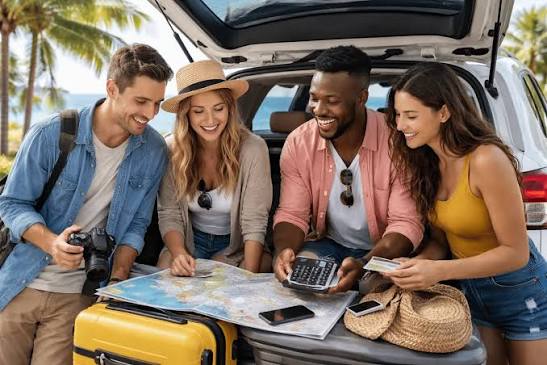
Solo Travellers Sharing a Vehicle: Meeting People and Splitting Costs
Travelling alone through East Africa can be an exciting way to discover wildlife, explore new destinations and meet people from different backgrounds. However, private safari vehicles can be expensive when one person covers the entire cost. For this reason, solo travellers sharing a vehicle often find group safaris a practical way to reduce expenses while enjoying wildlife experiences with other visitors.
Uganda, Kenya, Tanzania and Rwanda offer opportunities for shared safari arrangements, particularly around popular wildlife destinations. Travellers may join scheduled group departures, share transport between national parks or book wildlife activities with other visitors.
Sharing a safari vehicle can reduce transport and guiding costs, create opportunities for conversation and make long journeys more enjoyable. However, successful arrangements require clear agreements about expenses, schedules, seating and personal expectations.
This guide explains how solo travellers can share safari vehicles, find suitable travel companions, manage costs and enjoy comfortable wildlife experiences without sacrificing safety or independence.
Why Solo Travellers Choose Shared Safari Vehicles
Private safaris provide flexibility, but vehicle hire, fuel and professional guiding services can become expensive for individual travellers.
Sharing these expenses with other passengers can reduce the amount each person pays.
Group travel also creates opportunities to meet people who share an interest in wildlife, photography and African landscapes.
Benefits of Sharing a Safari Vehicle
| Benefit | How it helps solo travellers |
|---|---|
| Lower transport costs | Vehicle expenses are divided |
| Shared guiding costs | Passengers contribute towards one guide |
| Social interaction | Opportunities to meet other travellers |
| Wildlife discussions | Share observations and knowledge |
| Convenient organisation | Scheduled group departures |
| Reduced planning | Operator manages the itinerary |
| Shared experiences | Enjoy wildlife encounters together |
However, shared safaris generally offer less flexibility than private arrangements.
You may need to follow agreed departure times and accommodate the interests of other passengers.
Understanding How Shared Safari Costs Work
Safari expenses include several components.
Some costs remain similar regardless of passenger numbers, while others increase with each traveller.
Vehicle hire and guiding expenses can often be shared.
Park entrance fees, meals and accommodation usually remain individual expenses.
Common Safari Expenses
| Expense | Usually shared? |
|---|---|
| Safari vehicle hire | Yes |
| Driver-guide services | Yes |
| Fuel | Yes |
| Vehicle parking | Sometimes |
| National park entrance fees | Usually charged per person |
| Accommodation | Usually individual or room-based |
| Meals | Usually individual |
| Activity permits | Usually individual |
| Personal purchases | No |
Ask your safari operator for an itemised quotation.
This helps you understand which expenses are divided and which remain your responsibility.
Example of Splitting Safari Vehicle Costs
Consider a hypothetical game-drive arrangement where the vehicle and guide cost $240 for one day, excluding park fees and personal expenses.
The amount each passenger contributes decreases when more travellers share the vehicle.
| Number of travellers | Total shared cost | Cost per person |
|---|---|---|
| 1 | $240 | $240 |
| 2 | $240 | $120 |
| 3 | $240 | $80 |
| 4 | $240 | $60 |
| 5 | $240 | $48 |
| 6 | $240 | $40 |
These figures illustrate cost sharing rather than actual safari quotations.
The vehicle must have sufficient approved passenger seats, and the operator should maintain comfortable viewing space.
Adding more passengers simply to reduce costs can make wildlife photography and movement inside the vehicle difficult.
Best East African Destinations for Shared Safaris
Popular national parks may offer more opportunities to join scheduled departures because they attract regular visitor traffic.
However, group availability varies according to season, operator and destination.
Uganda: Queen Elizabeth and Murchison Falls
Queen Elizabeth National Park offers opportunities for game drives and boat excursions along the Kazinga Channel.
Solo travellers can ask operators about scheduled departures that include this destination.
Murchison Falls National Park is another option for wildlife viewing and Nile excursions.
Lake Mburo National Park may suit travellers interested in shorter Uganda safari itineraries.
Kenya: Maasai Mara and Lake Nakuru
The Maasai Mara is a popular destination for group wildlife safaris.
Travellers can enquire about departures organised from Nairobi.
Lake Nakuru is also included in some shared safari itineraries.
Tanzania: Serengeti and Ngorongoro
Tanzania offers group safari itineraries involving Serengeti National Park, Ngorongoro Crater and Tarangire National Park.
Arusha is a common departure point for northern Tanzania safaris.
Rwanda: Akagera National Park
Akagera offers vehicle-based wildlife viewing and can be included in organised group trips.
Solo travellers should confirm whether shared departures are available on their preferred dates.
Comparing Shared Safari Destinations
| Country | Destination | Common shared safari experience |
|---|---|---|
| Uganda | Queen Elizabeth | Game drives and boat activities |
| Uganda | Murchison Falls | Wildlife viewing and Nile excursions |
| Kenya | Maasai Mara | Savannah game drives |
| Kenya | Lake Nakuru | Rhino viewing and birdwatching |
| Tanzania | Serengeti | Multi-day wildlife safaris |
| Tanzania | Ngorongoro | Crater game drives |
| Rwanda | Akagera | Savannah wildlife viewing |
Availability should always be confirmed before arranging flights or accommodation.
How Solo Travellers Can Find Safari Companions
Finding suitable travel companions requires some preparation.
The safest approach is usually joining a scheduled group departure organised by a reputable safari company.
Operators can explain the itinerary, group size, accommodation arrangements and payment conditions.
Ways to Join Shared Safaris
Solo travellers may find group departures through:
Established safari tour operators.
Scheduled small-group safari packages.
Accommodation providers offering organised excursions.
Registered travel agencies.
Reputable travel communities.
Group tours departing from major tourism centres.
Avoid transferring money directly to unknown individuals without verifying the arrangements.
Whenever possible, make payments through the safari operator responsible for delivering the service.
Choosing Suitable People to Share With
Travellers have different expectations.
Some enjoy long wildlife photography sessions, while others prefer shorter drives and frequent breaks.
Discuss these preferences before confirming a shared booking.
Questions to Ask Before Joining
How many passengers will share the vehicle?
What is the daily departure time?
How long will game drives last?
Will passengers rotate seats?
Are photography stops included?
What happens if someone cancels?
Which expenses are included?
Are accommodation arrangements shared or separate?
Clear answers can prevent disagreements during the journey.
Choosing the Right Shared Safari Vehicle
Safari vehicles vary in size and design.
Land Cruisers and safari minibuses are commonly used for wildlife viewing.
Some vehicles have pop-up roofs that allow passengers to observe animals while remaining inside.
Vehicle Features Worth Checking
| Feature | Importance |
|---|---|
| Individual seat | Comfortable passenger space |
| Seat belt | Travel safety |
| Pop-up roof | Wildlife viewing |
| Suitable windows | Photography opportunities |
| Luggage storage | Convenient travel |
| Air circulation | Comfort during warm weather |
| Reliable maintenance | Vehicle dependability |
| Adequate viewing space | Reduces overcrowding |
Ask whether every passenger receives a suitable seat.
Avoid operators who overload vehicles beyond their approved capacity.
Sharing Seats and Photography Opportunities
Photography can become a source of disagreement during shared game drives.
Travellers sitting near windows may enjoy better viewing angles, while others might struggle to photograph certain animals.
A fair seating arrangement can improve everyone’s experience.
Agree on Seat Rotation
For longer safaris, passengers can rotate seats between game drives.
Your guide can help organise this arrangement.
Avoid standing on seats, leaning dangerously outside the vehicle or blocking other passengers.
During exciting sightings, allow everyone an opportunity to observe before moving around.
Managing Different Travel Personalities
Sharing a vehicle means spending several hours with people you may have only recently met.
Some travellers enjoy conversation throughout the journey.
Others prefer silence while watching wildlife.
Both preferences deserve respect.
Good Shared Safari Etiquette
Arrive on time for departures.
Keep personal belongings organised.
Avoid blocking windows.
Respect other passengers’ photography.
Keep music and phone conversations quiet.
Follow the guide’s instructions.
Discuss concerns politely.
Allow everyone opportunities to ask questions.
A friendly atmosphere helps passengers enjoy the experience.
Balancing Social Interaction and Personal Space
Shared safaris provide opportunities to meet people without requiring constant conversation.
During long transfers, travellers may discuss their home countries, previous journeys or wildlife interests.
However, everyone should feel comfortable enjoying quiet moments.
Solo travellers can also choose private rooms where available.
Sharing transport does not automatically require sharing accommodation.
Confirm any single-room supplement before booking.
Understanding Shared Safari Accommodation Costs
Some group safaris use twin-sharing accommodation arrangements.
Two travellers may share a room to reduce costs.
Others prefer individual rooms for privacy.
Accommodation Options
| Arrangement | Cost consideration | Privacy |
|---|---|---|
| Shared twin room | Often lower | Shared |
| Private room | May involve a supplement | Greater |
| Shared camping | Usually budget-focused | Limited |
| Private lodge room | Generally higher | Greater |
Ask whether you will be paired with another traveller and whether you can decline room sharing.
Accommodation arrangements should always be agreed upon in advance.
What Happens When Someone Cancels?
Cancellations can affect shared safari costs, particularly when the group has arranged a private vehicle together.
Before paying, ask whether the price is guaranteed or depends on the final number of passengers.
For example, a vehicle divided between four travellers may become more expensive per person if only three participate.
Important Booking Conditions
Confirm:
Minimum group size.
Cancellation deadlines.
Refund arrangements.
Payment deadlines.
Price changes when group numbers decrease.
Operator responsibilities.
Keep written copies of booking confirmations and payment receipts.
Safety Tips for Solo Travellers on Shared Safaris
Safety should remain a priority when joining unfamiliar groups.
Choose reputable operators and confirm vehicle arrangements before departure.
Share your itinerary with someone you trust.
Keep important documents and valuables secure.
During wildlife activities, follow national park regulations and remain inside the vehicle unless your guide permits otherwise.
Avoid sharing sensitive personal information with strangers before developing trust.
When a Private Safari May Be Better
Shared travel is not suitable for everyone.
A private safari may be preferable if you require flexible departure times, specialist accessibility arrangements or extended photography sessions.
It may also suit travellers who prefer quiet environments.
| Shared safari | Private safari |
|---|---|
| Lower shared transport costs | Higher individual transport costs |
| Fixed group schedule | Flexible itinerary |
| Social opportunities | Greater privacy |
| Shared photography stops | Personalised wildlife viewing |
| Limited individual adjustments | Easier adjustments |
Choose the arrangement that best suits your budget and travel preferences.
Solo Travellers Sharing a Vehicle
Solo travellers sharing a vehicle can enjoy East African wildlife while reducing transport costs and meeting people with similar interests.
Uganda, Kenya, Tanzania and Rwanda offer opportunities to join organised wildlife safaris, although group availability varies between destinations.
Before booking, confirm vehicle capacity, accommodation arrangements, cancellation policies and how expenses will be divided.
Respect fellow passengers, communicate your preferences and allow everyone opportunities to enjoy wildlife sightings.
With a reputable operator and clear arrangements, a shared safari can provide an affordable and sociable way to explore East Africa.

No comment