
Emergency Numbers and Hospitals in Kampala, Nairobi and Kigali
Emergency numbers and hospitals in Kampala, Nairobi and Kigali are important information for travellers visiting Uganda, Kenya and Rwanda. Whether travelling for a wildlife safari, business meeting, family holiday or cultural experience, knowing where to find emergency medical assistance can make a significant difference during an unexpected situation.
Kampala, Nairobi and Kigali are major East African tourism gateways. Visitors frequently arrive in these cities before continuing to national parks such as Bwindi Impenetrable National Park, the Maasai Mara, Queen Elizabeth National Park and Akagera National Park.
Although most travellers enjoy their holidays without serious problems, accidents, illness, theft and other emergencies can happen.
Some situations require immediate police assistance, while others involve ambulance services, emergency hospital treatment or medical evacuation.
Preparing essential telephone numbers and identifying suitable hospitals before departure helps visitors respond more effectively.
This guide explains important emergency contacts, major hospitals, ambulance arrangements and practical safety precautions in Uganda, Kenya and Rwanda.
Emergency Numbers in East Africa
Emergency telephone numbers vary between countries. Travellers should save the appropriate contacts before arriving.
Essential Emergency Telephone Numbers
| Country | Emergency service | Telephone number |
|---|---|---|
| Uganda | General emergency | 999 / 112 |
| Uganda | Police emergency | 999 / 112 |
| Kenya | General emergency | 999 / 112 |
| Kenya | Kenya Red Cross emergency line | 1199 |
| Rwanda | General emergency | 112 |
| Rwanda | Ambulance | 912 |
| Rwanda | Traffic accidents | 113 |
| Rwanda | Fire and rescue | 111 |
These are commonly published emergency numbers. Travellers should confirm current availability before departure because services and telephone routing can change.
What to Do During an Emergency
The first priority during an emergency is protecting yourself and other people from immediate danger.
If someone is seriously ill or injured, contact professional medical services immediately.
Basic Emergency Response
Move away from danger when safe.
Contact the appropriate emergency number.
Explain the exact location.
Describe the illness, accident or security concern.
Follow instructions from emergency personnel.
Contact your hotel or safari operator.
Inform your travel insurance provider when appropriate.
Avoid moving someone with a suspected serious neck or spinal injury unless staying in place presents immediate danger.
Emergency Services in Kampala, Uganda
Kampala is Uganda’s capital and principal commercial centre.
The city contains public hospitals, private medical facilities and specialist healthcare providers.
Travellers can use 999 or 112 to request emergency assistance.
Major Hospitals in Kampala
| Hospital | Location | Main services |
|---|---|---|
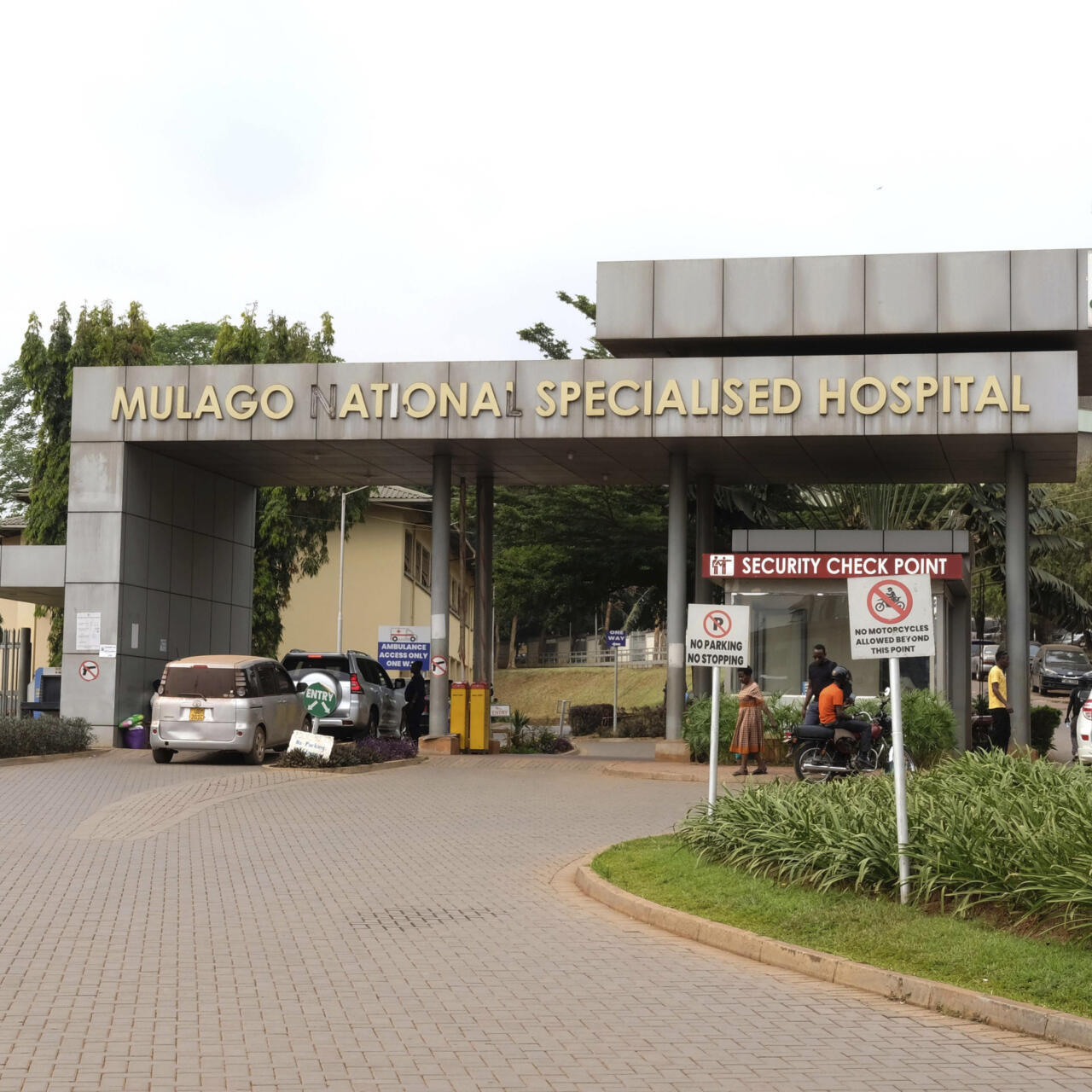
| Mulago National Referral Hospital | Mulago | Emergency and specialist medical treatment |
| Nakasero Hospital | Nakasero | Private healthcare and emergency services |
| International Hospital Kampala | Namuwongo | General and specialist treatment |
| Case Hospital | Kampala | General medical and emergency care |
| Nsambya Hospital | Nsambya | General and specialist medical services |
Hospital departments, capabilities and admission arrangements should be confirmed directly when planning non-emergency treatment.
Mulago National Referral Hospital
Mulago National Referral Hospital is one of Uganda’s most important public referral hospitals.
It provides specialist services and treatment for patients with serious medical conditions.
Travellers requiring advanced emergency care may be referred there when appropriate.
However, the most suitable hospital depends on the patient’s condition, treatment needs and available services.
Private Hospitals in Kampala
Private hospitals provide additional medical care options for travellers.
Some international visitors prefer private facilities because of their accommodation arrangements, administrative services or insurance partnerships.
What to Confirm Before Visiting
Check whether the hospital has an emergency department.
Ask whether relevant specialist services are available.
Confirm payment arrangements.
Check whether your insurer offers direct billing.
Establish whether ambulance transport is necessary.
For life-threatening conditions, seek the nearest appropriate emergency care rather than delaying treatment to reach a preferred hospital.
Emergency Services in Nairobi, Kenya
Nairobi is Kenya’s capital and a major gateway to East African wildlife safaris.
The city has numerous hospitals, specialist medical centres and emergency service providers.
Travellers can call 999 or 112 during emergencies.
Major Hospitals in Nairobi
| Hospital | Location | Main services |
|---|---|---|
| Kenyatta National Hospital | Upper Hill | Public referral and specialist care |
| The Nairobi Hospital | Upper Hill | Private emergency and specialist services |
| Aga Khan University Hospital | Parklands | Emergency and specialist treatment |
| MP Shah Hospital | Parklands | Private medical services |
| Mater Hospital | South B | General and specialist healthcare |
The appropriate hospital depends on the emergency, available specialists and transport conditions.
Kenyatta National Hospital
Kenyatta National Hospital is a major public referral facility in Kenya.
It provides specialist treatment for patients referred from different parts of the country.
Travellers experiencing serious medical problems may receive care there when clinically appropriate.
However, Nairobi’s traffic conditions can affect emergency transport times.
It is useful to identify suitable facilities close to your accommodation before travel.
Private Emergency Hospitals in Nairobi
Nairobi has established private hospitals offering a range of emergency and specialist services.
These facilities may be useful for travellers requiring treatment for injuries, infections or other medical conditions.
Nairobi Hospital Planning
| Consideration | Recommended action |
|---|---|
| Hospital location | Save the address |
| Emergency availability | Confirm operating arrangements |
| Insurance | Check acceptance |
| Ambulance | Ask about transport services |
| Specialist treatment | Confirm availability |
| Payment | Understand possible deposits |
Some hospitals may request payment guarantees or insurance approval for certain services.
Do not delay urgent medical assistance while resolving routine administrative questions.
Police and Security Emergencies in Nairobi
Visitors may require police assistance after theft, assault, accidents or other security incidents.
What to Do After Theft
Move to a safe place.
Contact police when appropriate.
Inform your hotel or safari operator.
Block stolen bank cards.
Secure compromised mobile accounts.
Report stolen travel documents.
Contact your embassy or consulate if your passport is missing.
Keep copies of relevant reports for possible insurance claims.
Emergency Services in Kigali, Rwanda
Kigali is Rwanda’s capital and an important gateway to Volcanoes National Park, Akagera and Nyungwe.
The city contains public and specialist hospitals.
Rwanda’s general emergency number is 112, while 912 is used for ambulance assistance.
Major Hospitals in Kigali
| Hospital | Location | Main services |
|---|---|---|
| King Faisal Hospital | Kacyiru | Specialist and emergency healthcare |
| University Teaching Hospital of Kigali (CHUK) | Nyarugenge | Public referral and emergency services |
| Rwanda Military Hospital | Kanombe | General and specialist treatment |
| Kibagabaga Hospital | Kigali | District hospital services |
Hospital availability and referral arrangements should be confirmed according to the patient’s needs.
King Faisal Hospital
King Faisal Hospital provides specialist medical services in Kigali.
The hospital handles different medical conditions and receives patients requiring advanced assessment.
Travellers should contact the hospital directly for current department availability and admission procedures.
University Teaching Hospital of Kigali
The University Teaching Hospital of Kigali, commonly called CHUK, is an important public referral hospital.
It provides emergency and specialist medical services.
For tourists requiring hospital treatment, appropriate facility selection should be based on the nature of the emergency and professional medical advice.
Medical Emergencies During Wildlife Safaris
Many popular East African national parks are located several hours from major hospitals.
Travellers visiting Bwindi, Queen Elizabeth, the Maasai Mara or Akagera should understand how medical assistance would be arranged.
Common Safari Medical Emergencies
| Emergency | Recommended response |
|---|---|
| Severe malaria | Urgent hospital assessment |
| Snake bite | Immediate medical treatment |
| Serious dehydration | Emergency medical evaluation |
| Road accident | Ambulance and trauma care |
| Breathing difficulties | Immediate emergency assistance |
| Severe allergic reaction | Emergency treatment |
| Major injury | Professional medical assessment |
Travellers should inform their safari guides immediately when serious symptoms develop.
Medical Evacuation From National Parks
Medical evacuation may be necessary when suitable treatment is unavailable near a safari destination.
Transport can involve a road ambulance, fixed-wing aircraft or helicopter, depending on the location and services available.
Medical Evacuation Options
| Transport | Suitable situation |
|---|---|
| Road ambulance | Accessible hospitals |
| Fixed-wing air ambulance | Long-distance transfers |
| Helicopter | Selected difficult-to-access areas |
| International medical flight | Specialist treatment abroad |
Evacuation depends on medical necessity, weather, aircraft availability and operational conditions.
Flying Doctors Services in East Africa
Medical evacuation providers, including AMREF Flying Doctors, offer services and membership arrangements for eligible travellers.
Membership may provide access to medically necessary evacuation under specified conditions.
However, not every membership includes hospital treatment, surgery or international repatriation.
Check geographical coverage and exclusions before purchasing.
Travel Insurance and Hospital Expenses
Medical treatment can create unexpected expenses, particularly when private hospitals or emergency aircraft are involved.
Recommended Travel Insurance Coverage
| Coverage | Why it matters |
|---|---|
| Emergency medical care | Treatment expenses |
| Hospital admission | Inpatient treatment |
| Medical evacuation | Transport from remote areas |
| Emergency surgery | Serious injuries |
| Medical repatriation | Return home when necessary |
| Travel interruption | Eligible unexpected disruptions |
Keep your insurer’s emergency assistance contact available offline.
What Should Travellers Carry?
Important emergency information should be accessible even when mobile internet is unavailable.
Emergency Preparation Checklist
| Item | Purpose |
|---|---|
| Passport or identification | Patient identification |
| Travel insurance details | Medical assistance |
| Emergency telephone numbers | Contacting responders |
| Prescription information | Treatment reference |
| Allergy information | Medical safety |
| Hotel address | Location identification |
| Safari itinerary | Finding remote travellers |
| Charged mobile phone | Communication |
Carry essential medication in hand luggage when flying.
Emergency Planning for Families
Families travelling with children should prepare medical information before departure.
Parents should know children’s allergies, medication requirements and relevant medical conditions.
Older relatives may need additional assistance during emergencies.
Discuss any important health concerns with a healthcare professional before travelling.
What if Your Phone Cannot Make Emergency Calls?
Mobile coverage is not always reliable, particularly in remote national parks.
If your phone cannot connect, ask lodge reception, a safari guide or another responsible person to contact emergency services.
Keep important numbers written on paper.
When possible, arrange a backup communication method before entering remote areas.
Frequently Asked Questions
What Is the Emergency Number in Kampala?
Uganda’s general emergency numbers are 999 and 112.
What Is the Emergency Number in Nairobi?
Kenya uses 999 and 112 for general emergency assistance.
What Is the Ambulance Number in Kigali?
Rwanda’s ambulance emergency number is 912.
Can Safari Guides Arrange Medical Assistance?
Professional guides can help coordinate emergency services, but treatment and evacuation decisions require qualified medical professionals.
Is Medical Evacuation Included in Safari Packages?
Some operators provide evacuation membership, while others do not. Always request written confirmation.
Preparing for Emergencies in East Africa
Kampala, Nairobi and Kigali contain important medical facilities that serve residents, international visitors and travellers returning from remote safari destinations.
Knowing emergency telephone numbers and identifying appropriate hospitals before departure can reduce confusion during unexpected situations.
Travellers should also obtain suitable medical insurance, carry essential documents and understand their safari operator’s emergency procedures.
The most important preparation is to know whom to contact, how to communicate your location and where to seek appropriate medical treatment when an emergency occurs.




No comment