
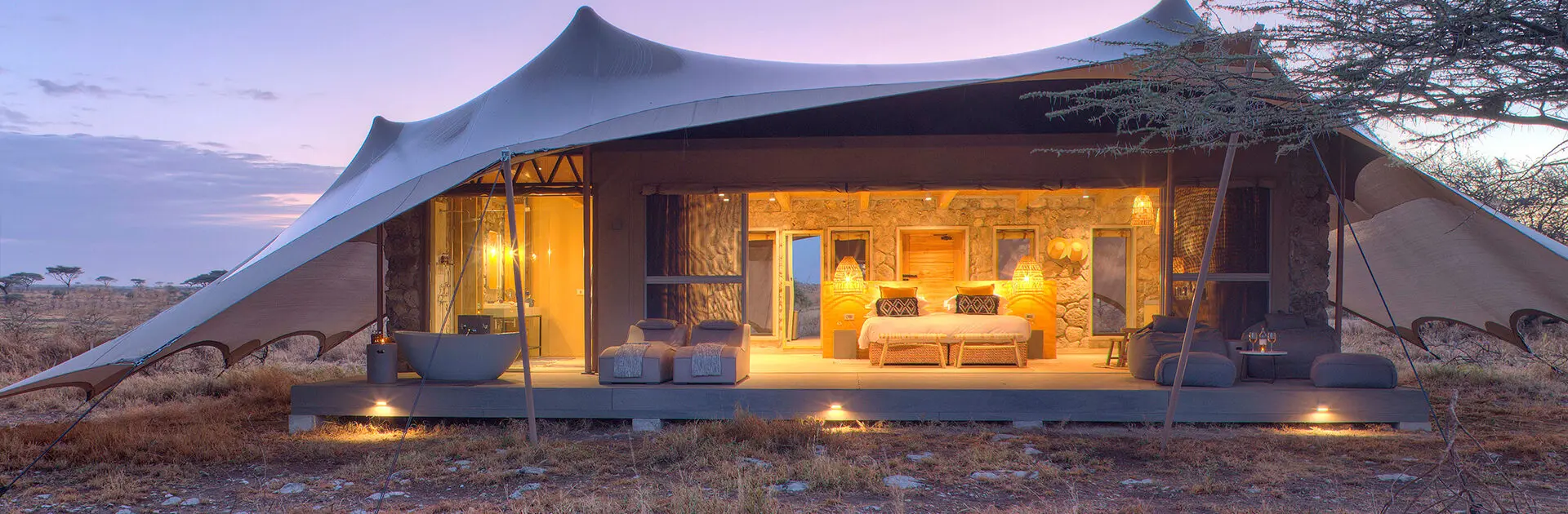
Are safari lodges adults-only? policies on children
safari lodges are not all adults-only. many welcome families with children of different ages, while others set minimum age limits to maintain a quiet atmosphere, protect young guests in wildlife areas, or manage activities that may not be suitable for children. if you are planning a safari in Uganda, Kenya, Tanzania, Rwanda, or another african destination, understanding these policies before booking can help you choose accommodation that fits your travel plans.
some lodges are designed specifically for families, with spacious family rooms, flexible meal arrangements, private safari vehicles, and activities for young guests. others focus on couples, honeymooners, and adults seeking privacy. there are also properties that welcome children to stay overnight but restrict their participation in certain activities, such as shared game drives or guided walking safaris.
the most important point is that there is no single child policy followed by every safari lodge. the rules depend on the property, its location, the design of the accommodation, and the activities available. checking the exact policy before paying a deposit can prevent unexpected restrictions during your trip.
Are safari lodges generally adults-only?
most safari lodges are not automatically adults-only. family travel is an established part of african tourism, and many properties accommodate parents travelling with babies, school-age children, and teenagers. some offer family suites or adjoining rooms, while others can arrange private vehicles and shorter wildlife drives to suit younger travellers.
however, safari accommodation differs from a typical city hotel or beach resort. many camps are located inside national parks, private conservancies, or wildlife reserves where animals move freely around the property. guest rooms may be connected by open pathways, and visitors might need to walk between their tents, the dining area, and the reception after dark.
these conditions require careful supervision, particularly for young children. a lodge may therefore introduce age restrictions even when it does not describe itself as adults-only. the policy might apply to the entire property, particular room categories, or specific activities rather than every part of the stay.
for example, a lodge may accept children of all ages in its accommodation but require children below a certain age to use a private safari vehicle. another property might welcome teenagers but refuse bookings for younger children unless the family reserves the entire camp.
before assuming that children are permitted, check the accommodation’s written child policy. equally, do not assume that every luxury lodge excludes children. high-end properties can be family-friendly, and some provide dedicated services that make travelling with children more comfortable.
What does adults-only mean at a safari lodge?
an adults-only safari lodge generally sets a minimum age for guests and does not accept children below that age under ordinary booking arrangements. the minimum can vary considerably. some properties welcome older teenagers, while others require every guest to be at least 16 or 18 years old.
the age limit should be confirmed directly with the property because the phrase adults-only is not always used consistently in safari marketing. a lodge may describe itself as ideal for couples or honeymooners without actually prohibiting children. another may have a strict minimum age even if its website does not prominently advertise the restriction.
it is also useful to distinguish between an adults-only property and a lodge that simply has a peaceful atmosphere. a small camp with a few tents may feel quiet because it accommodates relatively few guests, but it can still welcome families. similarly, a romantic setting, private plunge pool, or candlelit dinner does not automatically mean that children are excluded.
if you want a genuinely child-free stay, ask the lodge to confirm its minimum guest age in writing. clarify whether the rule applies throughout the property, including private villas, exclusive-use bookings, and adjoining accommodation.
couples planning a honeymoon should pay attention to this distinction. a lodge can provide privacy, excellent service, and intimate dining while still accepting families. if avoiding children’s presence is important to your experience, choose accommodation with an explicit adults-only policy rather than relying on photographs or marketing descriptions.
What age restrictions do safari lodges set for children?
there is no universal minimum age for staying at a safari lodge. each property establishes its own rules, and restrictions may differ between accommodation and activities. some lodges welcome infants and toddlers, while others accept children only from around five, six, eight, or 12 years old. certain intimate camps require guests to be older teenagers.
the following age groups can help you understand the kinds of policies you may encounter, although they are examples rather than fixed industry standards.
Babies and toddlers
some family-friendly lodges accept babies and toddlers and can provide cots, high chairs, suitable meals, or babysitting by prior arrangement. parents should check whether these services are available, whether they cost extra, and whether the accommodation has enough space for a cot.
you should also ask about safety around swimming pools, balconies, open decks, campfires, and unfenced walkways. in a wildlife area, young children may need an adult beside them at all times, even when walking a short distance between guest facilities.
a lodge may accept toddlers for overnight stays but not permit them on standard shared game drives. the early start, long periods in a vehicle, and limited opportunities to move around can be difficult for very young children. some properties offer shorter family drives or allow families to hire a private vehicle instead.
Children aged four to six
children in this age group may be welcome at family-oriented lodges, but restrictions often become more noticeable when it comes to game drives and other outdoor activities.
some properties offer child-friendly wildlife experiences that introduce young guests to animal tracks, birds, insects, plants, and conservation. others may require children below a specified age to remain at the lodge while adults participate in certain activities, unless a private arrangement is available.
parents should ask whether a child can join a shared game drive, whether the guide can shorten the outing, and what happens if the child becomes tired or restless. these practical details can make a significant difference to the family’s experience.
Children aged seven to twelve
school-age children often have more accommodation and activity options than toddlers. they may be able to join standard game drives, depending on the property’s rules, and are often better able to follow safety instructions and remain seated during wildlife sightings.
however, age alone does not guarantee access to every activity. walking safaris, canoeing, boat excursions, and other experiences may have separate minimum ages. a lodge can also make participation subject to the guide’s judgement, the child’s behaviour, and local safety regulations.
families should not assume that a child who is old enough to stay at a lodge is automatically old enough to participate in every excursion.
Teenagers
teenagers generally have access to a wider range of safari activities, although some walking experiences still have minimum age requirements. they may also be charged adult accommodation rates once they reach the age specified in the property’s pricing policy.
for families with older children, a lodge that balances comfort with active wildlife experiences can be a good choice. teenagers may enjoy photography, birdwatching, conservation activities, cultural visits, and longer game drives.
if your family includes children of different ages, confirm that everyone can participate in the activities you have planned. a trip that suits a 15-year-old may not be suitable for a six-year-old, even when both can share accommodation.
Why do some safari lodges restrict children?
age restrictions are usually connected to safety, the nature of the property, the type of experience offered, or a combination of these factors.
Safety in wildlife areas
some safari camps are not surrounded by conventional fences. elephants, buffaloes, antelope, and other wildlife may pass near guest accommodation or use pathways close to shared facilities. predators may also move through the wider area.
children can find this environment exciting, but they may not fully understand the risks. running ahead, approaching an animal, or walking outside designated areas can create dangerous situations. lodges therefore require close adult supervision and may impose minimum ages for certain accommodation areas.
staff instructions must be followed regardless of a child’s age. parents should explain the rules before arrival and ensure that children understand when they must remain with an adult.
Shared game drives
a shared game drive brings together guests who may have different interests and expectations. some want to spend several hours watching a leopard, photographing birds, or waiting for an animal to move into a better position. younger children may find the same period difficult, particularly if they are tired or hungry.
age limits can help lodges manage these differences. some properties permit younger children on shared drives only at the manager’s discretion, while others offer private vehicles for families who want more flexibility.
these restrictions are not necessarily a judgement about children. they help the lodge manage the practical demands of wildlife viewing while considering the safety and comfort of everyone in the vehicle.
Walking safaris and specialised activities
walking safaris usually require guests to follow a guide’s instructions, remain quiet, walk for extended periods, and respond appropriately to wildlife encounters. for this reason, they often have higher minimum ages than ordinary game drives.
the same principle applies to activities such as canoeing, certain boat excursions, and other experiences where water, terrain, or wildlife creates additional risks. the minimum age may be determined by the operator, park rules, reserve regulations, or the activity’s safety requirements.
always check the rules for each activity separately. the fact that a lodge welcomes a child does not mean the child can join every excursion.
A quiet and intimate atmosphere
some camps deliberately offer a peaceful environment for couples, honeymooners, solo travellers, or guests seeking a private retreat. a small number of tents, quiet dining spaces, and limited shared facilities may suit this style of travel.
minimum age restrictions help these properties maintain their intended atmosphere. guests who choose an adults-only camp may be looking for quiet evenings, private dining, or a slower pace without family-oriented activities.
other lodges take a different approach and actively welcome children. neither model is inherently better. the right choice depends on the experience you want from your holiday.
Can children stay at a lodge but miss certain safari activities?
yes. this is one of the most important distinctions to understand when booking a family safari.
a property’s accommodation policy and activity policy may be different. a lodge might welcome a five-year-old to stay with their parents but require the child to remain at the property during a standard game drive. the family may need to arrange babysitting, a child-friendly activity, or a private vehicle if available.
for example, some safari properties permit children under six to stay but do not allow them on shared game drives. others allow children of that age to participate in a specially arranged family drive. walking safaris may be restricted to older teenagers even when younger guests can join ordinary game drives.
these arrangements vary by property and destination. never rely on the age policy of another lodge, even if both properties belong to the same company.
if a particular wildlife experience is central to your trip, check the minimum age before choosing accommodation. this is especially important when booking a short stay, because discovering that a child cannot participate after arrival may leave little time to arrange an alternative.
Are safari lodges in Uganda, Kenya, Tanzania, and Rwanda family-friendly?
many lodges across East Africa welcome families, but policies differ between destinations, parks, and individual properties. the type of accommodation matters as much as the country.
Uganda
Uganda offers family-friendly lodges near destinations such as Queen Elizabeth National Park, Murchison Falls National Park, Lake Mburo National Park, and Kibale National Park. some properties welcome children of all ages, while others set minimum ages for particular activities or accommodation categories.
families planning chimpanzee tracking or gorilla trekking must check the rules for those experiences separately from the lodge’s child policy. for example, gorilla trekking in Uganda has a minimum age of 15 years. a child may be welcome at a lodge near Bwindi Impenetrable National Park or Mgahinga Gorilla National Park but still be too young to join the trek.
this distinction is particularly important for families travelling with teenagers and younger siblings. the accommodation may be suitable for everyone, but not every family member will necessarily be eligible for the same activity.
Kenya
Kenya has a broad range of accommodation, from large lodges with family rooms to small tented camps in private conservancies. some properties are designed around family travel and offer flexible game drives, while others establish minimum ages to maintain a quieter atmosphere or manage wildlife-related risks.
if you are visiting the Maasai Mara, Amboseli, Samburu, or another wildlife destination, check whether children can join shared game drives and whether private vehicles are available. also ask about supervision requirements around unfenced accommodation.
the fact that a camp is luxurious or located in a private conservancy does not automatically mean it is adults-only. policies are property-specific.
Tanzania
Tanzania offers family accommodation in destinations such as the Serengeti, Tarangire, Lake Manyara, and the Ngorongoro area. options include conventional lodges, tented camps, and larger properties with facilities that may be more convenient for families.
some camps welcome younger children but impose age limits on game drives or walking activities. others are better suited to older children because of their remote locations, small tent layouts, or limited flexibility for families.
when planning a trip that includes several parks, review the child policy at every overnight stop. one lodge may accept toddlers while the next may require guests to be at least six or 12 years old.
Rwanda
Rwanda has accommodation near Volcanoes National Park, Akagera National Park, and Nyungwe National Park, including properties aimed at families and others that focus on couples or smaller adult groups.
families visiting Volcanoes National Park should distinguish between staying near the park and taking part in gorilla trekking. the minimum age for gorilla trekking in Rwanda is 15 years. younger children may be able to stay at suitable accommodation with an accompanying adult, but they cannot join the standard gorilla trek.
chimpanzee trekking and other forest activities also have their own eligibility requirements. check the applicable rules when arranging the itinerary rather than assuming that every activity follows the same minimum age.
Do children pay adult rates at safari lodges?
children’s prices depend on the lodge, the child’s age, the room arrangement, and the type of safari package booked. some properties offer reduced child rates when children share accommodation with adults. others charge different rates according to age, while some treat older teenagers as adults.
the age at which a child becomes an adult for pricing purposes is not necessarily the same as the minimum age for admission. a 12-year-old might qualify for an adult rate at one lodge but still be subject to child-specific rules for activities at another.
room arrangements also affect the total cost. a child sharing a family suite with two parents may be priced differently from a child occupying a separate room. a private vehicle, babysitting, special meals, or supervised activities may carry additional charges.
when comparing quotations, ask for the total cost for your family’s exact ages and room configuration. confirm whether park fees, meals, transfers, activities, and private vehicles are included. a lower advertised nightly rate may not represent the least expensive option once additional arrangements are added.
What facilities should families look for?
families should choose a lodge based on more than whether it permits children. the right facilities can make the stay more comfortable and reduce the pressure on parents.
family rooms or adjoining rooms are useful when children need to sleep separately but remain close to their parents. some lodges offer two-bedroom units, family tents, or additional beds, although availability and occupancy limits vary.
meal flexibility is another consideration. young children may not be comfortable with long formal dinners or unfamiliar dishes. ask whether the kitchen can prepare simple meals, accommodate dietary needs, and serve children at suitable times.
a swimming pool can be welcome between activities, but parents should check its safety arrangements and supervise children closely. pools, decks, steps, balconies, and open walkways may present risks, especially at properties designed around natural terrain.
some lodges provide children’s nature activities, junior ranger sessions, storytelling, wildlife drawing, or guided learning experiences. these programmes can help children enjoy the safari even when they are too young for certain excursions.
families travelling with infants should confirm whether cots, laundry, babysitting, and suitable transport arrangements are available. these services should never be assumed, particularly at small camps with limited staff and facilities.
How to choose between a family-friendly and adults-only lodge
the best choice depends on who is travelling and what you want from the safari.
if you are travelling with children, prioritise a lodge with a clear family policy, suitable accommodation, and activities that match their ages. a property that regularly hosts families may be better equipped to manage early meals, shorter drives, and changing schedules.
if you are travelling as a couple and prefer a quiet environment, look for a property that explicitly states its minimum age. ask whether exceptions are made for exclusive-use bookings and whether the policy applies to every room category.
for multigenerational trips, consider a lodge that offers family suites and private vehicles. grandparents, parents, teenagers, and younger children may all enjoy wildlife viewing, but they may need different activity lengths and levels of physical effort.
families with children of different ages should pay particular attention to activity restrictions. a property that works well for a teenager may have limited options for a toddler. if the itinerary includes gorilla trekking, chimpanzee tracking, or walking safaris, plan suitable alternatives for anyone who cannot participate.
it is also worth considering the length of your stay. a lodge with a pool, family activities, and flexible dining may be more convenient for several nights than a remote camp where most of the day revolves around scheduled wildlife activities.
Questions to ask before booking a safari lodge
before paying a deposit, ask the property to confirm its minimum age for overnight stays and whether the rules differ by room category. provide the exact ages of all children, including infants, because some lodges apply different conditions to different age groups.
confirm the minimum age for shared game drives, walking safaris, boat trips, and any other activities included in your itinerary. if a child cannot participate, ask whether private activities, babysitting, or suitable alternatives are available and whether they cost extra.
check whether children must remain with an adult at all times, particularly at unfenced camps. ask about family rooms, maximum occupancy, cots, meal arrangements, and child pricing.
if the property describes itself as adults-only, ask for the precise minimum age and whether any exceptions apply. if you need a child-free environment, request confirmation that the restriction covers your intended dates and accommodation.
finally, make sure the booking confirmation reflects any special arrangements agreed with the lodge. written confirmation is more reliable than a general description on a third-party booking page.
Frequently asked questions about children at safari lodges
Are all luxury safari lodges adults-only?
no. many luxury lodges welcome children and provide family suites, private vehicles, and child-friendly activities. others set minimum ages or focus on adult guests. the price and level of luxury do not determine the child policy.
Can babies stay at safari lodges?
some lodges accept babies and provide cots or other family facilities, while others impose minimum ages. parents should check the property’s rules, safety arrangements, and availability of infant-friendly services before booking.
Can children join game drives?
sometimes. the minimum age depends on the lodge, reserve, and type of drive. some properties permit children on shared drives from a specified age, while others offer private vehicles or specially arranged family drives for younger guests.
Are children allowed on walking safaris?
not always. walking safaris commonly have stricter age requirements than vehicle-based game drives because guests must follow detailed safety instructions and respond appropriately to wildlife. check the minimum age with the operator.
Can a family book an adults-only lodge exclusively?
some properties may consider an exclusive-use arrangement for families with younger children, but this is not guaranteed. the decision depends on the lodge’s policy, safety rules, and availability. obtain written approval before making non-refundable travel arrangements.
Do children need to follow lodge safety rules?
yes. children must follow the same wildlife safety instructions as other guests and should remain under appropriate adult supervision. at unfenced camps, they may need to be accompanied whenever they move around the property.
Should I tell the lodge my children’s ages before booking?
yes. provide every child’s age when requesting a quotation, and confirm it again before paying. this allows the lodge to check eligibility, calculate the correct price, recommend suitable rooms, and identify any activity restrictions in advance.
Planning a safari that suits your whole family
safari lodges are not all adults-only, but their child policies can differ significantly. some welcome guests of every age, while others restrict younger children from staying at the property or joining selected activities. the key is to separate accommodation rules from activity requirements and check both before finalising your itinerary.
families should look for suitable rooms, flexible meal arrangements, appropriate supervision, and activities that match their children’s ages. couples seeking privacy should choose a property with an explicit adults-only policy rather than assuming that a romantic or luxurious setting excludes children.
whether you are planning a wildlife holiday in Uganda, Kenya, Tanzania, or Rwanda, confirming the rules directly with each lodge helps you avoid surprises and choose accommodation that suits your travel group. a little preparation makes it easier to enjoy the wildlife, the landscape, and the time spent together.







No comment