
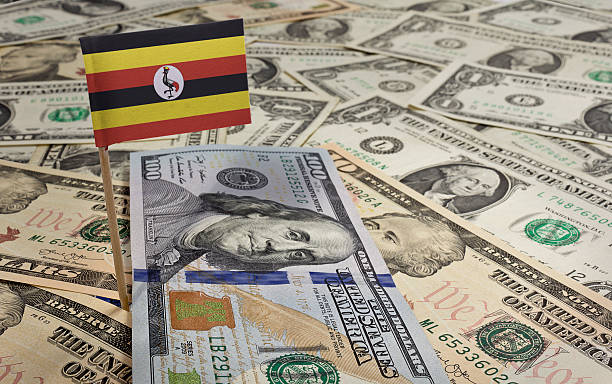
Paying in US Dollars in East Africa: Which Bills Are Accepted
Paying in US dollars in East Africa is common among international safari travellers, particularly when booking accommodation, paying tour operators or arranging wildlife activities. However, not every US dollar banknote is accepted equally in Uganda, Kenya, Tanzania and Rwanda.
Many visitors arrive carrying American dollars, assuming they can use any genuine note throughout their safari. Unfortunately, older banknotes, damaged bills and certain small denominations may be rejected by banks, foreign exchange bureaux, hotels and safari operators.
Although the US dollar is widely recognised across East Africa’s tourism industry, local currencies remain essential for everyday expenses. Each country also has different payment practices and regulations.
This guide explains which US dollar bills are most likely to be accepted, why some notes are rejected and how travellers can prepare their safari spending money before departure.
Can You Pay in US Dollars in East Africa?
US dollars are useful across East Africa, especially for international tourism services.
However, acceptance depends on the country, business and type of transaction.
US Dollar Acceptance by Country
| Country | Local currency | US dollar usage |
|---|---|---|
| Uganda | Ugandan shilling (UGX) | Common for safari services and accommodation |
| Kenya | Kenyan shilling (KES) | Accepted by many tourism businesses |
| Tanzania | Tanzanian shilling (TZS) | Subject to foreign currency payment regulations |
| Rwanda | Rwandan franc (RWF) | Common for selected tourism services |
Travellers should carry local currency for smaller purchases rather than relying entirely on US dollars.
Which US Dollar Bills Are Most Widely Accepted?
Newer, clean US dollar banknotes provide the greatest convenience.
Many East African banks and exchange bureaux apply additional checks to older notes because of counterfeit currency concerns.
Recommended US Dollar Banknotes
| Denomination | General acceptance | Best use |
|---|---|---|
| $100 | Excellent if recent and undamaged | Currency exchange and larger payments |
| $50 | Generally good | Exchange and hotel payments |
| $20 | Usually accepted | Tips and smaller expenses |
| $10 | Accepted by some businesses | Small payments |
| $5 | Variable | Tips |
| $1 | Limited exchange value | Small gratuities |
Larger denominations often receive better exchange rates at foreign exchange bureaux.
However, small notes can be convenient where US dollar payments are accepted.
What Year Should Your US Dollar Bills Be?
The series year printed on a US dollar banknote is particularly important.
Although older US currency remains legal tender in the United States, individual businesses and foreign exchange providers in East Africa may refuse it.
Practical Banknote Guidance
| Country | Recommended notes |
|---|---|
| Uganda | Prefer 2009 series or newer |
| Kenya | Prefer 2017 series or newer; many establishments require post-2014 notes |
| Tanzania | Prefer 2009 series or newer |
| Rwanda | Prefer 2009 series or newer |
These are conservative travel recommendations rather than uniform national laws establishing banknote cut-off dates.
For Kenya, carrying recent notes is particularly important because many establishments apply stricter acceptance standards.
The safest approach is to request the newest available series from your bank before travelling.
Why Are Older US Dollar Bills Rejected?
Several factors influence the acceptance of older banknotes.
Counterfeit currency concerns are among the main reasons.
Some older designs lack security features found on newer notes, making verification more difficult.
Common Reasons for Rejection
| Problem | Possible result |
|---|---|
| Older banknote series | Rejected by the exchange bureau |
| Torn corner | Refused |
| Ink markings | Refused |
| Heavy stains | Refused |
| Tape repairs | Refused |
| Excessive wear | Reduced acceptance |
| Suspected counterfeit | Transaction declined |
A genuine US dollar bill can therefore be refused because of its age or physical condition.
Paying in US Dollars in Uganda
Uganda is one of East Africa’s popular destinations for gorilla trekking, chimpanzee tracking and wildlife safaris.
Many safari operators quote international packages in US dollars.
Some hotels and lodges also accept dollar payments.
However, everyday purchases are generally easier using Ugandan shillings.
Where US Dollars May Be Accepted in Uganda
| Service | Payment guidance |
|---|---|
| Safari operator | Often accepts USD |
| International hotel | USD may be accepted |
| Gorilla safari package | Frequently quoted in USD |
| Local restaurant | UGX preferred |
| Market purchases | UGX recommended |
| Local transport | UGX recommended |
For currency exchange, clean $50 and $100 notes frequently provide better value than smaller denominations.
Paying in US Dollars in Kenya
Kenya’s main currency is the Kenyan shilling.
US dollars are accepted by many tourism businesses, including selected lodges and safari operators.
However, Kenya is particularly strict about older or damaged dollar bills.
Kenya Banknote Advice
Bring recent banknotes without stains, writing or tears.
For $50 and $100 notes, choose newer designs, preferably the latest available series.
Avoid relying on pre-2015 notes without confirming acceptance.
Kenya Wildlife Service park payments use approved cashless arrangements, so visitors should not assume they can hand over dollar notes at park gates.
Local currency and electronic payments are more practical for everyday expenses.
Paying in US Dollars in Tanzania
Tanzania requires particular attention because its foreign currency rules changed in 2025.
The country introduced regulations favouring Tanzanian shillings for domestic transactions.
Subsequent government clarification recognised certain foreign currency transactions involving non-residents, including international tourism arrangements.
What This Means for Safari Travellers
International safari packages sold to overseas visitors may be handled differently from ordinary domestic purchases.
For local spending inside Tanzania, Tanzanian shillings are the safest default.
Travellers can exchange foreign currency through authorised banks and bureaux de change or use accepted electronic payment methods.
Before paying a tourism business in dollars, confirm that the transaction is permitted under the applicable arrangements.
Paying in US Dollars in Rwanda
Rwanda’s national currency is the Rwandan franc.
US dollars are recognised by many tourism businesses, particularly those serving international visitors.
However, local markets, restaurants and transport providers commonly prefer francs.
Rwanda Payment Guide
| Expense | Recommended approach |
|---|---|
| International safari package | Confirm USD payment arrangements |
| Gorilla trekking | Permit usually arranged in advance |
| Kigali hotels | Cards or accepted currencies |
| Restaurants | Rwandan francs |
| Local transport | Rwandan francs |
| Souvenirs | Francs or agreed payment method |
Clean, recent US dollar banknotes are preferable when exchanging money.
Are $100 Bills Better Than Smaller Notes?
For exchanging foreign currency, $100 bills often provide better rates.
Some bureaux offer less favourable rates for $1, $5, $10 and $20 notes.
However, large denominations are less convenient for small purchases.
Choosing Dollar Denominations
| Purpose | Suggested denomination |
|---|---|
| Currency exchange | $100 or $50 |
| Large approved cash payment | $100 |
| Safari guide tips | $10 or $20 |
| Small gratuities | $1 or $5 where accepted |
| Everyday local spending | Local currency |
Do not carry excessive cash simply to obtain a slightly better exchange rate.
How to Identify the Series Year
US dollar banknotes display a series year on the front.
The text normally appears near the portrait.
It reads Series followed by a year, sometimes with an additional letter.
For example, a note may display Series 2017 A.
The series year identifies the banknote design or associated issue series; it is not necessarily the year that particular note was physically printed.
Inspect this marking before travelling.
Where Should You Exchange US Dollars?
Travellers can exchange money at authorised banks and licensed foreign exchange bureaux.
International airports also provide currency exchange facilities.
Currency Exchange Comparison
| Location | Main advantage |
|---|---|
| Airport exchange counter | Convenient on arrival |
| Licensed forex bureau | Often competitive rates |
| Commercial bank | Established financial institution |
| Hotel reception | Convenient but potentially less favourable |
| Unofficial street exchange | Avoid due to fraud risk |
Compare the final amount of local currency received rather than considering the advertised exchange rate alone.
Should You Carry Cash or Use a Bank Card?
A combination of payment methods is generally best.
Visa and Mastercard are accepted at many established hotels, lodges and larger businesses.
However, network problems and remote locations can make card payments unreliable.
Cash vs Card Comparison
| Payment method | Main benefit |
|---|---|
| US dollar cash | Useful for exchange and approved tourism payments |
| Local currency | Convenient for everyday purchases |
| Credit card | Suitable for many larger transactions |
| Debit card | Useful for ATM withdrawals |
| Mobile money | Convenient where available |
Always carry a suitable backup payment option.
Using Mobile Money in East Africa
Mobile money is widely used throughout the region.
Uganda has MTN Mobile Money and Airtel Money.
Kenya is well known for M-Pesa.
Tanzania and Rwanda also have established mobile payment systems.
International travellers may need a registered local SIM and eligible mobile money account to use these services.
Mobile money is useful but not essential for most fully organised safari holidays.
How Much Cash Should You Bring on Safari?
The amount depends on what your package already includes.
If accommodation, meals, park fees and transport are prepaid, you may need cash only for tips, drinks and personal purchases.
Example Personal Spending Budget
| Expense | Suggested planning |
|---|---|
| Guide gratuities | Based on service and local guidance |
| Drinks | Allow for extras |
| Souvenirs | Personal preference |
| Laundry | Check lodge charges |
| Unplanned expenses | Keep a small reserve |
Ask your safari operator which expenses remain unpaid before deciding how much money to carry.
Avoiding Currency Exchange Problems
Inspect all US dollar notes before departure.
Request clean, recent bills from your bank.
Avoid damaged or heavily marked currency.
Keep larger notes separate from smaller spending money.
Exchange currency only through reliable providers.
Count the money received before leaving the exchange counter.
Frequently Asked Questions
Are Old US Dollar Bills Illegal in East Africa?
Not necessarily. Older US notes remain genuine US currency, but individual financial institutions and businesses may refuse them.
Are 2009 Dollar Bills Accepted?
They may be accepted in Uganda, Tanzania and Rwanda, but acceptance is not guaranteed. Some Kenyan establishments apply stricter requirements.
Can I Pay Safari Guides in US Dollars?
Many guides accept dollar tips where permitted, but local currency is also useful. Ask your operator about the preferred arrangement.
Can I Use US Dollars at Every National Park?
No. Some authorities require electronic payment or have specific currency arrangements.
Should I Bring Dollars or Local Currency?
Bring suitable foreign currency for exchange if necessary, but use local currency for everyday spending.
Which Dollar Bills Should You Bring?
Paying in US dollars can make East African safari travel convenient, but visitors should understand the differences between Uganda, Kenya, Tanzania and Rwanda.
Newer $50 and $100 notes are generally useful for currency exchange, while smaller denominations may help with tips where accepted.
Older, torn, stained or marked notes can be rejected even when genuine.
For the smoothest safari experience, carry recent, clean US dollar notes, exchange enough money into local currency and confirm accepted payment methods before travelling.



No comment