
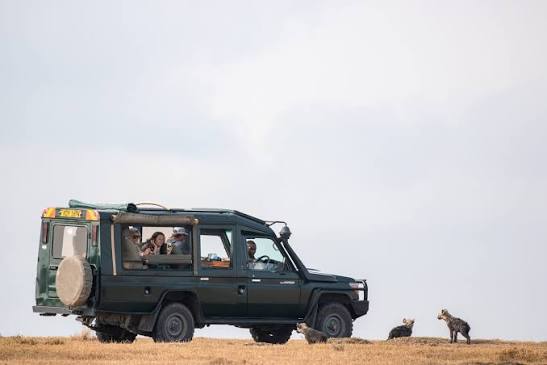
Shared vs Private Safari Vehicles: What Changes on a Game Drive
Choosing between shared vs private safari vehicles is an important decision when planning a wildlife holiday in Uganda, Kenya, Tanzania or Rwanda. Both options allow travellers to explore national parks, photograph wild animals and experience Africa’s remarkable landscapes, but they offer different levels of comfort, flexibility and personal attention.
A shared safari vehicle carries travellers from different bookings, while a private safari vehicle is reserved exclusively for an individual, couple, family or group of friends.
The difference goes beyond price. Vehicle arrangements influence departure times, wildlife-viewing stops, seating positions, photography opportunities and interactions with guides.
This guide compares shared and private safari vehicles, helping travellers decide which option offers the best experience for their budget and travel preferences.
What Is a Shared Safari Vehicle?
A shared safari vehicle carries several travellers who have booked places on the same organised game drive or safari itinerary.
Participants usually share the guide, vehicle and scheduled wildlife activities.
Shared game drives are commonly arranged by safari operators, lodges and camps.
Main Features of Shared Safari Vehicles
| Feature | Description |
|---|---|
| Passengers | Travellers from different bookings |
| Guide | Shared among participants |
| Departure time | Usually scheduled |
| Wildlife stops | Based on group interests |
| Cost | Shared between guests |
| Privacy | Limited |
| Flexibility | Moderate to limited |
| Best suited to | Solo travellers and budget visitors |
The number of passengers depends on the vehicle, operator and park regulations.
What Is a Private Safari Vehicle?
A private safari vehicle is reserved for one booking party.
Guests travel with a dedicated driver-guide and can often influence the day’s activities.
Private vehicles are popular with couples, families, wildlife photographers and travellers seeking personalised experiences.
Private Safari Vehicle Features
| Feature | Description |
|---|---|
| Passengers | Only the booking party |
| Guide | Dedicated |
| Departure time | Usually flexible |
| Wildlife stops | Based on guest preferences |
| Cost | Paid by the private party |
| Privacy | Greater |
| Flexibility | Usually high |
| Best suited to | Families, couples and photographers |
Private arrangements must still follow park opening hours, wildlife protection rules and safe driving practices.
Shared vs Private Safari Vehicles: Main Differences
The two arrangements offer distinct experiences.
Safari Vehicle Comparison
| Feature | Shared vehicle | Private vehicle |
|---|---|---|
| Cost per person | Usually lower | Often higher |
| Seating | Shared | More control |
| Departure time | Predetermined | Flexible |
| Wildlife photography | Shared opportunities | Personalised stops |
| Guide attention | Divided among guests | Dedicated |
| Social atmosphere | Meet other travellers | Private group |
| Rest breaks | Group-dependent | More flexible |
| Itinerary adjustments | Limited | Easier |
| Suitable for children | Depends on group policies | Often preferable |
Neither arrangement guarantees better wildlife sightings.
How Safari Vehicle Costs Are Calculated
Safari vehicles require fuel, maintenance, insurance and experienced guides.
These operating expenses remain significant regardless of passenger numbers.
Shared vehicles distribute costs across several travellers.
Private vehicles concentrate those expenses within one booking party.
Example Vehicle Cost Comparison
Assume a game-drive vehicle and guide cost $300 for a full-day excursion.
| Number of paying guests | Cost per person |
|---|---|
| One | $300 |
| Two | $150 |
| Three | $100 |
| Four | $75 |
| Six | $50 |
These illustrative figures exclude park fees, accommodation and other safari expenses.
They demonstrate why joining a shared game drive can reduce costs.
Do Private Vehicles Offer Better Wildlife Viewing?
Private vehicles provide greater control over how time is spent in the park.
For example, guests interested in lions can ask their guide to spend longer observing a pride.
Birdwatchers may prefer slower drives through woodland habitats.
However, wildlife sightings remain unpredictable.
Wildlife Viewing Differences
| Situation | Shared vehicle | Private vehicle |
|---|---|---|
| Lion sighting | Group decides viewing time | Guests can request a longer stop |
| Birdwatching | Depends on group interest | Can receive more attention |
| Elephant herd | Shared viewing opportunity | Flexible observation |
| Photography | Guests share positioning | Greater control |
| Quiet viewing | Depends on participants | Easier to arrange |
Good guiding, park conditions and wildlife movements matter more than the vehicle’s booking category.
Photography Opportunities on Game Drives
Photography is one of the biggest reasons travellers choose private safari vehicles.
Wildlife photographers often need time to adjust camera settings, change lenses and wait for natural animal behaviour.
Shared Vehicle Photography
In a shared vehicle, passengers may need to take turns using the best viewing positions.
The guide must consider everyone’s interests.
Some travellers may prefer moving on after a short sighting.
Private Vehicle Photography
Private vehicle guests can request longer stops and discuss preferred angles with their guide.
A private arrangement also makes it easier to position equipment without disturbing other passengers.
However, drivers must remain on authorised tracks and maintain safe wildlife distances.
Seating Arrangements and Comfort
Vehicle design influences the quality of a game drive.
Some safari vehicles have pop-up roofs, while others are open-sided.
Seating configurations vary between operators and destinations.
Vehicle Seating Comparison
| Consideration | Shared vehicle | Private vehicle |
|---|---|---|
| Window access | Depends on seating | Easier to arrange |
| Legroom | Depends on capacity | Potentially greater |
| Camera equipment | Limited shared space | More equipment room |
| Seat selection | May be assigned | Usually flexible |
| Personal belongings | Shared storage | Greater flexibility |
Before booking, ask how many passengers will occupy the vehicle.
A shared safari with fewer passengers may be more comfortable than a crowded private group.
Guide Attention and Wildlife Interpretation
An experienced safari guide improves the wildlife experience by identifying animals, explaining behaviour and choosing suitable observation areas.
Shared Safari Guiding
Guides answer questions from several participants.
This can create interesting conversations and opportunities to learn from other travellers.
However, individual interests receive less dedicated attention.
Private Safari Guiding
Private guests can discuss specific interests with their guide.
Photographers may ask about lighting and animal behaviour.
Families can request explanations suitable for children.
Birdwatchers can focus on species identification.
Private guiding provides personalised attention rather than a guarantee of greater wildlife knowledge.
Departure Times and Daily Schedules
Wildlife activity often changes throughout the day.
Early morning and late afternoon game drives can be particularly rewarding.
Schedule Comparison
| Activity | Shared vehicle | Private vehicle |
|---|---|---|
| Morning departure | Scheduled | Usually adjustable |
| Breakfast arrangements | Group schedule | More flexible |
| Game-drive duration | Predetermined | Depends on agreement |
| Rest stops | Shared decision | Guest preference |
| Return time | Usually fixed | More adaptable |
All departures must comply with national park operating rules.
Shared Safari Vehicles for Solo Travellers
Shared vehicles are particularly attractive to people travelling alone.
They allow travellers to enjoy guided wildlife activities without paying the full expense of a private vehicle.
Advantages for Solo Guests
Travellers can meet people with similar interests.
Transport and guiding expenses are divided among participants.
Organised departures reduce planning responsibilities.
However, solo visitors should confirm whether additional accommodation supplements apply.
Private Safari Vehicles for Families
Families often benefit from the flexibility of private game drives.
Children may need more frequent breaks or shorter wildlife activities.
A private vehicle allows parents to manage these requirements without affecting unrelated travellers.
Family Considerations
| Requirement | Private vehicle benefit |
|---|---|
| Young children | Flexible breaks |
| Family photography | More seating control |
| Snacks | Personalised arrangements |
| Wildlife interests | Age-appropriate focus |
| Rest periods | Easier scheduling |
Some lodges restrict the participation of young children on shared game drives for safety reasons.
Confirm age policies before booking.
Honeymoon Safaris and Private Vehicles
Couples celebrating honeymoons may prefer private vehicles for a quieter experience.
They can enjoy wildlife viewing without sharing every moment with unfamiliar passengers.
Private arrangements also allow more flexibility when combining game drives with romantic accommodation or relaxation.
However, couples travelling on a limited budget can still enjoy excellent shared safari experiences.
Shared and Private Game Drives in Uganda
Uganda offers game drives in Queen Elizabeth, Murchison Falls, Kidepo Valley and Lake Mburo national parks.
Uganda Game Drive Considerations
Shared drives may be available through selected lodges and operators.
Private safaris commonly use dedicated vehicles for the entire itinerary.
Some wildlife activities, including gorilla trekking, operate under separate group regulations.
Booking a private safari vehicle does not provide exclusive access to gorilla families.
Shared and Private Vehicles in Kenya
Kenya is famous for wildlife viewing in the Maasai Mara, Amboseli, Samburu and Tsavo.
Many lodges offer scheduled shared game drives.
Private vehicles are also widely used for tailored safaris.
Kenya Safari Considerations
The Maasai Mara is popular with photographers, making seating arrangements important.
Private conservancies may have specific vehicle, guiding and activity policies.
Travellers should confirm whether their chosen package includes shared or exclusive game drives.
Shared and Private Vehicles in Tanzania
Tanzania offers extensive wildlife experiences in Serengeti, Ngorongoro, Tarangire and Lake Manyara.
Tanzania Safari Considerations
Group-joining road safaris often use shared vehicles.
Private itineraries provide greater control over travel schedules and photographic stops.
In Ngorongoro Crater, all visitors must follow established access rules and applicable vehicle regulations.
A private vehicle does not permit unrestricted driving.
Vehicle Type Matters as Much as Privacy
Not all safari vehicles provide the same experience.
Common Safari Vehicle Types
| Vehicle | Main characteristics |
|---|---|
| Pop-up-roof 4WD | Enclosed body with elevated viewing |
| Open-sided safari vehicle | Wide visibility |
| Safari minibus | Used on selected routes |
| Extended 4WD | Suitable for larger groups |
Ask whether everyone has a suitable viewing position.
Vehicle maintenance, seating comfort and guide experience should influence your decision.
Questions to Ask Before Booking
A safari quotation should clearly explain vehicle arrangements.
Safari Vehicle Booking Checklist
| Question | Why it matters |
|---|---|
| Is the vehicle shared or private? | Establishes exclusivity |
| How many passengers? | Determines comfort |
| What vehicle type is used? | Affects visibility |
| Is every guest guaranteed a window position? | Important for photography |
| Can departure times change? | Establishes flexibility |
| Are park fees included? | Prevents extra costs |
| Is the guide dedicated? | Clarifies service |
| Can children join? | Confirms suitability |
Request written confirmation of important arrangements.
Which Safari Vehicle Offers Better Value?
Shared safari vehicles generally provide better value for travellers who prioritise affordability and enjoy meeting others.
Private vehicles are often worth considering when personal schedules, photography and flexibility are important.
For larger families or groups of friends, private vehicle costs may become competitive because expenses are shared within the party.
Choosing the Right Game Drive
Shared and private safari vehicles can both provide unforgettable wildlife encounters.
Shared vehicles offer affordable guided experiences and opportunities to meet other travellers.
Private vehicles provide greater privacy, flexibility and control over wildlife-viewing time.
The best choice depends on your budget, travel companions and personal interests.
A comfortable, well-maintained safari vehicle with an experienced guide is more important than whether the game drive is shared or private.
Understanding these differences helps travellers select rewarding wildlife experiences across Uganda, Kenya, Tanzania and Rwanda.



No comment