
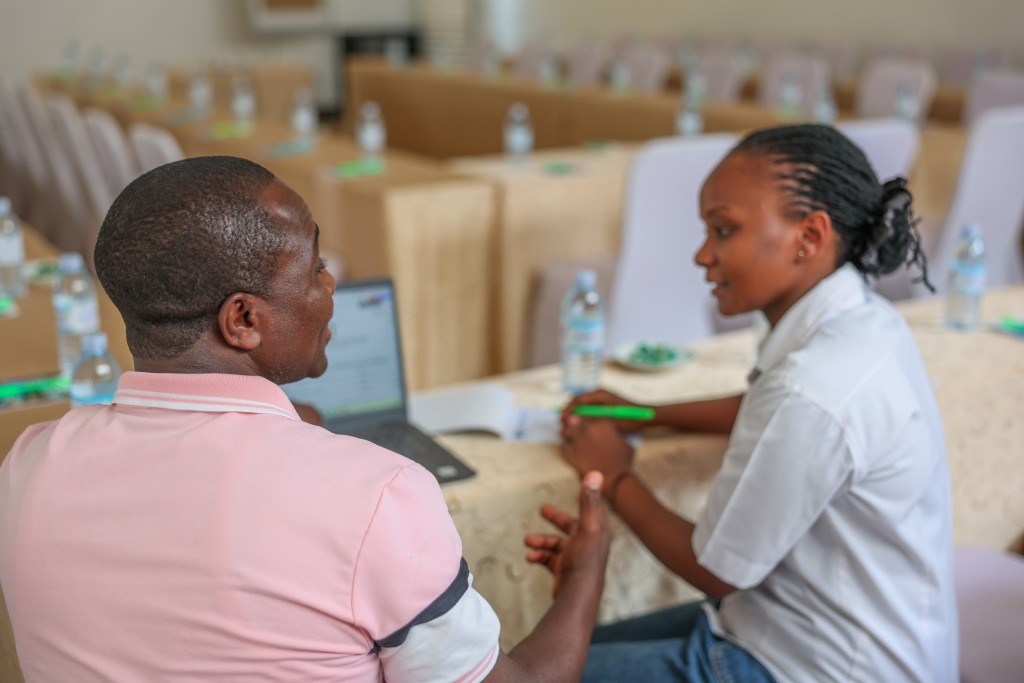
Corporate Retreats in East Africa: Planning a Team Programme
Corporate retreats in East Africa offer companies an opportunity to bring employees together, strengthen professional relationships and develop fresh ideas away from their usual working environment. With beautiful landscapes, comfortable conference facilities, national parks and lakeside resorts, Uganda, Kenya, Tanzania and Rwanda provide excellent settings for business retreats and team-building programmes.
Unlike ordinary office meetings, a corporate retreat combines structured business discussions with activities designed to encourage communication, collaboration and employee motivation.
A successful programme might include leadership workshops in Entebbe, team-building activities near Lake Naivasha, strategic planning meetings in Arusha or a management retreat beside Lake Kivu.
However, planning a retreat requires more than reserving accommodation and arranging group activities. Organisers must consider objectives, budgets, transport, accessibility, safety and employee expectations.
This guide explains how to organise a rewarding corporate retreat in East Africa, select suitable destinations and design a balanced programme that delivers meaningful results.
What Is a Corporate Retreat?
A corporate retreat is an organised gathering that brings employees, managers or business leaders together outside their normal workplace.
Retreats may focus on strategic planning, leadership development, team relationships, employee wellbeing or organisational change.
Some last one day, while others extend over several nights.
Common Corporate Retreat Objectives
| Objective | Main purpose |
|---|---|
| Team building | Strengthen workplace relationships |
| Strategic planning | Develop business priorities |
| Leadership development | Improve management skills |
| Employee motivation | Recognise achievements |
| Communication | Encourage cooperation |
| Problem-solving | Address organisational challenges |
| Innovation | Generate new ideas |
| Staff wellbeing | Support rest and connection |
The best programme begins with clear goals rather than choosing activities simply because they are entertaining.
Why Choose East Africa for a Corporate Retreat?
East Africa combines established business centres with remarkable natural attractions.
Companies can organise professional meetings while allowing participants to enjoy wildlife, cultural experiences and scenic surroundings.
Main Benefits
Uganda offers lakeside venues, green countryside and accessible adventure activities.
Kenya provides established conference infrastructure, national parks and coastal resorts.
Tanzania combines major business centres with mountain scenery, wildlife destinations and Indian Ocean beaches.
Rwanda offers modern meeting facilities, beautiful landscapes and relatively compact travel routes.
These options make the region suitable for both local organisations and international companies.
Best Countries for Corporate Retreats
| Country | Popular retreat locations | Suitable experiences |
|---|---|---|
| Uganda | Entebbe, Jinja, Kampala, Lake Bunyonyi | Team building and nature |
| Kenya | Nairobi, Naivasha, Nanyuki, Mombasa | Conferences and outdoor activities |
| Tanzania | Arusha, Moshi, Zanzibar, Dar es Salaam | Leadership and relaxation |
| Rwanda | Kigali, Musanze, Lake Kivu | Strategy and executive retreats |
The ideal country depends on where participants are travelling from, available budgets and the retreat’s purpose.
Corporate Retreats in Uganda
Uganda provides attractive locations for organisations seeking peaceful environments near major business centres.
Entebbe is particularly convenient for international participants arriving through Entebbe International Airport.
Popular Uganda Retreat Locations
Entebbe: Lakeside accommodation, conference facilities and airport access.
Jinja: Outdoor activities, Nile scenery and team-building opportunities.
Lake Bunyonyi: Quiet surroundings suited to small leadership groups.
Kampala: Convenient meeting facilities for local organisations.
Why Choose Uganda?
Uganda offers a broad range of accommodation options and outdoor experiences.
Companies can combine workshops with boat excursions, nature walks or supervised adventure activities.
Corporate Retreats in Kenya
Kenya has a developed meetings and conference industry.
Nairobi offers business hotels and established event facilities, while destinations outside the city provide quieter settings.
Popular Kenya Retreat Locations
| Location | Main advantage |
|---|---|
| Nairobi | Business accessibility |
| Lake Naivasha | Lakeside atmosphere |
| Nanyuki | Mountain scenery |
| Maasai Mara | Wildlife incentive travel |
| Mombasa | Coastal relaxation |
| Diani Beach | Beachfront resorts |
Lake Naivasha is particularly suitable for short corporate retreats because it combines accommodation, meeting facilities and outdoor activities.
Corporate Retreats in Tanzania
Tanzania provides opportunities to combine business discussions with natural scenery.
Arusha is convenient for organisations interested in northern Tanzania’s landscapes and wildlife attractions.
Zanzibar offers beachfront settings suitable for incentive programmes and selected leadership retreats.
Tanzania Retreat Experiences
Companies may organise strategy sessions, professional workshops, cultural activities and guided nature excursions.
For business-focused events, choose accommodation with reliable meeting facilities rather than selecting a remote lodge solely for its scenery.
Corporate Retreats in Rwanda
Rwanda has developed a strong reputation for meetings and business events.
Kigali provides modern conference facilities and convenient urban accommodation.
Lake Kivu offers peaceful lakeside surroundings, while Musanze provides mountain scenery near Volcanoes National Park.
Rwanda Retreat Planning
| Location | Suitable programme |
|---|---|
| Kigali | Corporate conferences |
| Lake Kivu | Leadership retreats |
| Musanze | Team development |
| Akagera region | Wildlife incentive activities |
Rwanda is particularly attractive for programmes combining business meetings with short nature experiences.
Step One: Define Clear Retreat Objectives
Before selecting a destination, identify what the organisation wants to achieve.
A retreat designed to improve cooperation requires different activities from one focused on strategic decisions.
Setting Measurable Goals
| Objective | Possible outcome |
|---|---|
| Improve communication | Agreed team communication practices |
| Strengthen leadership | Individual development plans |
| Review performance | Updated departmental priorities |
| Encourage innovation | Proposed business improvements |
| Build trust | Better cross-team cooperation |
| Plan the next year | Approved action plan |
Clear objectives make it easier to evaluate the retreat afterwards.
Step Two: Choose the Right Group Size
The number of participants influences accommodation, transport and programme design.
Small executive groups may prefer quiet lodges with private meeting rooms.
Larger organisations require spacious conference facilities, reliable catering and coordinated transfers.
Group Size Considerations
| Participants | Recommended arrangement |
|---|---|
| 5–10 | Executive retreat |
| 11–25 | Departmental programme |
| 26–50 | Medium-sized team event |
| 51–100 | Large organisational retreat |
| Over 100 | Conference-style programme |
Large groups may require professional event coordination and additional facilitators.
Step Three: Select a Suitable Retreat Venue
A beautiful location does not automatically make an effective corporate retreat venue.
Meeting facilities should support the intended programme.
Venue Selection Checklist
| Facility | Why it matters |
|---|---|
| Meeting room | Comfortable discussions |
| Internet access | Online collaboration |
| Projector or screen | Presentations |
| Sound equipment | Clear communication |
| Backup electricity | Reliable sessions |
| Catering | Participant comfort |
| Accessible rooms | Inclusive participation |
| Outdoor space | Team activities |
Ask the venue about capacity, accessibility and equipment before paying a deposit.
Step Four: Create a Realistic Retreat Budget
Retreat costs vary according to group size, destination, accommodation and activities.
A clear budget prevents unexpected expenses.
Main Corporate Retreat Expenses
| Expense | Budget consideration |
|---|---|
| Accommodation | Rooms and occupancy arrangements |
| Meals | Full-board or selected catering |
| Conference facilities | Meeting space and equipment |
| Transport | Airport and group transfers |
| Facilitators | Professional programme leadership |
| Activities | Team-building experiences |
| Materials | Printing and workshop supplies |
| Insurance | Relevant event and activity cover |
| Contingency | Unexpected requirements |
Request itemised quotations from venues and service providers.
Step Five: Design a Balanced Team Programme
A corporate retreat should combine productive discussions with suitable breaks and shared activities.
Too many presentations may leave participants tired, while excessive recreation can reduce the programme’s business value.
Sample Three-Day Corporate Retreat
| Day | Morning | Afternoon | Evening |
|---|---|---|---|
| Day 1 | Arrival and registration | Welcome meeting and team introductions | Group dinner |
| Day 2 | Strategic planning workshop | Team-building activities | Informal networking |
| Day 3 | Leadership discussions | Action planning and evaluation | Departure |
A three-day programme is suitable for many organisations, although executive retreats may require longer discussions.
Step Six: Choose Meaningful Team-Building Activities
Team-building activities should encourage communication, problem-solving and cooperation.
Different activities work for different groups.
Recommended Activities
| Activity | Team development benefit |
|---|---|
| Group problem-solving | Encourages cooperation |
| Guided nature walk | Supports informal communication |
| Team challenges | Develops shared decision-making |
| Cultural experiences | Builds understanding |
| Boat excursions | Encourages social interaction |
| Creative workshops | Supports innovation |
| Wildlife game drives | Provides shared experiences |
Participation should be inclusive and voluntary where activities involve physical, medical or personal limitations.
Step Seven: Arrange Transport and Accommodation
Reliable transport is essential, particularly when participants arrive from different countries or cities.
Organisers should coordinate arrival times, airport transfers and departure arrangements.
Accommodation should provide suitable room categories, accessible facilities and adequate privacy.
For larger groups, confirm room allocations and dietary requirements in advance.
Step Eight: Include Employee Wellbeing
Corporate retreats should not become exhausting extensions of the working week.
Participants need sufficient rest, breaks and personal time.
A balanced programme encourages engagement without forcing employees into uncomfortable activities.
Wellbeing Considerations
Provide accessible participation options.
Allow reasonable free time.
Respect dietary and religious requirements.
Avoid compulsory high-risk activities.
Schedule sufficient sleep and meal breaks.
A supportive environment makes participation more productive.
Step Nine: Work With Professional Facilitators
Professional facilitators can help organisations manage discussions and achieve clear outcomes.
They may lead leadership sessions, conflict-resolution workshops or strategic planning activities.
A good facilitator understands the organisation’s goals and keeps discussions focused.
For sensitive workplace issues, facilitators should establish confidentiality and respectful participation rules.
Step Ten: Measure the Results
A retreat should produce practical outcomes rather than ending with enjoyable memories alone.
Organisers can evaluate the programme through feedback and agreed follow-up actions.
Corporate Retreat Evaluation
| Measurement | Example |
|---|---|
| Participant feedback | Satisfaction survey |
| Team communication | Agreed improvements |
| Strategic outcomes | Written priorities |
| Leadership development | Individual action plans |
| Employee engagement | Post-retreat feedback |
| Programme effectiveness | Review after 30–60 days |
Assign responsibility for each action and set realistic completion dates.
How Much Does a Corporate Retreat Cost?
Costs depend on location, group size, duration and accommodation standards.
Rather than relying on broad advertised prices, organisations should request quotations based on confirmed requirements.
For budgeting, a group of 20 participants staying two nights will require calculations for accommodation, meals, meeting space, transport and activities.
Sharing conference facilities and transport can reduce the cost per participant.
Common Corporate Retreat Planning Mistakes
Organisers sometimes select beautiful destinations without checking conference facilities.
Others create programmes containing too many activities and insufficient time for meaningful discussions.
Unclear objectives, poor communication and inadequate budgeting can also affect results.
The best approach is to define outcomes first and build the programme around them.
Frequently Asked Questions
How Long Should a Corporate Retreat Last?
Two to three days is suitable for many team programmes. Larger strategic meetings may require additional time.
Which East African Country Is Best?
Uganda is attractive for nature-based retreats, Kenya offers extensive conference options, Tanzania combines business events with scenic destinations, and Rwanda provides strong meeting facilities.
Can Wildlife Safaris Be Included?
Yes. Suitable wildlife excursions can form part of incentive travel, subject to budget, park rules, participant preferences and available time.
Should Companies Use Event Organisers?
Professional organisers can be particularly useful for international groups or events requiring several suppliers, accommodation providers and transport services.
Creating a Successful Corporate Retreat
Corporate retreats in East Africa can combine professional development with memorable travel experiences.
Uganda, Kenya, Tanzania and Rwanda offer different settings for leadership meetings, team-building activities and strategic discussions.
However, successful retreats depend on clear objectives, inclusive activities, reliable logistics and measurable outcomes.
The most valuable corporate retreat is one that strengthens teamwork and produces practical improvements long after participants return to their workplaces.
With thoughtful preparation, an East African corporate retreat can become a productive investment in both employees and organisational performance.






No comment