How Ugandan Women Weave Banana Fibre Into Art Worth Buying
Banana plants are part of everyday life in Uganda. They provide food, animal feed, and shade across much of the country. What many travelers do not realize is that they also provide one of Uganda’s most sustainable and beautiful handicraft materials. Across rural communities, Ugandan women are transforming banana fibre into handmade products that are attracting attention from tourists and international buyers alike.
From baskets and handbags to wall hangings and decorative pieces, banana fibre crafts represent more than souvenirs. They are a source of income for thousands of women, a reflection of Uganda’s cultural heritage, and an example of how sustainable tourism can directly benefit local communities.
Visitors traveling through Uganda often encounter banana fibre products at cultural centres, craft markets, lodges, and community projects. Purchasing these handmade items allows travelers to take home something authentic while supporting women artisans who have preserved these traditional skills for generations.
What Is Banana Fibre?
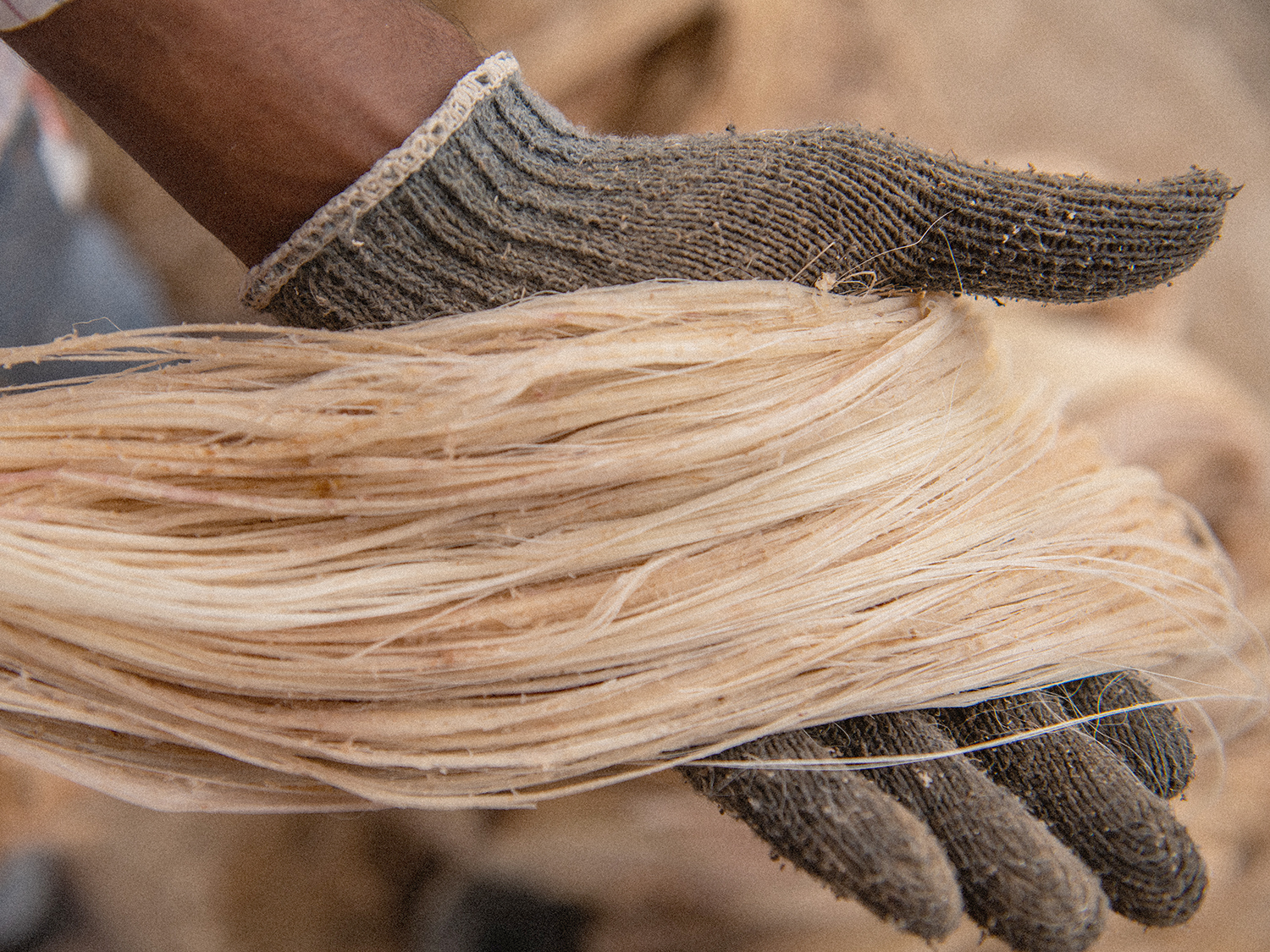
Banana fibre is a natural material extracted from the stems of banana plants after they have produced fruit. Instead of allowing the stems to go to waste, artisans carefully remove the fibres and prepare them for weaving.
The fibres are lightweight, durable, and environmentally friendly. Once processed, they can be woven into a variety of beautiful products that combine traditional craftsmanship with modern designs.
Uganda is one of Africa’s leading banana-producing countries. Bananas are grown throughout much of the country, making banana fibre readily available for local artisans. Communities have found creative ways to turn what would otherwise be agricultural waste into valuable handmade products.
The use of banana fibre is also environmentally sustainable because it does not require cutting down trees or using synthetic materials. It makes use of resources that are already part of Uganda’s agricultural landscape.
The Women Behind the Craft
Across Uganda, women’s groups play an important role in producing banana fibre crafts. Many of these artisans live in rural communities where tourism has created opportunities for income generation.
Women often work together in cooperatives or community projects that allow them to earn money while preserving traditional weaving techniques. Some groups have been producing crafts for decades, while others have been established through tourism and community development programs.
For many artisans, weaving is not simply a business. It is a skill that has been passed down through generations. Young women continue learning from their mothers and grandmothers, helping to preserve cultural traditions while adapting products to meet modern market demands.
The income generated through banana fibre crafts contributes to household expenses, children’s education, healthcare costs, and community development projects.
Tourism has significantly increased demand for these products, creating new opportunities for women throughout Uganda.
How Banana Fibre Is Made
The process of producing banana fibre products requires patience and skill. It begins with harvesting the outer layers of banana stems after the fruit has been collected.
The fibres are carefully stripped from the stem before being cleaned and dried naturally in the sun. Drying can take several days depending on weather conditions and the thickness of the fibres.
Once dried, the fibres are sorted according to their colour, texture, and strength. Some fibres retain their natural creamy colour, while others are dyed using environmentally friendly techniques to create vibrant patterns and designs.
The weaving process itself can take many hours or even several days depending on the size and complexity of the final product. Every item is handmade, making each piece slightly unique.
Many artisans combine banana fibre with raffia, natural grasses, or fabric to create contemporary designs that appeal to both local and international buyers.
Why Banana Fibre Products Are Popular With Tourists
Travelers are increasingly looking for authentic souvenirs that reflect the places they visit. Handmade banana fibre crafts offer something far more meaningful than mass-produced tourist items.
Each product tells a story about Uganda’s people, culture, and commitment to sustainability. Buying directly from women’s groups also allows visitors to understand the craftsmanship involved in producing these beautiful items.
Banana fibre products are lightweight and easy to pack, making them particularly attractive to international travelers. They are also highly durable and suitable for everyday use.
Many luxury safari lodges and cultural centres now display banana fibre products as part of their décor, further increasing their popularity among visitors.
Tourists appreciate knowing that their purchases directly support local communities and contribute to women’s economic empowerment.
The Most Popular Banana Fibre Crafts
Ugandan artisans create an impressive variety of banana fibre products. Decorative baskets remain among the most popular items purchased by visitors. These baskets are available in different sizes and designs and are often used as wall decorations or storage pieces.
Handbags made from banana fibre have become increasingly fashionable. Many combine traditional weaving techniques with modern styles, making them suitable for both casual and formal use.
Placemats, coasters, and table runners are also popular among travelers who wish to incorporate African craftsmanship into their homes.
Wall hangings featuring intricate patterns are highly sought after by international buyers interested in handmade interior décor.
Christmas ornaments, jewellery, lampshades, and gift items are also commonly produced by women’s groups throughout Uganda.
The growing demand for sustainable home décor has contributed significantly to the popularity of banana fibre crafts in recent years.
Sustainable Tourism and Community Empowerment
Banana fibre products represent one of the best examples of how tourism can positively impact local communities.
When travelers purchase handmade crafts, they are contributing directly to community development. Unlike mass-produced souvenirs, the income generated from handmade products often goes directly to the artisans who created them.
Many community tourism initiatives in Uganda include visits to craft workshops where travelers can observe the weaving process and learn about the cultural significance of the products.
These experiences create meaningful interactions between visitors and local communities while supporting sustainable livelihoods.
Tourism has encouraged many women’s groups to improve product quality, diversify their offerings, and expand their market reach both locally and internationally.
Community-based tourism continues to play an important role in promoting Uganda’s traditional crafts and supporting rural development.
Where Travelers Can Buy Authentic Banana Fibre Crafts
Banana fibre crafts are available throughout Uganda at various locations.
Cultural centres in Kampala offer a wide selection of handmade products from women’s cooperatives across the country. Craft markets remain popular shopping destinations for visitors interested in authentic Ugandan souvenirs.
Many safari lodges work directly with local women’s groups and display their products within lodge gift shops. This allows travelers to support community projects during their safari experience.
Community tourism initiatives near national parks often provide opportunities to purchase handmade crafts directly from artisans.
Buying directly from the producers ensures that more of the proceeds benefit the communities involved in creating the products.
Travelers should look for products that demonstrate quality craftsmanship and are made using locally sourced materials.
Banana Fibre Crafts Reflect Uganda’s Cultural Identity
Traditional weaving has long been part of Uganda’s cultural heritage. While techniques and designs vary across communities, craftsmanship remains deeply rooted in local traditions.
Banana fibre products showcase the creativity and resourcefulness of Ugandan artisans. They represent a beautiful balance between preserving cultural practices and adapting to modern consumer preferences.
Many designs incorporate patterns inspired by Uganda’s landscapes, cultural symbols, and traditional artistic expressions.
The continued popularity of these crafts helps preserve valuable cultural knowledge while providing economic opportunities for future generations.
As international demand grows, Ugandan artisans are gaining recognition for producing high-quality handmade products that appeal to global markets.
Why Banana Fibre Products Are Worth Buying
For travelers visiting Uganda, purchasing banana fibre crafts offers more than simply buying a souvenir. These products represent sustainable tourism in action.
They support women’s economic empowerment, preserve traditional craftsmanship, and contribute to community development initiatives throughout the country.
Unlike factory-produced items, each handmade product carries the time, effort, and creativity of the artisan who made it. Small imperfections often add character and serve as reminders that every piece is unique.
Banana fibre products are environmentally friendly, culturally significant, and beautifully crafted. They provide travelers with an opportunity to take home a meaningful piece of Uganda while making a positive contribution to local communities.
The next time you visit Uganda and come across a beautifully woven basket or handmade handbag crafted from banana fibre, remember that you are looking at more than an attractive souvenir. You are witnessing generations of craftsmanship transformed into art that is truly worth buying.