
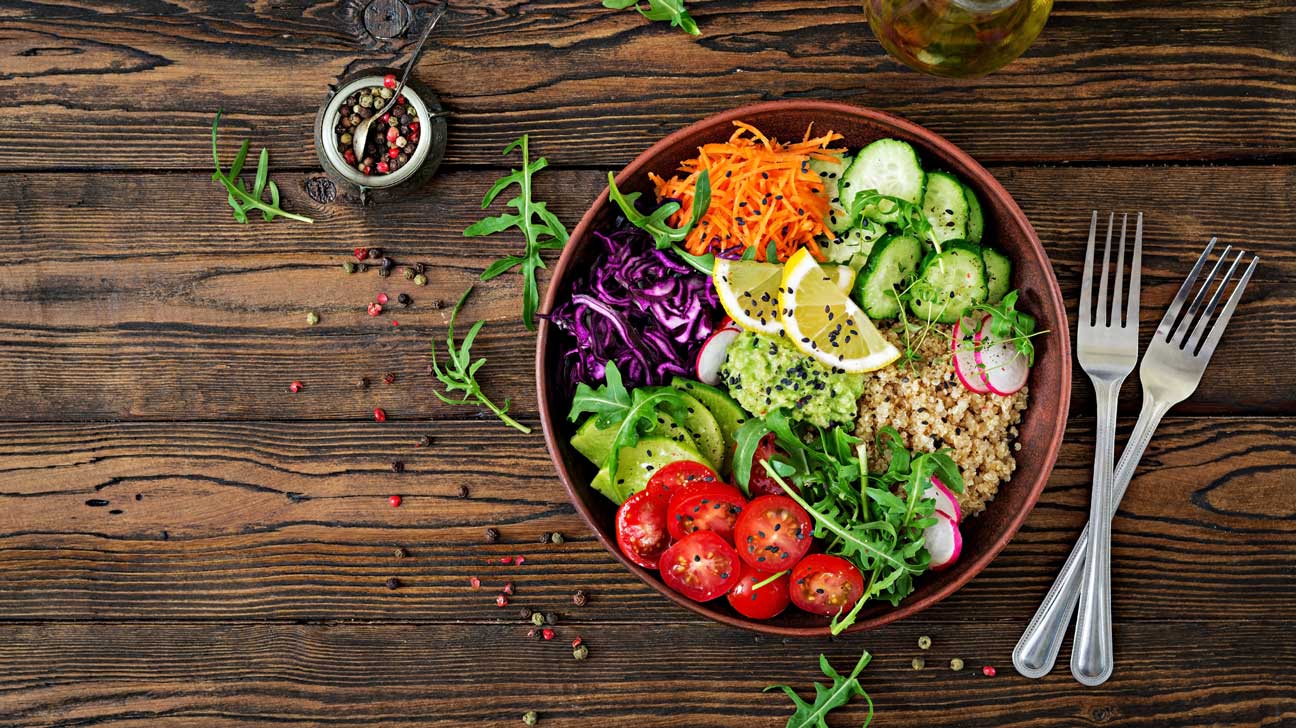
Self-catering vs full-board safari camps: which is better value?
Choosing between self-catering and full-board safari camps can make a noticeable difference to your East African holiday budget. Both options allow you to stay close to wildlife destinations, but they handle meals, daily expenses, and travel arrangements differently. Self-catering gives you more control over food and spending, while full-board accommodation combines your stay with meals, reducing the need to organise everything yourself.
For travellers visiting Uganda, Kenya, Tanzania, or Rwanda, the best option depends on where you plan to stay, how you will travel, the size of your group, and how much time you want to spend preparing meals. A self-catering cottage near a town may offer excellent savings for a family or group of friends. A full-board tented camp deep inside a national park may be more practical because restaurants and grocery shops are often far away.
The cheapest nightly rate is not always the cheapest overall choice. Food, transport, cooking equipment, fuel, shopping time, and the location of your accommodation all affect the final cost. Understanding these differences before booking helps you choose a safari camp that fits your budget without sacrificing the experience you want.
What is a self-catering safari camp?
A self-catering safari camp provides accommodation where guests arrange and prepare their own meals. Depending on the property, this may mean staying in a cottage with a private kitchen, renting a furnished tent with cooking facilities, or using a shared kitchen at a campsite.
Facilities vary considerably. Some properties provide a refrigerator, cooker, pots, pans, plates, cutlery, and basic cooking equipment. Others offer only a simple outdoor cooking area, a barbecue, or a shared kitchen. You should confirm what is available before arrival rather than assume that every self-catering property has the same facilities.
Guests usually buy groceries before reaching the camp or purchase supplies from nearby shops. This allows travellers to decide what they eat, how much they spend, and when they prepare meals. Families can cook familiar dishes for children, while visitors with dietary restrictions may find it easier to manage their food choices.
Self-catering is particularly suitable for travellers using their own vehicle or hiring a vehicle for a self-drive holiday. They can purchase food in a town, transport it to the accommodation, and prepare meals around their planned activities.
However, self-catering does not necessarily mean that every safari expense is lower. A property may charge less for accommodation but sit far from the park entrance. Guests may then spend more on fuel, driving time, and supplies. Some camps also charge separately for firewood, charcoal, kitchen equipment, cleaning, or other services.
Before booking, ask whether the kitchen is private or shared, whether cooking equipment is supplied, and whether there are shops within a reasonable distance. These details can determine whether self-catering is genuinely convenient and economical.
What is a full-board safari camp?
A full-board safari camp normally includes accommodation and three daily meals: breakfast, lunch, and dinner. Meals may be served in the dining area or prepared as packed food for guests spending the day in the national park.
This arrangement is common at safari lodges and tented camps in remote wildlife areas. Guests can eat at the property without searching for restaurants or carrying groceries. The kitchen handles food preparation, and the camp generally plans meals around the activities offered during the stay.
For an early morning game drive, the camp may arrange coffee and a light breakfast before departure. If guests plan to spend the whole day exploring the park, staff may prepare packed breakfast or lunch boxes. Dinner is usually served after guests return from their activities.
Full-board accommodation makes daily planning easier, especially for travellers visiting an unfamiliar destination. It also helps guests estimate food costs in advance because the main meals are included in the accommodation price.
However, full board does not automatically include everything associated with a safari. Drinks beyond the specified selection, alcoholic beverages, park entry fees, guided game drives, private vehicles, transfers, laundry, and optional activities may be charged separately. The exact inclusions depend on the property and booking arrangement.
Some camps offer a game package or an all-inclusive rate that covers additional services. These terms are not interchangeable with full board, so travellers should request a written list of inclusions and exclusions before comparing prices.
Comparing the overall cost
The most useful way to compare self-catering and full-board accommodation is to calculate the total cost of the stay rather than focus only on the advertised room rate.
A self-catering property may have a lower nightly price, but guests must budget for groceries, drinks, cooking supplies, and sometimes transport to shops. If the kitchen is shared, there may also be practical limitations during busy periods. For a group staying several nights, these expenses may still be lower than paying for restaurant meals.
Full-board accommodation generally costs more upfront because meals are included. However, the additional amount may be reasonable when compared with the cost of buying breakfast, lunch, and dinner separately. At a remote camp, there may be no convenient restaurant or supermarket, making the included meals especially valuable.
Consider a hypothetical comparison for two adults staying for three nights. The figures below are illustrative only, not quotations from actual safari camps.
A self-catering property costs $100 per night, giving an accommodation total of $300. If the couple spends $50 per day on groceries and drinks, food adds $150. Their combined accommodation and food cost is $450 before transport, park fees, and activities.
A full-board camp costs $160 per night, giving a three-night total of $480. If the price includes all three daily meals, the couple’s main food expenses are already covered, although drinks and other extras may still cost more.
In this example, the self-catering option saves $30 before considering the value of convenience. If the couple can prepare meals for less than $50 per day, the saving increases. If food supplies are expensive or difficult to obtain, the difference may disappear.
The comparison changes for larger groups. A family of five can often prepare meals at a lower cost per person than a couple, especially when buying groceries in bulk. Full-board rates may also offer child discounts or family packages, so these should be included in the calculation.
The key is to use the actual prices for your travel dates and group size. Estimate food costs realistically, include transport to shops, and compare the final totals for the same number of nights.
When self-catering offers better value
Self-catering often provides better value for travellers who want to manage their own schedule and control daily spending. It is particularly useful when the accommodation has a functional kitchen and shops are accessible.
Families can prepare simple breakfasts before leaving for the park, pack snacks for the day, and cook dinner after returning. This arrangement may reduce spending compared with purchasing every meal individually, especially when children have specific food preferences.
Groups of friends can divide grocery expenses and share cooking responsibilities. One person can prepare breakfast while another makes dinner, allowing everyone to contribute. For a stay of four or more nights, these savings can become more noticeable.
Self-catering is also useful for visitors on longer trips. Travellers spending several weeks in East Africa may prefer to prepare some meals rather than pay restaurant prices every day. The flexibility to cook, store food, and eat at different times can make an extended trip easier to manage.
It can be a good option for self-drive travellers who enjoy planning their own activities. They can stop at supermarkets in towns, buy supplies for several days, and organise meals around their route.
Nevertheless, self-catering works best when the property is accessible and equipped for the purpose. A low-priced camp located far from shops may require extra fuel and time. Travellers should also check food storage arrangements, particularly in areas where wildlife may enter campsites. Food should be secured according to the property’s instructions and never left unattended where animals could reach it.
When full board offers better value
Full board is often the more practical choice for travellers staying inside or near remote national parks. In these locations, restaurants and grocery shops may be unavailable or too far away to visit conveniently.
After a long game drive, many guests would rather relax than shop for ingredients and prepare dinner. Full board allows them to return to the camp, enjoy a meal, and prepare for the next day’s activities.
It is also useful for short safaris where every hour counts. On a two- or three-night trip, the time spent purchasing food and cooking may outweigh the potential savings. Having meals arranged in advance simplifies the itinerary and reduces the number of decisions travellers need to make.
Full board can be particularly attractive for couples, older travellers, and visitors who prefer a more comfortable experience. It removes the need to carry cooking equipment or manage a kitchen during the holiday.
Travellers who book guided safaris should also consider the overall arrangement. If a tour operator organises accommodation, transport, park visits, and activities, full-board accommodation can fit neatly into the itinerary. The operator can coordinate meal times with game drives and arrange packed meals when needed.
However, full board is not automatically the best deal. If you skip meals because you are away from camp or prefer to eat lightly, you may not receive the full value of what you have paid for. Ask whether packed meals can be arranged and whether the camp can accommodate your activity schedule.
How location affects your decision
Location is one of the most important factors when choosing between self-catering and full board.
Near towns and major roads, self-catering can be convenient because supermarkets, markets, fuel stations, and restaurants may be accessible. Travellers can purchase supplies before entering a park or return to town when necessary. This is often practical for self-drive holidays and longer stays.
Inside remote wildlife areas, the situation is different. Camps may be separated from shops by long distances, and some areas can only be reached by specialised vehicles or small aircraft. Carrying enough food may be difficult, and transporting supplies can add complexity to the trip.
In parts of Kenya and Tanzania, for example, self-catering may work well at accessible cottages or campsites outside major reserves. However, many remote tented camps operate on a full-board or more inclusive basis because guests have few alternatives for meals.
In Uganda, travellers may find self-catering useful around accessible destinations where furnished cottages and campsites provide kitchen facilities. For remote sections of a safari itinerary, full board may be easier to manage. In Rwanda, the right choice likewise depends on the property, proximity to towns, and the activities planned.
Do not assume that accommodation outside a park is always cheaper overall. A lower room rate may come with additional daily driving, while a property closer to wildlife viewing areas may reduce travel time. Compare the location, park access, meals, and transport arrangements together.
Food shopping and meal preparation
Self-catering requires some planning, particularly when visiting rural or remote areas. Travellers should identify where they can buy groceries and determine whether they need to purchase supplies before leaving a major town.
Basic ingredients such as bread, eggs, rice, pasta, vegetables, fruit, and bottled water may be available in larger trading centres, but selection and prices vary. Special dietary products and imported foods may be harder to find outside major towns.
It is sensible to plan meals that require few ingredients and minimal preparation. Simple dishes can reduce cooking time and limit the amount of equipment needed. Travellers should also check whether the accommodation has refrigeration, clean water, electricity, and reliable cooking facilities.
Food storage is important in wildlife areas. Follow camp rules about keeping food inside secure buildings or designated storage spaces. Do not leave food scraps around tents or cabins, and dispose of waste using the property’s instructions.
Full-board guests avoid most of these responsibilities. The camp manages food supplies, preparation, and storage, while staff can often accommodate vegetarian meals and other dietary requirements when informed in advance.
Guests with allergies or strict dietary needs should contact the property before booking. Although many camps can make suitable arrangements, remote kitchens may need advance notice to obtain ingredients.
Drinks, snacks, and other hidden expenses
Meal plans often create confusion because accommodation providers do not all include the same extras.
Self-catering guests normally pay separately for all food and drinks, although they can choose inexpensive alternatives and bring supplies from home where permitted. Snacks, bottled water, coffee, tea, and soft drinks can be managed according to personal preferences.
Full-board guests usually receive breakfast, lunch, and dinner, but drinks may be restricted to tea, coffee, or drinking water. Soft drinks and alcohol may be charged separately. Some properties include selected drinks, while others offer a separate all-inclusive package.
If you enjoy wine with dinner, cold drinks during the day, or sundowners after a game drive, ask how these items are priced. Charges can add up over several nights, particularly at remote camps where supplies are more expensive to transport.
Other costs may include packed meals for excursions, laundry, firewood, charcoal, cooking equipment, and service charges. These are not universal, so check the property’s terms rather than assuming that every camp charges them.
Park fees and conservation charges are also separate from the meal plan unless the booking explicitly states otherwise. Guided activities, safari vehicles, transfers, and special experiences may need to be budgeted separately.
A detailed quotation should identify what is included in the accommodation rate, what is payable locally, and which expenses are optional. This makes it easier to avoid unexpected charges after arrival.
Which option is better for families and groups?
For families, the choice depends on the children’s ages, the length of the stay, and the availability of suitable cooking facilities.
Self-catering can save money for families who are comfortable preparing meals. Parents can choose familiar foods, manage portion sizes, and organise snacks for children. A kitchen can also be useful when children need to eat earlier than the normal dinner service.
The main disadvantage is the additional work. After a day of wildlife viewing, parents may have to prepare meals, clean up, and organise food for the following morning. This may be manageable during a relaxed holiday but less appealing on a busy itinerary.
Full board offers greater convenience because meals are prepared by camp staff. Families can spend more time together and avoid shopping or cooking during the trip. Before booking, check whether the camp provides child-friendly meals, high chairs if needed, family accommodation, and flexible dining arrangements.
For groups of friends, self-catering can be economical because grocery expenses are shared. However, it works best when everyone agrees on the meal budget, shopping responsibilities, and cooking arrangements.
Full board is often simpler for groups with different preferences or schedules. Everyone can eat at the camp without needing to coordinate shopping and preparation. Group discounts and special meal arrangements may also make full board more competitive than expected.
Self-catering vs full board for guided safaris
The choice becomes more complicated when accommodation is part of a guided safari package.
A guided safari usually involves a driver-guide, a planned route, and scheduled activities. Depending on the operator, the package may include accommodation, meals, park fees, and transport. Some itineraries allow guests to choose different meal plans, while others use properties that operate exclusively on full board.
Self-catering can work if the itinerary allows enough time to buy supplies and prepare meals. However, travellers should clarify who is responsible for arranging food during long driving days and whether cooking facilities are available at every overnight stop.
A self-catering rate may appear attractive but become inconvenient if the group arrives late after a full day of driving. It can also be difficult to shop for food when the route passes through remote areas.
Full board is generally easier for a tightly scheduled safari. The camp prepares meals, and the guide can coordinate departure times with the kitchen. Packed lunches can be arranged for longer game drives where returning to the property would waste valuable viewing time.
When requesting a safari quotation, ask the operator to price both options if they are available. Compare the accommodation rate, food costs, transport arrangements, and any additional time needed for shopping or cooking. A slightly higher full-board rate may offer better overall value if it simplifies the itinerary.
How to compare camp quotations fairly
Before booking, ask each property for the same information. This makes it easier to compare accommodation options without overlooking important expenses.
Confirm whether the price is per person or per room, whether it changes by season, and whether taxes or service charges are included. For self-catering accommodation, ask which kitchen facilities are supplied and whether you need to bring cooking equipment or buy fuel.
For full board, confirm that breakfast, lunch, and dinner are included on every night of the stay. Ask whether meals are available during early departures, whether packed lunches cost extra, and which drinks are included.
Check whether the accommodation rate includes park entry, conservation fees, game drives, transfers, or guided activities. These services should be compared separately from the meal plan because two properties may advertise similar rates while offering different inclusions.
Also consider the location of each camp. Calculate the likely cost of travelling to park gates, shops, and activity starting points. For self-drive guests, fuel and extra driving time can change the overall value. For guided travellers, ask whether the operator charges additional transfer or vehicle fees.
Finally, read the cancellation and payment terms. A cheaper non-refundable rate may be less suitable if your travel dates are uncertain. Clear terms and a complete quotation are part of good value, not merely administrative details.
Choosing the best option for your safari
Self-catering is usually worth considering when you are travelling independently, staying for several nights, sharing expenses with a family or group, and have reliable access to groceries and suitable kitchen facilities. It provides flexibility and can reduce food costs when meals are planned carefully.
Full board is often the better choice when you are staying in a remote camp, following a guided itinerary, travelling for only a few nights, or prioritising convenience. Having meals prepared can make the safari more relaxing and reduce the time spent organising daily necessities.
For some trips, a combination works best. You might choose self-catering accommodation near a town at the beginning or end of your holiday, then use full-board camps during the days spent exploring remote national parks. This approach balances savings with convenience where it matters most.
The most important rule is to compare the complete cost rather than the room rate alone. Include meals, drinks, transport, shopping, cooking facilities, park fees, and activities in your calculation. Once these expenses are clear, you can choose the accommodation plan that suits your budget, itinerary, and preferred style of travel.


No comment