
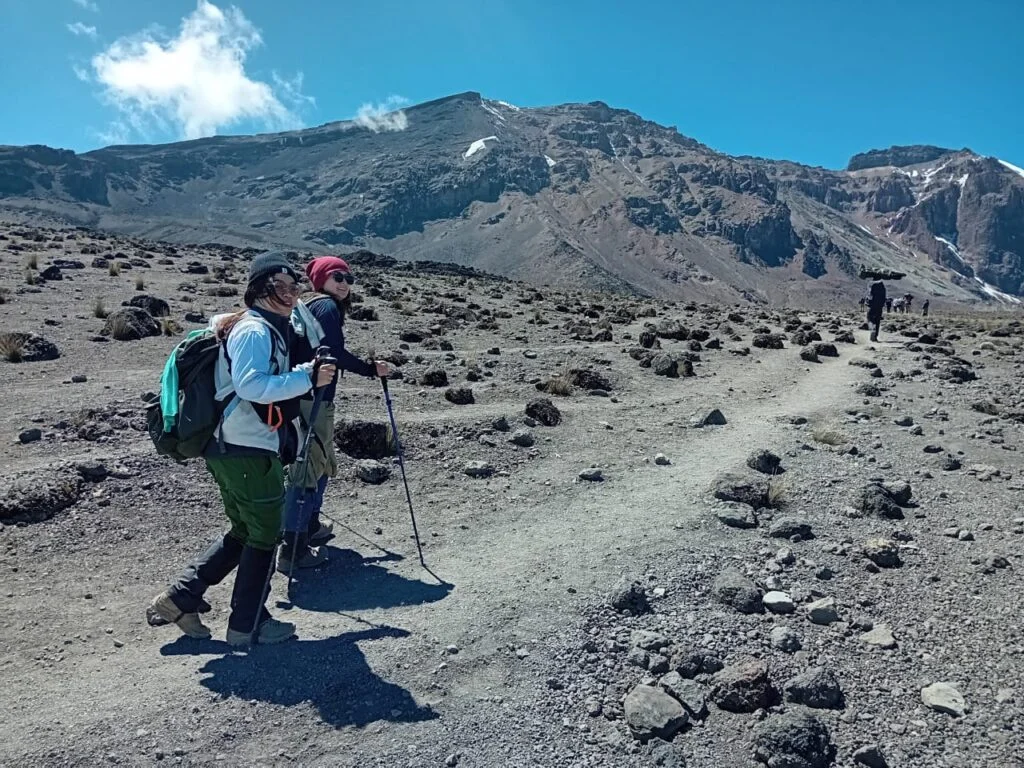
Mount kenya vs rwenzori vs kilimanjaro: mountain hiking compared
mount kenya, the rwenzori mountains and mount kilimanjaro are three of africa’s most remarkable mountain destinations. each offers a different hiking experience, from rugged volcanic peaks and alpine valleys to mist-covered forests, giant lobelias and glaciers. although all three mountains attract hikers seeking adventure, they differ in terrain, elevation, weather, trekking duration, difficulty and overall cost.
mount kenya is africa’s second-highest mountain and is famous for its dramatic rock formations, alpine lakes and challenging summit trails. the rwenzori mountains, located along the border between uganda and the democratic republic of congo, offer a remote wilderness experience with muddy trails, unusual vegetation and demanding high-altitude routes. mount kilimanjaro in tanzania is africa’s highest mountain, attracting climbers who want to reach uhuru peak at 5,895 metres above sea level.
choosing between these destinations depends on your fitness, hiking experience, available time, budget and travel interests. some travellers want to reach africa’s highest point, while others prefer a quieter wilderness adventure or a mountain with technical climbing options.
understanding the differences between mount kenya, the rwenzori mountains and kilimanjaro will help you select the right destination and prepare for the conditions you are likely to encounter.
Understanding the three african mountains
Mount kenya: rugged peaks and alpine scenery
mount kenya lies in central kenya, approximately 150 kilometres north of nairobi. it is an extinct volcano with three principal high summits. batian rises to 5,199 metres, nelion reaches 5,188 metres, and point lenana stands at approximately 4,985 metres.
point lenana is the main trekking summit for hikers without advanced technical climbing skills. reaching batian or nelion requires specialised mountaineering experience because these peaks involve technical climbing.
the mountain has several ecological zones. lower slopes contain montane forests and bamboo vegetation, while higher elevations transition into heathland, moorland and alpine desert. near the upper mountain, trekkers encounter rocky ridges, glacial valleys and cold, exposed terrain.
mount kenya is particularly appealing to hikers who enjoy rugged landscapes and challenging trails. routes such as sirimon and chogoria offer different scenery, allowing visitors to experience forests, alpine lakes, cliffs and broad mountain valleys during the same expedition.
the mountain also suits travellers who want to combine hiking with other destinations in kenya. its location makes it possible to organise a trekking holiday from nairobi and combine the experience with wildlife destinations elsewhere in the country.
Rwenzori mountains: remote wilderness and unusual vegetation
the rwenzori mountains stretch along the border between western uganda and the democratic republic of congo. the range is sometimes called the mountains of the moon because of its mist-covered peaks, unusual vegetation and remote high-altitude environment.
mount stanley contains the highest point in the range, margherita peak, which rises to approximately 5,109 metres. reaching this summit is considerably more demanding than completing an ordinary mountain trek because the route includes technical alpine sections and may require glacier equipment, ropes and other specialised gear.
the rwenzori mountains are famous for giant groundsels, giant lobelias, moss-covered forests, waterfalls and extensive wetlands. these features give the range a distinctive appearance that differs from the volcanic slopes of kilimanjaro and the rocky alpine environment of mount kenya.
rain is common, and hikers should expect muddy trails, slippery rocks and steep ascents. raised wooden walkways help in some wet areas, but many sections remain physically demanding. the terrain can make daily walking distances difficult to predict.
the central circuit and kilembe trail are established options for exploring the range. trekkers can experience the mountain’s scenery without necessarily attempting margherita peak, making the rwenzori mountains suitable for people who want a demanding wilderness adventure without a technical summit objective.
Mount kilimanjaro: africa’s highest summit
mount kilimanjaro stands in northern tanzania, near the kenyan border. its highest point, uhuru peak, reaches 5,895 metres, making it the tallest mountain in africa.
kilimanjaro is a dormant volcanic massif with three principal volcanic cones: kibo, mawenzi and shira. uhuru peak lies on kibo, while mawenzi is known for its steep, jagged formations and technical climbing requirements.
kilimanjaro attracts hikers because established trekking routes lead to the highest summit without requiring advanced technical rock-climbing skills. however, the mountain’s elevation creates a serious acclimatisation challenge. even strong and experienced hikers can develop altitude sickness if they ascend too quickly.
the ascent passes through several ecological zones, beginning in cultivated areas and montane rainforest before reaching heathland, moorland, alpine desert and the cold summit zone. each section offers different scenery and walking conditions.
for many travellers, the main attraction is reaching africa’s highest point. others choose kilimanjaro because it combines a major physical challenge with a well-established trekking system and opportunities to experience several landscapes during one expedition.
Comparing hiking difficulty
Mount kenya hiking difficulty
mount kenya offers a range of experiences, from challenging trekking to technical mountaineering. the difficulty depends on the route, the weather and the summit you intend to reach.
point lenana is the usual objective for trekkers without technical climbing experience. the approach involves long walking days, steep ascents, rocky ground and cold temperatures. the final summit section is often completed before sunrise, when conditions can be particularly cold.
the sirimon route is popular because its approach is relatively gradual. the chogoria route is known for dramatic scenery, including cliffs, lakes and deep valleys. combining the two routes allows trekkers to experience different sides of the mountain.
reaching batian or nelion is a separate undertaking. these summits require technical climbing skills, suitable equipment and experience on exposed rock. beginners should not attempt them without the necessary training and professional support.
overall, mount kenya suits hikers who want rugged alpine scenery, challenging terrain and the opportunity to progress towards technical mountaineering as their experience develops.
Rwenzori hiking difficulty
the rwenzori mountains are particularly demanding because of their wet conditions, difficult trails and remote environment. although the range is lower than kilimanjaro, the combination of mud, steep slopes, dense vegetation and cold weather can make trekking exhausting.
hikers may spend hours navigating uneven ground, crossing wet sections and climbing through thick vegetation. even relatively short distances can take considerable time, especially after heavy rain.
the central circuit offers a demanding multi-day trek without requiring every visitor to reach margherita peak. those attempting the highest summit face additional challenges involving exposed terrain, technical climbing and glacier travel where conditions require it.
weather can affect visibility, route conditions and the safety of exposed sections. trekkers should allow flexibility in their itinerary and follow the advice of experienced guides.
the rwenzori mountains are best suited to travellers who enjoy remote wilderness, are comfortable with wet conditions and want a demanding expedition rather than a straightforward summit ascent.
Mount kilimanjaro hiking difficulty
kilimanjaro is physically demanding even though its standard trekking routes do not require technical rock climbing. the main challenges are altitude, prolonged walking, cold weather and the final ascent to uhuru peak.
many climbers begin their summit attempt around midnight or in the early hours of the morning. the climb can take several hours in darkness, with freezing temperatures and reduced oxygen availability affecting energy levels.
the descent can also be exhausting because climbers have already spent hours ascending at high altitude. suitable footwear, warm clothing, steady pacing and adequate hydration are important throughout the expedition.
route selection makes a significant difference. shorter itineraries leave less time for acclimatisation, while longer routes allow the body more time to adjust. choosing a longer itinerary is generally advisable if your schedule and budget permit it.
kilimanjaro is often the most accessible of these three mountains for people who want to reach a major african summit without technical climbing. however, it should never be treated as an easy hike, and reaching uhuru peak is not guaranteed.
Comparing trekking routes and duration
Mount kenya trekking routes
mount kenya has several established approaches, including sirimon, chogoria and routes accessed from the nanyuki side. the best choice depends on your fitness, available time, preferred scenery and summit objective.
a typical trek to point lenana takes approximately four to six days. this allows time to approach the mountain, sleep at altitude and make the summit attempt without rushing the entire expedition.
the sirimon route approaches from the western side and passes through forest, moorland and high-altitude valleys. it is often chosen by trekkers seeking a relatively gradual ascent.
the chogoria route approaches from the eastern side and is especially attractive for its lakes, cliffs and mountain views. some itineraries combine an ascent via sirimon with a descent through chogoria to experience different parts of the mountain.
shorter treks are possible, but hikers should not sacrifice acclimatisation simply to reduce the number of days. technical climbs of batian or nelion require a separate itinerary and specialist arrangements.
Rwenzori trekking routes
the rwenzori mountains require careful planning because the terrain can slow progress. a central circuit trek commonly takes around six to eight days, depending on the itinerary, starting point and walking pace.
the kilembe trail provides another established approach to the higher mountain. expeditions targeting margherita peak generally require more time, with many itineraries taking approximately seven to nine days or longer depending on conditions and acclimatisation needs.
trekkers should expect changes in walking times caused by rain, mud, steep ground and poor visibility. daily distances alone do not accurately represent the difficulty of the route.
if you want to experience the rwenzori mountains without undertaking the most technical sections, a central circuit trek can provide an excellent introduction to the range. if your goal is margherita peak, choose an operator with suitable technical expertise and a realistic itinerary.
Mount kilimanjaro trekking routes
kilimanjaro has several established trekking routes, including machame, marangu, lemosho, rongai and the northern circuit.
machame is popular with trekkers who want varied scenery and opportunities for acclimatisation. marangu uses mountain huts, while most other established routes involve camping. lemosho offers a longer western approach, rongai approaches from the northern side, and the northern circuit provides an extended route around the mountain.
most kilimanjaro expeditions take approximately five to nine days on the mountain, depending on the route. longer itineraries generally provide more time for acclimatisation than rushed climbs.
for first-time climbers, a seven- or eight-day itinerary is often a sensible choice. an additional day can improve acclimatisation opportunities, although no itinerary removes the risk of altitude sickness.
Comparing scenery and natural landscapes
What mount kenya offers
mount kenya combines rugged volcanic scenery with alpine lakes, glacial valleys, rocky peaks and open moorland. its landscape changes significantly as hikers climb towards point lenana.
the mountain is particularly appealing to photographers who enjoy dramatic rock formations and wide views across central kenya. on clear mornings, the summit area offers impressive views of surrounding valleys and distant plains.
lower down, forest sections provide opportunities to see birds, monkeys and other wildlife. vegetation becomes shorter and more specialised at higher elevations, where giant groundsels and lobelias add character to the landscape.
mount kenya is a strong choice for hikers who prefer a rocky alpine environment and enjoy routes that combine steep terrain with impressive mountain views.
What the rwenzori mountains offer
the rwenzori mountains provide some of africa’s most unusual high-altitude scenery. their valleys contain dense forests, moss-covered trees, waterfalls, giant heathers and wetland vegetation.
as trekkers gain elevation, the landscape changes into open moorland dominated by giant groundsels and lobelias. these plants create an environment that looks very different from the landscapes found on other african mountains.
higher valleys contain rocky ridges, glacial features and steep peaks that frequently disappear behind clouds. mist and rain are common, so views can change quickly throughout the day.
the rwenzori mountains are particularly suitable for hikers who value botanical diversity, remote trails and unusual landscapes. the experience involves moving through several distinctive ecological zones rather than concentrating entirely on a single summit viewpoint.
What mount kilimanjaro offers
kilimanjaro provides one of africa’s most recognisable mountain landscapes. trekkers move through rainforest, heathland, moorland and alpine desert before reaching the summit zone.
the rainforest section is often lush and humid, with tall trees, ferns and abundant birdlife. higher up, vegetation becomes sparse, exposing volcanic rocks and broad open slopes.
the summit offers views across the crater area and surrounding plains when weather conditions permit. watching sunrise near uhuru peak is a major attraction, although cloud cover can limit visibility.
kilimanjaro’s main scenic advantage is the dramatic change in landscape during the ascent to africa’s highest point. the experience combines ecological diversity with the satisfaction of reaching a clearly defined summit.
Comparing altitude and acclimatisation
altitude is a major consideration on all three mountains. as elevation increases, the amount of oxygen available with each breath decreases. even physically fit hikers can develop altitude sickness if they ascend too quickly.
kilimanjaro reaches 5,895 metres, margherita peak in the rwenzori mountains reaches approximately 5,109 metres, and point lenana on mount kenya reaches approximately 4,985 metres. mount kenya’s technical summits are higher than point lenana, but reaching them involves a different level of mountaineering skill.
although kilimanjaro is the highest, the practical difficulty of acclimatisation depends on the route, sleeping elevations and pace of ascent.
kilimanjaro’s longer routes generally provide more time for adjustment. climbers should be cautious about choosing the shortest available itinerary simply to reduce costs.
mount kenya treks also require gradual ascent, especially when approaching point lenana. spending a night at an intermediate camp can help the body adjust before the summit attempt.
the rwenzori mountains require similar care, particularly on expeditions towards margherita peak. difficult terrain can slow movement and complicate plans, making a realistic itinerary important.
common symptoms of altitude sickness include headache, nausea, dizziness, unusual fatigue and loss of appetite. severe breathlessness at rest, confusion, difficulty walking straight or a worsening cough require urgent attention. inform your guide immediately if symptoms develop, and follow emergency descent procedures when necessary.
no level of physical fitness guarantees protection from altitude sickness. a responsible itinerary should include acclimatisation time and a clear plan for responding to symptoms.
Comparing weather and the best time to hike
Mount kenya weather
mount kenya experiences changing weather throughout the year, with conditions influenced by elevation and seasonal rainfall. january to february and july to september are often preferred for trekking because they can offer relatively favourable conditions.
the long rains generally occur around march to may, while shorter rains often affect october and november. exact conditions vary, and rain or cloud can occur even during traditionally drier months.
higher elevations remain cold throughout the year. trekkers should carry waterproof clothing, warm layers, gloves, a hat and suitable footwear regardless of the month.
Rwenzori weather
the rwenzori mountains receive substantial rainfall, and wet conditions can occur during any season. june to august and december to february are often preferred because these periods tend to offer comparatively favourable trekking conditions.
however, the mountains can remain wet even during these windows. muddy ground, slippery rocks and cloud cover are common features of the environment.
trekkers should use waterproof outer layers, quick-drying clothing and protective bags for sleeping equipment and electronics. gaiters can also help keep mud and water out of boots.
weather flexibility is particularly important for summit expeditions because ice, snow or poor visibility may affect safety on exposed sections.
Mount kilimanjaro weather
kilimanjaro’s main trekking seasons generally fall between january and early march and between june and october. these periods often provide favourable conditions, although temperatures and precipitation vary by elevation.
the mountain can be climbed outside these windows, but wetter conditions may make trails more difficult and reduce visibility. summit temperatures can remain extremely low even during warmer months.
the summit zone may experience freezing temperatures and strong winds. a warm sleeping system, insulated jacket, gloves, hat and reliable waterproof clothing are essential.
Comparing the cost of hiking each mountain
the total cost of hiking mount kenya, the rwenzori mountains or kilimanjaro depends on permits, guiding arrangements, accommodation, equipment, transport and the length of the trek.
mount kenya is often the most affordable option for a comparable guided trekking experience, particularly for travellers already in kenya. costs vary according to park fees, route, camping or hut arrangements and the number of days spent on the mountain.
the rwenzori mountains can be relatively expensive because expeditions require guides, porters, specialised logistics and several days of support. longer routes and summit attempts increase the total cost. travellers should confirm what their package includes, especially meals, accommodation, equipment and technical summit support.
kilimanjaro is often the most expensive of the three for an organised summit climb. park charges, camping or hut logistics, crew wages, food, transfers and the length of the itinerary all contribute to the price. longer routes usually cost more because they require additional days on the mountain.
as a broad planning guide, guided mount kenya treks may cost several hundred to over one thousand us dollars per person. rwenzori expeditions can range from around one thousand to several thousand dollars, depending on duration and summit arrangements. kilimanjaro climbs commonly cost around two thousand to four thousand dollars or more per person through established operators, depending on the route, duration and service level.
these are indicative estimates rather than current quotations. international flights, personal equipment, tips, travel insurance and accommodation before or after the trek may add considerably to your budget.
when comparing packages, check the number of trekking days, park and conservation fees, guide and porter arrangements, meals, accommodation, emergency support and transport. a cheaper package may exclude important services or offer an itinerary that allows too little time for acclimatisation.
Comparing accommodation and camping
mount kenya offers mountain huts, campsites and accommodation near the main access points. some routes use established huts, while others rely on camping. conditions vary by route, so trekkers should confirm the sleeping arrangements before departure.
the rwenzori mountains have mountain huts along established trails, particularly on the central circuit and kilembe approaches. these provide shelter during multi-day expeditions, although conditions are generally basic. trekkers should prepare for cold nights, damp clothing and limited facilities.
kilimanjaro accommodation depends on the chosen route. the marangu route uses mountain huts, while most other established routes involve camping. tents, sleeping mats and meals are generally arranged by the trekking operator as part of a guided package.
in all three destinations, nights at altitude can be very cold. a sleeping bag suitable for below-freezing conditions may be necessary, depending on the route and the equipment supplied by your operator.
Comparing wildlife and plant life
mount kenya has montane forests that support elephants, buffaloes, monkeys and numerous bird species. sightings depend on the area, time of day and prevailing conditions. the higher slopes contain specialised alpine vegetation, including giant groundsels and lobelias.
the rwenzori mountains are particularly well known for their plant diversity. giant lobelias, groundsels, heathers, mosses and unusual wetland plants give the range a distinctive appearance. forest sections also support primates and a variety of bird species, although dense vegetation can make wildlife difficult to observe.
kilimanjaro’s lower slopes contain forest habitats with monkeys, birds and other wildlife. as hikers climb higher, the forest gives way to heathland, moorland and alpine desert, where animal sightings become less frequent.
if your main interest is botanical scenery, the rwenzori mountains are an excellent choice. if you want a combination of high-altitude landscapes and opportunities to see forest wildlife, mount kenya and kilimanjaro also offer rewarding experiences.
Fitness and preparation
you do not need to be an elite athlete to attempt every trekking route on these mountains, but you should prepare for consecutive days of walking, steep ascents, cold nights and limited recovery time.
for mount kenya, train with long walks, hill climbs and stair sessions. carrying a daypack during training helps prepare your legs and shoulders for the demands of the trail.
for the rwenzori mountains, practise walking on uneven and muddy ground where possible. strength and cardiovascular fitness matter, but balance, endurance and comfort in wet conditions are equally useful. waterproof boots with reliable grip can make a substantial difference.
for kilimanjaro, focus on sustained walking, uphill endurance and carrying a daypack for several hours. regular hikes on consecutive days can help you understand how your body responds to repeated exertion.
all three mountains require appropriate clothing and equipment. break in your hiking boots before departure, use trekking poles if you find them helpful, and carry enough water and suitable snacks. a headlamp is essential for early summit starts, particularly on kilimanjaro and mount kenya.
consult a qualified healthcare professional before attempting a high-altitude expedition if you have concerns about your ability to tolerate altitude or an existing medical condition. your guide should explain the daily walking plan, altitude precautions and emergency procedures before the trek begins.
Which mountain is best for beginners?
kilimanjaro is often the strongest option for beginners who want to reach a major african summit without technical climbing. its established routes, organised support teams and range of itinerary lengths make it accessible to many fit travellers.
however, beginners should select a route that allows sufficient acclimatisation. a longer itinerary is generally preferable to a rushed ascent, even if it costs more.
mount kenya is suitable for beginners who are physically prepared and want a shorter trekking expedition to point lenana. its rocky summit sections and high elevation still demand caution, and first-time high-altitude hikers should consider a guided itinerary with adequate acclimatisation.
the rwenzori mountains may suit beginners who already have some hiking experience and are comfortable with wet, muddy terrain. the central circuit can provide an excellent introduction to the range without requiring a summit attempt. margherita peak is a more demanding objective and should not be treated as an ordinary hiking destination.
Which mountain is best for experienced hikers?
experienced hikers may prefer the rwenzori mountains because of their challenging terrain, remote environment and unusual vegetation. long days on wet trails and the complexity of higher-altitude routes create a demanding expedition.
mount kenya appeals to experienced mountaineers who want to progress beyond point lenana towards technical summits such as batian and nelion. these peaks require appropriate climbing experience and professional support.
kilimanjaro remains attractive to experienced hikers who want to reach africa’s highest point. although the standard routes are non-technical, the height and summit conditions demand sound acclimatisation and disciplined pacing.
your choice should depend on the type of challenge you want. a technical climb on mount kenya differs from a long, wet expedition in the rwenzori mountains or a high-altitude trekking ascent on kilimanjaro.
Choosing the right mountain for your travel plans
if you have four to six days available and want a demanding trek with striking alpine scenery, mount kenya may fit your schedule. it is especially convenient if your trip begins in nairobi or includes other destinations in kenya.
if you can spend about a week or longer trekking and want a remote mountain environment with unusual plants, waterfalls and mist-covered valleys, consider the rwenzori mountains in uganda. allow additional time if you plan to attempt margherita peak.
if reaching the highest point in africa is your main goal, choose mount kilimanjaro. plan for a route that provides sufficient time for acclimatisation, and consider the travel time required to reach northern tanzania and return after the climb.
travellers based in uganda may find the rwenzori mountains easier to combine with a wider uganda trip. visitors already travelling through kenya may find mount kenya more convenient, while kilimanjaro works well with northern tanzania destinations such as arusha and the country’s wildlife parks.
you should also consider the type of holiday you want before and after the climb. mount kenya can fit into a kenya itinerary, the rwenzori mountains can be combined with destinations in western uganda, and kilimanjaro can be paired with a visit to northern tanzania or a beach holiday in zanzibar.
What to check before booking
before paying for a trek, confirm the route, number of days, maximum sleeping altitude and expected daily walking hours. ask whether park fees, guides, porters, meals, accommodation, transfers and emergency arrangements are included in the quoted price.
check whether your travel insurance covers high-altitude trekking at the intended elevation. some policies exclude mountaineering or impose altitude limits, so obtain written confirmation before departure.
for mount kenya, establish whether the itinerary targets point lenana or a technical summit. for the rwenzori mountains, confirm whether your trip follows the central circuit, the kilembe trail or a summit route towards margherita peak. for kilimanjaro, compare route length and acclimatisation time rather than choosing solely on price.
ask about guide-to-client ratios, porter welfare, equipment quality and procedures for responding to altitude sickness. a responsible operator should explain the risks clearly and avoid promising that every participant will reach the summit.
mount kenya, the rwenzori mountains and kilimanjaro each provide a distinct african mountain experience. mount kenya offers rugged alpine scenery and trekking towards point lenana. the rwenzori mountains reward hikers with unusual vegetation, wet wilderness and challenging trails. kilimanjaro provides the opportunity to climb africa’s highest mountain using established non-technical routes. your best choice depends on the summit you want to reach, the terrain you enjoy, the time you have and the level of challenge you are prepared to undertake.

No comment