
Mkomazi National Park: Black Rhinos and Painted Dogs Near Kilimanjaro
Mkomazi National Park in Tanzania is one of East Africa’s most remarkable wildlife conservation destinations, offering visitors opportunities to discover endangered black rhinoceroses, African wild dogs, rare antelopes and beautiful landscapes near Mount Kilimanjaro.
Located in northeastern Tanzania, Mkomazi is known for its successful wildlife rehabilitation programmes and peaceful safari experiences. Unlike the busy Serengeti and Ngorongoro safari circuits, the park receives relatively few visitors, making it attractive to travellers seeking uncrowded game drives.
Mkomazi is particularly important because of its protected black rhino sanctuary and African wild dog conservation programme. These projects have helped restore species that previously disappeared from parts of the region.
For wildlife enthusiasts, photographers and conservation-minded travellers, Mkomazi offers an exciting alternative to Tanzania’s more famous national parks.
Where Is Mkomazi National Park Located?
Mkomazi National Park lies in northeastern Tanzania, across parts of Kilimanjaro and Tanga regions.
The park covers approximately 3,245 square kilometres and borders Kenya’s Tsavo West National Park.
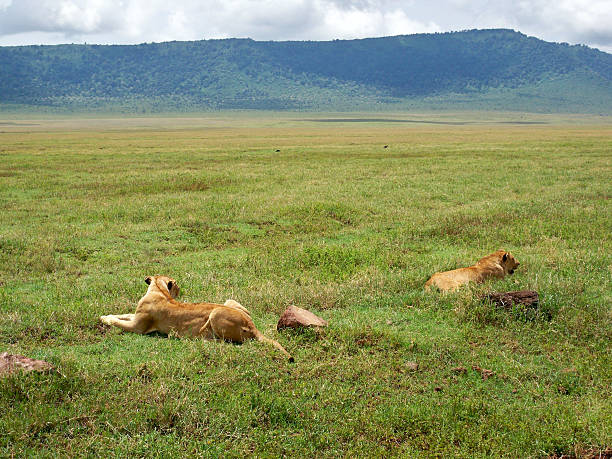
Its landscape includes dry grasslands, acacia woodland, rocky hills and broad plains.
Quick Facts About Mkomazi
| Feature | Description |
|---|---|
| Country | Tanzania |
| Regions | Kilimanjaro and Tanga |
| Park size | Approximately 3,245 km² |
| National park status | 2008 |
| Main gateway | Same town |
| Main entrance | Zange Gate |
| Famous wildlife | Black rhinos and African wild dogs |
| Other attractions | Gerenuk, oryx and lesser kudu |
| Main activities | Game drives and birdwatching |
| Recommended stay | Two to three days |
Why Is Mkomazi National Park Special?
Mkomazi protects an important section of Tanzania’s semi-arid ecosystem.
The park connects with Kenya’s wider Tsavo landscape, creating opportunities for wildlife movement across an international conservation area.
Its relatively dry environment supports species that are uncommon in Tanzania’s wetter national parks.
However, Mkomazi’s greatest achievement is its role in protecting endangered wildlife through carefully managed conservation programmes.
The History of Mkomazi National Park
Mkomazi was established as a game reserve in 1951.
Over the following decades, wildlife populations declined because of poaching, habitat pressure and other conservation challenges.
During the late twentieth century, renewed protection efforts helped restore the reserve.
In 2008, Mkomazi received national park status.
Restoring the Wilderness
Conservation initiatives strengthened anti-poaching activities and habitat management.
Specialised programmes were introduced to re-establish black rhinos and African wild dogs.
These efforts transformed Mkomazi into an important wildlife conservation centre.
Black Rhinos in Mkomazi
The eastern black rhinoceros is among Mkomazi’s most important animals.
Black rhinos are critically endangered because of historical poaching and habitat loss.
Their horns have made them targets for illegal wildlife trafficking.
Why Black Rhinos Need Protection
Black rhinos reproduce slowly compared with many smaller mammals.
They also require suitable vegetation, security and space.
Protecting surviving populations involves constant monitoring and intensive conservation management.
Mkomazi’s sanctuary provides a controlled environment where rhinos can be protected and populations supported.
The Mkomazi Rhino Sanctuary
The park contains a fenced sanctuary established for black rhino conservation.
The programme is associated with the work of conservationists Tony and Lucy Fitzjohn and the George Adamson Wildlife Preservation Trust.
Today, Tanzania National Parks Authority manages the sanctuary.
Can Visitors See the Rhinos?
Specially arranged rhino-viewing experiences are available, subject to current operating arrangements.
However, sanctuary access is separate from an ordinary park game drive.
Visitors must arrange rhino viewing in advance.
The sanctuary’s conservation requirements determine where visitors can travel and how closely animals may be observed.
How to Identify a Black Rhino
Black rhinos have two horns and a distinctive hooked upper lip.
Their lips help them grasp leaves and branches while browsing.
Unlike white rhinos, which primarily graze, black rhinos feed mainly on woody vegetation.
Black Rhino Characteristics
| Feature | Description |
|---|---|
| Scientific name | Diceros bicornis |
| Diet | Leaves, twigs and shrubs |
| Upper lip | Hooked and pointed |
| Conservation status | Critically Endangered |
| Main threat | Poaching and habitat loss |
Black rhinos are powerful wild animals and must never be approached independently.
African Wild Dogs: The Painted Hunters
African wild dogs, also called painted dogs, are another remarkable attraction associated with Mkomazi.
These endangered carnivores are recognised by their irregular black, brown, yellow and white coat patterns.
Every animal has a distinctive arrangement of markings.
Why Are They Called Painted Dogs?
Their coats resemble colourful patches painted across their bodies.
They also have large rounded ears, long legs and relatively slender builds.
African wild dogs live in cooperative packs and communicate through vocalisations and body movements.
How African Wild Dogs Hunt
Painted dogs are highly social predators.
They often hunt together, using teamwork to pursue suitable prey.
Their diet includes medium-sized antelopes and other animals.
Understanding Pack Behaviour
Pack members cooperate when hunting.
Adults may help care for pups.
Healthy individuals sometimes assist injured or weaker pack members.
These social relationships make African wild dogs particularly interesting to wildlife researchers.
Painted Dog Conservation in Mkomazi
African wild dogs disappeared from much of their historical range because of habitat loss, disease and conflict with people.
Mkomazi’s conservation programme began reintroducing these animals during the 1990s.
Can Tourists Visit the Programme?
Specialised wild dog viewing may be possible with advance permission.
However, sightings are not guaranteed, and access to conservation facilities may be restricted.
Visitors should confirm current arrangements with park authorities.
Responsible tourism must not interfere with animal rehabilitation or breeding.
Other Wildlife Found in Mkomazi
Mkomazi supports numerous species adapted to dry environments.
Its open plains and woodland provide opportunities to observe both familiar safari animals and unusual antelopes.
Animals Visitors May Encounter
| Animal | Main habitat |
|---|---|
| African elephant | Woodland and plains |
| African buffalo | Grassland |
| Maasai giraffe | Acacia woodland |
| Plains zebra | Open grassland |
| Fringe-eared oryx | Dry plains |
| Gerenuk | Thorny scrubland |
| Lesser kudu | Dense bushland |
| Lion | Savannah habitats |
| Cheetah | Open country |
| Leopard | Woodland and rocky areas |
Wildlife sightings vary according to season and habitat.
Gerenuk: The Long-Necked Antelope
The gerenuk is among Mkomazi’s most unusual animals.
It has a slender body, exceptionally long neck and relatively small head.
Gerenuks can stand upright on their hind legs to reach leaves growing high above the ground.
This adaptation helps them feed in dry environments where suitable vegetation may be scattered.
Fringe-Eared Oryx and Lesser Kudu
Mkomazi is particularly rewarding for travellers interested in rare antelopes.
Fringe-eared oryx have long, straight horns and distinctive facial markings.
Lesser kudu have beautiful striped coats, while males possess spiral-shaped horns.
Both species are adapted to dry woodland and bushland environments.
Game Drives in Mkomazi
Game drives are the park’s main tourism activity.
Visitors explore dry plains, acacia woodland and rocky landscapes in suitable safari vehicles.
Best Time for Wildlife Viewing
Early morning provides comfortable temperatures and attractive photography light.
Late afternoon can also be rewarding.
Wildlife may become more concentrated near available water during dry conditions.
Mkomazi’s relatively low visitor numbers create opportunities for peaceful wildlife observation.
Birdwatching in Mkomazi
Mkomazi supports more than 450 recorded bird species.
Its habitats attract birds associated with dry savannah, woodland and rocky environments.
Birds to Look For
| Bird | Main attraction |
|---|---|
| Somali ostrich | Large flightless bird |
| Vulturine guineafowl | Distinctive colourful plumage |
| Southern Ground Hornbill | Large ground-dwelling bird |
| Secretary Bird | Hunts across grasslands |
| Martial Eagle | Powerful bird of prey |
| Hornbills | Woodland birds |
Birdwatchers should carry binoculars and explore with knowledgeable guides.
Views Towards Mount Kilimanjaro
Mkomazi lies within the wider landscape associated with Mount Kilimanjaro and the Pare Mountains.
On clear days, visitors may enjoy distant mountain views.
The combination of dry plains, acacia trees and mountain scenery creates beautiful photographic opportunities.
Visibility depends on weather and cloud cover.
Best Time to Visit Mkomazi
Mkomazi can be visited throughout the year.
However, relatively dry conditions generally make wildlife viewing and road travel easier.
Seasonal Safari Guide
| Period | General conditions |
|---|---|
| January–March | Warm and often relatively dry |
| April–May | Increased rainfall |
| June–October | Generally favourable game drives |
| November–December | Variable rainfall |
The dry season is often convenient for observing animals around available water.
How to Reach Mkomazi National Park
Mkomazi is accessible from Arusha, Moshi and Same.
Same town lies along the main highway connecting northern Tanzania with the coast.
Visitors commonly enter through Zange Gate.
A private safari vehicle is convenient for exploring the park.
Longer journeys require adequate fuel, drinking water and suitable transport arrangements.
Entrance Fees and Safari Costs
Tanzania National Parks Authority charges conservation fees according to visitor category.
Rhino sanctuary visits and specialised activities may require additional payments.
| Expense | Planning advice |
|---|---|
| Park entry | Confirm current TANAPA tariff |
| Rhino viewing | Arrange separately in advance |
| Wild dog experience | Confirm availability and permission |
| Safari vehicle | Obtain an operator quotation |
| Accommodation | Book before travelling |
Avoid assuming specialist conservation activities are included in ordinary admission.
Accommodation Near Mkomazi
Visitors can choose accommodation around Same, suitable campsites or selected safari properties near the park.
Accommodation options are more limited than in northern Tanzania’s famous safari destinations.
Advance arrangements are therefore recommended.
Suggested Two-Day Mkomazi Safari
Day One: Wildlife and Conservation
Arrive at Mkomazi and enjoy an afternoon game drive.
Search for giraffes, zebras, elephants and dry-country antelopes.
Visit the rhino sanctuary if advance arrangements have been confirmed.
Day Two: Painted Dogs and Birdwatching
Begin with an early morning wildlife excursion.
Explore suitable birdwatching habitats.
Attend an authorised wild dog conservation experience if available.
Return towards Moshi, Arusha or your next destination.
Responsible Tourism in Mkomazi
Mkomazi’s conservation programmes require careful protection.
Visitors should follow park regulations and remain on authorised routes.
Never feed wildlife.
Respect sanctuary restrictions.
Avoid disturbing breeding animals or conservation staff.
Support safari operators who prioritise animal welfare and habitat protection.
Why Mkomazi National Park Is Worth Visiting
Mkomazi National Park offers one of Tanzania’s most meaningful conservation-focused safari experiences.
Its protected black rhinos, endangered painted dogs and rare antelopes demonstrate the importance of restoring threatened wildlife populations.
The park also provides beautiful dryland scenery, peaceful game drives and rewarding birdwatching.
For travellers seeking wildlife encounters beyond Tanzania’s crowded northern safari routes, Mkomazi combines natural beauty, conservation education and memorable wilderness experiences.


No comment