
Ngorongoro Crater vs Lake Manyara: Which Is Better for a Short Stay?
When time is limited on a Tanzania safari, choosing between Ngorongoro Crater and Lake Manyara National Park can be difficult. Both destinations belong to the northern safari circuit, and both offer wildlife viewing and distinctive scenery. However, they provide different experiences, so the better choice depends on whether you want concentrated wildlife viewing, varied habitats, birdlife, or a more relaxed day in nature.
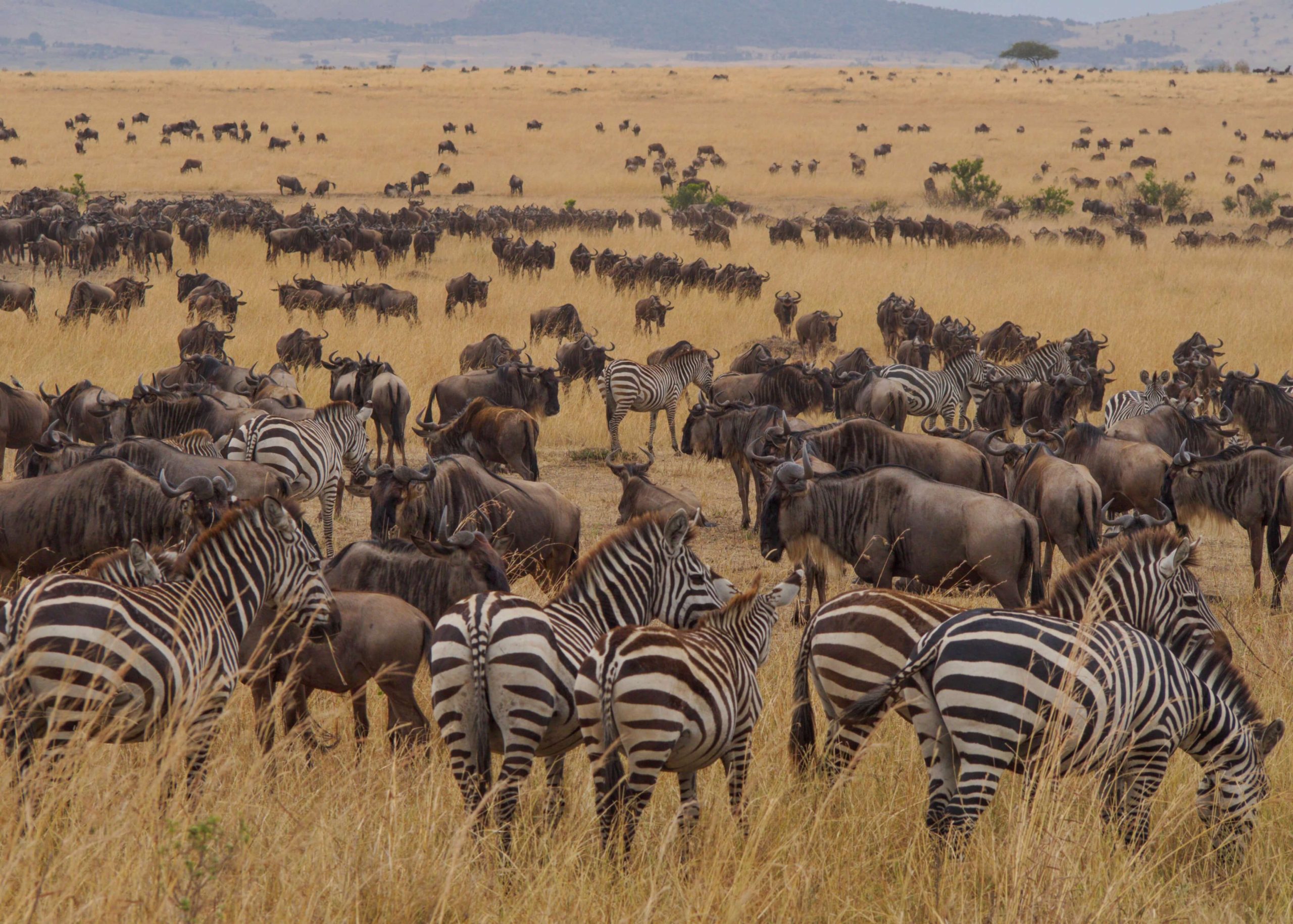
Ngorongoro Crater is famous for its dramatic volcanic landscape and high concentration of wildlife. The crater floor contains open grasslands, wetlands, woodland, and a shallow alkaline lake. These habitats support large numbers of grazing animals and predators, making the crater one of Tanzania’s best-known places for a rewarding game drive within a relatively compact area.
Lake Manyara National Park offers a different combination of scenery and wildlife. Set beneath the Great Rift Valley escarpment, it includes groundwater forest, woodland, open floodplains, wetlands, and the alkaline lake that gives the park its name. Visitors may encounter elephants, giraffes, buffaloes, hippos, monkeys, and numerous bird species. The park is also associated with tree-climbing lions, although seeing lions in trees is never guaranteed.
For a traveller with only one day available for wildlife viewing, Ngorongoro Crater is generally the stronger choice for a classic, wildlife-focused safari. Lake Manyara may be more suitable if you prefer diverse habitats, birdwatching, forest scenery, and a quieter-feeling experience that complements other destinations on the northern circuit.
The decision becomes clearer when you consider travel time, the length of the game drive, accommodation, wildlife expectations, and how each park fits into the rest of your itinerary.
Ngorongoro Crater: Best for Concentrated Wildlife Viewing
Ngorongoro Crater lies within the wider Ngorongoro Conservation Area in northern Tanzania. It is a large volcanic caldera whose steep walls surround a broad floor containing grasslands, swamps, springs, woodland, and Lake Magadi. The combination of habitats supports a rich variety of wildlife within a relatively confined area.
One of the main advantages for short-stay visitors is the opportunity to see many different animals during a single game drive. The crater floor supports wildebeest, zebras, gazelles, buffaloes, warthogs, hippos, hyenas, and lions. Elephants are also present, while the endangered black rhino is one of the important species visitors hope to encounter.
Ngorongoro is particularly appealing to travellers who want to experience a wide range of wildlife without spending several days driving across a huge ecosystem. The landscape creates a memorable setting, with the crater rim rising above the grasslands and wetlands below. Descending into the crater offers a distinctive transition from highland forest to open wildlife habitat.
The crater can be especially rewarding for first-time safari visitors who want a strong introduction to Tanzania’s larger mammals. It also suits travellers who have limited time and want to prioritise wildlife over a broader range of activities.
However, the crater is not a guaranteed Big Five checklist. Wildlife sightings depend on animal movements, weather, visibility, and the time available. Leopards, in particular, can be difficult to spot, and black rhinos may remain at a distance. The crater’s popularity can also mean that several vehicles gather around notable sightings during busy periods.
Another consideration is the journey to and from the crater floor. The descent and ascent take time, and game drives operate within park regulations and designated routes. Visitors should plan the day with a reputable operator and confirm current access arrangements, fees, and timing before travelling.
Lake Manyara National Park: Best for Scenery and Habitat Diversity
Lake Manyara National Park sits at the base of the Great Rift Valley escarpment, south of Arusha and close to the town of Mto wa Mbu. It is known for its varied landscapes, including groundwater forest, open woodland, grassland, wetlands, and the lake itself.
The forested sections offer a different atmosphere from the open grasslands of Ngorongoro. Visitors may see baboons, blue monkeys, bushbuck, and colourful forest birds among the trees. As the landscape opens out, the drive may reveal elephants, giraffes, buffaloes, and other grazing animals. Hippos gather around suitable pools, while the lake attracts flamingos and other waterbirds when conditions are favourable.
Lake Manyara is particularly attractive to birdwatchers. Its combination of wetlands, forest, and lake-edge habitats supports a wide variety of resident and migratory birds. Depending on water levels and seasonal conditions, visitors may encounter pelicans, storks, herons, fish eagles, and flamingos.
The park’s tree-climbing lions are another attraction, but visitors should treat them as a possibility rather than a promised sighting. Lions may rest in woodland or other habitats without climbing trees during a particular visit.
For a short stay, Lake Manyara can provide a varied game drive without requiring a long itinerary. It can also work well as part of a wider northern circuit, particularly when combined with Ngorongoro, Tarangire, or a cultural visit around Mto wa Mbu.
Its main limitation is that travellers seeking the concentrated large-mammal viewing associated with Ngorongoro may find it less predictable for their particular priorities. Lake Manyara is best appreciated for the range of habitats and the combination of wildlife, birdlife, and scenery rather than as a direct replacement for the crater experience.


No comment