

Guided Tours vs Independent Travel: Which Costs More?
Cost is one of the main reasons travellers compare guided tours with independent travel. An organised tour may appear more expensive because the advertised price includes several services, while independent travel allows you to book each component separately. However, the total cost depends on the destination, travel season, group size, accommodation standard, transport arrangements, and activities you choose.
A guided private tour usually costs more than travelling independently with public transport because you are paying for a dedicated guide, vehicle, fuel, planning, and support. The price may also include accommodation, meals, park fees, and activity permits. When these expenses are combined into one package, it becomes easier to understand the overall cost before departure.
Independent travel can reduce some expenses, especially when you use public transport, stay in budget accommodation, eat at local restaurants, and choose free or inexpensive attractions. It can be an economical option for travellers spending several days in cities or visiting destinations with reliable transport connections.
However, independent travellers still need to pay for accommodation, transport, meals, entrance fees, and organised activities. Renting a suitable four-wheel-drive vehicle for a remote national park can be expensive once fuel, insurance, and other charges are included. If you are travelling alone, the cost of hiring a vehicle may be difficult to spread across several people. A guided group tour can sometimes offer better value because transport and guiding expenses are shared.
Wildlife permits can also affect the comparison. Gorilla trekking, chimpanzee tracking, and other specialist activities have their own fees and booking requirements. These costs generally apply regardless of whether you organise the rest of your trip independently or through a tour operator. A package may include them in the quoted price, but you should confirm this rather than assume they are covered.
The best way to compare prices is to calculate the complete cost of each option. Include accommodation, transport, fuel, park fees, permits, meals, transfers, guide services, insurance, and a reasonable allowance for unexpected expenses. Check whether quoted prices are per person or per vehicle, whether accommodation is based on single or shared occupancy, and whether taxes or optional activities are excluded.
Time and Convenience During Your Trip
A guided tour is particularly useful when you have limited time. The operator can organise transfers, confirm accommodation, coordinate activities, and plan a realistic route between destinations. This reduces the amount of time you spend researching transport options or resolving booking problems during the holiday.
Consider a traveller who wants to visit several national parks in Uganda within a week. The itinerary might involve a long drive from Entebbe, wildlife viewing in Queen Elizabeth National Park, chimpanzee tracking in Kibale Forest, and gorilla trekking in Bwindi. The journey requires careful planning because driving times, park activities, accommodation locations, and trekking schedules all affect one another.
An experienced local operator can organise these elements in a sensible sequence and allow time for delays. Independent travellers can certainly arrange the same journey, but they must research the routes, make reservations, and ensure that the chosen accommodation matches each activity.
Independent travel offers a different kind of convenience: the freedom to change your plans. You can spend an extra day in a destination you enjoy, take a break after a long journey, or replace a planned attraction with something more appealing. This flexibility can be especially valuable when travelling slowly or visiting a city for several days.
The challenge arises when changes affect bookings that have already been paid for. A missed transfer, delayed arrival, or last-minute accommodation change can create additional costs. Some activities have fixed dates and limited availability, so changing the itinerary may not be possible without losing money.
For either travel style, realistic planning matters. Avoid trying to visit too many distant destinations in a short period. A well-paced independent itinerary can be more enjoyable than a rushed guided tour, just as a carefully designed guided tour can save time compared with an itinerary that has not accounted for road conditions and transfer distances.
Safety, Local Knowledge and Support
Safety is an important consideration when travelling in a region that may be unfamiliar to you. East Africa is not one uniform travel environment. Conditions vary between major cities, rural roads, national parks, mountain areas, and remote communities. Travellers should research each destination and check current official travel advice before departure.
Guided tours provide access to someone who understands the local environment and can help with practical decisions. A professional driver-guide may know which roads are suitable for the vehicle, how long a transfer normally takes, where to stop for fuel, and how to respond when weather or traffic disrupts the schedule. In a national park, a guide can also explain wildlife behaviour and the rules that protect visitors and animals.
The support offered by a tour operator can be especially valuable if an unexpected problem occurs. Depending on the arrangement, the company may help reorganise transport, contact a lodge, adjust an activity, or explain what to do when a booking changes. Before choosing a guided tour, find out who will be available during the trip and how assistance is provided outside normal office hours.
Independent travellers need to take greater responsibility for their own arrangements. This includes keeping copies of important documents, understanding local transport options, maintaining communication access, and knowing whom to contact if something goes wrong. Travellers hiring a vehicle should check insurance coverage, breakdown assistance, driving requirements, and restrictions on where the vehicle can be taken.
Independent travel does not automatically mean travelling unsafely, and a guided tour does not remove every risk. The quality of the operator, the condition of the vehicle, the traveller’s decisions, and the destination all matter. Choose reputable service providers, follow local instructions, avoid unnecessary risks, and maintain appropriate travel insurance regardless of how you organise the trip.
Cultural Experiences and Understanding Local Communities
East Africa’s cultural diversity is one of the region’s greatest attractions. Travellers may visit markets, historical sites, traditional craft workshops, rural communities, museums, and cultural centres. The depth of the experience often depends on how much time you allow and whether you can communicate effectively with local people.
A guided cultural visit can provide context that is difficult to obtain from a short visit alone. A knowledgeable guide may explain the history of a community, the meaning of a ceremony, or the role of a particular tradition. Guides can also help visitors understand local etiquette, including expectations around photography, greetings, dress, and visiting private or sacred spaces.
Independent travellers have more freedom to discover places outside a fixed itinerary. They can spend longer at a market, return to a favourite neighbourhood, or arrange a visit through a local community organisation. Travelling slowly may also provide more opportunities to use local restaurants, shops, and transport services.
However, independent visitors should avoid assuming that every community welcomes unplanned visits or photography. Ask permission before taking pictures of people, respect private property, and follow the guidance of local hosts. When booking a cultural experience, check how the visit is organised and whether the community benefits from the activity.
A practical compromise is to arrange accommodation and transport independently while hiring a local guide for selected cultural visits. This provides flexibility while allowing you to learn from someone with relevant knowledge and established local connections.
Visiting National Parks and Wildlife Destinations
Wildlife destinations require more preparation than many ordinary city visits. National parks have entry regulations, designated roads, activity schedules, and rules about approaching animals. Some experiences require advance permits, while others can be arranged at the park or through an authorised provider, subject to availability.
In Kenya, travellers may combine Nairobi with destinations such as the Maasai Mara, Amboseli, or Tsavo. In Tanzania, a journey might include Serengeti National Park, Ngorongoro Conservation Area, or Tarangire National Park. Uganda offers gorilla trekking in Bwindi Impenetrable National Park and Mgahinga Gorilla National Park, as well as wildlife viewing in Queen Elizabeth and Murchison Falls national parks. Rwanda combines primate experiences in Volcanoes National Park with forest activities and other attractions around the country.
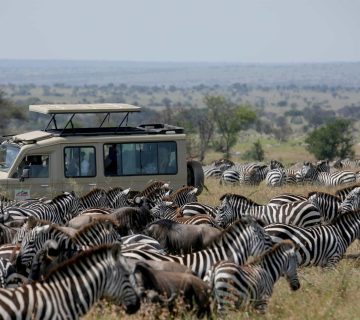
A guided tour can make these journeys easier by coordinating park access, accommodation, transport, and activities. Guides who regularly work in a particular area may also understand local wildlife patterns, road conditions, and the best way to use the available time. Wildlife sightings are never guaranteed, but local knowledge can improve the quality of the experience.
Independent visitors can still enjoy national parks, particularly when they are confident drivers and have researched the rules. Self-driving may offer greater control over stops and timing, but it requires suitable transport, navigation, knowledge of park regulations, and realistic expectations. Some parks and activities are more practical with a professional driver-guide.
Gorilla trekking illustrates the importance of preparation. Visitors must obtain the required permit, arrive at the correct park headquarters, attend the briefing, and follow ranger instructions during the trek. Independent travellers can arrange many of these elements themselves, but they still need to coordinate the permit, transport, and accommodation carefully. A guided package can reduce the administrative work, particularly for visitors unfamiliar with the area.
Cross-Border Travel Between East African Countries
A multi-country trip can be one of the most rewarding ways to experience East Africa, but it adds planning requirements. Travellers may need to consider visa or electronic travel authorisation rules, passport validity, permitted border crossings, transport connections, and the arrangements for travelling between countries.
For example, a trip combining Kenya and Tanzania may involve travel between Nairobi and Arusha, while a Uganda and Rwanda itinerary may connect Kampala or Entebbe with Kigali and the surrounding national parks. The most suitable route depends on the destinations, available transport, entry requirements, and how much time you have.
A guided tour can simplify the process because the operator can plan the route and coordinate transfers. Depending on the itinerary, vehicles and guides may change at a border because transport permissions and operating arrangements differ between countries. Travellers should confirm these details before departure rather than assume that the same vehicle and guide will operate throughout the entire journey.
Independent travellers can also cross borders, but they must check the requirements that apply to their nationality and travel dates. Do not assume that a visa or entry authorisation for one country automatically permits entry into another. Check official immigration information and confirm the latest requirements before paying for non-refundable travel arrangements.
Allow extra time for border formalities and avoid booking onward transport with an unrealistically short connection. Even when a crossing is usually straightforward, queues, document checks, or changes in transport arrangements can affect the schedule.
Accommodation Choices and Travel Style
Guided tours often offer a selection of accommodation categories, from budget guesthouses and simple camps to comfortable lodges and luxury properties. The operator may recommend places that suit the route and activity schedule, making it easier to choose accommodation near a park entrance or trekking sector.
This can be important in rural areas where properties are spread across large distances. A lodge that looks close to a national park on a map may be inconvenient for a particular activity or permit location. An experienced planner can help match the accommodation to the itinerary, although travellers should always review the property’s location and facilities before confirming the booking.
Independent travel gives you direct control over accommodation selection. You can compare reviews, choose smaller locally owned properties, select a room based on your preferences, and change hotels as your plans develop. This may suit travellers who enjoy researching accommodation and want to make decisions as they go.
The drawback is that the most convenient properties may be limited or fully booked during busy periods. Popular wildlife destinations and trekking areas can require advance reservations, particularly when accommodation must be close to a specific activity starting point.
Whichever option you choose, check what the room rate includes. Breakfast, other meals, transfers, park fees, and activity costs may be charged separately. Comparing the full cost of staying at a property is more useful than comparing room prices alone.
Which Option Is Better for Families, Couples and Solo Travellers?
Families often benefit from guided travel because transport, accommodation, and activities can be coordinated around children’s ages, rest periods, and comfort requirements. A private tour may allow the guide to adjust the pace, plan shorter travel days, and select suitable activities. Parents should still confirm age restrictions, minimum ages for wildlife activities, and any specific accommodation requirements.
Couples can choose either approach depending on their interests. A guided private tour may suit a honeymoon or anniversary trip where the couple wants transfers and reservations organised in advance. Independent travel may be more appealing to couples who enjoy exploring towns, selecting restaurants, and building their own schedule. A combination of both approaches can provide a balance of comfort and freedom.
Solo travellers need to consider both cost and support. A private guided tour can be expensive for one person because vehicle and guide costs are not shared with other passengers. Joining a small-group tour, where available, may reduce the cost. Independent travel can be economical in cities and well-connected areas, although remote destinations may require private transfers or organised activities.
First-time visitors to East Africa may find guided tours easier because they can rely on local assistance while learning how transport, park activities, and regional connections work. Experienced travellers who are comfortable researching routes and handling unexpected changes may prefer to organise more of their journey themselves.
The Best Approach: Combining Guided Tours With Independent Travel
You do not have to choose one travel style for your entire holiday. A mixed approach can provide a practical balance between independence and expert assistance.
You could organise your own accommodation and sightseeing in Nairobi, then join a guided wildlife tour to the Maasai Mara. In Uganda, you might spend time exploring Kampala independently before arranging a professional driver-guide for a journey to national parks and a gorilla trekking experience. In Rwanda, you could book your own stay in Kigali and hire a local guide for a day trip or a specific cultural activity.
This arrangement allows you to retain control over the parts of the journey that are easy to manage while seeking assistance where local knowledge and coordination are more important. It can also help you understand exactly what you are paying for, since each service is booked separately.
When planning a mixed itinerary, identify the activities that need advance reservations and secure those first. Check permit availability, confirm accommodation near the activity, and arrange transport that allows enough time for the journey. You can then organise more flexible parts of the holiday around those fixed commitments.
For a fair cost comparison, request a detailed quotation for the guided portion and compare it with the cost of booking the same services independently. Include the time needed to organise everything, not just the money spent. The cheapest arrangement on paper may not be the best value if it creates unnecessary stress or puts an important activity at risk.
How to Choose the Right Travel Style for East Africa
Start by identifying the main purpose of your trip. A city break, a beach holiday, a wildlife safari, a mountain trek, and a multi-country journey involve different levels of planning. Independent travel may be straightforward for a city-based holiday, while a remote wildlife itinerary may benefit from professional transport and guiding.
Next, consider how much time you have. Travellers with only a few days may prefer an organised itinerary that makes efficient use of available time. Those spending several weeks in the region can often build in flexibility and arrange parts of the journey independently.
Your budget should be based on the full trip rather than the initial price. Compare transport, accommodation, meals, entrance fees, permits, insurance, and potential additional costs. If you are travelling with other people, calculate whether sharing a private guide and vehicle makes a guided tour more affordable than arranging separate transport.
Finally, consider your confidence in managing unfamiliar situations. If you enjoy researching destinations, handling bookings, and adapting when plans change, independent travel may be rewarding. If you would rather concentrate on the destination than on transport schedules and administrative details, a guided tour may be the more suitable option.
East Africa supports both approaches, and many travellers get the best results by using each where it makes the most sense. The important decision is not whether guided tours are universally better than independent travel. It is whether the arrangements match your experience, priorities, budget, and the practical demands of the destinations you want to visit.






No comment