
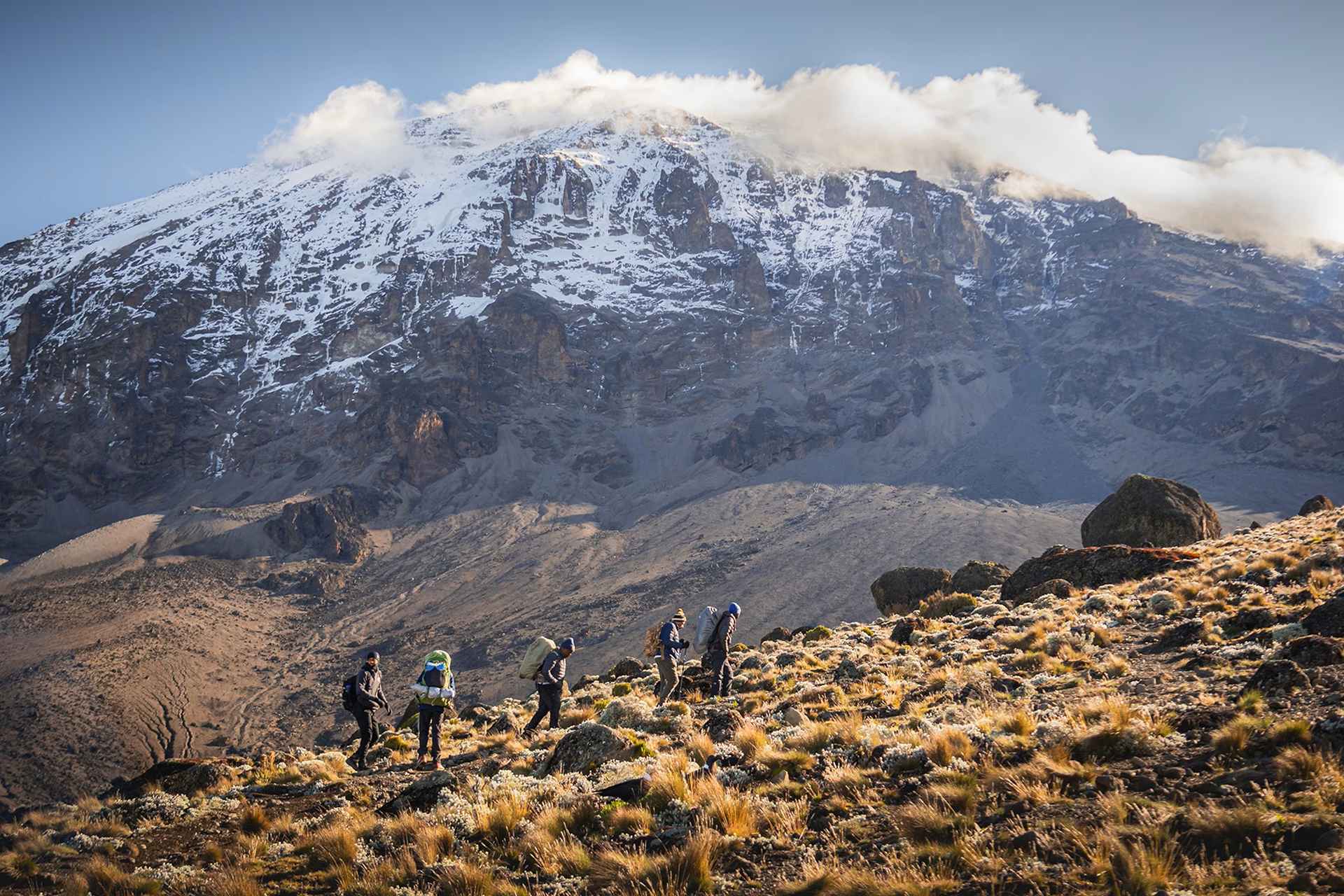
Kilimanjaro vs Mount Meru: Which Climb Fits Your Fitness Level?
Tanzania is home to two of East Africa’s most famous mountain climbing destinations, Mount Kilimanjaro and Mount Meru. Both offer challenging hiking experiences, spectacular scenery and opportunities to explore changing landscapes, from forested slopes to rocky alpine terrain. However, they differ significantly in altitude, physical demands, acclimatisation requirements, climbing duration and overall difficulty.
Mount Kilimanjaro rises to 5,895 metres above sea level, making it Africa’s highest mountain. Mount Meru reaches approximately 4,566 metres and stands inside Arusha National Park. Kilimanjaro attracts climbers who want to reach the continent’s highest summit, while Meru appeals to hikers seeking a demanding mountain adventure with fewer crowds and a different perspective of northern Tanzania.
Choosing between these mountains requires more than comparing their heights. Your current fitness level, hiking experience, ability to cope with altitude, available time and personal goals all influence which climb is appropriate. A physically fit person can still struggle with altitude sickness, while someone with moderate fitness may successfully complete a carefully planned trek with suitable preparation and pacing.
Understanding the differences between Kilimanjaro and Mount Meru will help you choose a climb that matches your abilities and gives you the best chance of reaching the summit safely.
Understanding the Main Differences Between Kilimanjaro and Mount Meru
Mount Kilimanjaro is a free-standing volcanic mountain with several recognised climbing routes. Its highest point, Uhuru Peak, stands at 5,895 metres. Climbers usually spend between five and nine days on the mountain, depending on the route and itinerary. Longer itineraries generally provide more time for acclimatisation and can improve your chances of reaching the summit.
Mount Meru is located within Arusha National Park, approximately 70 kilometres from Mount Kilimanjaro by road, depending on the route taken. Its summit, Socialist Peak, stands at about 4,566 metres. A typical climb takes three to four days, with the summit attempt usually beginning during the night.
Although Meru is lower than Kilimanjaro, it should not be considered an easy mountain. Its route includes steep sections, exposed ridges and significant elevation gain. The final ascent can be physically demanding, particularly for hikers who are uncomfortable with narrow trails or steep drops.
The two mountains also offer different experiences. Kilimanjaro is known for its varied climbing routes, high-altitude landscapes and the achievement of reaching Africa’s highest point. Mount Meru offers forest hiking, wildlife encounters in the lower mountain environment and impressive views of Kilimanjaro when the weather is clear.
If your primary goal is to reach the highest summit in Africa, Kilimanjaro is the obvious choice. If you want a shorter but challenging mountain trek, Meru may be more suitable.
Which Mountain Is Easier for Beginners?
For beginners, Mount Meru can be a practical introduction to high-altitude trekking, provided you have reasonable fitness and are comfortable with demanding uphill walking. Its shorter itinerary allows you to experience mountain hiking without committing to a week or more on a major expedition.
However, Meru is not a simple introductory walk. The summit day involves a long climb, often beginning around midnight, followed by a descent that can place considerable strain on your knees and leg muscles. The route also includes exposed ridges that may challenge people who are afraid of heights.
Kilimanjaro is often climbed by people without previous mountaineering experience because its standard routes do not require technical rock climbing or the use of ropes for ordinary trekking. Nevertheless, the combination of long hiking days, high altitude, cold temperatures and the summit ascent makes it a serious physical challenge.
For a beginner who has never completed a multi-day hike, Kilimanjaro requires more preparation. You must be able to walk for several consecutive days while carrying a daypack and recovering sufficiently for the following stage. The summit attempt can involve many hours of walking in darkness and cold conditions.
If you are new to hiking, consider building your experience through regular hill walks, long-distance hikes and progressively longer outdoor trips before attempting either mountain.
Mount Meru is often a sensible first choice for someone who wants a shorter mountain expedition. Kilimanjaro remains achievable for beginners who train appropriately and select a route that allows adequate acclimatisation.
How Fit Do You Need to Be for Kilimanjaro?
You do not need to be an elite athlete to climb Kilimanjaro, but you should prepare for sustained physical activity over several days.
The main challenge is not running speed or lifting heavy weights. It is your ability to walk uphill and downhill for hours, maintain a steady pace, carry essential supplies and continue moving when you are tired.
A useful starting point is to exercise consistently for at least eight to twelve weeks before departure. If you are currently inactive or have limited hiking experience, you may benefit from a longer preparation period.
Walking should form the foundation of your training. Begin with manageable sessions and gradually increase the distance, duration and elevation gain. As your fitness improves, include longer hikes on uneven terrain. Practising on hills or stairs can help prepare your legs for sustained climbing.
Cardiovascular activities such as brisk walking, cycling, swimming and jogging can improve endurance. Strength training can also help, particularly exercises that develop the legs, hips, core and balance. Squats, step-ups, lunges and controlled step-downs are useful options when performed with appropriate technique.
For example, if you currently walk for 30 minutes without difficulty, gradually build towards longer sessions of 60 to 90 minutes. As your departure date approaches, include occasional hikes lasting several hours, provided you recover comfortably and do not develop persistent pain.
You should also practise walking with the type of daypack you expect to use on the mountain. Keep the load realistic rather than training with unnecessary weight.
Good fitness makes the physical work easier, but it does not guarantee that you will reach Uhuru Peak. Altitude affects people differently, and even highly trained athletes can develop altitude sickness.
How Fit Do You Need to Be for Mount Meru?
Mount Meru requires a solid level of walking endurance, particularly because the route involves substantial elevation gain over a relatively short period.
Most itineraries take three or four days, meaning the daily climbing can be demanding. You need enough stamina to hike uphill for several hours, manage steep terrain and continue moving the following day without excessive fatigue.
Your preparation should focus on uphill endurance, leg strength, balance and the ability to descend safely. Walking on hills is especially useful because it prepares your muscles for the terrain more effectively than flat-ground exercise alone.
Stair climbing and step-up exercises can help develop the strength needed for sustained ascents. Include controlled downhill walking when possible because descending places substantial demands on the quadriceps and knees.
Mount Meru also requires mental preparation. Some sections near the summit follow exposed ridges, and the terrain can feel intimidating if you are unfamiliar with steep mountain trails. You should discuss the route with your guide before the climb and be honest about any concerns.
If you have completed several long hikes and can comfortably walk uphill for hours, Meru may be a realistic objective after suitable preparation. If you struggle with ordinary hills or experience significant fatigue after short walks, build your endurance before booking.
The shorter duration does not necessarily make Meru easier than Kilimanjaro in every respect. Kilimanjaro itineraries can spread the climb over more days, while Meru concentrates much of its elevation gain into a shorter expedition.
Altitude: The Biggest Challenge on Both Mountains
Altitude is one of the most important factors when comparing Kilimanjaro and Mount Meru. As you climb higher, atmospheric pressure decreases, meaning less oxygen is available with each breath.
At high altitude, your body needs time to adjust. This process is called acclimatisation, and it cannot be replaced by physical fitness alone.
Acute mountain sickness can cause headaches, nausea, dizziness, fatigue, loss of appetite and disturbed sleep. Symptoms can become serious if you continue ascending when you are unwell.
Kilimanjaro presents a greater altitude challenge because its summit reaches nearly 5,900 metres. The difference between sleeping at lower camps and climbing towards the summit can be substantial, especially on shorter itineraries.
Mount Meru reaches a lower elevation, but it still rises high enough for altitude sickness to occur. Climbers should not assume that a three- or four-day itinerary removes the risk.
Choose a Kilimanjaro route that allows sufficient time for acclimatisation. Six- to eight-day itineraries are generally preferable to very short climbs, although the appropriate duration depends on the route and individual circumstances. Seven or eight days can provide a useful balance between acclimatisation, walking time and recovery.
On either mountain, walk at a steady pace, drink regularly, eat adequately and communicate honestly with your guide about symptoms. Do not continue ascending if you develop symptoms that suggest altitude sickness. Severe symptoms require immediate assessment and descent, with emergency assistance when necessary.
Some climbers consider taking medication to prevent altitude sickness. Discuss this with a qualified healthcare professional before departure, particularly if you have existing medical conditions or take other medication.
Comparing the Daily Hiking Demands
The physical demands of each mountain depend on the chosen route and itinerary, but the general patterns are different.
On Kilimanjaro, many days involve several hours of walking between camps. Some stages are relatively short, while others include long ascents over rocky terrain. Summit day is particularly demanding because climbers often begin around midnight and continue towards Uhuru Peak through the coldest part of the night.
After reaching the summit, you usually descend to a lower camp on the same day. This creates a long period of physical exertion, and fatigue can increase the risk of slips and poor decisions.
On Mount Meru, the ascent is concentrated into fewer days. The summit attempt also begins during the night, and the route includes steep terrain and exposed ridges. The return journey can be tiring, particularly after the summit climb.
Neither mountain should be judged only by the distance walked. Elevation gain, altitude, terrain, weather and time spent on your feet all affect difficulty.
A climber who can walk 15 kilometres on flat ground may still struggle with a steep mountain ascent. Training should therefore include hills, uneven trails and sustained walking rather than relying entirely on distance targets.
Which Mountain Is Better for People Who Are Afraid of Heights?
Mount Meru deserves particular consideration if you are uncomfortable with exposed mountain terrain.
The final approach towards Socialist Peak includes narrow and exposed ridge sections. These areas can feel challenging for people who dislike steep drops or have limited experience walking along ridgelines.
Kilimanjaro also has steep and rocky sections, and some routes may involve exposed terrain. However, the nature of the challenge varies considerably by route. Climbers who are concerned about exposure should discuss the specific trail conditions with a reputable operator before selecting an itinerary.
Fear of heights does not automatically prevent you from climbing either mountain. Your response depends on the type of terrain, your experience and how comfortable you feel following a guide’s instructions.
If exposure is a major concern, explain this before booking rather than waiting until you reach a difficult section. Your guide can help you understand the route and assess whether the climb is appropriate for you.
Wildlife and Scenery: What Will You See?
Both mountains offer beautiful scenery, but their landscapes and wildlife experiences differ.
Kilimanjaro has several ecological zones. Lower slopes include cultivated land and forest, while higher elevations transition through heath and moorland into alpine desert and the cold summit environment. The changing vegetation makes the ascent feel like a journey through different natural environments.
Wildlife sightings are possible in the lower forest, although the main focus of a Kilimanjaro climb is reaching the summit. You may see birds, monkeys and signs of other animals, depending on the route and conditions.
Mount Meru lies within Arusha National Park, where the lower mountain environment supports wildlife including buffaloes, giraffes and various forest species. Climbers may encounter animals along parts of the route, and armed park rangers accompany treks according to park regulations because wildlife can pose a risk.
Meru also provides impressive views across the surrounding landscape. On clear days, Kilimanjaro may be visible from the mountain, creating a memorable contrast between the two volcanic peaks.
If wildlife is a major priority, Meru can add an interesting dimension to your mountain holiday. However, neither climb replaces a dedicated safari in parks such as Serengeti or Tarangire.
Costs and Time Required
Mount Kilimanjaro generally requires a larger financial and time commitment because the expedition lasts longer and involves additional logistics.
Costs typically include park fees, camping or hut arrangements where applicable, guides, porters, meals, equipment support, transfers and accommodation before or after the climb. The total depends on the route, number of days, group size and operator standards.
A longer itinerary usually costs more than a shorter one, but it can offer a better acclimatisation profile. Choosing the cheapest available climb without considering route duration and safety arrangements can be a poor decision.
Mount Meru generally requires three or four days, making it easier to fit into a shorter holiday. Its costs include park fees, guiding arrangements, accommodation at designated huts, meals and transfers. You should confirm exactly what the package covers.
If you have only a few days in Tanzania, Meru may be the practical choice. If you can spend a week or more on a mountain expedition, Kilimanjaro offers the opportunity to reach Africa’s highest point.
Budget for suitable clothing, hiking boots, rain protection, personal supplies and any equipment rental. These costs can be significant if you need to purchase everything shortly before departure.
Can You Climb Mount Meru Before Kilimanjaro?
Yes. Some climbers choose Mount Meru as a preparation climb before attempting Kilimanjaro.
Meru provides experience with multi-day hiking, altitude, mountain weather and the routines of a guided expedition. It also gives you an opportunity to test your boots, clothing, backpack and other equipment.
However, climbing Meru does not guarantee that you will acclimatise successfully on Kilimanjaro. The latter reaches a considerably higher altitude, and your body may respond differently as you ascend.
If you plan to climb both mountains, allow enough time between expeditions to recover from fatigue. The appropriate interval depends on the difficulty of the Meru climb, your recovery and your health. Discuss the schedule with your operator and healthcare professional if you have concerns.
A combined itinerary might include a three- or four-day Mount Meru climb followed by a seven- or eight-day Kilimanjaro route. This requires a substantial time commitment and should not be rushed simply to complete both summits during one holiday.
For travellers who have limited time, choosing one mountain and preparing properly is often more sensible than attempting both without adequate recovery.
How to Choose the Right Mountain for Your Fitness Level
Your current fitness and hiking experience should guide your decision.
If you exercise occasionally but have limited experience with long hikes, begin with regular walking and hill training before deciding. Mount Meru may be an appropriate first objective once you can manage sustained uphill activity, but its steep and exposed sections still require preparation.
If you already hike regularly, can walk for several hours and recover well between outings, either mountain may be realistic. Your decision should then depend on your interest in the summit, available time, budget and ability to manage altitude.
If you are training specifically for Kilimanjaro, consider a longer route with a suitable acclimatisation schedule. You do not need exceptional athletic performance, but you should arrive prepared for consecutive days of walking and a demanding summit attempt.
If you have a medical condition affecting your heart, lungs, mobility or ability to exercise safely at altitude, consult a qualified healthcare professional before booking. Your fitness plan should reflect your individual health and the demands of the chosen climb.
Regardless of your starting point, increase your training gradually, avoid arriving exhausted from last-minute exercise and practise using the equipment you will carry. A consistent preparation programme is more useful than attempting to become fit in the final few days.
Final Recommendation: Kilimanjaro or Mount Meru?
Mount Kilimanjaro is best for climbers whose main goal is reaching Africa’s highest summit and who can commit to the necessary preparation, time and cost. It offers a longer expedition, varied ecological zones and a major personal achievement, but its altitude makes careful acclimatisation essential.
Mount Meru is a strong option for hikers seeking a shorter mountain adventure with steep ascents, exposed ridges, forest scenery and possible wildlife encounters. It can also serve as a preparation climb for Kilimanjaro, provided you allow adequate recovery and do not assume it eliminates altitude risk.
For beginners, neither mountain should be treated as effortless. Meru is shorter, but its summit route can be steep and demanding. Kilimanjaro is higher and generally requires a longer commitment, but an appropriately paced itinerary can make it achievable for many reasonably fit first-time trekkers.
Choose Mount Meru if you want a shorter, challenging hike and are comfortable with exposed terrain. Choose Kilimanjaro if you want to reach the highest point in Africa and can dedicate enough time to prepare and acclimatise.
The best climb is the one that matches your current abilities, gives you enough time to adjust to altitude and allows you to enjoy the experience without taking unnecessary risks.


No comment