
Burundi for Travellers
Bujumbura, Lake Tanganyika and the Gishora Drummers
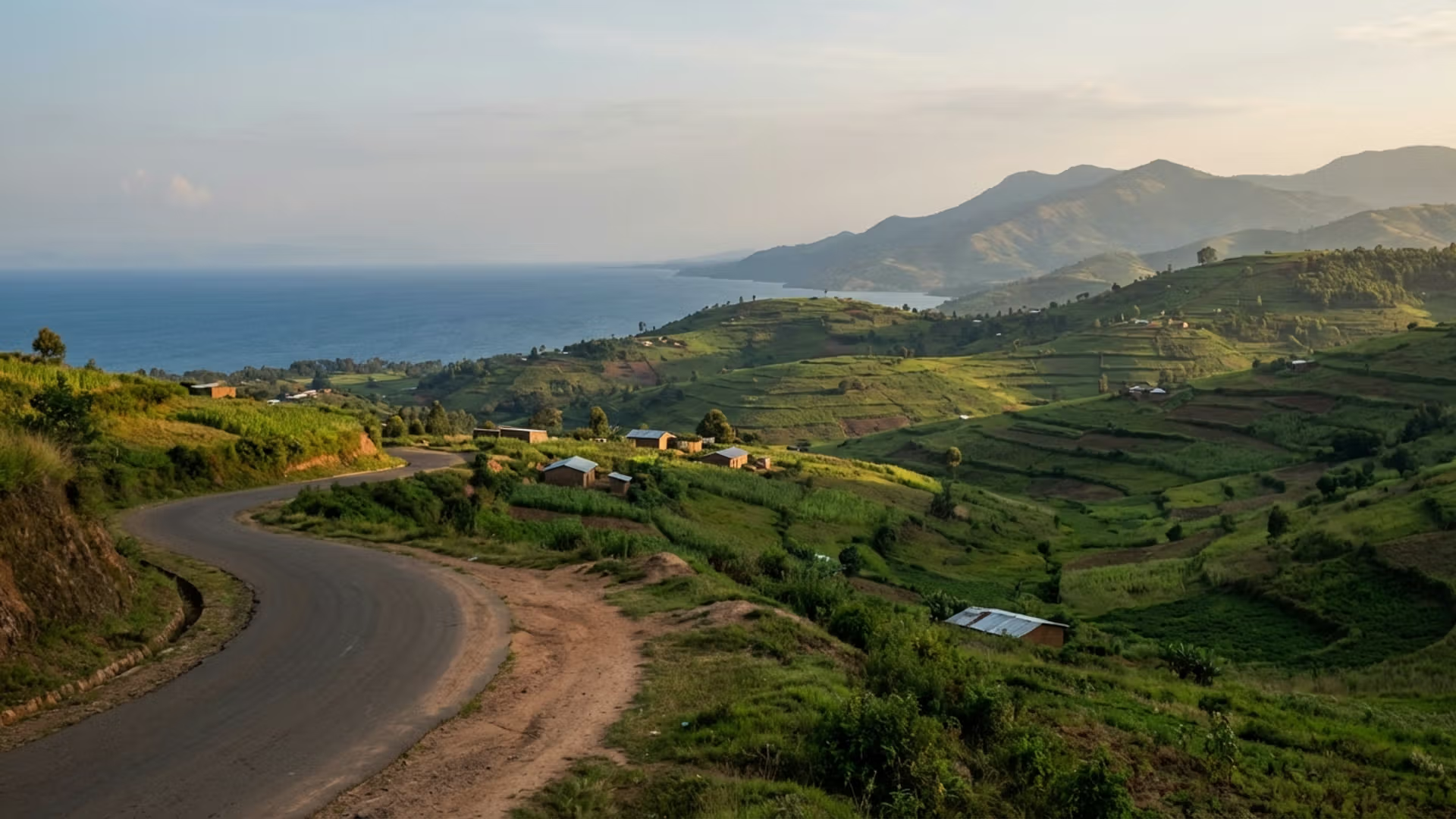
Burundi is one of East Africa’s lesser-known travel destinations, offering beautiful lakeside scenery, rich cultural traditions, green highlands and fascinating historical attractions. Located south of Rwanda and west of Tanzania, this small country provides opportunities to discover traditional drumming, local markets, fishing communities and the remarkable shoreline of Lake Tanganyika.
For travellers interested in culture, Bujumbura offers an introduction to everyday urban life, while Gitega provides access to the famous Gishora Royal Drummers. Lake Tanganyika adds another dimension through its beaches, waterfront restaurants and spectacular sunsets.
Burundi requires more careful planning than some neighbouring destinations. Transport limitations, occasional fuel shortages and regional security concerns can affect journeys. Nevertheless, understanding its attractions and travel practicalities helps visitors appreciate the country’s distinctive heritage.
Where Is Burundi Located?
Burundi is a landlocked country in the African Great Lakes region, bordered by Rwanda, Tanzania and the Democratic Republic of Congo.
Its landscape includes mountains, cultivated hills, valleys and the eastern shoreline of Lake Tanganyika.
Gitega is the political capital, while Bujumbura remains the country’s principal commercial centre.
Quick Facts About Burundi
| Feature | Description |
|---|---|
| Region | East Africa |
| Political capital | Gitega |
| Commercial centre | Bujumbura |
| Main languages | Kirundi, French and English |
| Currency | Burundian franc |
| Major lake | Lake Tanganyika |
| Famous tradition | Royal drumming |
| Main cultural attraction | Gishora Drum Sanctuary |
| Recommended trip | 4–6 days |
| Travel consideration | Security and transport planning |
Why Visit Burundi?
Burundi appeals to travellers interested in destinations beyond established safari circuits.
The country offers genuine cultural encounters, dramatic highland scenery and relatively uncrowded attractions.
Visitors can explore markets, enjoy lakeside meals and learn about traditions preserved through music and dance.
However, tourist facilities vary considerably, making experienced local guides valuable.
Exploring Bujumbura
Bujumbura stands beside Lake Tanganyika and is Burundi’s largest city.
Although it is no longer the political capital, it remains an important centre for business, transport and hospitality.
The city contains restaurants, markets, historical landmarks and waterfront accommodation.
What Makes Bujumbura Interesting?
Visitors encounter a mixture of modern streets, older buildings and busy commercial neighbourhoods.
Local cafés provide opportunities to enjoy Burundian coffee.
Traditional markets introduce travellers to agricultural products, clothing and everyday trade.
Bujumbura also serves as the gateway to Lake Tanganyika’s northern shoreline.
Visiting Bujumbura’s Markets
Markets provide an interesting introduction to everyday Burundian life.
Traders sell bananas, beans, vegetables, clothing and household products.
Shopping experiences vary between organised shops and traditional market areas.
Market Visiting Tips
Carry local currency in smaller denominations.
Ask prices before buying.
Compare products respectfully.
Request permission before photographing traders.
Keep valuables secure in crowded areas.
A local guide can help visitors understand prices and customs.
Lake Tanganyika: Burundi’s Great Lake
Lake Tanganyika is among the world’s deepest and oldest freshwater lakes.
Shared by Burundi, Tanzania, Zambia and DR Congo, it supports fishing, transport and extraordinary aquatic biodiversity.
Its northern shoreline lies beside Bujumbura.
Why the Lake Is Special
The lake contains numerous fish species, including many found nowhere else.
Its surrounding mountains create attractive scenery.
Fishing communities depend on the water for their livelihoods.
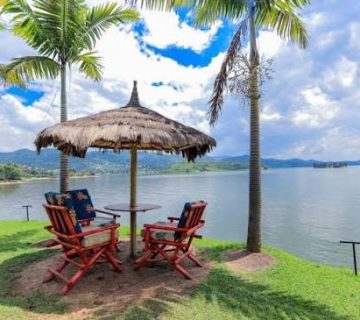
Visitors can enjoy waterfront restaurants, scenic viewpoints and carefully arranged boat experiences.
Beaches Around Bujumbura
Several established beach areas lie along Lake Tanganyika’s northern shoreline.
These locations provide opportunities for relaxation, photography and lakeside dining.
Some hotels maintain private waterfront facilities.
What Can Visitors Do?
Watch fishing boats moving across the lake.
Enjoy meals at lakeside restaurants.
Photograph sunset reflections.
Take guided shoreline walks.
Swimming requires caution because of changing water conditions, freshwater health risks and potentially dangerous wildlife in some areas.
Boat Trips on Lake Tanganyika
Boat excursions can provide attractive views of the shoreline and surrounding hills.
However, visitors should use experienced operators with suitable equipment.
Boat Safety
Every passenger should wear a properly fitted life jacket.
Avoid overcrowded vessels.
Do not travel during storms.
Confirm the route before departure.
Avoid unfamiliar waters close to international boundaries.
Rusizi National Park
Rusizi National Park protects wetlands near the mouth of the Rusizi River, where it enters Lake Tanganyika.
The area contains river channels, reeds and important wildlife habitats.
Wildlife to Look For
Visitors may encounter hippopotamuses, crocodiles and different waterbirds.
Birdwatching can be particularly rewarding around suitable wetland areas.
Wildlife sightings are never guaranteed.
Guided visits should be arranged through authorised operators, with security and access conditions confirmed beforehand.
The Livingstone–Stanley Monument
South of Bujumbura, the Livingstone–Stanley Monument at Mugere commemorates a visit by explorers David Livingstone and Henry Morton Stanley in November 1871.
The stone monument overlooks the Lake Tanganyika region.
Understanding Its History
The famous first meeting between Livingstone and Stanley actually occurred at Ujiji in present-day Tanzania.
The Burundi monument commemorates a later journey undertaken by the two explorers.
A guided visit can help distinguish these historical events.
Gitega: Burundi’s Political Capital
Gitega lies within Burundi’s central highlands.
It became the country’s political capital in 2019.
The surrounding region is known for its cultivated hills, traditional communities and cultural heritage.
Gitega is particularly important because of its proximity to Gishora Drum Sanctuary.
The Famous Gishora Drummers
Gishora Drum Sanctuary is one of Burundi’s most important cultural attractions.
Located approximately seven kilometres from central Gitega, the sanctuary preserves traditions associated with the country’s former monarchy.
Visitors can watch coordinated performances involving large ceremonial drums, energetic movements and traditional songs.
What Makes the Performance Special?
The drummers combine rhythm, strength and remarkable physical coordination.
Performers sometimes balance heavy drums on their heads while dancing.
The music represents a living tradition rather than a purely modern entertainment show.
The History of Burundi’s Royal Drums
Drumming held ceremonial importance within Burundi’s traditional monarchy.
Royal drums were associated with authority, important celebrations and communication.
Specialised drummers maintained performance knowledge across generations.
UNESCO Cultural Recognition
The ritual dance of the royal drum was inscribed on UNESCO’s Representative List of the Intangible Cultural Heritage of Humanity in 2014.
This recognition highlights its cultural significance and the importance of preserving traditional knowledge.
What Happens at Gishora Drum Sanctuary?
Visitors generally begin with an introduction to the sanctuary’s history.
A cultural guide explains the traditional instruments and their connection to royal ceremonies.
The drummers then perform coordinated routines.
What to Expect
| Experience | Description |
|---|---|
| Cultural introduction | History of royal drumming |
| Drum performance | Traditional rhythms and movement |
| Sanctuary visit | Historical ceremonial setting |
| Guide explanations | Meaning of instruments |
| Photography | Subject to permission |
| Visitor interaction | Depends on arrangements |
Performances should be booked in advance.
Meeting the Gishora Drummers
Meeting performers can provide deeper insight into the tradition.
Visitors may learn how drumming skills are taught and how the instruments are maintained.
Some experiences include opportunities to ask questions or participate in simple rhythm demonstrations.
Photography should be respectful, and performers should receive fair compensation.
Traditional Food in Burundi
Burundian cuisine reflects the country’s agricultural traditions.
Common ingredients include beans, cassava, bananas, sweet potatoes and vegetables.
Fresh fish is particularly popular around Lake Tanganyika.
Foods Worth Trying
| Food | Description |
|---|---|
| Ibiharage | Beans prepared in different styles |
| Ubugari | Thick staple accompaniment |
| Isombe | Cooked cassava leaves |
| Grilled fish | Popular lakeside meal |
| Sweet potatoes | Common local food |
| Brochettes | Grilled meat skewers |
Restaurants may serve both traditional and international dishes.
How to Reach Burundi
International travellers commonly arrive through Melchior Ndadaye International Airport in Bujumbura.
Road connections exist with neighbouring countries, but border arrangements can change.
As of October 2026, the Rwanda–Burundi land border is reported closed in current international travel guidance.
Travellers should not assume overland entry from Rwanda is possible.
Visas and Entry Requirements
Entry requirements depend on nationality.
Visitors should confirm whether they need a visa in advance or qualify for another authorised entry arrangement.
A valid passport is essential.
Yellow fever vaccination documentation may also be required.
Current travel guidance indicates that passengers entering or transiting Burundi must complete an online registration process before travelling.
Transport Within Burundi
Private vehicles with experienced local drivers are convenient for organised sightseeing.
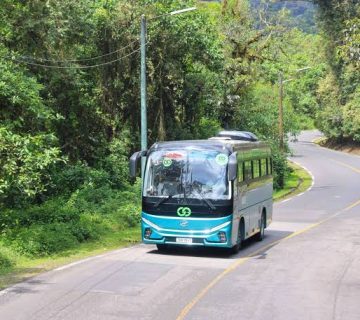
Public buses and minibuses operate between towns.
However, fuel shortages and transport interruptions can affect services.
Avoid unnecessary night driving.
Confirm road conditions before travelling between Bujumbura and Gitega.
Best Time to Visit Burundi
Burundi can be visited during different seasons.
June to September generally offers relatively dry conditions.
December to February may also provide convenient periods for outdoor activities.
Rainfall can affect rural roads and sightseeing arrangements.
Security and transport conditions should take priority over seasonal preferences.
Important Travel Safety Considerations
Burundi faces security challenges, particularly near parts of the DR Congo border.
As of October 2026, several international authorities advise against non-essential travel to Burundi or recommend avoiding specified border regions.
Visitors should review applicable government advisories, assess travel insurance coverage and obtain reliable local information before booking.
Suggested Four-Day Burundi Itinerary
Day One: Bujumbura
Arrive and settle into your accommodation.
Explore suitable city attractions and enjoy a lakeside meal.
Day Two: Lake Tanganyika
Visit an established waterfront area and arrange an authorised excursion.
Enjoy local food and scenic views.
Day Three: Gitega and Gishora
Travel to Gitega.
Visit Gishora Drum Sanctuary for a prearranged cultural performance.
Day Four: Return Journey
Explore suitable cultural attractions before returning to Bujumbura.
This itinerary should proceed only when security and transport conditions permit.
Responsible Tourism in Burundi
Respect local traditions and community privacy.
Support locally owned accommodation, guides and restaurants.
Avoid photographing military or security facilities.
Follow environmental guidelines around Lake Tanganyika.
Choose cultural experiences that fairly compensate performers.
Why Burundi Is Worth Discovering
Burundi offers a distinctive combination of cultural heritage, lakeside beauty and highland landscapes.
Bujumbura introduces travellers to urban life beside Lake Tanganyika, while Gitega provides access to the remarkable Gishora royal drummers.
For culturally curious travellers, these experiences reveal an important part of East Africa’s diversity.
With responsible planning, reliable local arrangements and careful attention to travel advisories, Burundi can offer meaningful encounters with its landscapes, communities and traditions.


No comment