
Rwanda’s Plastic Bag Ban: What to Pack Instead
Rwanda’s plastic bag ban is one of the country’s most recognised environmental policies and an important regulation for international travellers to understand before arriving. Rwanda prohibits plastic shopping bags and many single-use plastic products to reduce pollution, protect wildlife and maintain a cleaner environment.
For visitors planning gorilla trekking, Kigali city tours, Lake Kivu holidays or wildlife safaris, understanding these restrictions can prevent inconvenience at airports and border crossings. Ordinary plastic shopping bags should be replaced with reusable alternatives, while travellers should be careful about disposable packaging.
Fortunately, travelling without plastic bags is straightforward. Reusable shopping bags, fabric laundry sacks, waterproof pouches and refillable water bottles provide practical alternatives.
This guide explains Rwanda’s plastic restrictions, what visitors should avoid packing and how to prepare for an environmentally responsible holiday.
Why Did Rwanda Ban Plastic Bags?
Rwanda introduced its nationwide ban on polythene bags in 2008.
The government wanted to reduce environmental pollution caused by discarded plastic materials.
Plastic bags can accumulate in drainage channels, agricultural land, rivers and natural habitats.
Their lightweight nature allows them to travel long distances through wind and flowing water.
Environmental Problems Caused by Plastic
Discarded plastic can block drainage systems and contribute to flooding.
Animals may accidentally swallow plastic materials or become entangled in them.
Plastic waste can also damage landscapes and break down into smaller particles.
Reducing unnecessary plastic helps protect Rwanda’s ecosystems and public spaces.
When Did the Plastic Bag Ban Begin?
Rwanda’s original nationwide polythene bag ban was introduced through legislation enacted in 2008.
The regulations restricted the manufacture, importation, use and sale of plastic carry bags.
In 2019, Rwanda introduced broader legislation covering plastic shopping bags and additional single-use plastic items.
Important Dates
| Year | Development |
|---|---|
| 2008 | Nationwide polythene bag prohibition introduced |
| 2019 | Broader single-use plastics legislation enacted |
| 2019 onwards | Expanded controls and authorised exemptions |
| Today | Plastic carry bags and many disposable plastic items remain restricted |
These measures form part of Rwanda’s wider environmental management policies.
Which Plastic Items Are Banned?
Rwanda’s 2019 legislation prohibits manufacturing, importing, using and selling plastic carry bags and single-use plastic items, subject to authorised exceptions.
The restrictions cover more than ordinary supermarket bags.
Common Restricted Products
Disposable plastic shopping bags.
Plastic carrier bags used for groceries.
Single-use plastic drinking straws.
Disposable plastic cutlery.
Plastic stirrers.
Certain disposable cups and plates.
Single-use takeaway containers.
Other restricted disposable plastic packaging.
Some industrial packaging and specifically authorised products are treated differently under the regulations.
Are All Plastic Products Illegal?
No. Rwanda’s restrictions do not mean that every object containing plastic is automatically prohibited.
Durable personal belongings, electronic equipment and reusable products must be distinguished from prohibited disposable items.
Certain packaging materials may also qualify for exceptional authorisation.
Understanding the Difference
| Item | General guidance |
|---|---|
| Disposable shopping bag | Avoid bringing |
| Reusable cotton shopping bag | Suitable alternative |
| Fabric laundry sack | Suitable alternative |
| Durable travel suitcase | Generally suitable |
| Refillable drinking bottle | Practical alternative |
| Disposable plastic cutlery | Avoid bringing |
| Necessary medicine packaging | Check applicable requirements |
| Commercial plastic packaging | May require authorisation |
Visitors should confirm unusual items with the relevant authorities rather than assume every plastic product is permitted.
What Happens at Kigali International Airport?
Travellers arriving at Kigali International Airport may encounter customs inspections.
Airport authorities can check luggage for prohibited goods, including restricted plastic bags.
Visitors carrying ordinary disposable shopping bags may be asked to surrender them.
How to Prepare Before Arrival
Remove unnecessary plastic carrier bags before travelling.
Replace them with cloth or other permitted reusable bags.
Keep personal belongings organised inside your suitcase.
Avoid carrying duty-free purchases in disposable plastic shopping bags beyond the airport’s permitted arrangements.
Travellers should cooperate with customs officers and follow their instructions.
Are Plastic Bags Checked at Land Borders?
Rwanda also enforces import restrictions at its land borders.
Travellers entering from Uganda, Tanzania, Burundi or the Democratic Republic of Congo should avoid carrying prohibited plastic shopping bags.
Important Border Advice
Inspect your luggage before approaching the border.
Remove disposable bags used to carry clothing or snacks.
Use reusable alternatives.
Do not assume that products permitted in neighbouring countries can automatically enter Rwanda.
Border officials may inspect belongings according to customs procedures.
What Should Tourists Pack Instead?
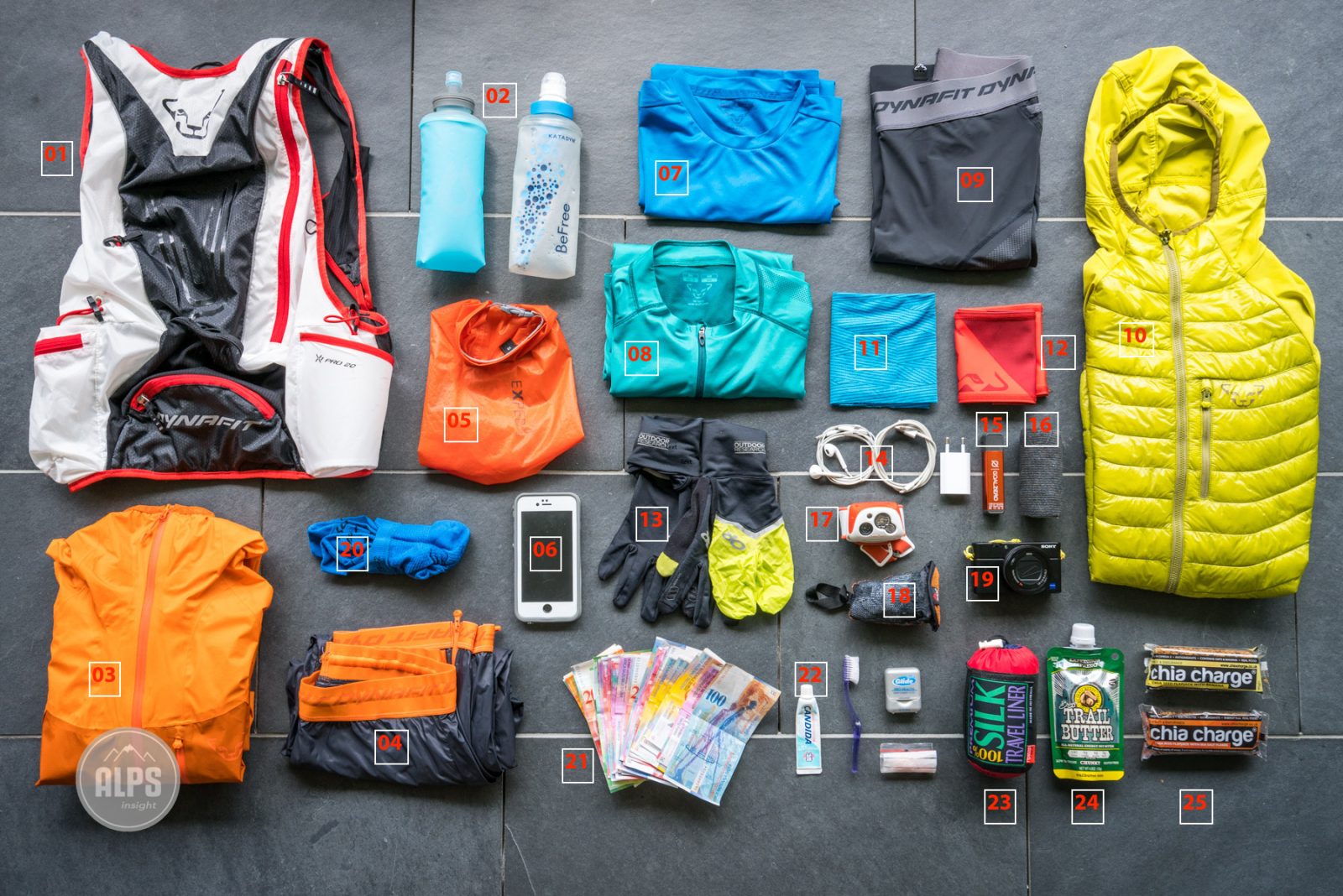
Packing reusable items helps visitors comply with the restrictions while reducing unnecessary waste.
Many alternatives are inexpensive, lightweight and easy to carry.
Plastic-Free Packing Alternatives
| Instead of | Pack this |
|---|---|
| Plastic shopping bags | Cotton shopping tote |
| Disposable laundry bags | Washable fabric laundry sack |
| Plastic carrier bags for shoes | Reusable shoe pouch |
| Disposable shopping packaging | Foldable reusable bag |
| Plastic drinking straws | Reusable straw, if needed |
| Disposable water bottles | Refillable drinking bottle |
| Single-use food containers | Durable reusable lunch container |
Choose materials that are easy to clean and suitable for repeated use.
Reusable Shopping Bags
A reusable shopping bag is among the most useful items for travellers visiting Rwanda.
Cotton, canvas and other durable fabric bags are suitable for everyday shopping.
They can hold souvenirs, clothing and groceries.
Why Carry a Foldable Tote?
A foldable bag takes little space inside a backpack.
Visitors can use it when shopping at Kimironko Market or purchasing gifts from local artisans.
It also reduces the need to request additional packaging.
One or two reusable bags are usually sufficient for an ordinary holiday.
Packing Toiletries Without Plastic Bags
Travellers often use disposable resealable bags to organise toiletries.
For Rwanda, reusable alternatives are preferable.
A washable toiletry pouch can hold toothpaste, soap and personal care items.
What About Airport Liquid Rules?
International airport security requirements may differ from Rwanda’s environmental restrictions.
Some airports require liquids to be presented in specified transparent packaging.
Check the requirements of your departure airport and airline.
When necessary, follow aviation security instructions and avoid carrying unnecessary disposable packaging into Rwanda.
Waterproof Alternatives for Safari Activities
Travellers visiting Rwanda’s national parks often need protection from rain and moisture.
Volcanoes National Park, particularly during gorilla trekking, can experience heavy rainfall.
Waterproof protection is therefore useful.
Recommended Safari Items
A durable waterproof backpack cover protects luggage.
Reusable water-resistant pouches can hold cameras and important documents.
A rain jacket provides protection without relying on disposable ponchos.
Choose equipment intended for repeated use rather than single-use products.
Laundry Bags and Clothing Organisation
Many travellers use plastic bags to separate dirty clothing from clean garments.
Fabric laundry sacks provide an effective alternative.
They are lightweight and suitable for repeated use.
Packing Clothes Efficiently
Use reusable packing cubes to organise clothing.
Carry a washable laundry bag.
Separate wet garments using a durable, reusable waterproof pouch where permitted.
Allow damp clothing to dry before storing it for long periods.
These practices keep luggage organised during multi-day journeys.
Refillable Water Bottles
Reducing disposable drinking bottles is another useful environmental practice.
A durable refillable bottle is suitable for city tours, vehicle journeys and hiking excursions.
However, travellers should refill bottles only with safe drinking water.
Staying Hydrated Safely
Use drinking water supplied by your hotel or an established safe-water source.
Do not drink untreated lake or river water.
Ask safari operators about safe refill facilities.
A reusable bottle is particularly useful during long journeys between Rwanda’s national parks.
Shopping in Kigali Without Plastic Bags
Kigali markets and supermarkets operate under Rwanda’s packaging restrictions.
Traders commonly use alternative packaging arrangements.
However, visitors should not assume every available package is equally environmentally friendly.
Shopping at Kimironko Market
Bring a reusable bag when buying fruit, clothing or souvenirs.
Ask vendors to avoid unnecessary wrapping.
For delicate products, request suitable permitted packaging.
Purchasing durable handmade items can also reduce waste associated with disposable souvenirs.
What About Plastic-Wrapped Food?
Some manufactured products use plastic packaging for hygiene, preservation or transport.
Rwanda’s regulations include provisions for exceptional authorisation and certain industrial packaging.
Therefore, visitors should not assume that every packaged food product is prohibited.
Practical Food Packing Advice
Avoid bringing unnecessary disposable food containers.
Choose products with minimal packaging where possible.
Carry snacks in reusable containers.
Follow applicable customs and food import rules.
Dispose of permitted packaging responsibly.
Can Visitors Be Fined?
Rwanda’s legislation provides administrative sanctions for prohibited plastic activities.
Penalties differ according to the offence, including manufacturing, importing, selling or improper disposal.
For importation, the law provides for confiscation and a fine calculated according to the value of prohibited goods.
What Tourists Should Understand
Do not assume a particular penalty applies automatically to every traveller.
Enforcement depends on the circumstances and applicable regulations.
The simplest approach is to avoid prohibited items altogether.
If customs officers identify restricted materials, cooperate and follow official procedures.
Plastic Waste and Rwanda’s Wildlife
Rwanda protects important wildlife habitats, including Volcanoes National Park, Akagera National Park and Nyungwe National Park.
Plastic waste can threaten animals and damage natural ecosystems.
Why Safari Travellers Should Care
Discarded packaging may enter forests, wetlands and grasslands.
Wildlife can encounter plastic waste around roads and settlements.
Keeping national parks clean reduces avoidable environmental pressure.
Visitors should carry all rubbish back to appropriate disposal facilities.
Umuganda and Environmental Responsibility
Rwanda’s monthly Umuganda community service programme supports public cleanliness and local development.
Residents participate in organised activities such as cleaning public spaces and maintaining drainage channels.
Although Umuganda and the plastic ban are separate policies, both contribute to Rwanda’s environmental approach.
Visitors can support these efforts by avoiding litter and respecting community spaces.
Can You Buy Reusable Bags in Rwanda?
Reusable bags are available from various shops, markets and craft businesses.
Visitors can purchase fabric shopping bags, woven baskets and locally produced accessories.
Supporting Local Craftspeople
Buying reusable products from local artisans can support small businesses.
Traditional woven baskets are also attractive souvenirs.
However, baskets are not always convenient substitutes for everyday shopping bags.
A washable fabric tote remains a practical choice.
Common Packing Mistakes
Some visitors assume that small disposable bags are exempt.
Others pack multiple plastic carrier bags for separating clothes.
Another mistake is believing that anything labelled biodegradable is automatically permitted.
Rwanda’s exemptions are specific and may require prior authorisation.
Travellers should not rely entirely on marketing descriptions printed on packaging.
A Simple Packing Checklist
Before travelling to Rwanda, check that you have:
A reusable shopping bag.
A washable laundry sack.
Durable toiletry organisers.
A refillable water bottle.
Reusable packing cubes.
A waterproof backpack cover.
Reusable food storage containers.
Suitable waste storage arrangements for hikes.
These items make travelling easier while helping reduce unnecessary disposable waste.
Why Rwanda’s Plastic Bag Ban Matters
Rwanda’s plastic bag ban demonstrates the country’s commitment to reducing environmental pollution.
The policy encourages residents, businesses and visitors to reconsider disposable packaging.
Although the restrictions require some preparation, most travellers can adapt easily by choosing reusable alternatives.
For visitors exploring Kigali, Volcanoes National Park, Lake Kivu or Akagera, responsible packing supports cleaner communities and healthier natural environments.
Understanding the rules before arrival makes travel smoother and contributes to the wider effort to protect Rwanda’s landscapes for future generations.






No comment