
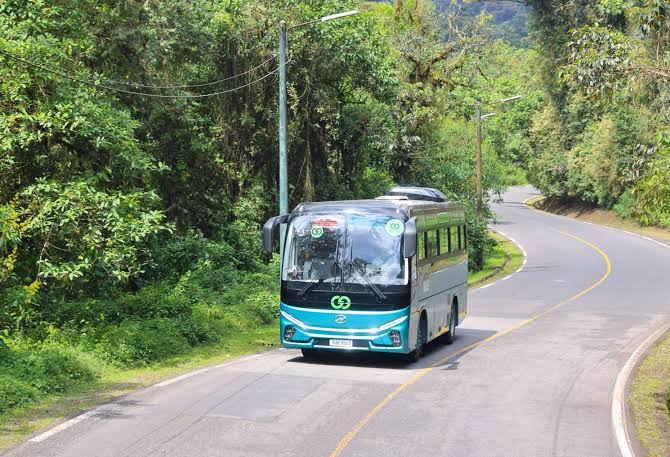
Getting Around Rwanda: Buses, Motos and the Tap and Go Card
Getting around Rwanda is relatively straightforward for travellers who understand the country’s public transport system. From Kigali’s affordable city buses and motorcycle taxis to comfortable intercity coaches, Rwanda offers several ways to explore its towns, cultural attractions and beautiful countryside.
One of the most useful services for visitors is the Tap and Go card, a cashless payment system used on Kigali’s public buses. Motorcycle taxis, commonly called motos, provide another convenient option for short journeys, while intercity buses connect Kigali with destinations such as Musanze, Huye, Rubavu and Rusizi.
Whether you are planning a Kigali city tour, visiting Volcanoes National Park or travelling towards Lake Kivu, choosing suitable transport can save money and make your journey more comfortable.
Understanding Rwanda’s Transport System
Rwanda has a developing transport network connecting major towns and rural communities.
Kigali has scheduled public buses, licensed motorcycle taxis and private taxi services.
Outside the capital, travellers commonly use intercity coaches, minibuses, motorcycles and private vehicles.
Main Transport Options in Rwanda
| Transport | Best for | Payment |
|---|---|---|
| Kigali city buses | Affordable urban travel | Tap and Go |
| Motorcycle taxis | Short journeys | Metered fare, cash or mobile payment |
| Private taxis | Families and luggage | Cash, mobile payment or app |
| Intercity buses | Travelling between towns | Operator ticketing |
| Car hire | Flexible sightseeing | Rental agreement |
| Safari vehicles | National parks | Prearranged package |
Kigali City Buses
Public buses are among the cheapest ways to explore Kigali.
They operate along established routes connecting residential neighbourhoods, commercial centres and transport terminals.
Major destinations include Nyabugogo, Kimironko, Remera, Nyanza and central Kigali.
How to Use a City Bus
Find the correct bus stop or terminal.
Confirm the route and destination before boarding.
Have your Tap and Go card ready.
Tap the card against the electronic validator when boarding, following any additional instructions displayed.
Wait for confirmation before taking your seat.
During busy periods, buses may become crowded, particularly when people travel to work or school.
What Is the Tap and Go Card?
Tap and Go, also written Tap&Go, is Rwanda’s electronic public transport payment system operated by AC Mobility.
Instead of handing cash to a conductor, passengers load money onto a card and use it to pay bus fares.
The system is particularly useful for residents and visitors making several journeys around Kigali.
Why Use Tap and Go?
The card reduces the need to carry small change.
Passengers can load transport money in advance.
Electronic payments also make fare collection easier to manage.
For tourists staying several days in Kigali, obtaining a card can simplify everyday transport.
Where to Buy a Tap and Go Card
As of October 2026, a new Tap and Go card costs RWF 1,000.
The card is sold without an initial travel balance, meaning passengers must add money before using it.
Authorised representatives sell cards at five major Kigali bus parks.
Tap and Go Purchase Locations
| Bus park | Location |
|---|---|
| Nyabugogo | Kigali’s main transport hub |
| Downtown | Central Kigali |
| Kimironko | Gasabo District |
| Kabuga | Eastern Kigali |
| Nyanza | Kigali’s southern transport area |
Ask an authorised agent for assistance with purchasing and registering the card.
How to Register Your Card
Registration helps protect your travel balance if the card becomes lost or damaged.
Passengers should complete registration through an authorised representative.
They can then dial *532# and follow the instructions to complete the additional registration process.
Keep a record of the card identifier.
This information may be required when requesting assistance or replacing a damaged card.
How to Top Up Tap and Go
Passengers can add money through authorised agents, the Tap and Go mobile application or supported mobile money services.
The current minimum top-up is RWF 100, while the maximum is RWF 50,000.
Step-by-Step Top-Up
Visit an authorised agent or open a supported payment service.
Provide or enter your card identifier.
Select the amount to load.
Confirm the transaction.
Check that the balance has been updated.
Mobile money top-ups may require 15–30 minutes to appear, so add funds before reaching the bus stop.
How Much Do Kigali Buses Cost?
Bus fares depend on the route and applicable transport tariffs.
Many ordinary journeys cost a few hundred Rwandan francs.
Longer routes may cost more.
Passengers should check the fare displayed on the bus validator or ask an authorised representative.
Avoid relying on old fare lists because transport tariffs can change.
Motorcycle Taxis: Understanding Motos
Motorcycle taxis are among Rwanda’s most convenient forms of transport.
Locally called motos, they are widely available in Kigali and many regional towns.
They are particularly useful for short journeys where bus routes are indirect.
Why Visitors Choose Motos
Motos can navigate city traffic and reach neighbourhood streets efficiently.
They are usually less expensive than private cars.
However, they are unsuitable for travellers carrying large suitcases or groups travelling together.
How Moto Fares Work
Kigali motorcycle taxis commonly use electronic fare meters.
Services such as Yego Moto provide metered journeys, allowing passengers to see the fare calculated during the trip.
Taking a Moto Safely
Confirm your destination before departure.
Wear the passenger helmet provided by the driver.
Secure the chin strap properly.
Check that the meter is operating.
Sit securely and avoid distracting the driver.
At the destination, confirm the displayed fare before paying.
Are Motorcycle Taxis Safe?
Licensed motos are widely used throughout Rwanda.
However, motorcycles carry greater injury risks than enclosed vehicles.
Visitors should choose responsible drivers and avoid travelling with anyone who appears reckless.
Important Safety Advice
Never ride without a properly fitted helmet.
Avoid carrying heavy luggage.
Do not use overcrowded motorcycles.
Consider a car during heavy rain or poor visibility.
Travellers uncomfortable with motorcycle transport should choose a taxi instead.
Private Taxis and Ride-Hailing
Private taxis provide greater comfort and convenience.
They are particularly suitable for airport transfers, business trips and families.
Kigali also has ride-hailing services, including Move and Yego.
Advantages of Private Taxis
Cars provide protection from rain.
They offer space for luggage.
Families can travel together.
Some booking services provide estimated fares before departure.
Confirm the payment method and final arrangements before travelling.
Travelling Between Rwanda’s Cities
Intercity buses connect Kigali with major regional destinations.
Nyabugogo is the capital’s principal long-distance bus terminal.
Travellers can find services towards Musanze, Huye, Rubavu, Rwamagana and other towns.
Popular Intercity Routes
| Route | Approximate travel time |
|---|---|
| Kigali–Musanze | 2–3 hours |
| Kigali–Huye | 2½–3½ hours |
| Kigali–Rubavu | 3–4 hours |
| Kigali–Rwamagana | 1–1½ hours |
| Kigali–Rusizi | 6–8 hours |
Travel times depend on traffic, road conditions and the selected service.
Booking Intercity Bus Tickets
Several companies operate scheduled intercity services.
Some sell tickets at bus terminals, while participating operators also support electronic booking.
Tap and Go provides digital ticketing services for numerous upcountry bus companies.
However, the Kigali city bus card should not be assumed to work as direct payment on every intercity coach.
Confirm the operator’s accepted payment method before departure.
Getting From Kigali Airport
Kigali International Airport is located at Kanombe, east of the city centre.
Visitors can arrange hotel transfers, taxis or ride-hailing services.
Public transport may be possible for some routes, although travelling with luggage can be inconvenient.
Airport Travel Tips
Arrange your transfer before arrival.
Confirm the driver’s meeting location.
Keep your accommodation address available.
Carry some Rwandan francs for small expenses.
Allow extra travelling time during major events or road restrictions.
Getting to Volcanoes National Park
Musanze is the main gateway to Volcanoes National Park.
Travellers can take an intercity bus from Kigali to Musanze.
However, gorilla trekking begins at designated park meeting points, commonly around Kinigi.
Public buses do not provide a complete door-to-door journey for these activities.
A private transfer or safari operator is generally more convenient.
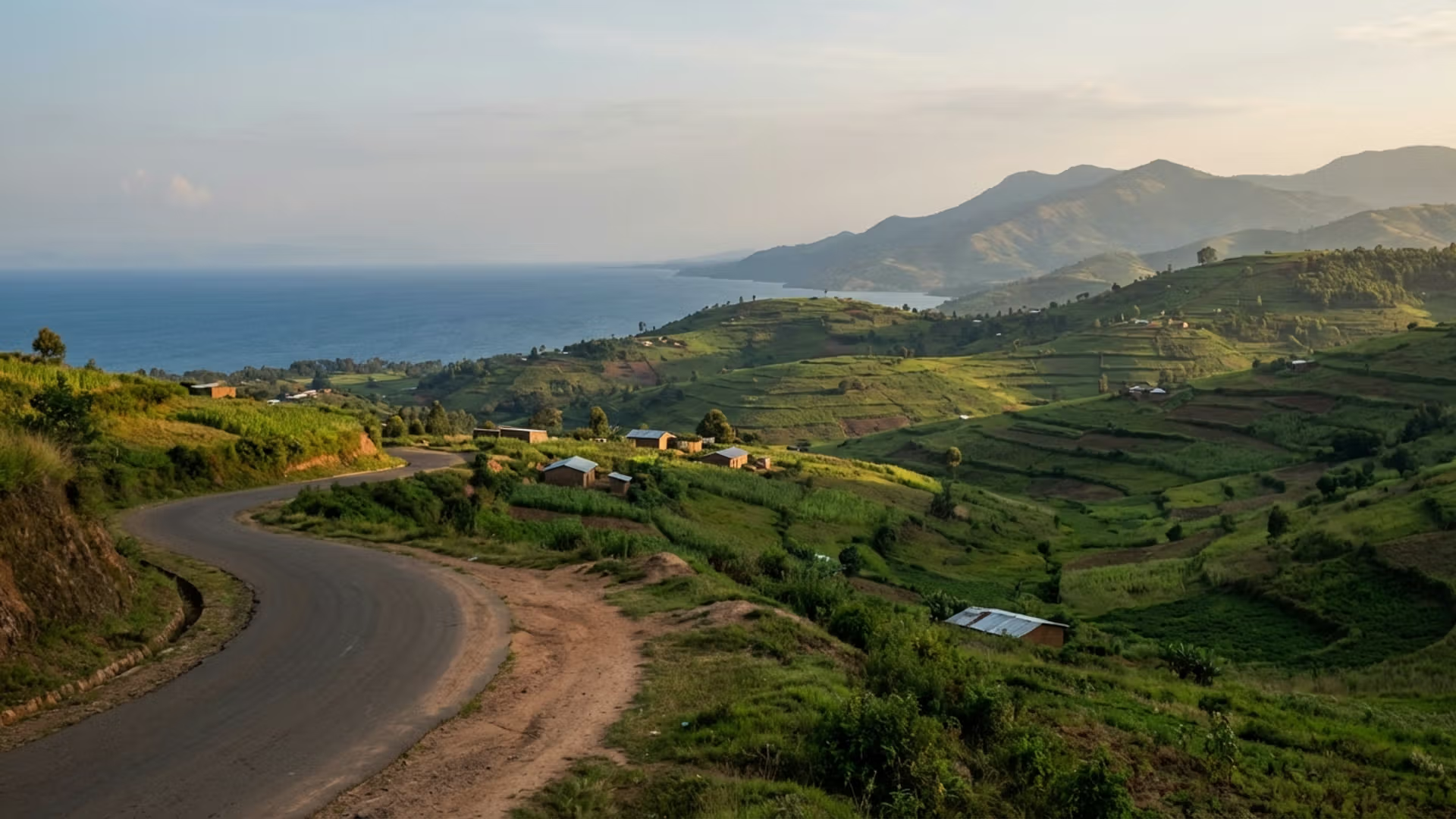
Getting to Lake Kivu
Lake Kivu is accessible through destinations such as Rubavu, Karongi and Rusizi.
Intercity buses provide economical transport to several lakeside towns.
However, individual lodges may be located away from the main bus terminal.
Visitors should arrange onward transport before arriving.
Car Hire and Self-Driving
Hiring a car provides flexibility for travellers exploring several destinations.
Drivers can stop for photographs, visit smaller towns and adjust their schedules.
However, driving requires familiarity with Rwanda’s traffic regulations.
Important Driving Considerations
Rwanda drives on the right-hand side.
Speed limits are enforced.
Drivers should carry valid documents.
A suitable vehicle may be needed for rough access roads.
National park game drives may require additional arrangements.
Walking Around Kigali
Walking is enjoyable in neighbourhoods with suitable pavements and pedestrian facilities.
Kigali’s hills can make short distances physically demanding.
Visitors should use designated crossings and remain attentive near busy roads.
Walking is particularly convenient for exploring cafés, markets and attractions within the same neighbourhood.
Transport During Umuganda
Umuganda takes place on the last Saturday of each month, normally between 8:00 am and 11:00 am.
Community activities can affect ordinary road movement and public transport.
Some essential services operate under special arrangements.
Visitors should confirm airport transfers and scheduled journeys in advance.
Money and Transport Payments
The Rwandan franc is the country’s official currency.
Cash remains useful for certain transport services.
Mobile money is widely used, while electronic card payments are important for Kigali buses.
Carry smaller denominations and confirm payment arrangements before travelling.
Common Transport Mistakes
First-time visitors sometimes underestimate journey times or assume that every bus accepts cash.
Others arrive at terminals without checking the correct departure point.
Avoid travelling without enough money on your Tap and Go card.
Do not assume an intercity ticket includes transport to a remote lodge.
Always confirm the last available service when planning evening journeys.
Choosing the Best Transport
For affordable travel around Kigali, public buses are practical.
For short journeys, motos offer convenience.
Private taxis are better for families and luggage.
Intercity buses suit travellers moving between major towns.
Safari vehicles remain the most convenient choice for remote wildlife destinations.
Why Understanding Rwanda’s Transport Matters
Rwanda’s transport network allows visitors to explore the country using different budgets and travel styles.
The Tap and Go card simplifies Kigali bus journeys, motos provide flexible local transport, and intercity coaches connect important destinations.
With advance planning, appropriate safety precautions and reliable transport arrangements, travellers can move between Rwanda’s cities, cultural attractions and national parks comfortably.





No comment