
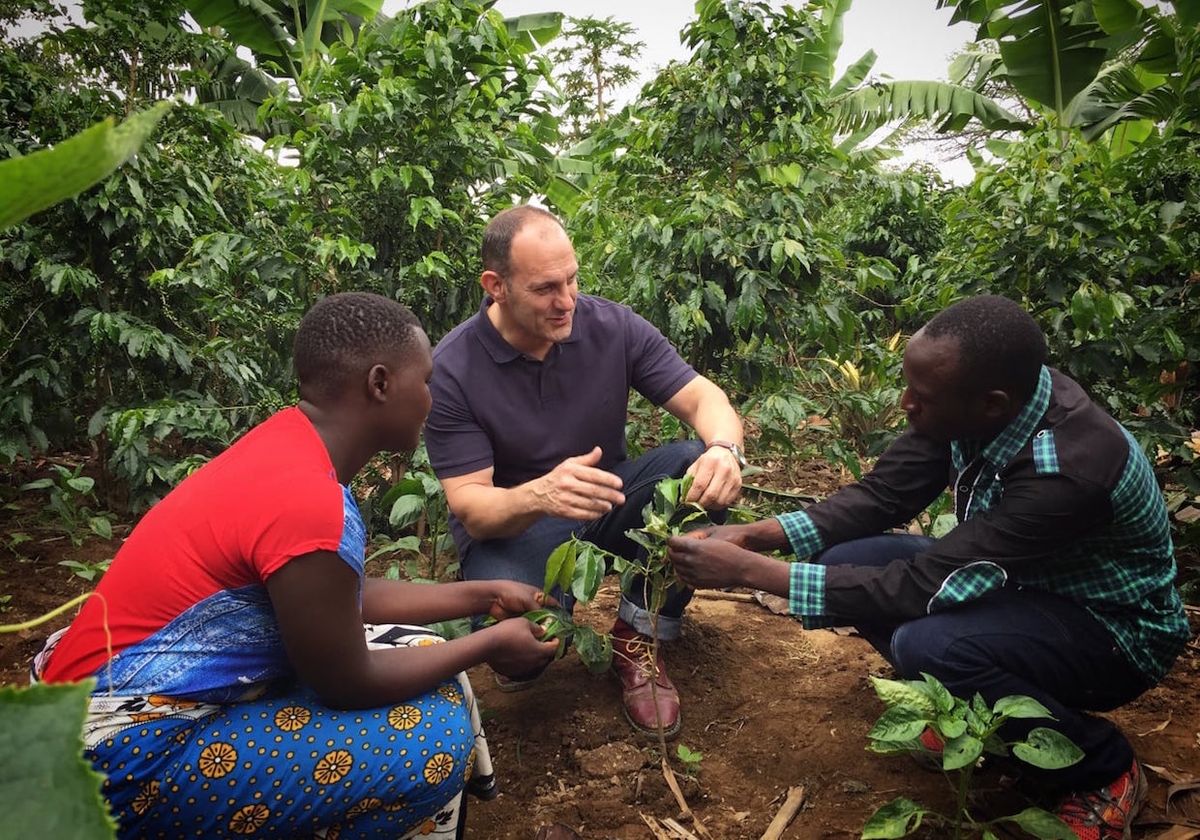
Kigali’s Coffee Culture: Where Rwandan Beans Are Roasted and Served
Kigali’s coffee culture has become one of Rwanda’s most enjoyable experiences for travellers interested in local flavours, welcoming cafés and the journey from coffee farms to freshly brewed cups. Across the capital, independent roasters, modern coffee shops and community-focused businesses serve high-quality Rwandan Arabica coffee.
Rwanda is internationally recognised for its speciality coffee, which grows mainly in highland areas with favourable rainfall, temperatures and soil conditions. Although much of the country’s coffee is exported, Kigali’s growing café scene allows visitors to taste locally roasted beans while learning about the farmers behind them.
From Question Coffee to Rubia Coffee Roasters, the city offers opportunities to enjoy espresso, cappuccino and carefully prepared filter coffee. Exploring these cafés provides a relaxing addition to Kigali city tours, cultural visits and Rwanda safari itineraries.
Why Rwanda Is Famous for Coffee
Coffee is among Rwanda’s most important agricultural exports.
Approximately 400,000 smallholder farming families participate in coffee production, making the industry important for rural employment and household income.
Arabica dominates production, particularly varieties belonging to the Bourbon group.
Rwanda’s highland climate supports the development of coffee cherries used to produce distinctive speciality beans.
What Makes Rwandan Coffee Special?
Rwandan coffee can offer bright acidity, natural sweetness and complex aromas.
Depending on the growing region and processing method, flavours may include citrus, berries, chocolate and floral notes.
These characteristics make Rwandan coffee popular with speciality roasters internationally.
However, not every coffee tastes identical. Harvest conditions, processing and roasting influence the final flavour.
Kigali’s Growing Coffee Scene
Kigali has developed a lively café culture, particularly around Kacyiru, Kimihurura, Gishushu and other commercial neighbourhoods.
Coffee shops attract students, professionals, travellers and residents seeking comfortable places to meet.
Some establishments specialise in locally roasted beans, while others combine coffee with food, art and social activities.
Quick Guide to Kigali Coffee Experiences
| Experience | What visitors can expect |
|---|---|
| Speciality cafés | Carefully brewed Rwandan coffee |
| Local roasteries | Freshly roasted coffee beans |
| Coffee tastings | Comparing aromas and flavours |
| Brewing workshops | Learning preparation techniques |
| Community cafés | Coffee linked to social enterprises |
| Coffee shopping | Packaged beans and souvenirs |
Question Coffee: Learning From Bean to Cup
Question Coffee is one of Kigali’s recognised speciality coffee destinations.
Its Coffee Centre is located in Gishushu, where visitors can enjoy freshly prepared drinks and learn about the coffee industry.
The business is particularly known for its involvement in programmes supporting women coffee farmers.
What Can Visitors Experience?
Question Coffee offers café services, coffee tours and educational activities.
Visitors may learn how beans are selected, roasted and prepared.
Tasting sessions can introduce different coffee characteristics.
The centre also provides opportunities to understand how coffee businesses connect farmers with consumers.
Advance arrangements are recommended for specialised workshops.
Rubia Coffee Roasters
Rubia Coffee Roasters is another established name in Kigali’s speciality coffee scene.
The café is known for serving carefully prepared espresso and filter coffee in a relaxed environment.
Its roasting approach highlights characteristics associated with different coffee origins and processing methods.
Why Visit Rubia?
Visitors can sample coffee prepared using different brewing techniques.
Baristas may explain roast levels, flavour profiles and preparation methods.
The café is suitable for travellers who want to explore coffee beyond an ordinary cappuccino.
Availability of particular beans changes according to roasting schedules and stock.
One Cup Roasters
One Cup Roasters provides another opportunity to explore locally roasted Rwandan coffee.
Its café on KG 599 Street serves drinks prepared from Rwandan Bourbon Arabica beans.
The business describes its coffee as roasted in-house.
What to Try
Visitors can enjoy espresso, cappuccino and pour-over coffee.
The café also provides a comfortable setting for informal meetings and relaxation.
For travellers interested in comparing different roasters, One Cup offers another useful stop within Kigali.
Other Coffee Shops Around Kigali
Kigali’s coffee culture extends beyond specialist roasteries.
Cafés throughout the city serve Rwandan coffee alongside pastries, breakfast and lunch.
Some emphasise a relaxed atmosphere, while others cater to professionals and students.
Choosing the Right Café
A speciality roastery is ideal for learning about beans and brewing methods.
A neighbourhood café may be better for a relaxed breakfast.
Visitors interested in working remotely should confirm internet availability and seating arrangements.
Opening hours and menus can change, so check details before travelling.
How Coffee Reaches Kigali
Most Rwandan coffee begins its journey on small farms outside the capital.
Farmers harvest ripe cherries and deliver them to washing stations or other processing facilities.
The beans undergo several stages before reaching roasters.
From Farm to Cup
| Stage | What happens |
|---|---|
| Growing | Coffee trees develop cherries |
| Harvesting | Ripe cherries are picked |
| Processing | Fruit and moisture are removed |
| Drying | Beans reach suitable moisture levels |
| Grading | Coffee is assessed and sorted |
| Roasting | Heat develops aroma and flavour |
| Brewing | Ground coffee is prepared for drinking |
Each stage contributes to the quality of the final cup.
Understanding Coffee Washing Stations
Coffee washing stations are important to Rwanda’s speciality coffee industry.
Farmers deliver freshly harvested cherries to facilities where they are processed.
In washed processing, the outer fruit is removed before controlled fermentation, washing and drying.
Why Processing Matters
Careful processing can improve consistency and help preserve desirable flavours.
Poor handling may damage quality.
Washing stations also create employment and provide markets for coffee farmers.
Visitors interested in agricultural tourism can arrange visits to suitable facilities outside Kigali.
How Coffee Is Roasted
Roasting transforms green coffee beans into the aromatic brown beans used for brewing.
During roasting, heat causes chemical changes that develop flavour and aroma.
Different roast profiles produce different drinking experiences.
Light, Medium and Dark Roasts
Light roast: Often highlights acidity and delicate fruit characteristics.
Medium roast: Can balance sweetness, acidity and roasted flavours.
Dark roast: Usually produces stronger roasted notes and reduced perception of some delicate origin characteristics.
Visitors should ask baristas which roast best suits their preferred flavour.
Coffee Brewing Methods in Kigali
Speciality cafés may offer several preparation methods.
Espresso uses pressure to extract concentrated coffee.
Pour-over brewing passes hot water through coffee grounds and a paper filter.
French press brewing allows coffee grounds to steep before separation.
Which Brewing Method Should You Choose?
| Brewing method | General character |
|---|---|
| Espresso | Concentrated and intense |
| Cappuccino | Espresso with steamed milk |
| Pour-over | Clear and aromatic |
| French press | Richer body |
| Americano | Diluted espresso |
| Cold brew | Smooth, chilled coffee |
Trying different methods helps visitors understand how preparation affects flavour.
Coffee Tasting Experiences
Coffee tasting, sometimes called cupping, involves examining aroma, flavour, acidity, sweetness and body.
Professional tasters use structured procedures to compare different coffees.
Visitors can enjoy simplified tasting experiences without specialist knowledge.
What Should You Notice?
Begin by smelling the coffee.
Take a small sip and consider whether it tastes fruity, sweet, floral or chocolate-like.
Notice its texture and the flavour remaining afterwards.
Comparing two coffees can reveal surprising differences.
Women in Rwanda’s Coffee Industry
Women play important roles in Rwanda’s coffee production, processing and hospitality businesses.
Some cooperatives and social enterprises provide training and employment opportunities specifically for women.
Question Coffee is associated with initiatives supporting women coffee farmers.
Why These Initiatives Matter
Training can help farmers improve coffee quality and business skills.
Better market connections may strengthen income opportunities.
Visitors interested in responsible tourism can support businesses that demonstrate transparent relationships with producers.
Buying Rwandan Coffee to Take Home
Freshly roasted coffee makes a practical Rwanda souvenir.
Many Kigali roasters sell packaged beans suitable for travelling.
Buyers can choose whole beans or ground coffee.
Shopping Advice
Look for the roasting date.
Ask about the coffee’s growing region.
Choose appropriate packaging.
Whole beans generally retain freshness longer than pre-ground coffee.
Store coffee away from heat, moisture and direct sunlight.
Best Time to Explore Kigali’s Cafés
Coffee shops operate throughout the year.
Morning visits are convenient for breakfast and freshly brewed drinks.
Late morning can provide a quieter atmosphere for tasting sessions.
Some establishments become busier during lunch and after-work hours.
Travellers planning educational experiences should reserve ahead.
Suggested Kigali Coffee Tour
Morning: Begin at Question Coffee for breakfast and an introduction to Rwandan beans.
Late Morning: Visit a speciality roastery to compare espresso and filter coffee.
Afternoon: Explore another neighbourhood café and purchase packaged beans.
Travellers can combine this experience with a local market or cultural attraction.
Responsible Coffee Tourism
Responsible coffee tourism recognises the work involved in producing each cup.
Visitors can support locally owned roasters and businesses purchasing from identifiable producer groups.
Ask where beans originate and how farmers participate in the supply chain.
Respect roasting facilities and follow workshop instructions.
Supporting quality-focused producers helps encourage the continued development of Rwanda’s coffee industry.
Why Kigali’s Coffee Culture Is Worth Exploring
Kigali offers more than ordinary café experiences.
Its speciality roasters connect visitors with Rwanda’s agricultural heritage, skilled baristas and emerging coffee entrepreneurs.
Exploring different cafés allows travellers to taste fresh Bourbon Arabica, discover roasting techniques and learn about the people producing the beans.
Whether enjoying an espresso before sightseeing or attending a guided coffee tasting, Kigali’s coffee culture provides a memorable introduction to Rwanda’s flavours, communities and growing creative economy.





No comment