
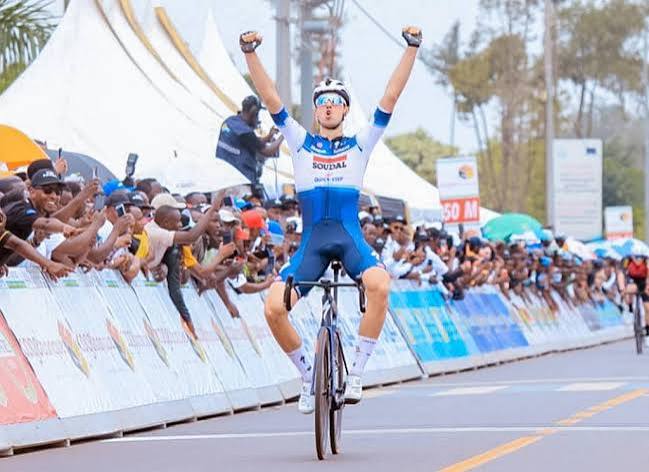
Tour du Rwanda: How to Watch the Race and Plan Around Road Closures
Tour du Rwanda is one of Africa’s most exciting professional cycling competitions, attracting international riders, enthusiastic spectators and thousands of visitors to Rwanda’s beautiful roads. The race travels through mountain landscapes, busy towns and rural communities, creating a colourful celebration of sport, tourism and national pride.
For travellers visiting Rwanda during the competition, watching the cyclists race through winding hills can be unforgettable. However, Tour du Rwanda also brings temporary road closures, transport delays and changes to ordinary sightseeing schedules.
Whether staying in Kigali, Musanze, Huye or Rubavu, understanding the race route and planning transport carefully helps visitors enjoy the event without disrupting their Rwanda safari.
What Is Tour du Rwanda?
Tour du Rwanda is an annual professional road cycling competition featuring teams from Africa and other parts of the world.
First organised in 1988, it has developed into an internationally recognised race.
The competition is classified by the Union Cycliste Internationale, the sport’s international governing body, as a UCI 2.1 event.
Quick Facts About Tour du Rwanda
| Feature | Description |
|---|---|
| Country | Rwanda |
| Sport | Professional road cycling |
| First organised | 1988 |
| Usual season | February–March |
| Race format | Multiple stages |
| International classification | UCI 2.1 |
| Common destinations | Kigali, Musanze, Huye and Rubavu |
| Main attractions | Mountain climbs and sprint finishes |
| Spectator access | Generally free along public roads |
| Travel consideration | Temporary road closures |
When Does Tour du Rwanda Take Place?
Tour du Rwanda usually takes place in February, sometimes extending into early March.
The 2026 edition ran from 22 February to 1 March, featuring eight stages across the country.
Future race dates, routes and starting times should always be confirmed through official announcements.
Why Dates Matter for Travellers
The competition changes locations as riders complete each stage.
A road affected on Monday may operate normally the following day.
However, roads used for city circuits can experience longer restrictions.
Travellers should check the stage scheduled for their destination before arranging transport.
Understanding the Race Stages
Tour du Rwanda normally consists of several stages completed over consecutive days.
Each stage follows a planned route with a designated starting and finishing location.
Some stages connect different towns, while others use circuits around a city.
Types of Race Stages
Mountain stages: Riders tackle steep climbs that test endurance.
Flat and rolling stages: Teams compete across varied terrain, sometimes finishing in group sprints.
Circuit stages: Cyclists complete several laps around a designated route.
Final stage: The competition concludes with the overall winner determined by accumulated race times.
Where Can You Watch Tour du Rwanda?
Spectators gather along public roads, mountain climbs and official finishing areas.
The best location depends on whether visitors want to see riders climbing, sprinting or crossing the finish line.
Popular Spectator Locations
| Location | What makes it interesting |
|---|---|
| Kigali | Urban racing atmosphere |
| Musanze | Mountain scenery and enthusiastic crowds |
| Huye | University town atmosphere |
| Rubavu | Lake Kivu setting |
| Karongi | Scenic hillside roads |
| Rwamagana | Eastern Rwanda landscapes |
| Nyamata | Accessible southern routes |
Not every destination appears in every edition.
Always confirm the published route.
Watching the Race in Kigali
Kigali offers an energetic atmosphere during Tour du Rwanda.
Thousands of spectators may gather near important roads and designated finishing areas.
The city’s hills create demanding cycling conditions.
Finding a Good Viewing Position
Arrive before roads close.
Choose an authorised pedestrian viewing area.
Avoid standing immediately beside sharp corners.
Keep children away from the carriageway.
The finish line can be exciting, but popular viewing positions become crowded.
Watching Mountain Climbs
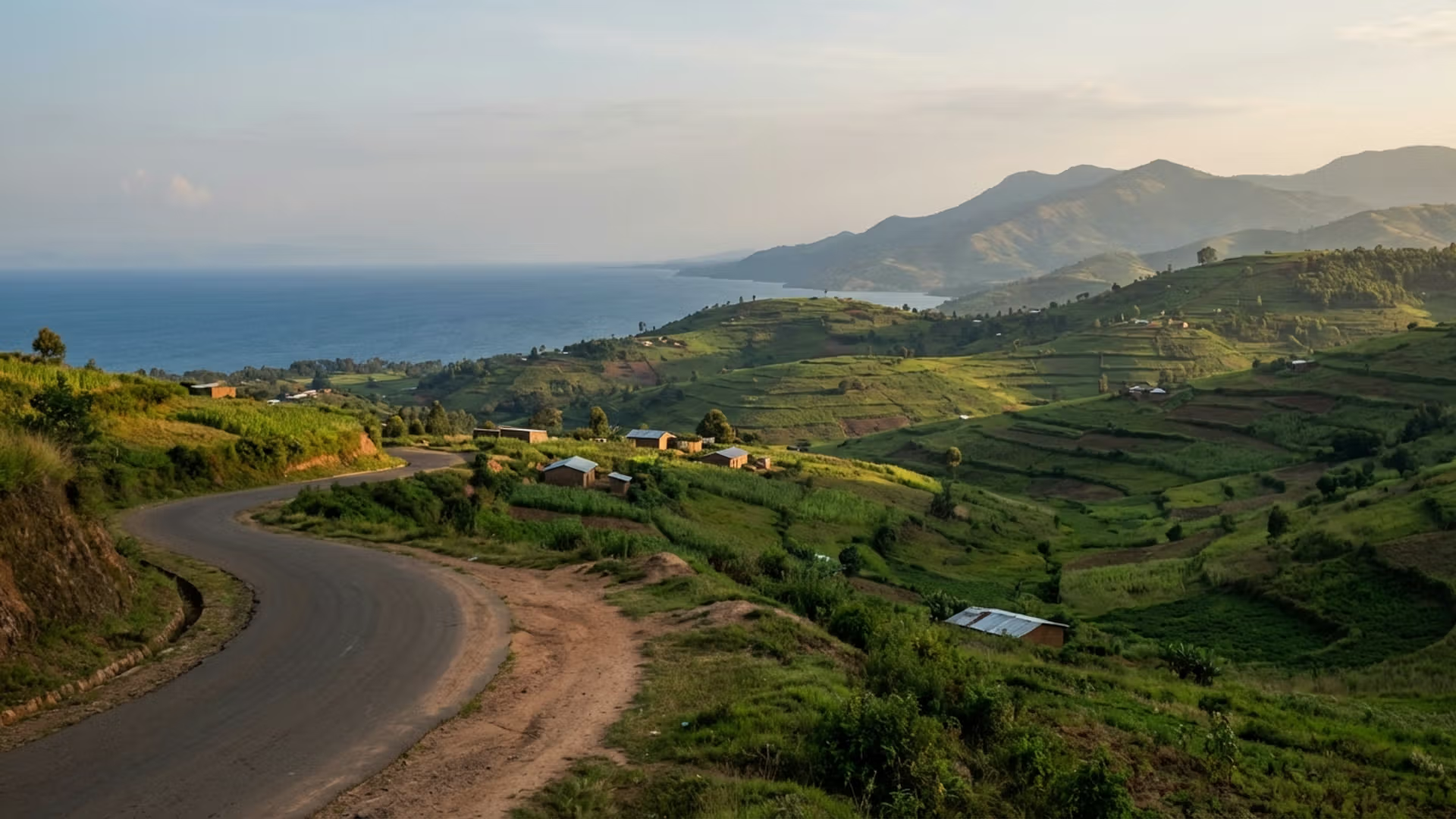
Rwanda’s mountainous landscape is one of the race’s defining features.
Climbs often provide excellent opportunities to observe individual riders.
Cyclists generally travel more slowly uphill than on descending sections.
Why Mountain Viewpoints Are Popular
Spectators can watch the effort involved in professional climbing.
The surrounding landscape also provides attractive photography opportunities.
However, mountain roads may have narrow shoulders and limited safe parking.
Choose an approved location before the race convoy arrives.
Road Closures During Tour du Rwanda
Temporary road closures are necessary to protect riders, officials and spectators.
Police may restrict traffic along the stage route before the cyclists arrive.
Roads normally reopen after the racing convoy has passed and officials confirm that movement is safe.
How Closures Affect Travel
| Travel activity | Possible disruption |
|---|---|
| Airport transfers | Delays on affected routes |
| City taxis | Diversions and longer journeys |
| Safari transfers | Temporary highway closures |
| Hotel access | Restricted vehicle movement |
| Deliveries | Delayed arrival |
| Sightseeing | Changes to visiting schedules |
Closure times depend on the stage and location.
How Long Do Roads Remain Closed?
There is no single closure duration for every Tour du Rwanda road.
Some roads reopen relatively quickly after the cyclists pass.
Others remain restricted longer because of repeated laps, security arrangements or finishing activities.
Important Planning Advice
Do not assume a road will reopen immediately after the first riders pass.
Support vehicles, race officials and other riders may still be approaching.
Wait until traffic police confirm that the road is open.
Where to Find Road Closure Information
Rwanda National Police announces traffic arrangements before and during major sporting events.
Race organisers also publish stage routes and starting times.
Hotels and transport companies may receive local traffic updates.
What Should You Check?
Confirm the race date and route.
Identify roads near your accommodation.
Ask whether your airport transfer will be affected.
Confirm possible alternative roads.
Check for updates on the morning of travel.
Avoid relying on old closure notices from previous editions.
Planning Airport Transfers
Kigali International Airport remains an important arrival point for visitors.
Although the airport continues operating during the race, connecting road journeys may be affected.
Practical Airport Advice
Arrange transport through a reliable operator.
Provide your flight number and arrival time.
Ask the driver to check police traffic instructions.
Leave additional travel time.
Travellers with important flights should avoid unnecessary sightseeing before departure.
Tour du Rwanda and Gorilla Trekking
Mountain gorilla trekking in Volcanoes National Park requires early arrival at the designated meeting point.
Tour du Rwanda stages sometimes pass through Musanze and surrounding roads.
Avoiding Missed Trekking Briefings
Stay near Kinigi when an early departure is essential.
Check whether the race affects the road between your accommodation and the park.
Confirm transport arrangements with your safari operator.
Never assume that a gorilla trekking permit allows unrestricted passage through a closed road.
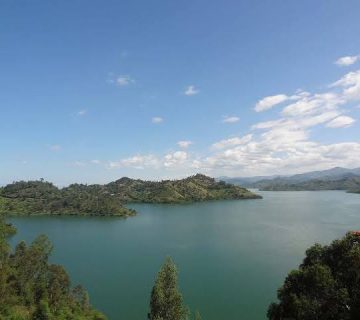
Visiting Lake Kivu During the Race
Rubavu and Karongi occasionally host race stages.
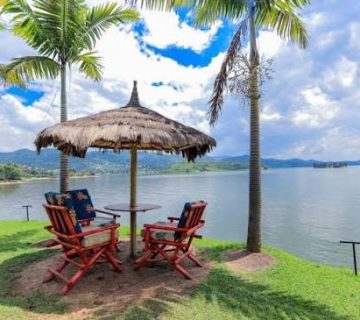
These destinations are popular for lakeside relaxation, boat trips and accommodation.
A race passing through town can create a lively atmosphere.
However, access to selected roads and lakeside properties may be temporarily restricted.
Visitors should confirm arrival arrangements before travelling.
Can You Watch the Race for Free?
Spectators can generally watch Tour du Rwanda from authorised public roadside locations without purchasing tickets.
However, special hospitality areas or organised spectator experiences may have separate arrangements.
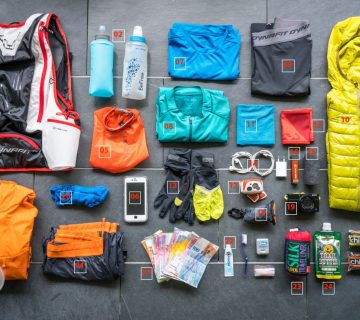
What to Bring
Drinking water.
Comfortable walking shoes.
Sun protection.
Lightweight rain jacket.
Fully charged phone.
Small backpack.
Camera.
Identification document.
Avoid carrying unnecessary valuables into crowded areas.
Understanding the Cycling Jerseys
Professional cycling races award jerseys to riders leading different classifications.
Common Race Classifications
| Jersey or classification | Meaning |
|---|---|
| General classification | Fastest accumulated overall time |
| Points classification | Performance in points competitions |
| Mountains classification | Results on designated climbs |
| Best young rider | Leading eligible younger cyclist |
| Best African rider | Leading qualifying African cyclist |
| Team classification | Combined team performance |
Jersey colours and sponsored categories can vary between editions.
Spectator Safety Rules
Tour du Rwanda is a high-speed professional competition.
Spectators must follow police instructions and remain outside restricted areas.
Important Safety Guidelines
Never run alongside cyclists.
Do not cross the road while riders approach.
Avoid touching competitors.
Do not hand objects or water to moving riders.
Keep pets and children away from the route.
Do not stand in dangerous positions on corners or descents.
Responsible spectators help protect everyone involved.
Photographing Tour du Rwanda
The race provides exciting photography opportunities.
Cyclists passing through mountain landscapes create dynamic images.
City finishes capture crowds, teamwork and competitive moments.
Photography Tips
Use a fast shutter speed for moving cyclists.
Photograph from behind barriers or other permitted areas.
Avoid stepping onto the road.
Do not use drones without the required authorisation.
A slightly elevated, safe viewing position can provide attractive images without interfering with the race.
What Happens When the Race Reaches Your Town?
The arrival of Tour du Rwanda can attract large crowds.
Local businesses may experience increased demand for food, accommodation and refreshments.
Hotels near stage finishing points can become busy.
Some restaurants and shops may adjust their opening arrangements.
Booking accommodation early is advisable when your visit coincides with a major stage.
Suggested Race-Day Itinerary
Early Morning: Check the route and road restrictions. Have breakfast before leaving your accommodation.
Before the Race: Reach your selected viewing position while access remains permitted.
During the Race: Watch the cyclists and support vehicles from a safe location.
After the Race: Allow the convoy and crowds to clear before travelling.
Evening: Enjoy a restaurant visit or another activity away from restricted roads.
Combining Cycling With Rwanda Sightseeing
Tour du Rwanda can complement a wider Rwanda holiday.
Visitors may explore Kigali’s cultural attractions, Lake Kivu, Volcanoes National Park or southern Rwanda’s museums.
However, activities should be arranged around the race rather than immediately before or after uncertain road reopening times.
Why Tour du Rwanda Is Worth Watching
Tour du Rwanda combines professional sport with Rwanda’s spectacular landscapes and enthusiastic communities.
The mountain climbs, colourful cycling teams and roadside celebrations create a memorable visitor experience.
For travellers, the event provides an opportunity to discover Rwanda’s sporting culture while exploring different regions.
Careful preparation is essential because temporary road closures can affect transport and sightseeing.
By checking official routes, arranging reliable transfers and following safety instructions, visitors can enjoy Tour du Rwanda while keeping their travel plans organised.

No comment