
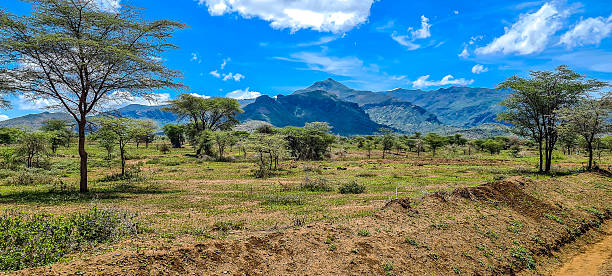
Mount Moroto and the Karamoja Escarpment: Hiking With Local Guides
Mount Moroto and the Karamoja Escarpment offer some of Uganda’s most rewarding hiking experiences for travellers who enjoy mountains, cultural encounters and remote landscapes. Located in northeastern Uganda, Mount Moroto rises above the surrounding savannah, creating dramatic scenery of rocky ridges, forested slopes and wide plains stretching towards the Kenyan border.
Unlike popular trekking destinations such as the Rwenzori Mountains, Mount Moroto receives relatively few international visitors. Its trails pass through traditional villages, cultivated hillsides, dry woodland and mountain vegetation. Local guides introduce hikers to the landscape while sharing knowledge about the communities who have lived around the mountain for generations.
For adventurous travellers exploring Karamoja, hiking Mount Moroto provides an opportunity to experience Uganda beyond its famous gorilla forests and national parks.
Where Is Mount Moroto Located?
Mount Moroto stands beside Moroto town in Uganda’s Karamoja Region, close to the Kenyan border.
The mountain reaches approximately 3,083 metres above sea level, making it one of the highest mountains in northeastern Uganda.
It forms part of an ancient volcanic landscape characterised by steep slopes, rocky formations and mountain forests.
Quick Facts About Mount Moroto
| Feature | Description |
|---|---|
| Country | Uganda |
| Region | Karamoja |
| District | Moroto |
| Elevation | Approximately 3,083 metres |
| Mountain type | Ancient volcanic massif |
| Main gateway | Moroto town |
| Main activities | Hiking, camping and cultural walks |
| Hiking difficulty | Moderate to challenging |
| Recommended duration | One to three days |
| Local communities | Tepeth and Karimojong |
What Makes Mount Moroto Special?
Mount Moroto offers a combination of natural scenery and cultural heritage.
Its lower slopes contain farmland, settlements and dry vegetation, while higher elevations support cooler mountain habitats.
As hikers climb, the surrounding plains become increasingly visible.
On clear days, visitors can enjoy extensive views towards other Karamoja mountains and the borderlands of Kenya.
The mountain is also important to the Tepeth, sometimes called So, communities whose history is closely connected to its slopes.
This relationship between people and landscape makes local guiding particularly valuable.
Understanding the Karamoja Escarpment
Karamoja’s eastern landscape contains rugged highlands, escarpments and ancient volcanic mountains.
These elevated formations contrast sharply with the surrounding plains.
Mount Moroto, Mount Kadam and Mount Napak are among the region’s prominent mountain landmarks.
Why the Landscape Is Different
Much of Karamoja experiences a relatively dry climate compared with Uganda’s western forest regions.
Vegetation includes thorny shrubs, grasslands and woodland.
Higher mountain slopes can support different plant communities because of changes in elevation, temperature and rainfall.
These variations create interesting walking environments within relatively short distances.
Hiking Mount Moroto With Local Guides
Local guides are essential for organising a rewarding Mount Moroto hike.
They understand the mountain’s footpaths, weather conditions and surrounding communities.
Some routes cross traditional settlement areas where visitors should seek permission before entering.
Why Hire a Local Guide?
Experienced guides assist with navigation and safety.
They can explain local plants, wildlife and the mountain’s cultural importance.
They also help arrange porters, camping equipment and suitable walking routes.
Hiring local guides creates employment opportunities and allows tourism benefits to reach communities living near the mountain.
Visitors should choose established operators who work respectfully with residents.
Short Walks on the Lower Slopes
Not every visitor needs to climb Mount Moroto’s highest summit.
Short guided walks on the lower slopes provide rewarding views without requiring an overnight expedition.
These routes may pass through farmland, rocky paths and traditional villages.
Who Should Choose a Short Hike?
Short walks are suitable for travellers with limited time or moderate fitness.
They also appeal to photographers interested in landscapes and community life.
A half-day excursion may provide enough time to appreciate the mountain’s scenery.
However, even shorter walks can involve steep sections and strong sunshine.
Full-Day Hiking Experiences
Travellers seeking a greater challenge can arrange longer mountain walks.
These routes climb towards higher ridges, offering increasingly impressive views.
The terrain becomes steeper and rockier as elevation increases.
What to Expect
A full-day hike may involve several hours of climbing and descending.
Hikers should start early to avoid the strongest midday heat.
Some sections require careful footing over loose stones and exposed rock.
Adequate fitness, drinking water and appropriate footwear are important.
The actual route should be selected according to weather conditions and the group’s ability.
Overnight Hiking and Camping
Mount Moroto also offers opportunities for multi-day trekking.
Overnight routes allow visitors to explore higher mountain habitats and enjoy sunrise views from elevated campsites.
Camping arrangements should be organised in advance.
Why Spend a Night on the Mountain?
An overnight trek provides more time for walking without rushing.
Visitors may observe changing vegetation and enjoy quieter mountain surroundings.
Camping also allows hikers to experience cooler temperatures at higher elevations.
However, overnight trips require suitable equipment, experienced guides and sufficient food and water.
Reaching Mount Moroto’s Summit
The mountain’s highest point is commonly identified as Sokodek Peak, at approximately 3,083 metres.
Reaching the upper mountain requires considerable physical effort.
Some routes involve long ascents, steep sections and scrambling over rocks.
Is Technical Climbing Required?
Ordinary hiking routes generally do not require specialist mountaineering equipment.
However, difficult sections may require hands for balance.
Weather conditions can make exposed rocks slippery.
Visitors should never attempt unfamiliar summit routes without experienced local guides.
Not every traveller needs to reach the summit to enjoy the mountain.
The Tepeth Communities of Mount Moroto
The Tepeth are among the communities traditionally associated with Mount Moroto’s highland settlements.
Their history, language and livelihoods form an important part of the region’s cultural landscape.
Many households practise farming and livestock keeping.
Cultural Visits With Local Guides
Arranged community walks may introduce visitors to agricultural activities, traditional homes and local history.
Such experiences should involve willing participants.
Visitors should ask permission before photographing residents or entering private compounds.
Respectful tourism recognises that these communities are living societies rather than cultural displays.
Wildlife Around Mount Moroto
Mount Moroto supports wildlife associated with dry woodland, grassland and mountain habitats.
Visitors may encounter smaller mammals, reptiles and various bird species.
Larger wildlife is generally difficult to observe during ordinary hiking excursions.
Birdwatching Opportunities
Birdwatchers may encounter hornbills, sunbirds, weavers, raptors and other species suited to the region’s varied habitats.
Some birds occupy wooded slopes, while others prefer open grassland.
Early morning walks are particularly rewarding.
Binoculars can help identify birds moving through the vegetation.
Best Time to Hike Mount Moroto
Mount Moroto can be visited during different seasons.
However, relatively dry months generally provide better hiking conditions.
December to February and June to August are often convenient periods.
Hiking During Rainy Weather
Rainfall can make rocky trails slippery.
Some mountain paths may become muddy or difficult to follow.
Cloud cover can also reduce visibility.
Hikers should obtain current weather information and follow local advice before attempting longer routes.
What to Pack for Mount Moroto
The correct equipment depends on hiking duration and route difficulty.
For ordinary day hikes, travellers should carry:
Hiking boots with good grip.
Lightweight long trousers.
Sun protection and a hat.
Sufficient drinking water.
Energy snacks and packed food.
A rain jacket.
A small first-aid kit.
A camera and binoculars.
A lightweight backpack.
Overnight hikers should also arrange suitable camping equipment and warm clothing.
How to Reach Mount Moroto
Travellers commonly reach Moroto town by road from Kampala through eastern Uganda.
Routes may pass through Jinja, Mbale and other northeastern towns.
The journey is lengthy and depends on road conditions.
Moroto provides accommodation and services for travellers preparing to hike.
Transport Advice
A reliable vehicle is recommended for regional travel.
Some trailheads are reached using rough access roads.
Visitors should confirm transport arrangements before departure.
Hiring a local operator can simplify accommodation, guiding and equipment arrangements.
Accommodation in Moroto
Moroto town provides a selection of guesthouses, hotels and tourism accommodation.
Some properties specialise in cultural experiences and outdoor activities.
Visitors can also arrange camping through established hiking operators.
Accommodation Choices
| Accommodation type | Suitable travellers |
|---|---|
| Town guesthouses | Budget-conscious visitors |
| Small hotels | Travellers wanting private rooms |
| Cultural tourism accommodation | Visitors seeking local experiences |
| Mountain camping | Experienced hikers and adventure groups |
Accommodation should be reserved before travelling, especially when arranging a guided expedition.
Combining Mount Moroto With Karamoja Safaris
Mount Moroto can be included in a wider northeastern Uganda itinerary.
Travellers may combine hiking with wildlife viewing, cultural encounters and visits to nearby conservation areas.
Pian Upe Wildlife Reserve
Pian Upe offers extensive savannah landscapes and opportunities to encounter antelopes, ostriches and other wildlife.
Its scenery provides an interesting contrast to Mount Moroto’s rocky slopes.
Matheniko Wildlife Reserve
Matheniko protects dry savannah and woodland habitats within the Karamoja landscape.
It is attractive to travellers interested in quieter conservation areas.
Kidepo Valley National Park
Kidepo is famous for its remote wilderness, buffalo herds and dramatic mountain scenery.
A longer itinerary can combine Mount Moroto hiking with a Kidepo wildlife safari.
Suggested Two-Day Mount Moroto Experience
Day One: Arrival and Cultural Walk
Arrive in Moroto and settle into your accommodation.
Meet your local hiking guide to discuss the planned route.
Enjoy a short community walk or explore suitable lower mountain trails.
Spend the evening preparing equipment.
Day Two: Guided Mountain Hike
Begin hiking early.
Follow the selected trail through farmland, rocky slopes and mountain vegetation.
Enjoy viewpoints overlooking the Karamoja plains.
Return to Moroto after completing the walk.
Travellers attempting higher summits should allow additional time according to the selected route.
Responsible Hiking in Karamoja
Responsible tourism is important when visiting communities and natural habitats.
Use established walking routes and avoid damaging vegetation.
Do not leave rubbish on the mountain.
Respect local customs and private property.
Employ authorised local guides and agree on service costs before departure.
Visitors should also avoid giving sweets or money directly to children in exchange for photographs.
Community tourism is most beneficial when participation is respectful and fairly organised.
Why Mount Moroto Is Worth Hiking
Mount Moroto provides one of Uganda’s most distinctive mountain experiences.
Its rocky ridges, expansive views and varied vegetation create rewarding opportunities for hikers and photographers.
The surrounding Tepeth and Karimojong communities add cultural depth to the journey.
Unlike heavily visited trekking destinations, Mount Moroto offers an atmosphere of exploration and relative solitude.
For travellers interested in northeastern Uganda, a guided hike is an opportunity to discover the landscapes, communities and natural heritage of Karamoja.
Whether choosing a short hillside walk or a demanding summit expedition, visitors can enjoy a memorable adventure while supporting responsible local tourism.


No comment