
Sezibwa Falls: A Day Trip With Cultural Stories Near Mukono
Sezibwa Falls near Mukono is one of Uganda’s most interesting destinations for a short cultural and nature excursion. Located east of Kampala, close to the Kampala–Jinja highway, the waterfall combines beautiful river scenery, traditional Buganda legends, sacred sites and peaceful walking trails. Visitors can enjoy the sound of rushing water while learning about beliefs passed down through generations.
Unlike Uganda’s larger waterfalls, Sezibwa is not famous for its height. Its attraction comes from the relationship between the river, surrounding rocks and cultural traditions. The site remains important to people who practise traditional spirituality, making it both a tourism destination and a living cultural landmark.
For travellers staying in Kampala, Mukono or Jinja, Sezibwa offers a convenient day trip with opportunities for photography, birdwatching, guided walks and cultural learning.
Where Is Sezibwa Falls Located?
Sezibwa Falls lies near Kayanja, off the Kampala–Jinja highway, approximately 32–35 kilometres east of Kampala.
The waterfall is associated with the Mukono–Buikwe area and can be reached through a short turn-off from the main road.
The surrounding landscape contains woodland, villages, farms and rocky riverbanks.
Quick Facts About Sezibwa Falls
| Feature | Description |
|---|---|
| Country | Uganda |
| Region | Central Uganda |
| Nearby town | Mukono |
| Main access | Kampala–Jinja highway |
| Main attraction | Waterfall and cultural heritage |
| River | Sezibwa River |
| Main activities | Guided walks and photography |
| Cultural importance | Buganda traditional beliefs |
| Recommended visit | Half-day |
| Best visiting period | Throughout the year |
The Legend Behind Sezibwa Falls
The most famous story associated with Sezibwa concerns a woman named Nakangu Tebateesa and her husband, Nsubuga Ssebwaato.
According to Buganda oral tradition, Nakangu became pregnant and was expected to give birth to twins.
However, instead of delivering ordinary children, she gave birth to two rivers.
One became Sezibwa, while the other is commonly identified in traditional accounts as Bwanda or Mubeeya.
The Meaning of the Twin Rivers
In the legend, the rivers represent twin children.
Twins hold an important place in Buganda cultural traditions, where particular names and ceremonies recognise their birth.
Sezibwa is commonly associated with the first-born twin, Wasswa.
The story helps explain why the river has become spiritually significant.
Different storytellers may present variations, reflecting the nature of oral history.
Why Sezibwa Is Considered Sacred
Sezibwa is more than a natural attraction.
For some traditional believers, the waterfall and surrounding rocks are places of spiritual importance.
Visitors may encounter shrines used for prayers, offerings and ceremonies.
Some people visit seeking blessings connected with family, health, prosperity or personal concerns.
Respecting Traditional Practices
These ceremonies should be treated as genuine expressions of cultural belief.
Visitors should not interrupt worshippers or enter sacred spaces without permission.
Photography of ceremonies, shrine interiors or ritual objects may be restricted.
A knowledgeable guide can explain the significance of the site while helping visitors respect local customs.
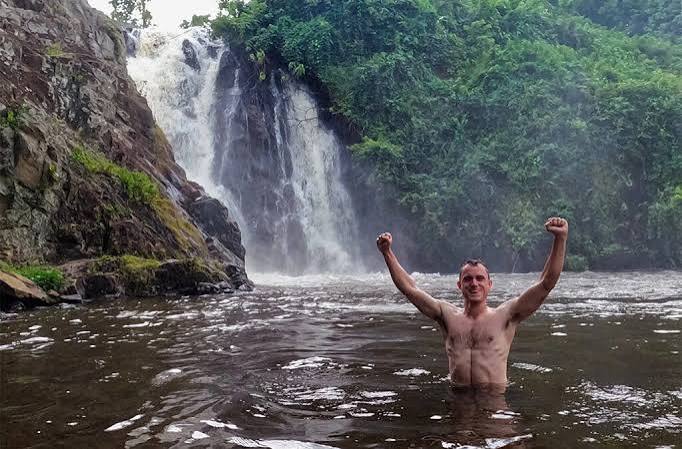
What Does the Waterfall Look Like?
Sezibwa River passes through a rocky landscape before dropping into a natural pool.
The waterfall is surrounded by vegetation that creates a cool, shaded atmosphere.
Water flows over dark rocks, producing white foam and a continuous rushing sound.
The scene becomes particularly attractive when sunlight reaches the moving water.
Why the Scenery Changes
During rainy periods, increased river flow can make the waterfall appear more powerful.
During drier conditions, the volume of water may decrease.
However, the attraction remains interesting throughout the year because of its cultural features and surrounding vegetation.
The rocks can become slippery when wet, so visitors should use established viewing paths.
Guided Nature Walks Around Sezibwa
Nature walks are among the most enjoyable activities at Sezibwa Falls.
Local guides introduce visitors to the waterfall, nearby vegetation and important cultural locations.
The walking routes vary according to available time and conditions.
Some sections are short and suitable for casual visitors.
Others involve climbing rocky slopes or exploring forested surroundings.
What Guides Explain
During a walk, visitors may learn about:
The origins of the twin-river legend.
Traditional spiritual practices.
Local trees and medicinal plants.
Birds associated with river habitats.
The geographical features of the waterfall.
Guided walks provide a deeper experience than simply photographing the waterfall.
Birdwatching at Sezibwa Falls
The surrounding woodland and river vegetation support different bird species.
Although Sezibwa is not as famous as Uganda’s major birdwatching reserves, it provides opportunities for relaxed bird observation.
Birds may be heard calling from trees or seen feeding near the water.
Birds to Look For
Kingfishers may use suitable riverbank perches.
Weavers can occur around trees and nearby open habitats.
Sunbirds visit flowering vegetation.
Bulbuls and other common woodland birds may also be encountered.
Actual sightings depend on season, habitat and weather.
Early morning is generally favourable because many birds are more active.
Rock Climbing and Scenic Viewpoints
The rocky formations around Sezibwa attract visitors interested in outdoor adventure.
Some guided activities involve climbing or scrambling across suitable rock sections.
Higher viewpoints can provide attractive views of the river and surrounding landscape.
Is Rock Climbing Safe?
Safety depends on the route, weather and available supervision.
Wet rocks may be extremely slippery.
Visitors should never attempt difficult climbing without a qualified guide and appropriate safety arrangements.
Families with young children may prefer the easier walking paths.
Why Sezibwa Is Important to Buganda Heritage
Sezibwa is closely associated with the cultural history of the Buganda Kingdom.
Traditional accounts connect the site with past Kabakas and royal visits.
Certain trees are also associated with royal heritage.
The waterfall has been preserved as an important Buganda cultural site.
What Visitors Can Learn
A cultural tour introduces travellers to traditional interpretations of rivers, twins and sacred landscapes.
It also reveals how natural attractions can become symbols of community identity.
These stories should be understood as oral traditions rather than scientifically verified accounts of how the river formed.
Best Time to Visit Sezibwa Falls
Sezibwa can be visited throughout the year.
However, the weather influences the appearance of the waterfall and walking conditions.
Seasonal Visiting Guide
| Period | What to expect |
|---|---|
| December–February | Often relatively drier walking conditions |
| March–May | Rainfall may increase water flow |
| June–August | Generally convenient for outdoor visits |
| September–November | Green surroundings and possible muddy paths |
Morning visits are often comfortable because temperatures are cooler.
Weekdays may also provide a quieter experience than busy weekends.
How to Reach Sezibwa From Kampala
Travellers usually reach Sezibwa by following the Kampala–Jinja highway towards Mukono and Kayanja.
A smaller access road leads towards the waterfall.
Travel time depends on traffic and the starting location.
The journey may take approximately one to two hours from Kampala.
Transport Options
A private vehicle is convenient for families and groups.
Travellers can also arrange transport through local operators.
Public transport may reach nearby trading centres, but the final section may require additional arrangements.
Visitors should confirm the current access road before travelling.
Entrance Fees and Guiding Costs
Sezibwa operates as a managed cultural tourism attraction.
Visitors may be required to pay entrance charges and additional fees for guided activities.
Rates can vary according to visitor category and selected experiences.
Older published charges may no longer be accurate.
Travellers should confirm current prices before departure.
Ask whether cultural guiding, nature walks or other activities are included in the quoted amount.
What to Bring for a Day Trip
Sezibwa does not require extensive safari equipment.
However, suitable preparation makes the visit more comfortable.
Recommended items include comfortable walking shoes, drinking water, sunscreen and a lightweight rain jacket.
A camera or smartphone is useful for landscape photography.
Binoculars may improve birdwatching.
Carry some Ugandan shillings for small purchases and optional services.
Photography at Sezibwa Falls
Sezibwa provides attractive opportunities for landscape and cultural photography.
Photographers can capture water flowing across rocks, surrounding vegetation and wider river scenery.
A wide-angle lens is useful for showing the entire waterfall.
A faster shutter speed can freeze splashing water, while a slower exposure can create a soft flowing effect.
Photography Etiquette
Do not step onto dangerous rocks to obtain photographs.
Avoid disturbing people participating in religious or cultural activities.
Always request permission before photographing shrines or individual community members.
Responsible photography protects both visitors and the site’s cultural significance.
A Suggested Sezibwa Day Trip
A Sezibwa excursion can fit comfortably into a day from Kampala.
Morning: Travel and Arrival
Depart Kampala after breakfast.
Travel east towards Mukono and continue to the waterfall.
Meet your local guide and receive an introduction to the site.
Late Morning: Waterfall and Cultural Walk
Explore the waterfall viewpoints.
Listen to the twin-river legend and learn about Buganda cultural traditions.
Continue with a short nature walk through suitable surrounding areas.
Afternoon: Relaxation and Return
Enjoy refreshments or a packed lunch where permitted.
Spend additional time photographing the landscape.
Return towards Kampala or continue to another destination along the Jinja road.
Combining Sezibwa With Mabira Forest
Mabira Forest is another important natural attraction along the Kampala–Jinja corridor.
It offers tropical forest scenery, birdwatching and guided nature experiences.
Combining Mabira with Sezibwa allows visitors to enjoy both woodland ecology and cultural heritage.
However, a combined trip requires careful planning because activity durations and road conditions vary.
Travellers with limited time may prefer visiting only one destination in greater depth.
Combining Sezibwa With Jinja
Sezibwa can also be included on the way to Jinja.
Jinja is famous for Nile-related activities, cultural experiences and riverside accommodation.
A traveller may visit Sezibwa in the morning before continuing towards Jinja.
This creates an interesting journey combining Buganda heritage with Uganda’s major river attractions.
Responsible Tourism at Sezibwa
Sezibwa is both a cultural heritage site and a natural environment.
Visitors should respect traditional ceremonies and avoid damaging vegetation.
Do not leave rubbish around the waterfall.
Remain on approved paths and follow guide instructions.
Support local guides and businesses where possible.
Respecting sacred spaces is especially important because the site continues to serve spiritual purposes.
Why Sezibwa Falls Is Worth Visiting
Sezibwa Falls offers a memorable combination of natural scenery, traditional storytelling and outdoor relaxation near Mukono.
Its beautiful waterfall, rocky landscape and woodland surroundings make it attractive for photography and short guided walks.
The legend of Nakangu and the twin rivers provides a fascinating introduction to Buganda cultural heritage.
For travellers based in Kampala or heading towards Jinja, Sezibwa is an accessible destination that does not require a long safari journey.
A visit offers more than beautiful scenery. It provides an opportunity to understand how Uganda’s natural landscapes remain connected to living cultural traditions.



No comment