
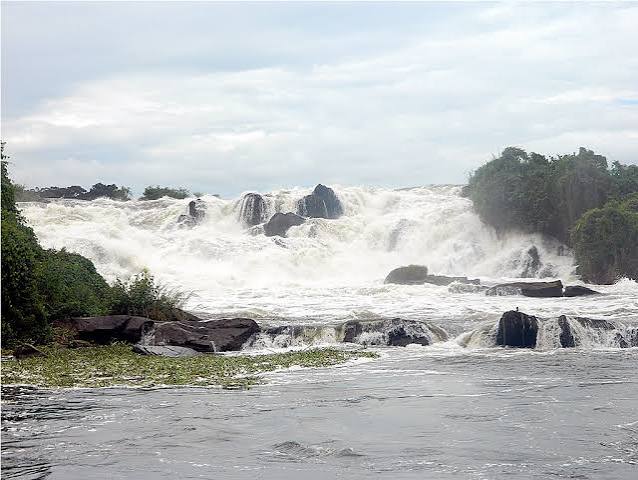
Karuma Falls on the Nile: Rapids, Bridge and Roadside Stops
Karuma Falls on the Nile is one of Uganda’s most remarkable natural landmarks, located along the Kampala–Gulu highway in northern Uganda. Unlike the dramatic single waterfall at Murchison Falls, Karuma consists of powerful rapids flowing over rocky formations along the Victoria Nile. The rushing water, surrounding vegetation and historic Karuma Bridge create an impressive scene for travellers heading towards Gulu, Murchison Falls National Park and Kidepo Valley.
For many visitors, Karuma is a memorable part of a longer road journey rather than a separate holiday destination. The location combines natural beauty, geographical importance, wildlife conservation and Uganda’s growing hydroelectric energy industry.
However, travellers must understand the area’s security restrictions. Stopping or photographing the bridge and nearby power infrastructure may be prohibited. Responsible visitors should use only authorised stopping places and follow security instructions.
Where Is Karuma Falls Located?
Karuma Falls lies on the Victoria Nile near the boundary between Kiryandongo and Oyam districts.
The falls are approximately 260 kilometres north of Kampala along the main road towards Gulu.
The location forms part of the wider Murchison Falls Conservation Area, close to Karuma Wildlife Reserve.
Quick Facts About Karuma Falls
| Feature | Description |
|---|---|
| Country | Uganda |
| River | Victoria Nile |
| Region | Northern Uganda |
| Distance from Kampala | Approximately 260 km |
| Main road | Kampala–Gulu highway |
| Main attraction | Rocky rapids and river scenery |
| Famous landmark | Karuma Bridge |
| Nearby conservation area | Murchison Falls |
| Major infrastructure | Karuma Hydropower Station |
| Best experience | Scenic road journey |
1. What Makes Karuma Falls Special?
Karuma Falls differs from many traditional waterfalls because the Nile does not simply plunge over one enormous cliff.
Instead, the river passes through a series of rocky channels and natural obstacles.
Water accelerates between exposed rocks, producing white foam, strong currents and continuous rushing sounds.
The surrounding landscape contains woodland, riverbank vegetation and wildlife habitats.
Why the Rapids Are Impressive
The Victoria Nile carries water from Lake Victoria northwards through Uganda.
At Karuma, rocky formations influence the river’s movement.
Water rushing over these obstacles becomes turbulent.
The resulting rapids create a dramatic appearance, particularly when the river carries substantial water.
However, water conditions change throughout the year, and the appearance of the rapids can vary.
2. The Local Legend Behind Karuma
Karuma is associated with traditional stories about the formation of the river’s unusual rocks.
According to local oral traditions, a powerful spirit arranged the stones that interrupt the Nile’s flow.
This explanation reflects the cultural importance of the landscape to communities living near the river.
Understanding the Legend
Traditional stories often connect natural features with spiritual beliefs.
Such accounts should be appreciated as cultural heritage rather than scientific descriptions of geological processes.
The physical rapids developed through natural river erosion and the interaction between flowing water and resistant rock formations.
Listening to local interpretations can enrich a visitor’s understanding of Karuma.
3. Karuma Bridge: A Famous Nile Crossing
Karuma Bridge is one of Uganda’s important road crossings over the Victoria Nile.
It carries traffic along the Kampala–Gulu highway, connecting southern and central Uganda with northern destinations.
The crossing is used by buses, trucks, private vehicles and safari travellers.
Why the Bridge Matters
The bridge supports commercial transport and movement between different regions.
Travellers heading towards Gulu, Kitgum, West Nile or parts of northern Uganda commonly use this route.
It also provides access towards northern sections of the Murchison Falls Conservation Area.
Because the crossing is important infrastructure, security arrangements must be respected.
4. Can You Stop on Karuma Bridge?
Visitors should not stop on Karuma Bridge for sightseeing or photography.
Stopping can create traffic hazards, and security restrictions apply around the crossing.
Photographing the bridge, checkpoints and nearby critical infrastructure may also be prohibited.
Safe Viewing Advice
Ask your driver whether an authorised stopping area is available away from the bridge.
Follow instructions from security personnel.
Never park on the bridge or road shoulder where stopping is prohibited.
Avoid photographing military personnel, checkpoints or the hydroelectric station.
If no permitted viewpoint is available, enjoy the landscape while travelling through.
Safety and regulations should always take priority over obtaining photographs.
5. The Karuma Hydropower Station
Karuma is also known for Uganda’s major hydroelectric power development.
The Karuma Hydropower Station has an installed generating capacity of 600 megawatts.
The project was developed to strengthen Uganda’s electricity supply and support economic activities.
How Hydroelectric Power Works
Hydroelectric facilities use flowing water to drive turbines connected to electricity generators.
At Karuma, engineered channels and underground facilities direct water through the generating system.
The development demonstrates the economic importance of the Nile beyond tourism.
However, the power station is not an ordinary walk-in tourist attraction.
Visitors should never attempt to enter restricted facilities without official authorisation.
6. Wildlife Around Karuma
The river flows through a landscape associated with the Murchison Falls Conservation Area.
Nearby protected habitats support numerous mammal and bird species.
Elephants, buffaloes, antelopes and other animals occur within the wider conservation landscape.
Can You See Wildlife From the Highway?
Occasional wildlife sightings may occur near suitable habitats.
However, travellers should not expect a roadside drive to provide the same experience as a guided game drive inside a national park.
Never stop suddenly or approach wild animals.
Wildlife viewing should take place in authorised areas with an experienced guide.
7. Birdwatching Along the Nile
The Nile and surrounding vegetation provide habitat for several bird species.
Kingfishers, herons, eagles and other birds may be encountered around suitable river environments.
Birds to Look For
Pied Kingfisher: Often observed hovering above water before diving for fish.
African Fish Eagle: A large bird of prey associated with rivers and lakes.
Grey Heron: Frequently searches shallow water for fish and other aquatic animals.
African Pied Wagtail: Often found near water and rocky shorelines.
Bird sightings depend on habitat conditions and the location of safe viewing areas.
8. Karuma Falls and Murchison Falls Compared
Although both are located along the Victoria Nile, they provide different scenery.
| Feature | Karuma Falls | Murchison Falls |
|---|---|---|
| River | Victoria Nile | Victoria Nile |
| Water feature | Extended rocky rapids | Powerful waterfall through a narrow gorge |
| Main experience | Roadside landscape viewing | National park sightseeing |
| Visitor facilities | Limited | Established park tourism facilities |
| Access | Near Kampala–Gulu highway | Through authorised park routes |
| Photography | Subject to security restrictions | Permitted in designated visitor areas |
Travellers interested in a dedicated waterfall excursion should consider Murchison Falls National Park.
9. Roadside Stops Near Karuma
The wider Karuma area contains trading centres where travellers may find refreshments and basic services.
These stops can be useful during long road journeys.
What Travellers May Find
Small businesses may sell bottled water, fruit, snacks and simple meals.
Some locations provide opportunities to purchase essential supplies.
Facilities vary, so visitors should not assume that restaurants, toilets or fuel services will always be available at a particular point.
Choosing a Safe Stop
Use established trading centres rather than stopping beside the bridge.
Park completely away from moving traffic.
Avoid restricted security areas.
Ask your driver to identify suitable rest locations before reaching Karuma.
10. Travelling From Kampala to Karuma Falls
The common road journey begins in Kampala and continues north through Luwero and Nakasongola towards Kiryandongo.
The route eventually approaches the Victoria Nile at Karuma.
The drive normally requires several hours, depending on traffic and road conditions.
Road Travel Tips
Start early when planning a long journey towards Gulu or Murchison Falls.
Carry drinking water and basic refreshments.
Make sure your vehicle is mechanically sound.
Check current bridge access arrangements before departure, especially when travelling in a heavy vehicle.
11. Visiting Karuma on a Murchison Falls Safari
Karuma can be included in itineraries approaching Murchison Falls National Park from the north or east.
The park protects extensive savannah, woodland and river habitats.
Visitors may encounter elephants, giraffes, buffaloes, lions and numerous bird species during organised game drives.
Suggested Journey
Travel from Kampala towards Karuma.
Enjoy the river scenery while crossing the Nile.
Continue along the appropriate road towards your selected park entrance or accommodation.
After completing the necessary park arrangements, enjoy scheduled wildlife activities.
The chosen route depends on your lodge location and planned activities.
12. Combining Karuma With Gulu
Gulu is one of northern Uganda’s major cities.
Travellers heading there commonly pass through Karuma.
The crossing creates an interesting transition between the landscapes of central and northern Uganda.
Gulu offers accommodation, restaurants and opportunities to learn about Acholi culture.
Visitors should plan their journey according to road conditions and available daylight.
13. Karuma on the Way to Kidepo Valley
Kidepo Valley National Park is among Uganda’s most remote safari destinations.
Some road itineraries towards Kidepo pass through Gulu and Kitgum after crossing the Nile at Karuma.
The journey introduces travellers to changing landscapes, including farmland, savannah and the hills of northeastern Uganda.
Why Break the Journey?
Driving to Kidepo from Kampala can be tiring.
An overnight stay around Gulu may help travellers divide the journey into manageable sections.
Karuma becomes a natural landmark along this northern safari route.
14. Best Time to Visit Karuma Falls
Karuma can be viewed throughout the year when road access is permitted.
The relatively dry months often provide convenient travel conditions.
However, rainfall may influence river levels and the appearance of the rapids.
When Is Photography Best?
Morning and late-afternoon light can create attractive conditions for landscape photography.
Nevertheless, visitors should photograph the river only from places where stopping and photography are explicitly permitted.
Never assume that a viewpoint is authorised simply because other vehicles have stopped there.
15. Is Karuma Suitable for Families?
Karuma can be an interesting geographical landmark for families travelling north.
Children may enjoy observing the powerful river and learning how rapids form.
However, the area is not suitable for swimming, paddling or walking close to dangerous currents.
Parents should keep children inside vehicles when passing through restricted areas.
Choose established rest stops for meals and toilet breaks.
16. Responsible Tourism and Safety
Karuma combines powerful natural forces with important transport and energy infrastructure.
Visitors must respect both environmental and security regulations.
Avoid throwing rubbish into the river.
Do not enter restricted areas.
Never attempt to swim in the rapids.
Respect surrounding communities and wildlife.
Responsible behaviour protects travellers while maintaining the area’s environmental value.
Why Karuma Falls Is Worth Seeing
Karuma Falls provides an impressive introduction to the Victoria Nile’s powerful natural scenery.
Its rocky rapids, historic bridge and surrounding landscapes make it a memorable landmark along Uganda’s northern road network.
The nearby hydroelectric station also demonstrates the importance of the river to Uganda’s energy development.
Although Karuma is not a conventional waterfall tourism destination, it adds geographical and cultural interest to journeys towards Gulu, Murchison Falls and Kidepo Valley.
For travellers passing through, the best experience is to appreciate the scenery safely, respect security restrictions and use authorised roadside facilities.
Karuma reminds visitors that Uganda’s rivers are important not only for wildlife and tourism, but also for transport, culture and national development.



No comment