
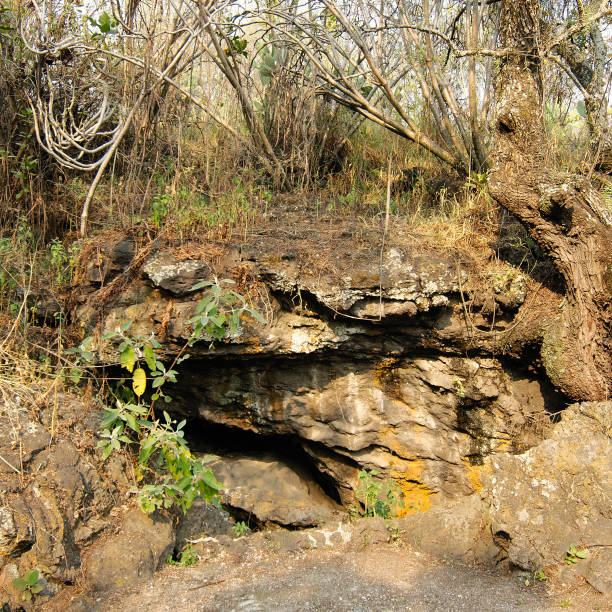
Amabere Caves Near Fort Portal
Amabere Caves Near Fort Portal: Legend, Waterfall and Visiting Tips
Amabere Caves near Fort Portal are among western Uganda’s most fascinating cultural and natural attractions. Located near Nyakasura, these remarkable limestone formations combine ancient legends, dripping rocks, a beautiful waterfall and scenic walking trails. Known locally as Amabere ga Nyinamwiru, the caves attract travellers interested in Uganda’s traditional history, geology, photography and outdoor experiences.
The attraction is closely associated with the Batooro people’s oral traditions concerning Princess Nyinamwiru and the ancient Batembuzi and Bachwezi dynasties. Visitors can explore the rock formations, listen to local storytelling and enjoy the refreshing atmosphere around Nyakasura Falls.
For travellers visiting Kibale National Park, Fort Portal or the nearby crater lakes, Amabere Caves provide an enjoyable cultural experience that can fit into a half-day excursion.
Where Are Amabere Caves Located?
Amabere Caves are situated near Nyakasura, approximately 7–10 kilometres from Fort Portal City in western Uganda.
The attraction lies along the Fort Portal–Bundibugyo road, surrounded by green vegetation, hills and rural communities.
Visitors can reach the site by private vehicle, hired taxi or an organised guided excursion.
The final section involves walking along natural paths towards the caves and waterfall.
Quick Facts About Amabere Caves
| Feature | Description |
|---|---|
| Country | Uganda |
| Region | Western Uganda |
| Nearest city | Fort Portal |
| Location | Nyakasura area |
| Main attraction | Limestone cave formations |
| Cultural importance | Nyinamwiru legend |
| Nearby feature | Nyakasura Waterfall |
| Activities | Guided walks, photography and storytelling |
| Suggested duration | 1–3 hours |
| Recommended footwear | Walking shoes with good grip |
1. The Meaning of Amabere ga Nyinamwiru
The name Amabere ga Nyinamwiru translates approximately as “the breasts of Nyinamwiru” in Rutooro.
The name describes distinctive hanging rock formations that resemble breasts.
Water containing dissolved minerals drips from these formations, producing an appearance traditionally associated with milk.
For generations, local communities have connected these unusual natural features to the story of Princess Nyinamwiru.
The site therefore holds both geographical and cultural importance.
Visitors encounter more than an ordinary cave. They enter a landscape where natural features have become part of traditional storytelling.
2. The Legend of Princess Nyinamwiru
According to Batooro oral tradition, Nyinamwiru was the daughter of King Bukuku, an ancient ruler associated with the Batembuzi dynasty.
The legend tells of a prophecy warning that Nyinamwiru would give birth to a son who would eventually challenge Bukuku’s authority.
Fearing this prediction, the king attempted to prevent his daughter from having a child.
The King’s Punishment
In versions of the legend told around the caves, Bukuku ordered Nyinamwiru’s breasts to be removed.
The story describes this as an attempt to prevent her from nursing a future child.
Despite her father’s actions, Nyinamwiru eventually gave birth to a son named Ndahura.
The boy later became an important figure in the traditional accounts of the Bachwezi rulers.
Why the Rocks Are Called Amabere
According to the legend, the breast-shaped formations represent Nyinamwiru’s breasts.
The water dripping from them symbolises milk.
These explanations form part of the region’s oral heritage rather than established geological history.
Different storytellers may present variations of the legend.
Listening to a local guide provides an opportunity to understand its cultural significance.
3. How Amabere Caves Formed Naturally
Beyond the traditional story, the formations have a scientific explanation.
Amabere contains mineral deposits created through the movement of water containing dissolved calcium carbonate.
As mineral-rich water moves through rock and reaches open air, some dissolved material can accumulate.
Over long periods, these deposits develop distinctive shapes.
Stalactites and Stalagmites
Stalactites hang downward from cave ceilings.
Stalagmites form upward from the ground where dripping mineral-rich water deposits material.
The formations develop slowly and can be damaged easily.
Their shapes and colours reflect mineral accumulation, water movement and surrounding environmental conditions.
Visitors should avoid touching or breaking these delicate features.
4. Nyakasura Waterfall: The Natural Highlight
One of the most attractive features of Amabere is the waterfall near the cave entrance.
Water flows over a rocky edge into the vegetation below, creating a refreshing atmosphere.
The surrounding environment contains moss-covered rocks, ferns and shaded pathways.
The sound of falling water adds to the experience.
Walking Near the Waterfall
Visitors may follow guided paths towards viewpoints around the waterfall.
Some sections can become slippery because of moisture and mud.
The safest approach is to remain on established trails and follow the guide’s instructions.
Avoid climbing wet rocks or standing beneath unstable overhangs.
The waterfall is especially attractive for landscape photography.
5. What Happens During a Guided Cave Visit?
A typical visit begins with an introduction to the site’s history and cultural importance.
The guide explains the legend of Nyinamwiru before leading visitors towards the cave formations.
Visitors then examine the dripping rocks and learn about their geological characteristics.
The walk usually continues towards the waterfall and surrounding vegetation.
Why Local Guides Are Important
Local guides help visitors understand the cultural stories associated with the attraction.
They also explain the difference between traditional interpretations and geological processes.
Their knowledge of the paths is particularly useful during wet weather.
Hiring local guides supports employment and encourages community participation in tourism.
6. Hiking Around the Nearby Crater Lakes
The Fort Portal region is famous for its volcanic crater lakes.
Some visitors combine an Amabere excursion with walks towards nearby crater lake viewpoints.
These landscapes contain hills, cultivated gardens and scenic valleys.
The lakes formed through volcanic processes associated with the western branch of the East African Rift Valley.
Is the Crater Lake Hike Difficult?
The difficulty depends on the selected route.
Short viewpoints may require only a moderate walk.
Longer routes can involve steep sections and uneven ground.
Visitors should discuss the distance with their guide before beginning.
Travellers with limited mobility may prefer the shorter cave and waterfall experience.
7. Best Time to Visit Amabere Caves
The caves can be visited throughout the year.
However, weather conditions influence walking comfort.
Western Uganda receives substantial rainfall during different periods.
Relatively drier months, particularly June to August and December to February, are often convenient for outdoor activities.
Visiting During Rainy Weather
Rainfall makes the surrounding vegetation especially green.
The waterfall may also become more visually impressive after suitable rainfall.
However, the paths can become muddy and slippery.
Visitors should wear appropriate shoes and avoid exposed routes during heavy rain or thunderstorms.
8. Morning or Afternoon: Which Is Better?
Morning visits are often convenient because temperatures are relatively comfortable.
Early arrival can also provide opportunities to enjoy the attraction before larger visitor groups appear.
Afternoon excursions are suitable for travellers combining the caves with other Fort Portal activities.
However, the timing should allow enough daylight for exploring the trails safely.
A guided visit lasting approximately one to three hours is suitable for most travellers, depending on additional hiking activities.
9. What to Bring for Your Visit
Amabere requires only basic walking equipment, but preparation improves comfort.
Recommended items include:
Comfortable walking shoes.
Drinking water.
A lightweight rain jacket.
A camera or smartphone.
Insect repellent.
Comfortable outdoor clothing.
A small backpack.
Visitors planning longer crater lake hikes may also benefit from a walking stick.
Avoid carrying unnecessarily heavy luggage along the trails.
10. Photography Opportunities at Amabere
The caves provide interesting opportunities for nature and cultural photography.
The hanging mineral formations create unusual shapes, while the waterfall offers attractive landscape compositions.
Natural light can be limited inside the cave area.
Photography Tips
Use a steady camera position when photographing darker sections.
A wide-angle lens can capture the cave surroundings and waterfall.
Avoid using photographic equipment in ways that damage fragile formations.
If photographing local guides or community members, request permission first.
Visitors should also avoid standing on unstable rocks simply to obtain a better angle.
11. Entrance Fees and Guiding Arrangements
Amabere is a locally managed tourism attraction.
Visitors generally pay an entrance or guiding charge, depending on the activities selected.
Additional hiking experiences may involve separate arrangements.
Prices can change, so travellers should confirm current charges before visiting.
Guided tours may include the cave, waterfall and surrounding viewpoints.
Visitors should clarify what is covered by the quoted fee before beginning.
12. Combining Amabere With Kibale National Park
Kibale National Park is one of Uganda’s leading chimpanzee tracking destinations.
The forest lies within reach of Fort Portal, making it suitable for combination with cultural attractions.
Suggested Two-Day Experience
Day One: Kibale Chimpanzee Tracking
Begin with an organised chimpanzee tracking activity.
Afterwards, enjoy time at your accommodation or explore the surrounding countryside.
Day Two: Amabere Caves and Crater Lakes
Travel towards Nyakasura for a guided cave visit.
Explore the waterfall and listen to the Nyinamwiru legend.
Continue towards suitable crater lake viewpoints if time and weather permit.
This combination introduces visitors to wildlife, geology and traditional culture.
13. Other Attractions Near Fort Portal
Fort Portal provides access to several interesting destinations.
The region contains tea plantations, cultural heritage attractions, crater lakes and forest habitats.
Travellers can visit Bigodi Wetland Sanctuary for birdwatching and community-guided walks.
Semuliki National Park offers tropical forest experiences and geothermal features.
The Rwenzori Mountains provide opportunities for mountain scenery and trekking.
These attractions make Fort Portal a useful base for exploring western Uganda.
14. Is Amabere Suitable for Families?
Amabere can be an enjoyable destination for families interested in nature and traditional storytelling.
Children may appreciate the waterfall, unusual rocks and guided explanations.
However, some walking sections are uneven.
Parents should supervise younger children carefully, particularly near wet rocks and steep slopes.
Guides can help families select manageable routes.
Visitors should avoid allowing children to climb the cave formations.
15. Responsible Tourism at Amabere Caves
Amabere is both a natural attraction and a place associated with local cultural heritage.
Visitors should treat the environment respectfully.
Do not remove rocks, damage formations or leave rubbish.
Remain on established trails.
Avoid disturbing surrounding vegetation.
Listen respectfully to cultural explanations, even when traditional stories differ from scientific accounts.
Supporting local guides and businesses can help maintain the site’s tourism value.
Why Amabere Caves Are Worth Visiting
Amabere Caves offer a distinctive experience near Fort Portal, combining natural beauty with traditional storytelling.
The breast-shaped mineral formations provide an interesting introduction to geology, while the legend of Princess Nyinamwiru reveals part of western Uganda’s cultural heritage.
Nyakasura Waterfall adds a scenic highlight, and nearby crater lakes create opportunities for additional walks.
For visitors exploring Kibale National Park or the Fort Portal region, Amabere provides an accessible cultural excursion.
The experience demonstrates how landscapes can hold both scientific importance and deeply rooted traditional meaning.
A guided visit allows travellers to appreciate these different perspectives while enjoying one of western Uganda’s memorable natural attractions.





No comment