
Kenya’s Mara Conservancies: How They Reduce Crowding
Kenya’s Mara conservancies provide a quieter and more controlled way to experience wildlife in the Greater Maasai Mara ecosystem. Every year, thousands of travellers visit the region to observe lions, elephants, cheetahs, giraffes and the spectacular Great Wildebeest Migration. However, popular wildlife sightings can attract numerous safari vehicles, especially during the peak migration season.
To address these challenges, several community-owned conservancies surrounding the Maasai Mara National Reserve operate tourism systems designed to limit visitor numbers, protect wildlife habitats and support local Maasai landowners. These arrangements often involve restricted accommodation capacity, vehicle limits at sightings and controlled access to conservation land.
For travellers seeking a less crowded Kenya safari, conservancies such as Mara North, Olare Motorogi, Naboisho and Ol Kinyei offer opportunities to observe wildlife in carefully managed environments. Understanding how they operate helps visitors choose responsible safari experiences while appreciating the connection between conservation, tourism and community livelihoods.
What Are the Maasai Mara Conservancies?
The Maasai Mara conservancies are wildlife conservation areas established mainly on land owned by Maasai community members.
Many operate through agreements between landowners, tourism businesses and conservancy management organisations.
Landowners allow their properties to be managed collectively for wildlife conservation and compatible land uses.
In return, participating landowners may receive regular lease payments funded by tourism.
Unlike the national reserve, which is publicly managed, conservancies commonly operate through partnerships involving private landowners and tourism operators.
Their regulations and access arrangements vary.
Quick Facts About Mara Conservancies
| Feature | Description |
|---|---|
| Country | Kenya |
| Region | Greater Maasai Mara |
| Main purpose | Wildlife conservation and community benefits |
| Land ownership | Mainly participating Maasai landowners |
| Tourism approach | Low-density, controlled visitor access |
| Accommodation | Small tented camps and safari lodges |
| Main wildlife | Lions, elephants, zebras, giraffes and antelopes |
| Conservation benefits | Habitat protection and wildlife movement corridors |
| Popular conservancies | Mara North, Olare Motorogi, Naboisho and Ol Kinyei |
1. Limiting the Number of Safari Camps
One important way conservancies reduce overcrowding is by controlling tourism development.
Instead of allowing unlimited accommodation construction, management plans may restrict the number of camps and guest beds.
This helps prevent excessive concentrations of visitors within relatively small areas.
How Accommodation Limits Work
Olare Motorogi Conservancy is an example of a low-density tourism model.
Its official information describes a limit of 94 guest beds across five light-footprint camps, together with a target vehicle density of approximately one game-viewing vehicle per 2,100 acres.
These restrictions help maintain a relatively quiet environment.
However, accommodation limits differ between conservancies, and authorised capacities can change through updated management agreements.
2. Restricting Vehicles at Wildlife Sightings
Crowding around lions, cheetahs and other animals is a major concern in popular safari destinations.
When numerous vehicles approach the same animal, they can restrict its movements and disturb natural behaviour.
Mara conservancies address this through vehicle management regulations.
The Five-Vehicle Rule
Mara North Conservancy publishes game-drive rules limiting ordinary wildlife sightings to five vehicles.
Additional vehicles must remain approximately 100 metres away.
Its published etiquette also provides for waiting vehicles to receive viewing opportunities through a rotation system.
These arrangements help prevent large groups of vehicles from surrounding wildlife.
Other conservancies may apply different limits, so visitors should follow the regulations governing their specific destination.
3. Controlling Who Can Enter the Conservancy
Many Mara conservancies restrict routine tourism access to guests staying at participating accommodation properties.
This differs from national reserve arrangements, where authorised visitors may enter through designated gates after paying the required fees.
Controlled entry allows conservancy managers to estimate visitor numbers more effectively.
It also reduces the possibility of unrestricted day-trip traffic entering sensitive wildlife habitats.
Why Controlled Access Matters
When visitor numbers are linked to accommodation capacity, managers can maintain lower tourism density.
Guides also have a better understanding of how many vehicles are operating within the conservancy.
This can improve coordination around wildlife sightings.
However, access conditions differ between conservancies, and visitors should confirm the applicable arrangements before booking.
4. How Mara North Conservancy Reduces Crowding
Mara North Conservancy is one of the established conservation areas within the Greater Mara ecosystem.
It operates through partnerships involving Maasai landowners and tourism businesses.
Its official information describes participation by more than 1,000 community landowners.
Tourism revenue contributes to land lease payments and conservation management.
Wildlife Viewing Regulations
Mara North’s published rules include restrictions on vehicle numbers, minimum wildlife-viewing distances and measures intended to reduce unnecessary disturbance.
Guides are expected to avoid harassment, minimise noise and respect sensitive habitats.
The conservancy also operates managed livestock grazing arrangements.
These measures demonstrate how tourism regulation and land management work together.
5. Why Olare Motorogi Conservancy Feels Quieter
Olare Motorogi Conservancy lies beside the Maasai Mara National Reserve.
It contains open grasslands, hills and habitats supporting resident wildlife.
The conservancy is known for carefully controlled tourism development.
Its low accommodation capacity helps restrict the total number of safari vehicles operating in the area.
Wildlife Experiences
Visitors may encounter lions, cheetahs, elephants, giraffes and different antelope species.
The conservancy also supports wildlife research and predator monitoring.
Although lower vehicle density can improve the viewing experience, it does not guarantee that every sighting will be completely private.
Several vehicles may still gather around particularly interesting wildlife encounters.
6. Naboisho Conservancy and Wildlife Protection
Mara Naboisho Conservancy is another important conservation area within the Greater Mara landscape.
Its name means coming together in the Maa language.
The conservancy brings together participating landowners and tourism operators to protect wildlife habitat while supporting community livelihoods.
Tourism development is controlled through management agreements.
Benefits of Reduced Vehicle Pressure
Lower concentrations of safari vehicles can provide greater opportunities to observe natural behaviour.
Predators may hunt, rest and interact without large numbers of vehicles surrounding them.
Visitors may also spend longer observing wildlife where permitted.
However, responsible guiding remains essential.
A conservancy with limited vehicles can still experience disturbance if individual drivers behave carelessly.
7. Ol Kinyei Conservancy and Low-Impact Tourism
Ol Kinyei Conservancy is another community-based conservation area within the Greater Mara ecosystem.
Its tourism model focuses on controlled accommodation and wildlife-friendly land management.
The conservancy supports grazing habitats used by different herbivore species.
Lions and other predators also inhabit the surrounding landscape.
The emphasis on limited tourism development provides opportunities for a quieter safari.
However, accommodation availability and access restrictions should be confirmed directly when planning a visit.
8. How Conservancies Protect Wildlife Movement Corridors
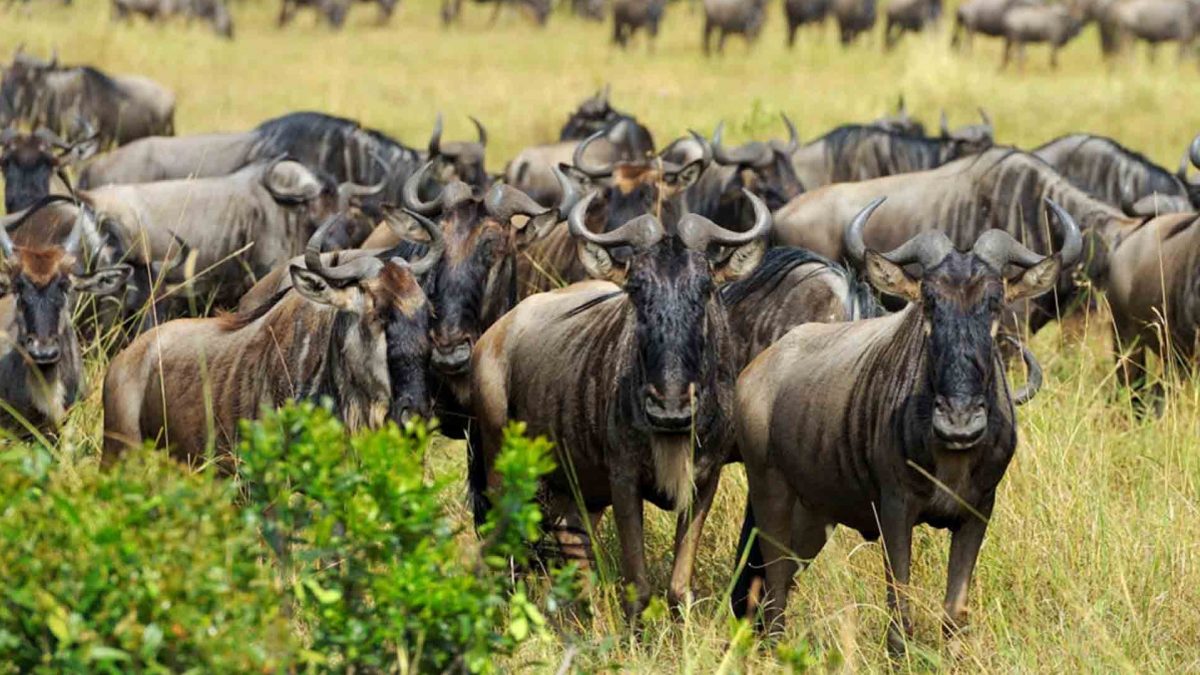
The Great Migration depends on access to connected grasslands.
Wildebeest, zebras and other animals move between feeding areas as rainfall and vegetation conditions change.
Fences, settlements and expanding agriculture can interrupt these movements.
Conservancies help maintain wildlife-compatible land uses outside the national reserve.
Why Open Grasslands Matter
Wildlife requires space to move between different habitats.
Maintaining connected grasslands supports seasonal grazing and access to water.
These landscapes are also important for resident wildlife, including elephants, giraffes and predators.
Conservancies therefore provide benefits extending beyond reducing safari vehicle numbers.
9. The Role of Maasai Landowners
Local landowners are central to the conservancy model.
Many lease land to conservancy organisations through agreements supported by tourism revenue.
This can provide income without requiring every landowner to convert grassland into farms or permanent developments.
How Communities Benefit
Potential benefits include:
Regular land lease payments.
Employment in safari camps.
Guiding and tourism opportunities.
Conservation-related jobs.
Support for community development.
Opportunities for compatible livestock grazing.
However, benefits are not always distributed equally.
Effective conservancy management requires transparent agreements, fair compensation and meaningful landowner participation.
10. Conservancies and the National Reserve Compared
The Maasai Mara National Reserve and neighbouring conservancies form parts of the same wider wildlife ecosystem.
Both provide opportunities for excellent game viewing.
However, their tourism management approaches differ.
Main Differences
| Feature | National reserve | Community conservancies |
|---|---|---|
| Management | Public reserve administration | Landowner and tourism partnerships |
| Visitor access | Authorised paying visitors | Often restricted to participating camps |
| Accommodation | Wide range of options | Usually controlled camp capacity |
| Vehicle numbers | Can be high at popular sightings | Often limited by specific rules |
| Wildlife viewing | Excellent migration and resident wildlife | Often quieter resident wildlife encounters |
| Community income | Tourism-related benefits | Direct lease payments may form part of the model |
| River crossings | Access to major Mara River areas | Access depends on conservancy location and reserve arrangements |
Neither option is automatically better for every traveller.
11. Can Conservancy Guests See the Great Migration?
Yes. Migrating wildebeest and zebras may move through conservancy landscapes when grazing conditions are suitable.
However, not every conservancy contains a famous Mara River crossing location.
Travellers specifically interested in large river crossings may need to enter the Maasai Mara National Reserve.
This can involve separate fees and transport arrangements.
Why Location Matters
A conservancy camp may provide excellent resident wildlife viewing while being relatively far from active river-crossing sites.
Before booking, ask whether the itinerary includes reserve game drives.
Also confirm how long transfers to relevant river areas usually take.
This helps avoid unrealistic expectations.
12. Why Conservancies Appeal to Wildlife Photographers
Wildlife photographers often prefer locations where fewer vehicles gather around animals.
A relatively quiet viewing environment can provide more flexibility for composition.
Photographers may also have opportunities to observe an animal for longer without frequent vehicle movements.
Photography Advantages
Lower vehicle density can provide:
Cleaner backgrounds with fewer vehicles.
Less disturbance around wildlife.
Better opportunities for observing natural behaviour.
More relaxed photography sessions.
Opportunities to photograph resident predators.
However, guides must still follow wildlife-viewing rules and appropriate distances.
13. Are Mara Conservancies More Expensive?
Some conservancy camps cost more than budget accommodation outside the national reserve.
This partly reflects their limited accommodation capacity and conservation-related operating costs.
Land lease payments also contribute to expenses.
However, not every conservancy experience requires the highest level of luxury.
Prices vary according to camp facilities, season and included activities.
Travellers should compare the complete safari package rather than the accommodation rate alone.
14. How to Choose the Right Mara Conservancy
The best choice depends on your wildlife interests, preferred accommodation and travel budget.
Mara North offers extensive wildlife habitats and established tourism management.
Olare Motorogi is particularly attractive for low-density safari experiences.
Naboisho provides opportunities to observe resident wildlife within a community conservation landscape.
Ol Kinyei appeals to travellers interested in controlled tourism and a quieter environment.
Before booking, confirm access rules, conservation fees and game-drive arrangements.
15. Responsible Safari Behaviour Still Matters
Vehicle restrictions alone cannot guarantee responsible tourism.
Visitors and guides must respect wildlife and conservation regulations.
Safari vehicles should maintain suitable distances and avoid blocking animal movements.
Guides should minimise unnecessary noise and follow authorised routes.
Travellers should never pressure drivers to chase predators or approach animals too closely.
Responsible behaviour helps conservancies achieve their conservation objectives.
Why Kenya’s Mara Conservancies Reduce Crowding
Kenya’s Mara conservancies reduce tourism pressure through controlled accommodation development, restricted visitor access and regulations governing safari vehicles.
These systems help prevent excessive numbers of vehicles from gathering around wildlife.
The conservancy model also provides an important connection between tourism revenue, landowner participation and habitat protection.
Mara North, Olare Motorogi, Naboisho and Ol Kinyei demonstrate different approaches to managing wildlife landscapes while supporting local communities.
For travellers seeking quieter wildlife encounters, conservancies can provide an attractive alternative or complement to the Maasai Mara National Reserve.
However, choosing a conservancy should involve more than looking for fewer vehicles.
Its location, conservation practices, landowner partnerships and access to wildlife habitats all matter.
By supporting responsibly managed safari operations, visitors can help protect the wider Maasai Mara ecosystem while enjoying natural wildlife experiences.



No comment