
Budget Safari Accommodation in East Africa That Is Still Comfortable
A safari in East Africa does not have to involve expensive luxury lodges to be enjoyable. Travellers can explore Uganda, Kenya, Tanzania and Rwanda while staying in clean, comfortable and well-located accommodation that fits a reasonable budget. The key is knowing where to save money without sacrificing the essentials that make a safari relaxing, including a good bed, a private or well-maintained bathroom, reliable meals, convenient access to wildlife areas and a peaceful place to rest after a long day outdoors.
Accommodation can take up a significant part of a safari budget, especially when a trip includes several national parks. A traveller visiting multiple destinations may spend more on overnight stays than expected if every night is booked at a high-end lodge. However, choosing budget accommodation does not automatically mean accepting poor service, uncomfortable rooms or inconvenient locations. Many campsites, guesthouses, small lodges and tented camps offer a practical balance between price and comfort.
The most suitable option depends on the destination, travel style, season and activities planned. Someone spending most of the day on game drives may need a simple room with a hot shower and a good meal rather than a swimming pool and elaborate facilities. A family with children, a couple on a special holiday or a traveller visiting several parks may have different requirements. Understanding these differences makes it easier to choose accommodation that supports the safari experience instead of consuming money that could be spent on wildlife activities.
What Comfortable Budget Safari Accommodation Really Means
Budget accommodation is not defined by price alone. A low nightly rate may look attractive, but it can become poor value if the property is far from the park entrance, charges extra for meals, has unreliable water or requires expensive transport to reach the main activities. A slightly more expensive lodge in a convenient location may reduce overall costs and make the trip easier.
For most safari travellers, comfort begins with the basics. The room should be reasonably clean, the bed should be in good condition, and the bathroom should be functional. Reliable drinking water, adequate lighting, secure storage for belongings and a place to charge essential devices are also useful. In remote areas, electricity may be available only at certain times, so it is important to check before booking.
Food is another consideration. Some properties offer breakfast only, while others provide full-board packages with breakfast, lunch and dinner. A room that appears inexpensive may cost more overall if every meal must be purchased separately at a remote lodge. Before confirming a reservation, compare the complete cost of staying there rather than looking only at the advertised room rate.
Location is equally important. A property outside a national park may be cheaper than accommodation inside the park, but the difference in travel time can affect early-morning game drives, wildlife sightings and transport costs. For some itineraries, staying outside the park is a sensible saving. For others, paying more to sleep near the activity area may provide better value.
Guesthouses and Small Lodges in Uganda
Uganda offers a range of accommodation options for travellers who want to explore wildlife destinations without spending heavily on luxury lodges. Small lodges, guesthouses and locally operated properties can provide private rooms, meals and helpful local knowledge at prices below those of many high-end safari establishments.
Around Queen Elizabeth National Park, travellers can find accommodation in areas such as Katunguru and near the park’s main access points. These locations can work well for visitors planning game drives in the Kasenyi plains, boat trips along the Kazinga Channel or a longer journey through western Uganda. The best choice depends on which activities are included in the itinerary and which side of the park the traveller will visit.
Near Murchison Falls National Park, budget-conscious visitors can compare guesthouses and modest safari lodges around areas such as Pakwach and the approaches to the park. The distance to the chosen gate matters because the park is large and driving between different activity areas can take time. Travellers should confirm the route with their tour operator before selecting a low-cost property.
For gorilla trekking in Bwindi Impenetrable National Park, simple lodges and guesthouses can help reduce the total cost of a trip. However, accommodation should be selected according to the sector where the gorilla permit is booked. Bwindi has different trekking sectors, and staying in the wrong area may require a long early-morning drive. A lower room price is not a good saving if it creates transport problems on trekking day.
In Uganda, a comfortable budget property may include a private room, mosquito nets, a restaurant or home-cooked meals, and staff who can help arrange local transport. Travellers should still confirm whether hot water, Wi-Fi, electricity and meals are available, especially in remote areas.
Budget Tented Camps in Kenya
Kenya is well suited to travellers interested in tented accommodation. Budget camps can provide a closer connection to the natural environment while offering more comfort than basic camping. Depending on the property, guests may sleep in canvas tents with proper beds, bedding, lighting and an attached or shared bathroom.
Around the Masai Mara, accommodation outside the reserve or in nearby communities can cost less than properties in prime locations within the reserve or in private conservancies. Some camps provide meals and help arrange game drives, making them useful for travellers who want a straightforward safari package. However, guests should check whether park entry fees, vehicle costs, guiding and transfers are included in the quoted price.
The location of a camp can significantly affect the experience. A camp near a convenient gate may be suitable for a short visit, while a property farther away may involve extra driving before reaching the main wildlife areas. During the Great Migration season, demand can increase and affordable rooms may become harder to find. Booking early can help travellers compare options before the most convenient budget properties are full.
In Amboseli National Park, budget accommodation can also help visitors control costs while enjoying views of the surrounding plains and, when conditions allow, Mount Kilimanjaro. Some travellers choose camps outside the park to reduce accommodation expenses. The trade-off is that they may need to travel farther to reach wildlife-viewing areas and may have less flexibility during early or late game drives.
Comfort varies considerably between camps. Some offer proper mattresses, private bathrooms and hot showers, while others provide simpler facilities. Ask for recent photographs of the actual room or tent, and check whether the bathroom is private or shared. These details are more useful than relying on a property’s description as a “budget safari camp.”
Affordable Safari Lodges in Tanzania
Tanzania has a broad range of safari accommodation, from basic campsites to premium lodges. Travellers visiting destinations such as Tarangire National Park, Lake Manyara National Park and the Serengeti can sometimes reduce their accommodation costs by staying in simple lodges, public campsites or budget tented camps.
The northern safari circuit can be expensive because park fees, long distances and transport costs add up quickly. Accommodation should therefore be considered as part of the complete itinerary. A cheap room far from the planned activities may not save much money if it adds several hours of driving or requires an additional night elsewhere.
Around Karatu, travellers often find a variety of modest lodges and guesthouses that can suit itineraries covering the Ngorongoro Conservation Area and Lake Manyara. The town can be a practical overnight base, depending on the planned route. Visitors should remember that a stay in Karatu is not the same as sleeping inside the Ngorongoro Crater area or the Serengeti, so the daily driving schedule needs to be realistic.
For the Serengeti, budget camping arrangements can offer a more affordable way to spend time near wildlife areas. Facilities range from public campsites with basic shared amenities to mobile tented camps with beds and prepared meals. The more basic options may require travellers to bring or rent camping equipment, while organised camping safaris generally include tents, bedding and a cook or support team.
When comparing accommodation in Tanzania, ask whether the price includes meals, camping equipment, park-related charges and transfers between destinations. A low room rate is only one part of the cost, and the details can differ considerably between independent bookings and organised safari packages.
Simple and Comfortable Accommodation in Rwanda
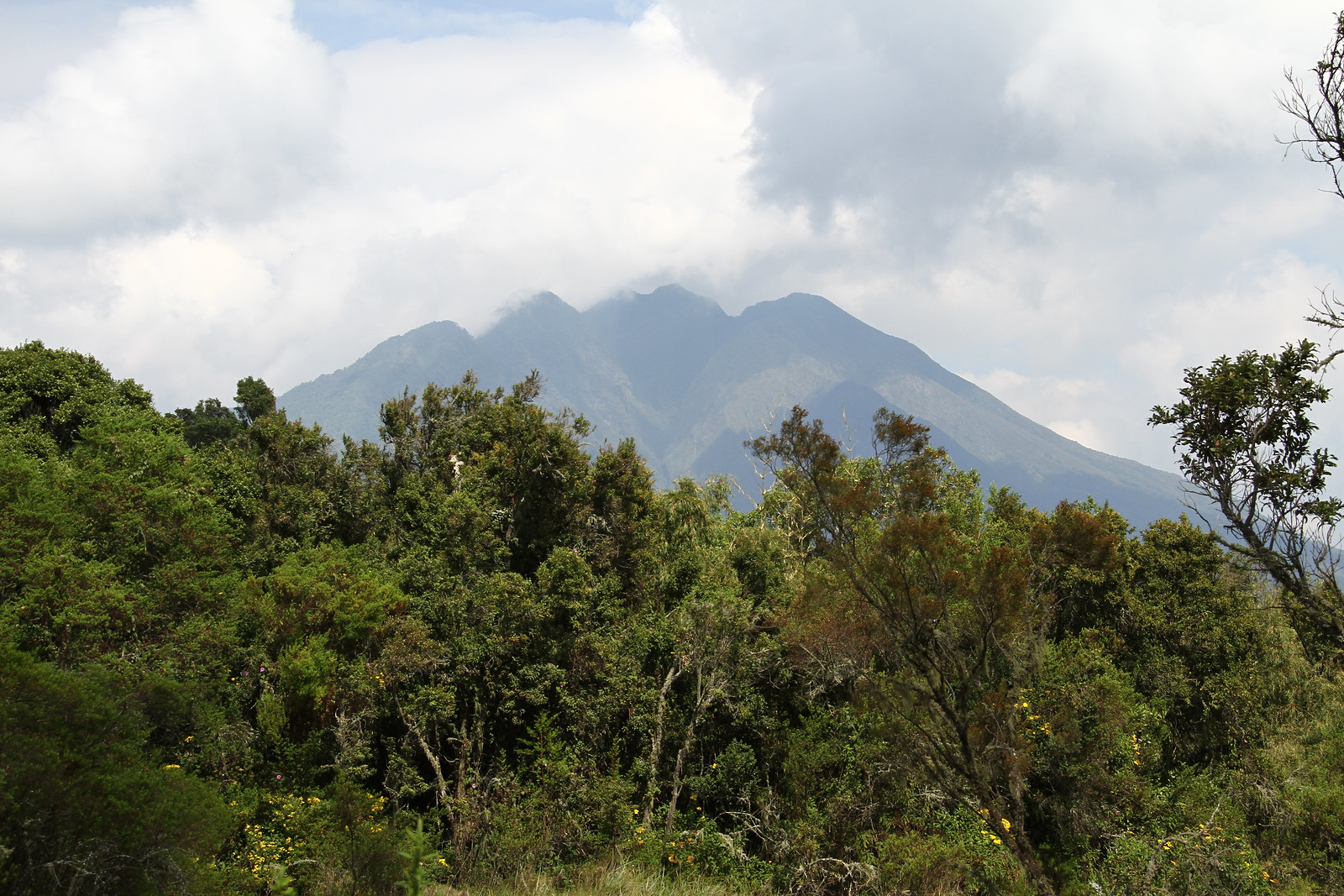
Rwanda is known for gorilla trekking and its well-organised tourism infrastructure, but travellers can find more affordable accommodation by looking beyond the luxury lodges close to Volcanoes National Park. Guesthouses, small hotels and community-focused accommodation in Musanze can provide a practical base for visitors who want to control costs while keeping access to the park’s trekking activities convenient.
For gorilla trekking, location should be one of the first considerations. Trekkers must attend the park briefing before heading into the forest, and the starting point can vary according to the trekking arrangements. Staying in Musanze or nearby areas can make an early start easier. Confirm the transfer time to the briefing location before booking, particularly if the accommodation is outside the town.
Travellers visiting Akagera National Park can compare campsites, simple lodges and accommodation options around the park. Staying closer to the park may reduce driving time, while a property farther away might offer a lower nightly rate. The right choice depends on whether the itinerary includes a full day of game drives, a short visit or several nights exploring different areas.
Near Nyungwe National Park, accommodation choices range from basic campsites to comfortable lodges. Budget travellers should check the facilities carefully because some options are designed for visitors who bring their own camping equipment. Others provide furnished rooms and meals, making them more suitable for travellers who prefer not to organise their own supplies.
Rwanda can be more expensive than some neighbouring destinations for particular activities, especially gorilla trekking. Choosing affordable accommodation helps control the overall budget, but it is important to remember that a low room rate does not reduce the cost of a gorilla permit or other mandatory activity fees.
Camping and Bandas for Travellers Who Want to Spend Less
Camping is often one of the most affordable ways to stay near wildlife areas. In East Africa, public campsites and privately operated camps can offer access to national parks at a lower price than conventional lodges. Some campsites provide toilets, showers, cooking facilities and security lighting, while others have more basic amenities.
Uganda has camping options around destinations such as Murchison Falls National Park and Queen Elizabeth National Park. Travellers can also find simple bandas, which are small, basic accommodation units that may provide more shelter and privacy than a tent. Facilities differ by property, so it is important to establish whether bedding, mosquito nets, bathrooms and meals are included.
Kenya Wildlife Service manages a range of accommodation facilities across parks and reserves, including public and special campsites and self-catering units known as bandas. These options can suit travellers who prefer simple accommodation and want to experience the park environment without paying for a full-service lodge.
Camping in Tanzania can be rewarding, particularly for travellers who enjoy spending time outdoors. However, staying at a public campsite inside a national park may require advance planning, camping equipment and arrangements for meals. Travellers on organised camping safaris may have tents, bedding, cooking equipment and support staff included in the package, while independent campers may need to arrange these themselves.
Before choosing camping purely because it is cheap, consider your experience and comfort level. If you are unfamiliar with camping, travelling with young children or arriving after a long journey, a simple lodge or furnished tent may be worth the additional cost. The goal is to reduce unnecessary spending without making the trip exhausting.
How Much Should You Budget for a Night?
The cost of budget accommodation varies across East Africa. Rates depend on the destination, season, room type, number of people sharing, meal arrangements and proximity to the park. A guesthouse in a town will not necessarily cost the same as a tented camp near a wildlife reserve, even if both are described as budget accommodation.
As a broad planning guide, a basic campsite or dormitory bed may cost less than a private room, while a simple guesthouse or budget lodge will generally cost more when it provides a private bathroom, meals and additional services. In popular destinations, particularly during peak safari months, prices can rise and the cheapest properties may sell out early.
When comparing quotes, establish whether the rate is per person or per room. A double room advertised at a particular price may be good value for two people sharing, but the same room could be expensive for a solo traveller if a single supplement applies. Families should ask about family rooms, extra beds and child rates rather than automatically booking several separate rooms.
Also ask whether the quoted price includes breakfast, dinner, drinking water, laundry, transfers or other services. Some safari packages combine accommodation and meals, while others charge separately. Park entrance fees, guided game drives, gorilla permits and vehicle fees are often additional expenses unless the package clearly states otherwise.
Rather than choosing a property based on the lowest advertised rate, compare the final cost of the entire stay. A modest lodge with meals included may offer better value than a cheaper room that requires several additional purchases.
Choosing Between a Private Room, Shared Room and Tented Camp
A private room is usually the most practical choice for couples, families and travellers who value privacy. It allows guests to rest comfortably, store their belongings and maintain their own schedule. A basic room does not need elaborate decoration or luxury facilities to be suitable for a safari, provided it is clean, secure and well maintained.
Shared rooms and dormitories can be useful for solo travellers and backpackers. They reduce the cost of accommodation and can provide opportunities to meet other travellers. However, guests should check whether lockers are available, whether bathrooms are shared and whether the property has clear arrangements for security and quiet hours.
Tented camps sit between conventional lodges and basic camping. Some have proper beds, furniture, private bathrooms and restaurant facilities. Others provide only a mattress or a simple shelter with shared amenities. The word “tented” alone does not indicate the level of comfort, so travellers should ask specific questions before booking.
For people travelling with children or older family members, private facilities may be worth prioritising. Access to a bathroom, a comfortable bed and a quiet place to rest can make a multi-day safari much easier. Travellers with mobility limitations should also check walking distances, steps, bathroom access and the condition of paths around the property.
How to Save Money Without Sacrificing Comfort
One of the most effective ways to reduce accommodation costs is to travel outside the busiest periods when possible. Prices and availability vary by destination, but some properties offer lower rates during quieter months. Travellers should consider the seasonal conditions as well as the price, since heavy rain may affect road access, outdoor activities and travel times.
Booking early can help secure affordable rooms in popular areas. This is particularly useful for gorilla trekking destinations, the Masai Mara during the Great Migration and well-known safari circuits in Tanzania. Waiting until the last minute may leave travellers with expensive options or properties that are inconveniently located.
Sharing accommodation with a travel companion can also reduce costs. A double or twin room may be cheaper per person than booking two separate single rooms. Small groups can sometimes negotiate a package that combines rooms, meals and transport, although the terms depend on the property and operator.
Another useful strategy is to stay longer in fewer locations. Moving every night can increase transport expenses and leave little time to enjoy each destination. Spending two nights at a well-located budget lodge may be more economical than changing properties repeatedly, particularly when transfers are expensive or distances are long.
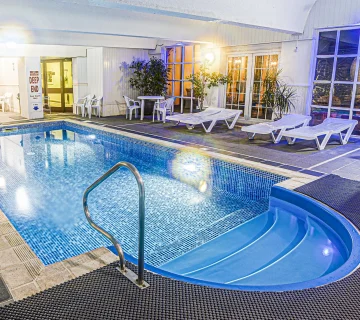
Travellers should also decide which amenities they will actually use. A swimming pool, spa, bar and elaborate dining facilities may be attractive, but they are less important if most of the day will be spent on game drives. Money can be redirected towards activities, a knowledgeable guide or an additional night in a wildlife area.
At the same time, avoid saving money by choosing accommodation that compromises basic safety or hygiene. Check recent guest feedback, ask about security arrangements and confirm that the property can provide the facilities you need. A slightly higher price is justified when it offers a safer environment, better access and a more dependable night’s rest.
What to Check Before Confirming a Booking
Before paying a deposit, ask for clear information about the room category and bathroom arrangements. Confirm whether the bathroom is private or shared, whether hot water is available and whether electricity is reliable. If you need internet access for work or communication, ask whether Wi-Fi reaches the guest rooms rather than only the reception area.
Clarify the property’s location and the time needed to reach the park gate or activity meeting point. This is especially important for gorilla trekking, chimpanzee tracking and early-morning game drives. If transport is included, establish the pick-up time, whether the vehicle is shared and whether extra charges apply for transfers.
Ask about meals and drinking water. Remote properties may have limited nearby restaurants, so knowing the meal arrangements in advance can prevent unexpected expenses. If you have dietary requirements, explain them before arrival and confirm that the property can accommodate them.
Finally, check the cancellation policy, deposit requirements and payment methods. Keep written confirmation of the dates, room type, number of guests and services included. For safari packages, make sure you understand which costs are covered by the operator and which must be paid separately.
Matching Accommodation to the Safari You Want
The best budget accommodation is the one that fits the purpose of the trip. Travellers mainly interested in game drives may prefer a simple lodge near the relevant park entrance. Gorilla trekkers should prioritise a convenient location for the assigned briefing point. Birdwatchers may benefit from accommodation close to wetlands, forests or other habitats they plan to explore.
For a family holiday, reliable meals, private bathrooms and sufficient space may matter more than the lowest possible rate. For backpackers, a hostel or campsite may be a good choice if it provides secure storage and clean facilities. Couples who want privacy can look for small tented camps or guesthouses that offer a quieter setting without the prices of luxury lodges.
A comfortable budget safari does not require every night to be spent in the same type of accommodation. Travellers can combine a basic guesthouse in town with a more convenient lodge near a national park, depending on the activities planned. Spending a little more on the nights when location and rest matter most can help keep the overall trip affordable.
East Africa has accommodation choices for different budgets, from simple campsites to small lodges with private bathrooms and prepared meals. By comparing the full cost, checking the facilities and choosing a practical location, travellers can enjoy the region’s wildlife and landscapes without paying for luxury services they do not need.


No comment