
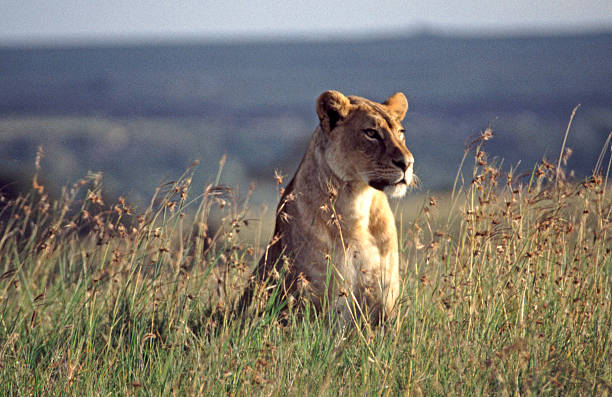
Nairobi National Park: Lions With a City Skyline Behind Them
Nairobi National Park in Kenya offers one of Africa’s most extraordinary wildlife experiences, where lions, giraffes, zebras and endangered black rhinos roam across open grasslands with the modern Nairobi skyline rising in the background. Located just a short drive from the city centre, this remarkable national park allows travellers to enjoy an authentic African safari without travelling hundreds of kilometres into the countryside.
Imagine watching a pride of lions resting beneath an acacia tree while tall office buildings stand on the distant horizon. This unusual combination of wilderness and urban development makes Nairobi National Park one of Kenya’s most recognisable photography destinations.
Established in 1946, the park is also important for wildlife conservation, particularly the protection of endangered black rhinoceroses.
For travellers arriving in Nairobi, the park provides an excellent introduction to Kenya’s wildlife, with opportunities for half-day and full-day safari experiences.
Where Is Nairobi National Park Located?
Nairobi National Park lies immediately south of Nairobi’s urban area, approximately eight to ten kilometres from the central business district.
The park covers around 117 square kilometres and contains open plains, scattered acacia woodland, riverine vegetation and seasonal wetlands.
Its northern boundary borders developed parts of Nairobi, while the southern landscape connects with the wider Athi-Kapiti plains.
Quick Facts About Nairobi National Park
| Feature | Description |
|---|---|
| Country | Kenya |
| Location | Nairobi County |
| Established | 1946 |
| Park size | Approximately 117 km² |
| Main attraction | Wildlife against Nairobi’s skyline |
| Famous predators | Lions and leopards |
| Endangered wildlife | Black rhinoceros |
| Bird species | More than 400 recorded |
| Opening hours | 6:00 am–6:00 pm |
| Recommended visit | Half-day or full day |
| Management | Kenya Wildlife Service |
Why Is Nairobi National Park Special?
Nairobi National Park is unusual because it protects free-ranging wildlife beside a major African capital.
The park was established before Nairobi expanded into the large modern city seen today.
As the surrounding urban area developed, the national park remained an important refuge for animals and natural habitats.
The Contrast Between Nature and the City
Visitors can observe giraffes browsing near woodland while tall buildings appear in the background.
Lions may rest on open plains with the city’s skyline visible in the distance.
Zebras and antelopes graze across grasslands that seem surprisingly remote from nearby urban neighbourhoods.
These scenes create memorable photographic opportunities that are difficult to reproduce in more isolated national parks.
The History of Nairobi National Park
Nairobi National Park was established in December 1946.
It became Kenya’s first national park and helped establish the country’s protected-area conservation system.
Before the city expanded, wildlife moved across extensive plains around Nairobi.
Why the Park Was Created
Growing settlement and agricultural development increased pressure on wildlife habitats.
Conservation authorities recognised the importance of protecting part of the remaining natural landscape.
The establishment of Nairobi National Park created a protected area for wildlife and future generations.
Today, the park remains a significant symbol of conservation within a rapidly developing city.
Lions in Nairobi National Park
Lions are among the park’s most exciting animals.
Several prides occupy different areas of the protected landscape.
Visitors may encounter lions resting in grassland, walking across roads or watching grazing animals from shaded locations.
Where Can Visitors See Lions?
Lions move throughout suitable habitats according to prey availability, weather and territorial behaviour.
Open grasslands provide opportunities for observing resting or travelling animals.
A knowledgeable safari guide can identify areas where lions have recently been reported.
However, sightings are never guaranteed.
Photographing Lions With the Nairobi Skyline
One of the park’s most famous experiences is photographing lions with Nairobi’s buildings behind them.
The unusual background creates a powerful contrast between modern development and natural wildlife habitats.
How to Capture the Best Photographs
Use a zoom lens to photograph lions from a safe distance.
Position the vehicle where the skyline appears naturally behind the animal.
Early morning light often provides attractive colours and comfortable viewing conditions.
Avoid asking drivers to approach animals too closely.
A good photograph should never interfere with natural wildlife behaviour.
Other Predators in the Park
Although lions attract considerable attention, Nairobi National Park supports other predators.
Leopards occur in suitable woodland and riverine habitats.
Spotted hyenas and smaller carnivores may also be encountered.
Are Leopards Easy to See?
Leopards are generally more secretive than lions.
They often rest in dense vegetation or trees.
Sightings require patience and good observation.
Visitors should remember that a successful safari does not depend entirely on seeing predators.
Black Rhino Conservation
Nairobi National Park is one of Kenya’s important black rhinoceros sanctuaries.
These endangered animals have faced serious threats from poaching and habitat loss.
Protected habitats and intensive security measures help support their survival.
Why Black Rhinos Matter
Black rhinos are browsers that feed on leaves, shrubs and woody vegetation.
Their feeding behaviour influences vegetation structure.
Protecting them also supports conservation of the wider ecosystem.
Where to Find Rhinos
Rhinos may be encountered during game drives through suitable woodland and open habitats.
Their movements are unpredictable.
Visitors should remain inside vehicles and avoid approaching them.
Wildlife Found in Nairobi National Park
The park supports a surprising variety of animals despite its relatively small size.
Animals Visitors May Encounter
| Animal | Typical viewing habitat |
|---|---|
| Lion | Open grassland and woodland |
| Black rhinoceros | Bushland and open plains |
| African buffalo | Grassland and wetland edges |
| Maasai giraffe | Woodland and scattered trees |
| Plains zebra | Open grassland |
| Impala | Grassland and woodland edges |
| Common eland | Open plains |
| Hartebeest | Savannah grassland |
| Hippopotamus | Suitable water habitats |
| Leopard | Woodland and riverine vegetation |
Elephants are not part of the park’s resident wildlife population, so visitors seeking elephant herds should consider other Kenyan national parks.
Giraffes and Zebras Against the Skyline
Giraffes and zebras are among the park’s most photogenic animals.
Their movements across the open plains create beautiful scenes.
Why the Background Matters
A giraffe standing beneath an acacia tree provides a classic African safari photograph.
When Nairobi’s buildings appear beyond the grassland, the image becomes distinctly associated with this national park.
Visitors should look for natural opportunities rather than attempting to move or disturb animals.
Birdwatching in Nairobi National Park
Nairobi National Park is an excellent destination for birdwatchers.
More than 400 bird species have been recorded.
The park’s habitats include grassland, woodland, wetlands and riverine vegetation.
Birds to Look For
| Bird species | Main attraction |
|---|---|
| Secretary Bird | Hunts while walking through grassland |
| Kori Bustard | Large terrestrial bird |
| Grey Crowned Crane | Distinctive golden crown |
| African Fish Eagle | Powerful fish-eating raptor |
| Martial Eagle | Large bird of prey |
| Lilac-breasted Roller | Colourful plumage |
| Southern Ground Hornbill | Large ground-dwelling bird |
Species occurrence and sightings depend on habitat and season.
The Nairobi National Park Landscape
The park contains several different habitats.
Open grasslands dominate much of the scenery.
Scattered trees provide shade for wildlife.
Riverine habitats support more concentrated vegetation.
Why Habitat Diversity Matters
Different animals require different feeding environments.
Zebras graze on grasses.
Giraffes browse from trees.
Predators follow suitable prey populations.
Wetland areas support birds and aquatic wildlife.
This diversity allows the park to protect numerous species within a relatively limited area.
The Ivory Burning Site
Nairobi National Park contains the historic Ivory Burning Site.
In 1989, Kenya publicly destroyed a large stockpile of confiscated ivory as a statement against elephant poaching and illegal ivory trade.
The event attracted international attention.
Why the Site Is Important
The ivory burning represented Kenya’s commitment to stronger elephant protection.
It remains an important symbol of wildlife conservation.
Visitors can learn about the historical significance of the site during appropriate park excursions.
Best Time to Visit Nairobi National Park
Nairobi National Park can be visited throughout the year.
However, relatively dry months are often convenient for game drives.
January to March and June to October are popular periods.
Seasonal Safari Conditions
| Period | General conditions |
|---|---|
| January–March | Often warm and relatively dry |
| April–May | Increased rainfall |
| June–October | Generally comfortable game drives |
| November–December | Variable rainfall |
Rain can make some tracks muddy, while green vegetation creates attractive scenery.
Why Early Morning Game Drives Are Popular
Early morning is generally one of the best times to explore the park.
Predators may be active before temperatures rise.
The morning light also provides excellent photography conditions.
Recommended Safari Times
| Experience | Suggested time |
|---|---|
| Early morning game drive | 6:00 am–10:00 am |
| Half-day safari | Approximately 4–5 hours |
| Full-day safari | Approximately 7–10 hours, within park hours |
| Birdwatching | Early morning |
Wildlife activity varies, and afternoon drives can also be rewarding.
Nairobi National Park Entrance Fees
Kenya Wildlife Service publishes different conservation fees according to visitor category.
Published Park Entry Fees
| Visitor category | Adult | Child |
|---|---|---|
| East African citizen | KES 1,000 | KES 500 |
| Kenya resident | KES 1,350 | KES 675 |
| African citizen outside East Africa | USD 40 | USD 20 |
| International non-resident | USD 80 | USD 40 |
These are the published conservation fees applicable in 2026. Verify the rates before travelling.
Vehicle entry and safari transport may attract separate charges.
How to Reach Nairobi National Park
The main entrance is located along Lang’ata Road.
Visitors can reach the park from central Nairobi using private vehicles, taxis or organised safari transport.
The journey may take approximately 20–45 minutes, depending on traffic and the starting location.
Transport Options
A guided safari vehicle is convenient for wildlife viewing.
Private transport provides flexibility for photographers.
Organised tours may include hotel pickup and drop-off.
Visitors should confirm transport arrangements before departure.
What to Bring for a Game Drive
A half-day safari requires relatively little equipment.
However, good preparation improves comfort.
Recommended Items
Binoculars.
Camera with a zoom lens.
Drinking water.
Sun hat and sunscreen.
Comfortable clothing.
Light jacket for early morning.
Insect repellent.
Valid identification documents.
Neutral-coloured clothing is practical but not compulsory for vehicle-based game drives.
Can You Walk Inside Nairobi National Park?
Ordinary visitors should remain inside vehicles during game drives.
Walking is restricted to designated areas or authorised activities.
Important Safari Safety Rules
Never leave the vehicle near wildlife.
Maintain at least 20 metres from animals.
Do not feed wildlife.
Stay on designated roads.
Observe the 40 km/h park speed limit.
Follow Kenya Wildlife Service instructions.
These precautions protect visitors and animals.
Nairobi Safari Walk and Animal Orphanage
The Nairobi Safari Walk and Nairobi Animal Orphanage are separate attractions associated with Kenya Wildlife Service.
They provide educational opportunities and different ways to learn about wildlife.
Are They Included in Park Admission?
Standard park admission does not automatically include these attractions.
A separate ticket or an applicable combined package may be required.
Visitors should confirm current ticket arrangements.
Combining Nairobi National Park With Other Attractions
Nairobi offers several wildlife and cultural attractions that can be combined with the park.
Popular options include the Giraffe Centre and the Sheldrick Wildlife Trust Nairobi Nursery.
Suggested One-Day Nairobi Wildlife Itinerary
Early Morning: Begin a game drive in Nairobi National Park.
Late Morning: Continue to the Sheldrick Wildlife Trust for its pre-booked public nursery visit.
Afternoon: Visit the Giraffe Centre to learn about Rothschild’s giraffe conservation.
This itinerary requires careful timing, separate admission arrangements and advance booking where applicable.
Accommodation Near Nairobi National Park
Visitors can stay in Nairobi’s city hotels or selected safari lodges around the park.
The surrounding areas include Lang’ata, Karen and locations along Mombasa Road.
Choosing Accommodation
| Accommodation type | Suitable travellers |
|---|---|
| City hotel | Short Nairobi stays |
| Safari lodge | Nature-focused visitors |
| Boutique guesthouse | Couples and families |
| Airport-area hotel | Transit travellers |
Choosing a convenient location can reduce travel time before early morning game drives.
Conservation Challenges Facing the Park
Nairobi National Park faces unusual conservation pressures because of its location beside a rapidly expanding city.
Urban development, roads and other infrastructure affect surrounding habitats.
Maintaining wildlife movement routes towards the southern plains remains important.
Why Wildlife Corridors Matter
Some animals move between the protected area and neighbouring landscapes.
These movements allow access to additional feeding habitats.
Habitat fragmentation can restrict movement and increase human-wildlife conflict.
Conservation efforts therefore require cooperation between wildlife authorities, neighbouring communities and landowners.
Responsible Wildlife Tourism
Visitors play an important role in protecting Nairobi National Park.
Avoid loud noises.
Never throw food towards animals.
Do not litter or leave plastic waste.
Respect wildlife viewing distances.
Choose operators who follow conservation regulations.
Responsible tourism helps protect wildlife while supporting Kenya’s national park system.
Why Nairobi National Park Is Worth Visiting
Nairobi National Park offers an extraordinary opportunity to experience African wildlife beside a modern capital city.
Its lions, rhinos, giraffes, zebras and numerous birds create rewarding safari encounters within a short distance of Nairobi’s hotels and airport.
The famous skyline provides a distinctive photographic background, while the park’s conservation history adds meaning to every visit.
For travellers with limited time or those beginning a longer Kenyan safari, Nairobi National Park offers a memorable introduction to East Africa’s wildlife and the continuing importance of protecting natural habitats.






No comment