
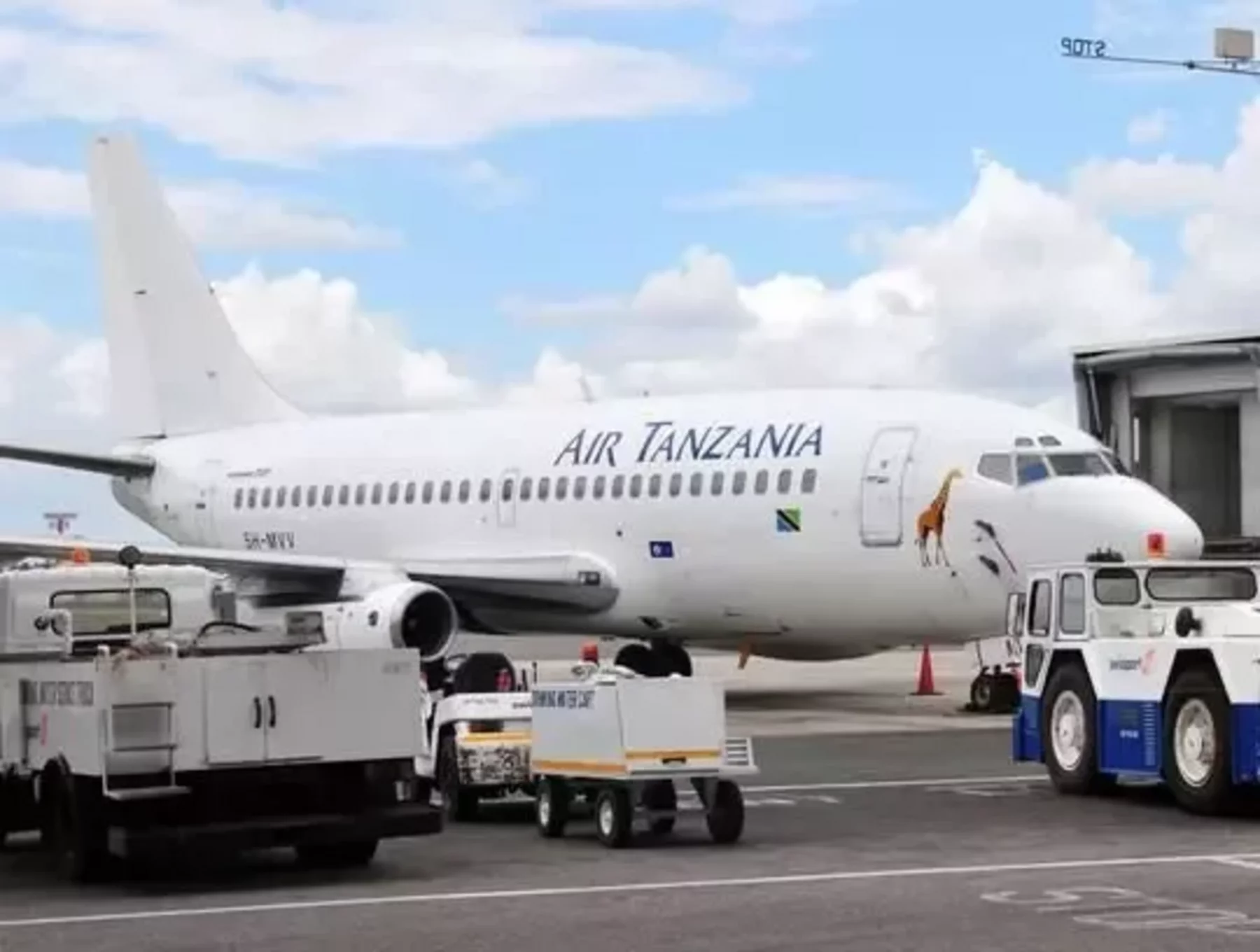
Julius Nyerere International Airport: Arrivals and Layover Tips
Julius Nyerere International Airport is Dar es Salaam’s main international airport and one of Tanzania’s principal gateways for business travellers, holidaymakers and visitors connecting to domestic destinations. Located southwest of the city centre, the airport serves international routes as well as flights to other parts of Tanzania, including Zanzibar and destinations used for wildlife safaris.
Dar es Salaam is Tanzania’s largest city and an important commercial centre on the Indian Ocean coast. Some travellers arrive to explore the city, visit its markets and waterfront, or continue by ferry to Zanzibar. Others use the airport as a connecting point before flying to safari destinations, visiting family or travelling to another country.
Your experience after landing depends partly on whether you are entering Tanzania or remaining in transit. Passengers entering the country must complete immigration and customs formalities, while eligible connecting passengers may be able to follow the airport’s transfer procedures without entering the city. Terminal arrangements, airline baggage agreements and connection times all affect how smoothly the journey proceeds.
Preparing your travel documents, understanding the airport layout and arranging suitable transport before arrival can save time and reduce stress, especially if you have a short connection or plan to explore Dar es Salaam during a layover.
Where Is Julius Nyerere International Airport Located?
Julius Nyerere International Airport, commonly identified by the airport code DAR, is situated in the southwestern part of Dar es Salaam. It is approximately 12 to 15 kilometres from the central business district, depending on the destination and route.
Although this distance may appear short, road traffic can significantly affect journey times. A trip to central Dar es Salaam may take around 30 to 60 minutes, but congestion can make it considerably longer during busy periods.
The airport serves travellers heading to areas such as the city centre, Kariakoo, Masaki, Oyster Bay and other residential or business districts. These destinations are spread across the city, so the time and cost of an airport transfer depend on the exact location of your hotel or meeting.
If you are connecting to another flight, the most important detail is your departure terminal and whether you must collect your baggage or check in again. If you are planning to leave the airport during a layover, allow time for immigration, transport, possible traffic delays and the return journey.
Understanding the Airport Terminals
Julius Nyerere International Airport has three passenger terminals, and understanding their roles can help you plan your arrival and onward connection.
Terminal I primarily handles general aviation, including scheduled and charter operations within the country. Terminal II serves domestic passenger flights, while Terminal III is the main international terminal.
The terminal used for your flight depends on the airline and service. Always confirm the correct terminal with your airline rather than assuming that every domestic flight departs from the same building.
Terminal III for International Flights
Terminal III is the main terminal for international passenger operations. International arrivals generally pass through immigration, baggage collection and customs before entering the public arrivals area.
If you are arriving from outside Tanzania and intend to stay in Dar es Salaam, you will normally use the international arrivals process. Have your passport and any required visa documentation ready before reaching the immigration counter.
Passengers connecting to another international flight may be able to use the airport’s transfer procedures, depending on the airline, ticket arrangement and baggage requirements. Follow the transfer signs and ask airline staff for help if you are unsure whether you need to enter the country.
Terminal II for Domestic Flights
Terminal II serves domestic passenger flights. Travellers connecting from an international arrival to a domestic departure should confirm how to reach the correct terminal and whether they must clear immigration and customs before continuing.
A connection between international and domestic flights may require you to collect your luggage, pass through customs and check in again. This is particularly important when the flights are booked separately or the airlines do not have an agreement to transfer baggage.
Do not assume that a connecting flight will automatically receive your checked luggage. Confirm the arrangements with the airline before departure and leave enough time for any terminal change.
Terminal I and General Aviation
Terminal I mainly serves general aviation and charter operations. It may be relevant to travellers using private aircraft, charter services or particular domestic operations.
If you have booked a charter flight for a safari or a private journey, confirm the departure point directly with the operator. Do not assume that the flight will use the same terminal as a scheduled international service.
What to Expect During Arrival Procedures
After landing, follow the airport signs to immigration and passport control. Keep your passport, boarding pass and supporting travel documents accessible.
The immigration officer may ask about the purpose of your visit, your accommodation, the length of your stay and your onward travel plans. Answer accurately and provide supporting documents if requested.
Once immigration is complete, proceed to baggage collection if you have checked luggage. Check the baggage screens for the correct carousel and report missing or damaged baggage to the airline’s representative before leaving the controlled area.
After collecting your bags, continue through customs. If you are carrying goods that require declaration, follow the appropriate customs procedure rather than assuming that all luggage can pass without inspection.
Passengers connecting to another flight should follow the transfer signs and check with airline staff if they need a boarding pass or must move to another terminal. The correct procedure depends on whether you already have your onward boarding pass and whether the baggage is checked through to the final destination.
Visa Requirements for Entering Tanzania
Visa requirements depend on your nationality, passport type and purpose of travel. Some travellers must obtain a visa, while others qualify for visa exemptions under Tanzania’s entry arrangements.
Tanzania offers an electronic visa application system through its official immigration services. Eligible visitors may apply before departure, and visa on arrival is available at designated entry points for travellers who qualify.
A standard single-entry tourist visa commonly costs US$50, while some nationalities have different fees or requirements. A multiple-entry visa commonly costs US$100, and a transit visa commonly costs US$30. These amounts are general reference figures and may differ according to nationality, visa category and current regulations.
Travellers should check the latest requirements through the Tanzania Immigration Services Department before purchasing tickets or beginning their journey. Some nationalities fall under a referral visa category and must obtain special approval before travel. These visitors should not assume that they can receive a visa immediately at the airport.
Passport Validity and Supporting Documents
Tanzania generally requires visitors to hold a passport or accepted travel document with at least six months of validity, subject to the applicable rules.
Keep your hotel reservation, return or onward ticket and contact information for your accommodation accessible. Immigration officers may request further details about your visit.
If you are travelling for a business meeting, conference or organised tour, carry any relevant invitation or booking information. Travellers visiting relatives or friends should have their host’s contact details available.
A visa does not automatically guarantee entry. Immigration officers make the final decision after checking whether the traveller meets the entry requirements.
Transit Passengers and Visa Requirements
A short airport connection does not always require the same visa arrangements as entering Tanzania for a city visit. The applicable rules depend on your nationality, whether you remain in the international transit area and whether you need to pass through immigration to collect luggage or check in again.
Tanzania offers a transit visa for eligible travellers passing through the country to another destination, generally for a short stay and subject to the required onward travel documentation. A transit visa is not a substitute for a tourist visa if your plans involve activities outside the permitted transit conditions.
If you intend to leave the airport during a long layover, check whether your nationality requires a visa or other entry authorisation. Do not assume that a connecting flight automatically gives you permission to enter the city.
Customs Rules at Julius Nyerere International Airport
Customs procedures apply to travellers entering Tanzania with personal belongings, purchases, commercial goods or restricted items. Many passengers carrying ordinary personal luggage pass through without difficulty, but certain goods may need to be declared or may require permits.
Tanzania Revenue Authority provides guidance on duty-free allowances, imported goods, currency declarations and restricted items. If you are unsure about an item, ask a customs officer before proceeding.
Personal Belongings and Valuable Items
Ordinary clothing, personal toiletries and other belongings for your own use are different from merchandise brought into the country for resale or business purposes.
High-value items manufactured overseas may need to be declared under the applicable rules. Travellers carrying professional equipment, substantial quantities of new products or commercial samples should establish whether customs documentation is required.
Keep receipts, invoices or equipment lists where appropriate. These documents can help explain the ownership, value and intended use of items if customs officers ask questions.
Cash and Currency Declarations
Travellers carrying large amounts of cash should check Tanzania’s current currency declaration requirements before arrival. Do not assume that all cash amounts can be carried across the border without declaration.
If you are travelling with a substantial amount of money for business, safari expenses or another purpose, confirm the applicable thresholds and procedures with the relevant authorities.
Keep your money secure and avoid displaying large amounts unnecessarily in public areas. Use authorised financial services when exchanging currency and check the rate and any fees before completing a transaction.
Restricted Goods and Special Permits
Some goods are prohibited or subject to additional controls. These may include certain weapons, ammunition, controlled medicines, protected wildlife products and other regulated items.
Do not carry an item simply because it was legally purchased in another country. Import restrictions may differ, and some goods require advance permits.
If you are travelling with prescription medicine, keep it in its original packaging and carry a prescription or supporting medical documentation where appropriate. Check additional requirements for controlled medicines before travelling.
Wildlife products and items made from protected animals or plants may be subject to strict restrictions. Travellers should avoid buying or transporting such items without confirming that their possession and import or export are lawful.
How to Get From the Airport to Dar es Salaam City Centre
Once you have completed immigration and customs, you can continue to your accommodation using an authorised airport taxi, a pre-booked private transfer, an available ride-hailing service or public transport.
The best option depends on your arrival time, budget, luggage and familiarity with the city. For first-time visitors carrying several bags, a direct taxi or pre-arranged transfer is often the easiest choice.
Taking an Official Airport Taxi
Official airport taxis are available at designated ranks outside the terminals. The Tanzania Airports Authority identifies its airport taxis by white licence plates, a green ribbon and the Tanzania Airports Authority logo. These vehicles are operated by drivers licensed and certified by the relevant authorities.
Use the designated taxi area rather than accepting an unsolicited offer from someone approaching you inside the terminal.
Before departure, tell the driver your destination and agree on the fare. Do not assume that every taxi uses a meter or that all drivers charge an identical amount.
The cost depends on the route, traffic, vehicle and final destination. As a general budgeting reference, airport journeys to central Dar es Salaam have often been quoted at around TSh 30,000 to TSh 50,000, but fares can change. Confirm the current price before travelling.
If you are going to a hotel in Masaki, Oyster Bay or another area outside the central business district, ask for a quotation based on the exact address rather than the city centre.
Booking a Private Airport Transfer
A pre-booked transfer allows a driver to meet you at an agreed location after your flight arrives. You can arrange this through your hotel, a transport company or a tour operator.
When making a booking, provide your flight number, arrival date, expected landing time, number of passengers and luggage requirements. Confirm whether the driver will meet you inside the arrivals hall or at a designated pickup point outside.
Ask whether the fare includes waiting time for delayed flights, parking fees and any additional stops. If you are travelling with children or several large suitcases, request a suitable vehicle before confirming the booking.
Private transfers can be especially convenient for families, business travellers and groups. For several passengers sharing one vehicle, the total cost per person may be reasonable compared with arranging separate rides.
If you are heading directly to a safari lodge or another destination outside Dar es Salaam, make sure the quotation covers the complete journey rather than only transport to the city.
Using a Ride-Hailing Service
Ride-hailing services such as Uber and Bolt may be available in Dar es Salaam, depending on current service coverage, driver availability and operating conditions.
These services can be convenient because the app usually displays an estimated fare before you confirm the ride. You can also check the driver’s details and vehicle information through the booking.
You may need mobile data or airport Wi-Fi to request a vehicle. Follow the app’s pickup instructions and verify the registration number and driver details before getting into the car.
If the driver asks you to cancel the booking and negotiate a separate fare, consider whether you are comfortable with the change. Keeping the trip within the app can help preserve the booking information and fare estimate.
Ride-hailing can be useful for travellers who prefer to arrange transport through a phone, but availability and prices may vary during busy periods, heavy rain or late-night arrivals.
Using Public Transport
Public buses provide a lower-cost option for travellers who are comfortable navigating local transport. The airport operator identifies a public bus stop outside the airport’s main entrance gate along Julius Nyerere Road.
The stop is approximately a seven-minute walk from Terminal II and a nine-minute walk from Terminal III, according to the airport’s published transport information. Actual walking time may vary depending on luggage and conditions.
Public transport is generally more suitable for travellers with light luggage, flexible schedules and some experience using local transport. It can be less convenient for visitors arriving late at night, travelling with children or carrying several suitcases.
Before leaving the terminal, confirm the route, direction, fare and where you need to get off. You may need to connect to another service to reach your hotel.
Carry some Tanzanian shillings for local fares and small purchases. Do not assume that every bus or local transport provider accepts bank cards or foreign currency.
How Long Does It Take to Reach the City?
Although the airport is relatively close to Dar es Salaam’s central districts, traffic can make the journey unpredictable.
A transfer to the city centre may take around 30 to 60 minutes under ordinary conditions, but heavy congestion can extend the trip to 90 minutes or longer. Travel time also depends on where you are staying.
The city centre, Kariakoo, Masaki and Oyster Bay are different destinations, and each can have different travel times. If you are travelling to a meeting, hotel check-in or ferry departure, allow additional time for traffic and delays.
Avoid scheduling a tight connection between an airport arrival and an important appointment. Immigration queues, baggage collection and transport delays can all affect your arrival time.
If you have a short layover, the safest decision may be to remain at the airport rather than attempt to visit the city and return for your flight.
Planning a Layover at Julius Nyerere International Airport
A layover can provide an opportunity to rest, eat, work or explore Dar es Salaam, depending on how much time you have and whether you are permitted to enter Tanzania.
The most important distinction is between an airside transit and a landside layover. During an airside transit, you remain in the airport’s controlled international transfer area. During a landside layover, you pass through immigration and enter the country.
Your nationality, visa status, baggage arrangements and onward flight determine whether you can leave the airport. Check these details before making plans outside the terminal.
A Short Layover of Two to Four Hours
For a short connection, remaining at the airport is usually the most practical option. Even if your next flight is scheduled only a few hours later, you may need time for transfer procedures, security screening and boarding.
If you already have your onward boarding pass, follow the transfer signs and proceed through the required security checks. If you do not have a boarding pass, ask your airline whether you can obtain one at the transfer desk.
Do not assume that a short connection allows enough time to visit central Dar es Salaam. Road traffic can be unpredictable, and you would need to allow time to return, clear any required security checks and reach the boarding gate before departure.
Use the available airport facilities to eat, shop or rest while waiting. Keep an eye on the departure screens because gate information can change.
A Layover of Five to Eight Hours
A longer layover may provide time for a meal, work or relaxation at the airport. Whether you can leave the airport depends on your entry requirements and the time needed to complete immigration and transport arrangements.
Although Dar es Salaam’s city centre is not far away in distance, traffic can consume a significant part of your layover. A trip into town is only worth considering if you have sufficient time, the correct entry permission and a clear plan for returning.
If you decide to leave, choose a destination that does not require a long cross-city journey. Confirm your return transport before departing the airport and keep a generous time buffer for traffic.
For many travellers, using airport facilities and resting before the next flight is less stressful than trying to fit sightseeing into a short stop.
An Overnight Layover
If your connection requires an overnight stay, consider booking a hotel near the airport or in a suitable area of Dar es Salaam.
An airport-area hotel may reduce the time needed for transfers, particularly if your next flight departs early in the morning. A city hotel may offer more dining and sightseeing options but can involve longer journeys through traffic.
Check whether your airline provides accommodation during a long disruption or overnight connection. Such arrangements depend on the airline, ticket conditions and circumstances, so do not assume that a hotel will be provided automatically.
Before booking accommodation, establish whether you can enter Tanzania under your nationality and visa conditions. If you must leave the airport to reach the hotel, you will need to satisfy the relevant immigration requirements.
Can You Leave the Airport During a Layover?
You may be able to leave the airport during a layover if you meet Tanzania’s entry requirements and have sufficient time before your onward flight. However, remaining in transit and entering the country are different situations.
If you plan to visit Dar es Salaam, collect baggage that is not checked through, or stay at a hotel outside the airport, you may need to clear immigration. Confirm the visa requirements for your nationality and circumstances before departure.
Some travellers qualify for visa-free entry, while others need a tourist visa or another appropriate authorisation. A transit visa may be available for eligible travellers continuing to another country, but it should not be treated as automatic permission for any type of visit.
If you are uncertain about your eligibility, contact the Tanzania Immigration Services Department or your airline before travelling. Do not rely solely on advice from a third-party booking website.
Even when entry is permitted, calculate the time needed for immigration, baggage collection, road travel, returning to the airport and completing the next flight’s check-in or security requirements. A layover that appears long on paper can become tight once these steps are included.
Visiting Zanzibar During a Layover in Dar es Salaam
Some travellers use Julius Nyerere International Airport as a connection point before continuing to Zanzibar. The island can be reached by domestic flight or by ferry from Dar es Salaam.
However, a visit to Zanzibar during a short layover requires careful planning. The ferry departs from the city port rather than the airport, so you must account for the road journey to the port, ticketing, boarding procedures and the crossing itself.
The ferry journey between Dar es Salaam and Zanzibar generally takes around two hours, depending on the service and conditions. Ferry schedules and departure arrangements vary, and services do not operate throughout every hour of the day.
If you plan to use the ferry, check the current timetable and ticket conditions with the operator before travelling. Allow enough time to reach the port and follow the required boarding procedures.
For a short airport connection, a same-day trip to Zanzibar is usually not advisable unless the timing has been planned carefully and there is a substantial margin. A separate domestic flight may be more suitable for some itineraries, but it also requires adequate connection time.
If Zanzibar is your main destination, compare the available flight options before booking. Flying directly to Zanzibar can sometimes be more convenient than landing in Dar es Salaam and arranging a separate transfer.
Airport Services and Facilities While You Wait
Julius Nyerere International Airport provides services for passengers who need to wait before a connecting flight. Facilities include food and shopping options, as well as services such as currency exchange, banking and internet access, subject to availability and operating hours.
The facilities available to you may depend on your terminal and whether you have passed through security. Some services may be located before security screening, while others are inside the departure area.
If you have a long wait, check where food outlets, rest areas and other facilities are located. Keep your passport and boarding pass accessible, and monitor announcements and departure screens.
Do not assume that every service will be open during a late-night layover. If you require a specific facility, such as a cash machine or place to eat, confirm availability before relying on it.
Currency, Mobile Internet and Payments
The Tanzanian shilling is the local currency and is useful for taxis, local transport, refreshments and small purchases. Some hotels and larger businesses may accept international payment cards, but smaller providers may prefer cash.
If you need local currency, use authorised exchange services and check the rate and any fees before completing a transaction. Avoid exchanging money with unofficial individuals offering rates that appear unusually favourable.
A working mobile phone is useful for contacting your driver, checking your airline’s updates and using transport applications. You may be able to access airport Wi-Fi or arrange a local SIM card, depending on current availability and registration requirements.
If you are using a ride-hailing app, confirm that your account works and that you can access the internet. Save your accommodation details and transfer confirmation offline in case you cannot connect immediately after landing.
Keep your phone charged during a long layover. A portable charger can be helpful, especially if you need to coordinate with a driver or check the status of your onward flight.
Baggage Rules for Connecting Flights
Baggage arrangements are particularly important when connecting between international and domestic flights or travelling on separate tickets.
If your flights are booked together and the airlines have an appropriate baggage agreement, your checked luggage may be tagged through to your final destination. However, this is not guaranteed for every route or airline combination.
If your bags are checked only to Dar es Salaam, you may need to collect them after arrival, pass through customs and check in again for your next flight. This can require more time and may involve entering Tanzania.
Ask the airline at your original departure airport where your bags will be checked through. Check the destination printed on the baggage tag and confirm whether you need to collect your luggage during transit.
If you are travelling on separate tickets, allow extra time because the next airline may not be responsible for protecting your connection if the first flight is delayed.
Keep essential medication, travel documents, money and valuables in your cabin bag, subject to airline security rules. If your checked luggage is delayed, report it to the airline before leaving the airport.
Safety Tips for Airport Arrivals
Use the designated taxi ranks or a transport provider you have booked in advance. Official airport taxis can be identified by the Tanzania Airports Authority logo and green ribbon, according to the airport operator.
Confirm the fare before entering a taxi if the price is not displayed or automatically calculated. Make sure the driver understands your destination and clarify whether additional stops or waiting time will cost extra.
If using a ride-hailing service, check the driver’s name, vehicle registration and booking details before getting into the car. Avoid agreeing to an unexpected off-app arrangement if you are uncomfortable with it.
Keep your passport, cash, phone and other valuables secure. Avoid displaying large amounts of money in public areas, and be cautious when accepting unsolicited assistance with transport or currency exchange.
If you are travelling alone, sharing your arrival and transfer details with someone you trust can provide an additional safety measure. For late-night arrivals, a confirmed transfer may be more convenient than searching for transport after leaving the terminal.
Common Mistakes to Avoid
One common mistake is assuming that all flights use the same terminal. Terminal I, Terminal II and Terminal III serve different operations, so confirm the correct terminal with your airline before departing.
Another mistake is assuming that a connecting flight automatically means your luggage will be transferred. Check your baggage arrangements and whether you must collect your bags, clear customs and check in again.
Travellers also sometimes underestimate Dar es Salaam traffic. The airport may be relatively close to the city centre, but road delays can affect both airport transfers and sightseeing plans.
Do not assume that a long layover automatically gives you permission to leave the airport. Check your visa or entry status before planning a city visit.
Finally, avoid arranging a ferry trip to Zanzibar or a city excursion without considering the return journey. Transport delays, boarding requirements and flight check-in times all need to be included in your plan.
Final Preparations Before Travelling Through Julius Nyerere International Airport
Before departure, confirm your visa or entry requirements, passport validity, terminal information and baggage arrangements. If you have a connecting flight, ask your airline whether you will remain in transit or need to clear immigration and collect your luggage.
For travel into Dar es Salaam, choose an authorised airport taxi, a pre-booked private transfer, an available ride-hailing service or public transport according to your budget and arrival time. Agree on taxi fares before departure and allow extra time for road congestion.
If your layover is short, staying at the airport is usually the least complicated option. A longer stop may provide time to rest or explore the city, but only if you meet Tanzania’s entry requirements and have sufficient time to return for your flight.
For onward travel to Zanzibar, confirm flight or ferry schedules and plan the transfer carefully. For domestic connections elsewhere in Tanzania, verify the terminal and baggage arrangements with your airline.
With the right preparation, Julius Nyerere International Airport can be a manageable arrival point and a useful gateway to Dar es Salaam, Zanzibar and Tanzania’s wider travel destinations.







No comment