
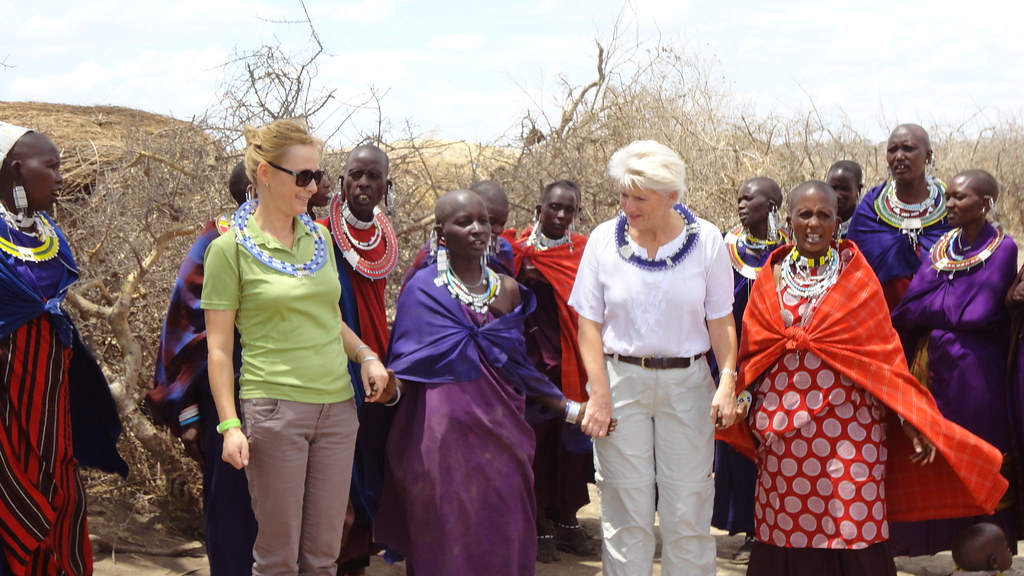
How to Greet People in Swahili, Luganda and Kinyarwanda
Greeting people is one of the simplest ways to make a good first impression when travelling through East Africa. Whether you arrive in Kampala, explore the streets of Nairobi, visit Kigali or begin a safari in northern Tanzania, knowing how to greet someone in their language can make everyday interactions more welcoming. A greeting can open a conversation with a hotel receptionist, help you connect with a tour guide, make shopping more comfortable or show respect when visiting a local community.
East Africa has many languages, but Swahili, Luganda and Kinyarwanda are particularly useful for travellers visiting Tanzania, Kenya, Uganda and Rwanda. Swahili is widely used in Kenya and Tanzania and is also understood by some people in neighbouring countries. Luganda is especially common in central Uganda, including Kampala and surrounding areas. Kinyarwanda is Rwanda’s principal national language and is spoken throughout the country.
Each language has its own expressions, pronunciation patterns and social customs. Some greetings change depending on the time of day, the age of the person being addressed or the level of respect required. Learning these differences helps visitors avoid relying on a single expression in every situation.
You do not need to become fluent before your trip. Learning a few greetings, understanding the usual responses and knowing when to use polite expressions will help you communicate more naturally. The most important thing is to greet people respectfully, listen to their responses and be willing to learn.
Why Greetings Matter in East Africa
In many East African communities, greeting someone is an important part of ordinary social interaction. People may exchange greetings before discussing business, asking for directions or requesting assistance. Moving directly to a question without greeting the other person can sometimes sound abrupt, particularly in a personal or community setting.
The form of greeting depends on the situation. A short greeting may be enough when passing someone in a busy shop, while a longer exchange may be appropriate when meeting a host, an older person or a community leader. In professional settings, a greeting followed by a polite introduction is often a good starting point.
For safari travellers, greetings can be useful throughout the journey. You may greet a driver before leaving the hotel, thank restaurant staff after a meal, speak with a craft seller at a local market or meet residents during a cultural visit. A simple expression in the local language can show that you have made an effort to understand the place you are visiting.
However, not everyone in a country speaks the same language. Uganda has many local languages, and Luganda is not the first language of every Ugandan. Kenya and Tanzania also have diverse language communities. In Rwanda, Kinyarwanda is widely spoken, but visitors may also encounter people who use English, French or Swahili.
Use the language that is appropriate for the person and location. If you are unsure, begin with a polite greeting and allow the other person to guide the conversation.
How to Greet People in Swahili
Swahili, also known as Kiswahili, is one of the most useful languages for visitors travelling through East Africa. It is widely spoken in Tanzania and Kenya and is used in different contexts in Uganda and Rwanda. Learning basic Swahili greetings can help you interact with people in towns, markets, restaurants and tourism settings.
Jambo: A Common Tourist Greeting
“Jambo” means “hello” and is widely recognised, especially in tourist environments. Visitors often learn it before travelling to Kenya or Tanzania because it is short and easy to remember.
Although “Jambo” is familiar to many travellers, it is not always the most natural greeting in ordinary conversation between Swahili speakers. You can use it, but learning “Habari?” and “Hujambo?” will give you more options.
When greeting someone casually, smile, make appropriate eye contact and allow them to respond. In a formal setting, you can follow the greeting with your name or a simple question.
Habari: Asking How Someone Is
“Habari?” is a common greeting that can mean “How are things?” or “What’s the news?” It is useful in everyday conversations and can be used when meeting someone for the first time.
A common response is “Nzuri,” meaning “good.” You may hear “Nzuri, asante,” meaning “Good, thank you.” Another familiar expression is “Habari yako?” which asks how you are.
For example, you could greet a local guide with “Habari yako?” The guide might respond “Nzuri, asante,” before asking you the same question or continuing the conversation.
The word “habari” also appears in greetings connected with different times of day. “Habari za asubuhi?” asks how the morning is going, while “Habari za jioni?” asks about the evening. These expressions are useful when you want to greet someone in a more specific way.
Hujambo and Hamjambo
“Hujambo?” is a traditional Swahili greeting used when addressing one person. A common response is “Sijambo,” which indicates that the person is well.
When addressing a group, “Hamjambo?” is commonly used. The response is “Hatujambo.”
These expressions may sound unfamiliar to English speakers, but you do not need to master their grammatical structure to use them. Practise the greeting and response together so you can recognise what the other person says.
Greeting Someone in the Morning, Afternoon and Evening
Swahili has greetings that relate to different times of day. “Habari za asubuhi?” means “How is the morning?” and is suitable for a morning greeting. “Habari za mchana?” asks about the afternoon, while “Habari za jioni?” is used in the evening.
You may also hear “Shikamoo” when someone is greeting an older person or someone they wish to address respectfully. The response is commonly “Marahaba.” Usage varies by setting and community, but learning this exchange can be helpful when meeting elders.
Saying Thank You and Goodbye in Swahili
“ Asante” means “thank you,” and “Asante sana” means “thank you very much.” These expressions are useful after receiving help, buying something or finishing a conversation.
“Karibu” means “welcome” and can also be used in response to thanks, similar to “you’re welcome.” “Tafadhali” means “please,” while “Samahani” can mean “excuse me” or “sorry,” depending on the situation.
For goodbye, “Kwaheri” is a common expression when leaving one person. “Kwaherini” is used when saying goodbye to several people. “Tutaonana” means “we will see each other” and is a friendly way to say “see you later.”
These expressions will help you move beyond a basic greeting and communicate more politely during your travels.
How to Greet People in Luganda
Luganda is widely spoken in central Uganda, particularly in Kampala, Wakiso, Entebbe and nearby communities. It is useful for visitors spending time in the capital, exploring local markets, visiting cultural sites or interacting with residents outside formal tourism settings.
Uganda has many other languages, so Luganda should not be treated as a language spoken by every Ugandan. However, it is commonly heard in central Uganda and can be a helpful language for travellers visiting this part of the country.
Oli Otya: How Are You?
“Oli otya?” is a common Luganda greeting that means “How are you?” It is generally used when speaking to one person.
A common response is “Gyendi,” meaning “I am fine.” You may also hear “Bulungi,” which means “well” or “fine.”
A simple conversation could begin with “Oli otya?” followed by “Gyendi, webale.” This communicates that you are fine and expresses thanks. The exact response may vary depending on the person and the context.
When you meet a driver, shopkeeper or hotel worker in central Uganda, beginning with this greeting can make the interaction more personal. If the person responds in English, you can continue in English without difficulty.
Wasuze Otya: A Morning Greeting
“Wasuze otya?” is a common morning greeting. It asks how someone has spent the night and is often used when meeting someone in the morning.
A typical response is “Bulungi,” meaning “well.” You can add “webale” to express thanks.
This greeting is especially useful when staying with a local host or meeting someone early in the day. It is more specific than a general greeting because it refers to the night that has passed.
Osiibye Otya: Greeting Someone During the Day
“Osiibye otya?” asks how someone has spent the day so far. It is commonly used during daytime interactions.
A person may respond with “Bulungi” to indicate that the day has been good. These expressions are helpful when greeting someone you meet during a visit, at a local business or while moving around Kampala.
You do not need to use every greeting in every conversation. Choose one that fits the time and situation, then listen to the response.
Webale: Saying Thank You in Luganda
“Webale” means “thank you.” It is one of the most practical Luganda expressions for visitors because it can be used in many everyday situations.
“Webale nnyo” means “thank you very much.” The word “nnyo” adds emphasis, making the expression more appreciative.
You can use “Webale” after receiving directions, purchasing an item, being served a meal or receiving help from a local resident. A friendly tone and a smile will help communicate your appreciation even if your pronunciation is not perfect.
“Nsonyiwa” can be used to apologise or ask forgiveness, and it may also be suitable for getting someone’s attention politely, depending on context. If you need assistance, “Nyamba” means “help me.” A longer, polite request may be more appropriate in formal situations.
Greeting Elders and Showing Respect
When greeting older people in Uganda, respectful behaviour is important. The exact greeting depends on the language, community and relationship, so it is helpful to follow the lead of the person introducing you.
In Luganda-speaking settings, you may hear different forms of address depending on the person’s age and social relationship. Visitors should avoid assuming that one phrase is suitable for every elder or every formal meeting.
If you are visiting a cultural centre or a community with a local guide, ask how to greet elders appropriately. This is particularly useful during village visits, community tourism experiences and meetings with local leaders.
How to Greet People in Kinyarwanda
Kinyarwanda is Rwanda’s principal national language and is spoken across the country. It is useful for visitors exploring Kigali, Musanze, Volcanoes National Park, Lake Kivu and smaller communities.
English is used in many tourism and professional settings, but Kinyarwanda remains central to everyday communication. Learning a few greetings can help you connect with residents and show respect for local culture.
Muraho: Hello
“Muraho” is a common and polite Kinyarwanda greeting. It is a useful expression for travellers because it is widely understood and suitable for many everyday situations.
You can use “Muraho” when meeting hotel staff, a guide, a shopkeeper or someone you have been introduced to. After the greeting, you can introduce yourself or continue in English if the other person speaks it.
Another greeting you may hear is “Mwaramutse,” which is used in the morning. “Mwiriwe” is commonly used during the afternoon or evening. These greetings help you acknowledge the time of day rather than using the same expression throughout your visit.
Amakuru: Asking How Someone Is
“Amakuru?” is a common Kinyarwanda greeting that asks how things are or what the news is. A common response is “Ni meza,” meaning that things are good.
For example, you can greet someone with “Muraho, amakuru?” The person may respond “Ni meza.” The conversation can then continue with a question about your journey or a simple introduction.
As with other languages, the natural exchange may vary depending on the situation. You do not need to memorise a long conversation. Knowing the greeting and a suitable response is enough to begin.
Yego and Oya: Yes and No
“Yego” means “yes,” while “Oya” means “no.” These are simple words that can be useful when confirming basic information.
For example, a guide may ask whether you are ready to leave, or a hotel worker may confirm a request. Understanding these words can help you follow a simple exchange even when you do not understand every sentence.
However, do not rely on yes and no alone for important arrangements. When confirming a reservation, transport price or activity schedule, repeat the key information in a language both people understand or check the written details.
Murakoze: Thank You
“Murakoze” means “thank you.” “Murakoze cyane” means “thank you very much.”
These expressions are useful in hotels, restaurants, shops and community visits. You can use them when someone gives you directions, brings a meal or helps you understand something.
“Ndabizi” means “I know,” while “Ndabyumva” can mean “I understand.” “Sinumva” can be used to say “I do not understand.” These phrases are useful when trying to communicate beyond basic greetings.
If you want to ask whether someone speaks English, “Uvuga Icyongereza?” means “Do you speak English?” Speak slowly and give the other person time to respond.
Saying Goodbye in Kinyarwanda
“Murabeho” is a common way to say goodbye when leaving. You may also hear “Mwirirwe,” which is associated with wishing someone a good remainder of the day.
When leaving a hotel, finishing a guided visit or saying goodbye to a host, a farewell in Kinyarwanda can be a thoughtful way to end the interaction. Pair it with “Murakoze” if you want to thank the person for their help.
Comparing Greetings in the Three Languages
Some greetings serve similar purposes across Swahili, Luganda and Kinyarwanda, even though the words and grammar differ. Learning them side by side can help you remember which expression belongs to each language.
In Swahili, “Jambo” is a familiar hello, while “Habari?” asks how things are. In Luganda, “Oli otya?” asks how someone is, and “Webale” means thank you. In Kinyarwanda, “Muraho” is a common hello, “Amakuru?” asks how things are, and “Murakoze” means thank you.
For a morning greeting, Swahili speakers may say “Habari za asubuhi?” Luganda speakers may say “Wasuze otya?” and Kinyarwanda speakers may say “Mwaramutse.”
For a general expression of thanks, Swahili uses “Asante,” Luganda uses “Webale,” and Kinyarwanda uses “Murakoze.” These are among the most useful words to learn because you can use them in many situations.
Remember that the phrases are not interchangeable. Use the language that fits the country and community you are visiting, and avoid assuming that a person will understand a greeting simply because it is common elsewhere in East Africa.
Pronunciation Tips for Travellers
Correct pronunciation helps people understand you, but beginners should not worry about sounding perfect. Start by listening to a native speaker and repeating the phrase at a comfortable pace.
In Swahili, written vowels are generally pronounced consistently. The vowels are usually close to the sounds in “father,” “bed,” “machine,” “orange” and “rule,” although English examples are only approximate. Try to pronounce each vowel clearly rather than turning the word into an English-style sound.
Luganda has its own sound patterns, including distinctions that may be unfamiliar to English speakers. The double consonants in words such as “nnyo” indicate a longer consonant sound, so do not ignore them when practising.
Kinyarwanda has sounds and grammatical patterns that may take time to learn. Listen carefully to the way local speakers say greetings, particularly the rhythm and tone of the sentence. Repeating a phrase after someone can be more effective than relying only on written spelling.
A useful approach is to practise a small number of phrases every day before departure. Learn the greeting, the response and a thank-you expression together. This will help you recognise a real exchange rather than memorising isolated words.
When to Use English Instead
Learning local greetings does not mean that you must conduct every conversation in the local language. English remains useful across many East African tourism settings, particularly for discussing bookings, safari arrangements, transport, accommodation and safety information.
If a conversation becomes complicated, switch to English when both people are comfortable using it. You can also write down a destination name, show a reservation on your phone or ask your guide to help translate.
For important information, such as the departure time for a gorilla trek, the cost of a transfer or the details of a hotel booking, confirm the arrangement clearly. A friendly greeting is useful, but accuracy is more important than attempting a long conversation in a language you do not understand.
If someone responds to your greeting in another language, do not assume that they are correcting you or rejecting your effort. They may simply prefer another language or believe it will make communication easier. Follow their lead and continue politely.
Greeting People During Safaris and Cultural Visits
Safari holidays provide many opportunities to practise local greetings. You may meet a guide before an early morning game drive, speak with lodge staff after returning from the park or visit a community near a wildlife destination.
In Uganda, Luganda can be particularly useful around Kampala and central Uganda. If your itinerary includes Bwindi Impenetrable National Park or other regions, remember that people may speak other local languages. English is commonly used by professional guides, but local language use varies by community.
In Kenya and Tanzania, Swahili is a practical language for everyday interactions. You can use it when greeting a driver, asking a simple question or thanking someone who has helped you. In Rwanda, Kinyarwanda is useful when meeting residents or visiting local businesses outside the most international tourism settings.
During cultural visits, follow the advice of your guide about respectful forms of address, photography and introductions. Some communities have specific customs when greeting elders or meeting local leaders. Asking before acting is a good way to avoid misunderstandings.
Do not treat a greeting as a performance or expect people to react in a particular way. A simple, sincere effort is enough. If someone teaches you a better expression, listen and thank them.
Building Confidence With Local Greetings
The best way to learn greetings is to use them regularly. Practise each phrase aloud before travelling, listen to how native speakers respond and repeat the words when the opportunity arises. Begin with greetings and thanks before moving on to more complicated questions.
You can also write the expressions in your travel notes or save them on your phone. Group them by country so you can quickly find the appropriate phrase when arriving at a new destination. Reviewing a few expressions before leaving your hotel each morning will help you remember them.
Most importantly, approach language learning with patience. People understand that visitors may not know every local expression. A polite greeting, a willingness to listen and a sincere thank-you can make a positive difference without requiring fluency.
Swahili, Luganda and Kinyarwanda each offer a useful starting point for understanding everyday communication across East Africa. Learn the greetings that match your itinerary, practise the common responses and use them naturally. Whether you are exploring a city, travelling between national parks or meeting a local host, a few words in the right language can help make your journey more personal and rewarding.





No comment